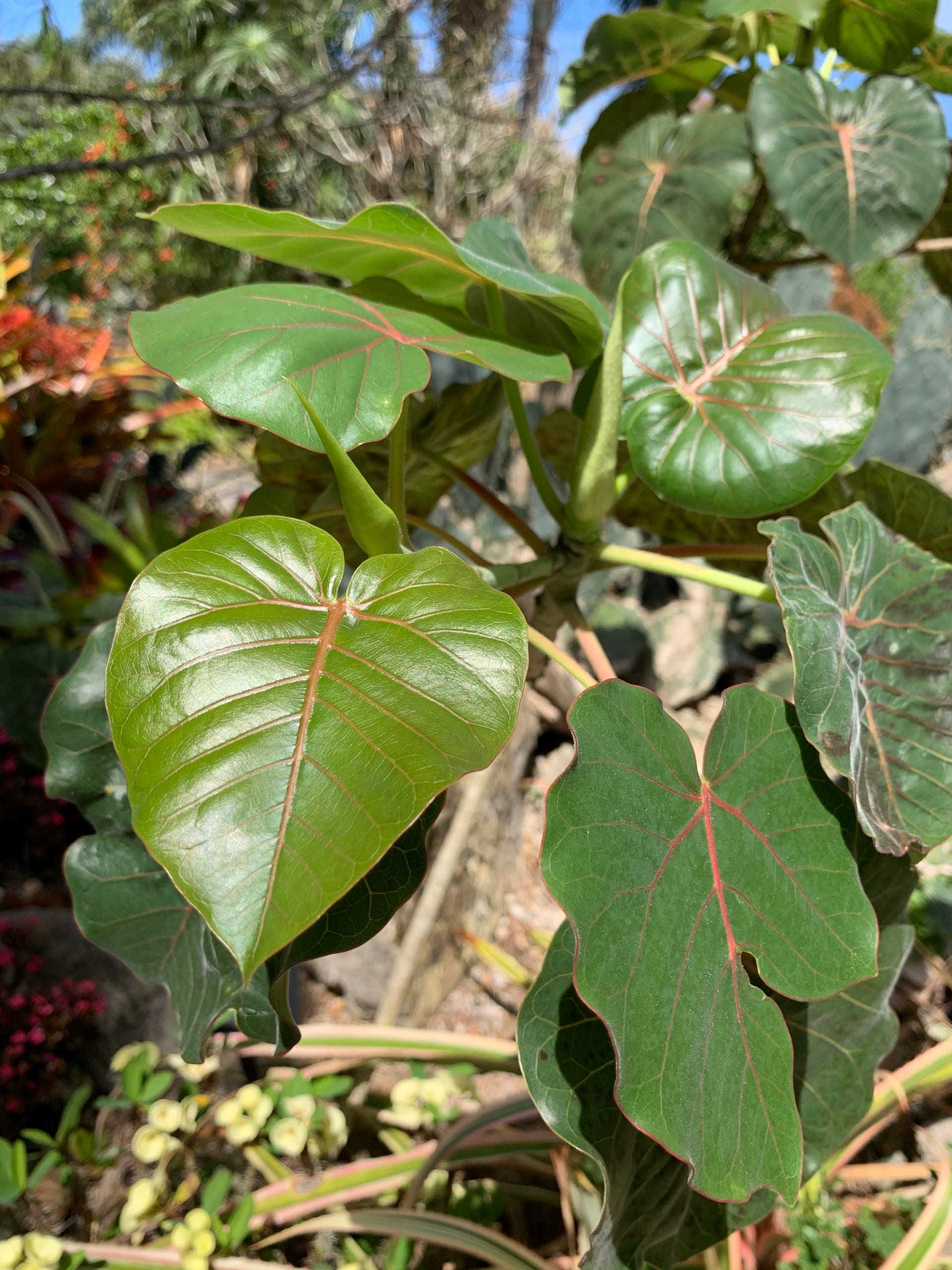
 © KATHERINE WAGNER-REISS / CC BY-SA 4.0
石生榕
Ficus petiolaris is a fig species endemic to Mexico, known for its yellow-green bark and heart-shaped bright green leaves. On the underside of each leaf, small tufts of white hairs form where the veins branch — a key trait for identifying this species among other figs. In Japan, potted specimens with a swollen, bulbous base are commonly grown as caudex plants, and that rounded silhouette is a large part of their appeal as houseplants. In the wild it's a tree that has been recorded reaching heights of up to 30 meters, but when grown in a pot it stays comfortably compact and manageable indoors. It's generally considered a variety suited to intermediate growers who already have some plant-care experience.
查看石生榕圖鑑 →成交手續費 0%!2026年9月30日前註冊,前 2 株免佣金!
生產者 招募中!
在 GrowerDirect 上架,直接銷售給全國的客戶吧!
GrowerDirect承諾的 6 項透明性重點
塊根植物上架時生產者會明確標示以下資訊。確保品種、產地、光照需求、栽培難度的透明度。
- 品種標示
- 實物照片
- 色澤
- 產地標示
- 光照需求
- 難度標示
查看全部146個品種
已註冊的生產者(搶先看)
石生榕的基本資料
- 栽培難度
- 適合中級者
- 壽命
- 長壽的木本植物(壽命資料稀少)
- 體型
- 自生地記錄中高度可達30公尺,但盆栽中可保持相當小的尺寸。
- 澆水
- 生長期間適度澆水
- 光照和放置位置
- 據說在半陰條件下生長良好。應避免強西曬,放在明亮處。
- 澆水
- 喜歡適度澆水。生長期間當盆土乾燥時澆足量的水,並避免長期過濕。
- 溫度和越冬
- 本種來自墨西哥溫暖地區,耐寒性資料稀少。冬季應在室內明亮處管理,並適度減少澆水。
- 用土和換盆
- 使用排水良好的土壤種植。若想展示肥大的根部,應在較淺的盆中種植,並將根部稍微露出土壤進行造型。
- 修剪和造型
- 由於本種在自生地為高木,應通過盆的大小和修剪來控制樹高。
關於石生榕
Ficus petiolaris, a Mexico-native fig with yellow-green bark and heart-shaped leaves marked by white hair tufts, is grown in pots with a swollen base as a popular caudex plant. Here's what to know before growing one.
開始照料石生榕前需要了解的7件事
1放置位置為明亮的半陰處
Ficus petiolaris is said to grow well in partial shade. Keep it somewhere bright but out of harsh afternoon sun, and acclimate it gradually when changing its conditions, such as moving it outdoors.
2生育期要充分澆水
春至秋季生育期,當用土表面乾燥時,充分澆水。落葉進入休眠期時,植株對水分的吸收變緩,因此應延長澆水間隔,土壤乾透後再等幾天再澆水。
3土壤要重視排水性
為防止根腐,應選擇用赤玉土、輕石等配製而成的排水性良好的培養土。使用專為塊根植物和多肉植物配製的培養土能使管理更加便捷。
4在生育期前換盆
氣溫開始上升、生育期即將來臨時,將植株換至大一號的花盆是最佳時機。過度破壞根團會延長恢復時間,因此只需整理受損的根系即可。
5冬季需防寒並控制澆水
原產於墨西哥,對寒冷不太耐受。氣溫下降時期,應在室內明亮的地方管理。低溫期間植物的吸水能力下降,應減少澆水,保持偏乾的狀態。
6即使落葉也不用擔心
進入休眠期時,植物可能會落葉。但在大多數情況下,這是一種生理現象,不一定意味著植物死亡。氣溫升高、生長期來臨時,新芽可能會展開,葉片會重新茂密。
7選擇時檢查葉背和莖
One way to confirm true Ficus petiolaris is to look for small tufts of white hairs where the veins branch on the underside of the leaves. It also helps to check the trunk's yellow-green coloring and how well-developed the swollen base is.
石生榕的常見問題
- Q.初心者也能種植嗎?
- A.Ficus petiolaris is generally considered a plant for intermediate growers, since it calls for some knowledge of watering and placement. Anyone with a bit of gardening experience who follows the basics should be able to grow it successfully.
- Q.會長到多大?
- A.在原生地有達到30m高度的記錄,但在盆栽種植時,通過修剪和管理花盆大小,可以相對容易地保持緊湊的樹形。
- Q.冬季落葉是植物枯死的信號嗎?
- A.進入休眠期時,植物可能會落葉。但在大多數情況下,這是一種生理變化,不一定意味著植物死亡。氣溫升高時,新芽可能會展開。
- Q.多久澆水一次呢?
- A.生長期的春季至秋季,當土壤表面乾燥時充分澆水。進入休眠期時,由於吸收放緩,應增加澆水間隔,保持偏乾的狀態。
- Q.如何與其他榕屬植物區分?
- A.The key identifying feature is the small tufts of white hairs found where the veins branch on the underside of the leaves. The trunk's yellow-green coloring is another helpful clue when confirming it's Ficus petiolaris.
石生榕栽培的實用工具
在圖鑑中詳細了解石生榕
查看石生榕的圖鑑條目 →
收錄栽培難度、尺寸、原產地、日照等基礎資料。