跳轉到主要內容
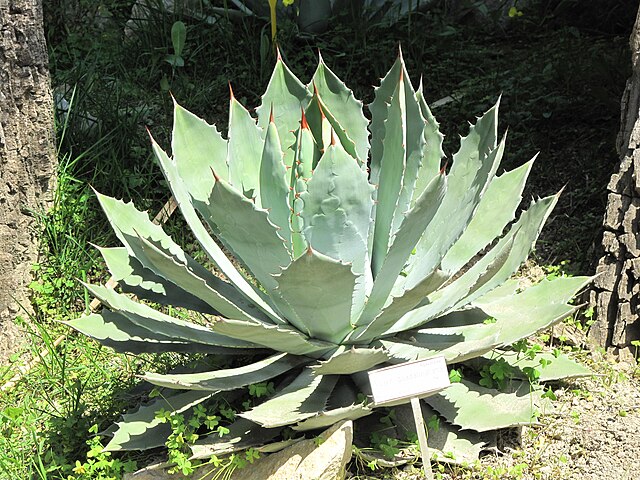
白毛龍舌蘭 (Agave albopilosa)

Source: Wikimedia Commons

白毛龍舌蘭

適合高級

Agave albopilosa

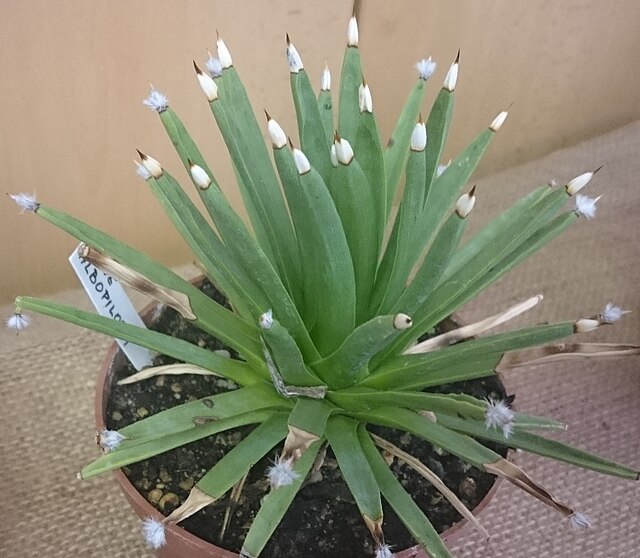
葉尖具有白色棉毛狀纖維的稀有龍舌蘭。2007年被記載為新物種的相對較新的種類。壽命為多年生植物(15〜25年)。成株大小為30〜60公分。幾乎無需。

栽培難度
適合高級
溫度
5〜40℃
壽命
多年生植物(15〜25年)
體型
30〜60公分
澆水
幾乎無需

關於我們

白毛龍舌蘭是2007年被記載為新物種的稀有龍舌蘭,自生於墨西哥新萊昂州和塔毛利帕斯州的石灰岩岩壁。最大特徵是葉尖密生的棉毛狀白色纖維(毛束),這正是種小名「albopilosa(具有白色毛髮)」的由來。由於這個在其他任何龍舌蘭身上都看不到的特徵,在發現時立即引起了全球龍舌蘭收藏家的熱烈關注。葉片寬度中等,綠色,葉緣排列著齒狀棘,尖端的白色纖維束即使從遠處也很醒目。成株形成直徑約30〜60公分的蓮座叢。成長緩慢,由於稀有性,市場價格較高。喜歡直射日光,用高排水性的土壤管理。澆水要適度,冬季應控制在每月約1次。耐寒性約為5℃,需要保護免受霜害。由於原生地是石灰岩地帶,據說在土壤中混入石灰岩類物質會促進生長。是收藏家最高等級的稀有物種之一。

基本資訊

產地

新萊昂州、塔毛利帕斯州,墨西哥

壽命

多年生植物(15〜25年)

體型

30〜60公分

溫度

5〜40℃

澆水與施肥

幾乎無需

栽培要點

注意事項

葉尖的白色纖維是最大特徵

注意事項

由於是稀有物種,價格較高

養護環境

用排水良好的土壤管理

光照環境

喜歡直射日光

生長

生長非常緩慢

白毛龍舌蘭白色纖維新物種稀有

白毛龍舌蘭常見問題

Q白毛龍舌蘭的栽培難度是多少?
A

適合高級. 進階者用品種。需要高度的栽培技術和專業設備,並需要對環境進行細微調整。

Q白毛龍舌蘭的理想溫度是多少?
A

白毛龍舌蘭的理想溫度為5〜40℃。避免溫度驟變,保持穩定的環境。

Q白毛龍舌蘭的壽命是多長?
A

白毛龍舌蘭的平均壽命為多年生植物(15〜25年)。透過適切的栽培環境和養分管理,可以長期健康成長。

Q白毛龍舌蘭能長多大?
A

白毛龍舌蘭的成體大小為30〜60公分。會因栽培環境和個體差異有所變化。

Q白毛龍舌蘭如何澆水施肥?
A

白毛龍舌蘭的澆水與施肥為:幾乎無需。請注意適當的頻率和用量。

Q白毛龍舌蘭的一般價格是多少?
A

白毛龍舌蘭的價格因品種・特徵・大小・系統而異。請查看ボタちょく的市價頁面以取得最新價格資訊。

最後更新: 2026年6月24日

參考與來源

編輯與資料核驗: ボタちょく編集部

本頁的分類、規制和栽培數據基於以下主要信息數據庫進行創建和驗證。

參考的第一手來源

分類與學名依據

學名(受理名): Agave albopilosa (I.Cabral, Villarreal & A.E.Estrada) A.Vázquez, Rosales & García-Mor.

異名: Agave albopilosa

權威資料庫: GBIF · POWO

Nomenclature follows global taxonomic authority databases.

法規與保育狀況

非CITES管制IUCN CR · Critically Endangered

來源: CITES Appendices (List of species protected by CITES Appendix II) / 環境省 特定外来生物一覧 (Agave 非該当を確認) / IUCN Red List of Threatened Species

法規可能修訂,請以各主管機關的最新第一手資訊為準。

相關文章

Guide to Agave Individual Grade & Quality Assessment | Quality Evaluation Points That Determine Market Price

An explanation of evaluation criteria for discerning individual differences in agave plants. This guide summarizes key points to know before purchasing, from checkpoints for spines, color, growth point, and root development to estimated market prices.

Agave Propagation Methods | Practical Guide to Offsets, Pup Division, and Seed Sowing

A comprehensive guide to three primary methods for agave propagation. This article explains the procedures for offset propagation, pup division, and seed sowing, covering success factors and variety-specific selection criteria from a professional perspective.

Growth Acceleration Strategy for Large Agave Plants | Fertilization, Light, Temperature, and Repotting Timing

Maximizing the growth of large agave plants requires strategically optimizing four key elements: fertilization, light, temperature, and repotting. A growth rate 3 to 5 times faster than normal is achievable within one year.

Outdoor Environment Setup for Large Agave Species and In-Ground Installation Strategies for Oversized Varieties

Challenges in Large Agave Cultivation and the Importance of Outdoor Environments Among Agave species, large varieties that exceed one meter at maturity (such as Agave titanota and Agave parry) captivate many plant enthusiasts with their imposing presence and visual impact. However, as size increases, indoor management becomes increasingly difficult, making the transition to outdoor cultivation essential. Outdoor environments require more than simply "securing land"—they demand a complex system encompassing wind-resistant anchoring methods, efficient drainage, and seasonal adaptation strategies. This article explains practical, concrete methods for setting up outdoor environments to safely and healthily cultivate large Agaves.

查看更多文章 →

🩺 易患疾病