Agave Encyclopedia
Encyclopedia of popular agave varieties with traits, care guides, and pricing.
Featured Agave
Showing 5 of 139 species
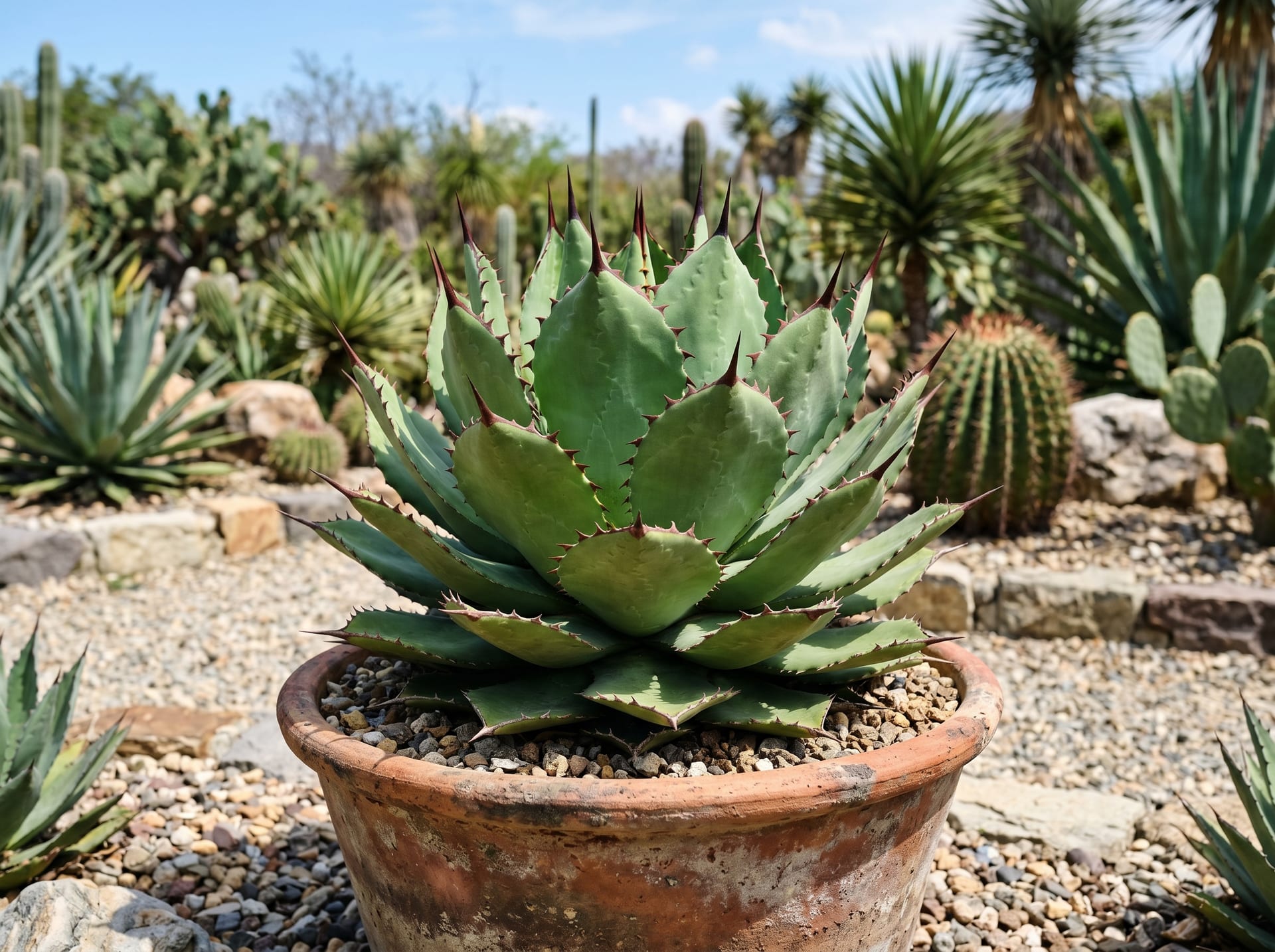
Agave Cupreata
Agave cupreata
Native to Guerrero, Mexico. Used in mezcal production. Wide leaves with copper-colored teeth give a wild appearance. Grows large at maturity.
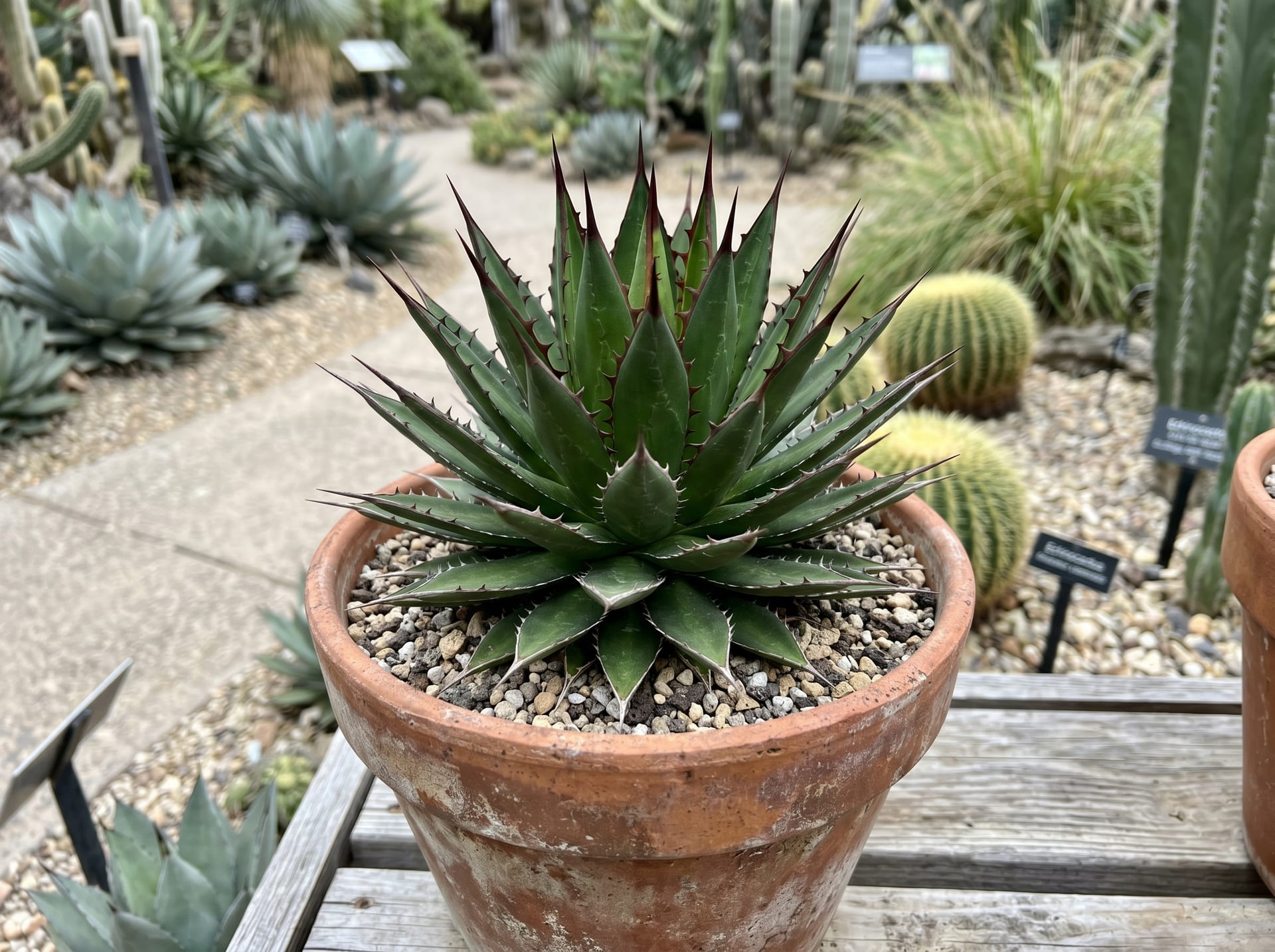
Agave Ghiesbreghtii
Agave ghiesbreghtii
Medium-sized agave from southern Mexico. Dark green leaves contrast beautifully with reddish-brown teeth. Forms compact rosettes ideal for container culture.
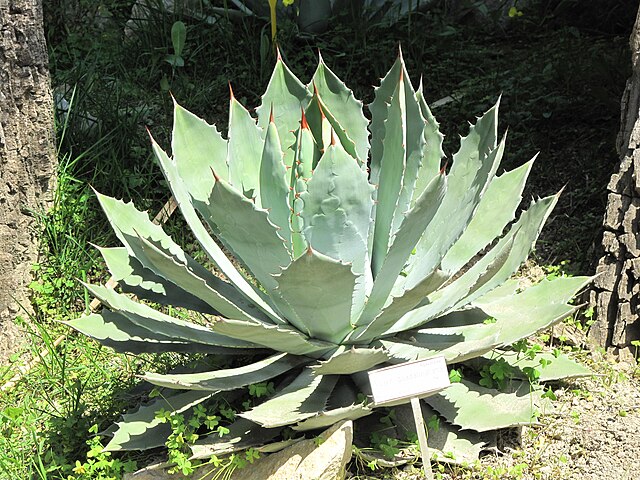 © Tangopaso / Public domain
Agave Guadalajarana
Agave guadalajarana
A rare agave from Guadalajara, Mexico. Popular for broad blue-gray leaves and compact form.
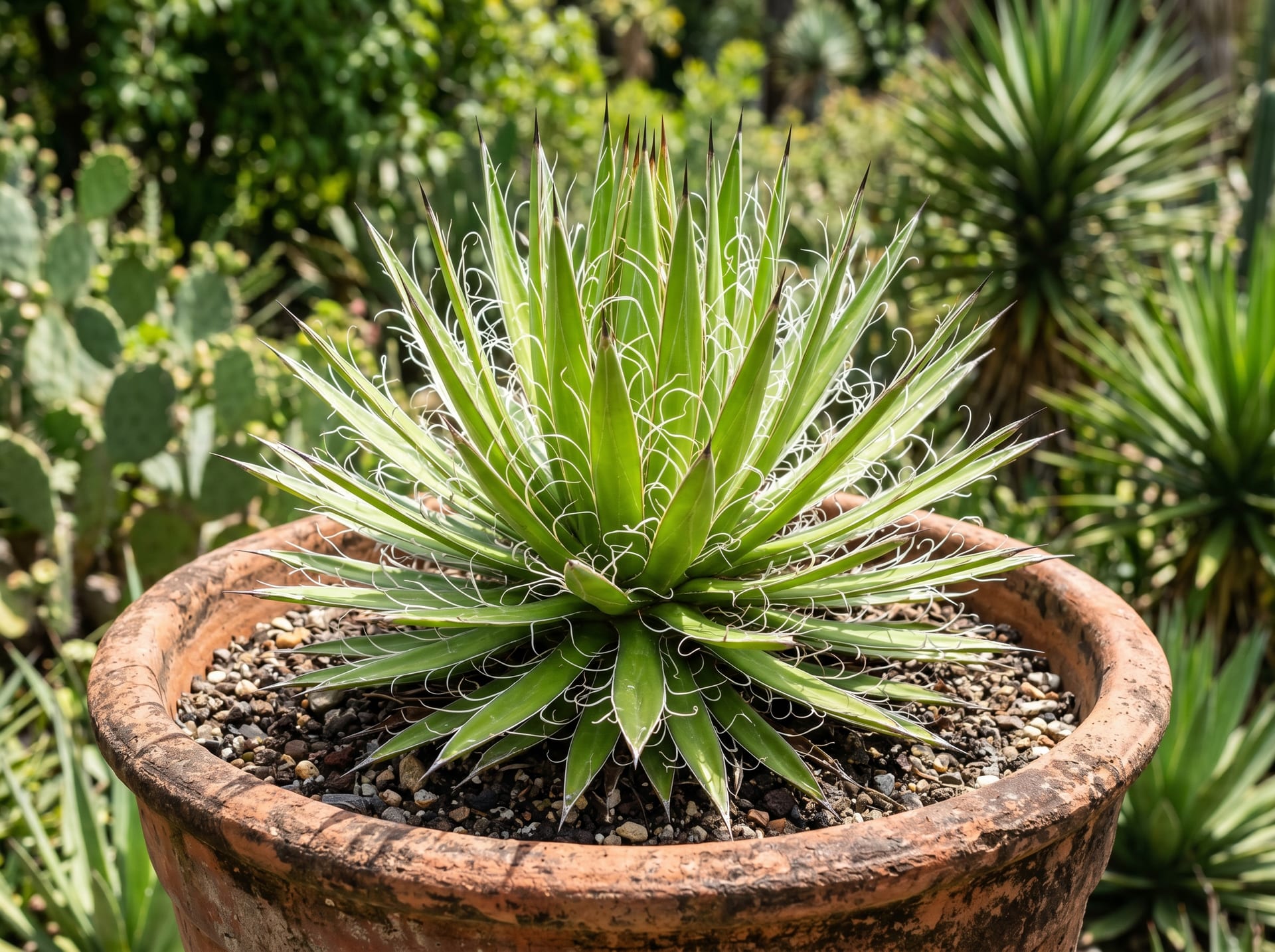
Agave Multifilifera
Agave multifilifera
Native to northwestern Mexico. True to its name, produces numerous filaments from leaf margins. More filaments than Filifera or Schidigera, creating a showy appearance.
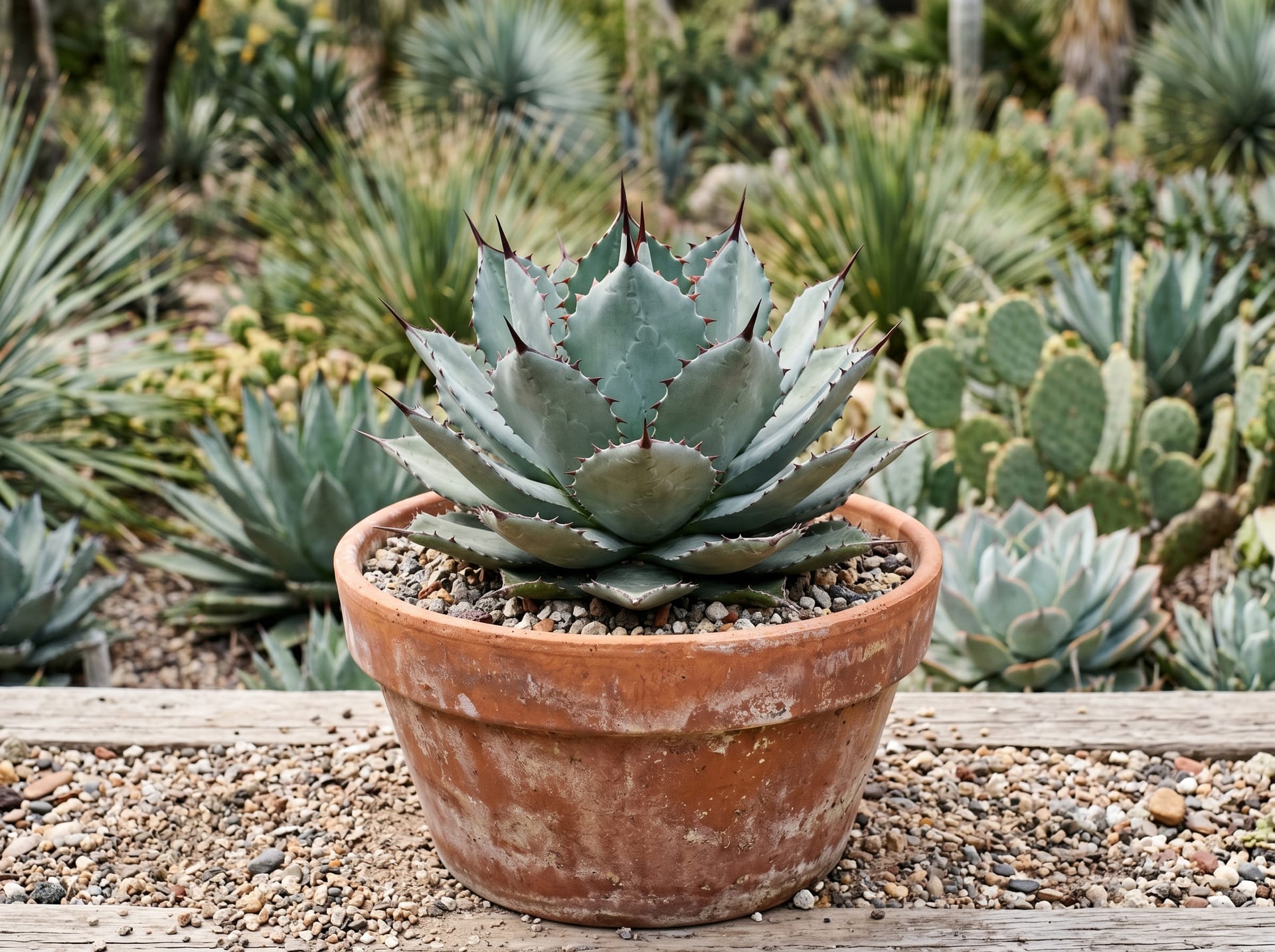
Agave Verschaffeltii
Agave verschaffeltii
Native to central Mexico. Beautiful blue-white leaves with wavy tooth impressions. Related to Potatorum but larger. Garden cultivars available.
Related Content
Agave FAQ
- How much do agave cost?
- Small Titanota seedlings cost 2,000-10,000 yen, medium plants 10,000-50,000 yen, and select or rare varieties like Hakugei and Caesar can exceed 100,000 yen. Prices vary greatly by variety and condition.
- Can beginners grow agave?
- Agaves are drought-tolerant and hardy, making them easy for beginners. Place in a sunny spot with well-draining soil, and they're quite hard to fail with.
- What are the key points for growing agave?
- Sunlight, airflow, and drainage are the three essentials. Provide direct sunlight, use pumice or akadama-based soil, and water only when the pot is completely dry.
- What should I check when buying agave?
- Check whether it's rooted, leaves are developing healthily, and lower leaves aren't excessively dried. Imported bare-root plants require root establishment, so beginners should start with rooted domestically grown seedlings.
- How long do agave live?
- Agaves grow over decades and bloom only once in their lifetime before dying. However, they produce offsets, so with proper care you can enjoy them across generations.