Zuisho Japanese white pine
IntermediatePinus parviflora 'Zuisho'
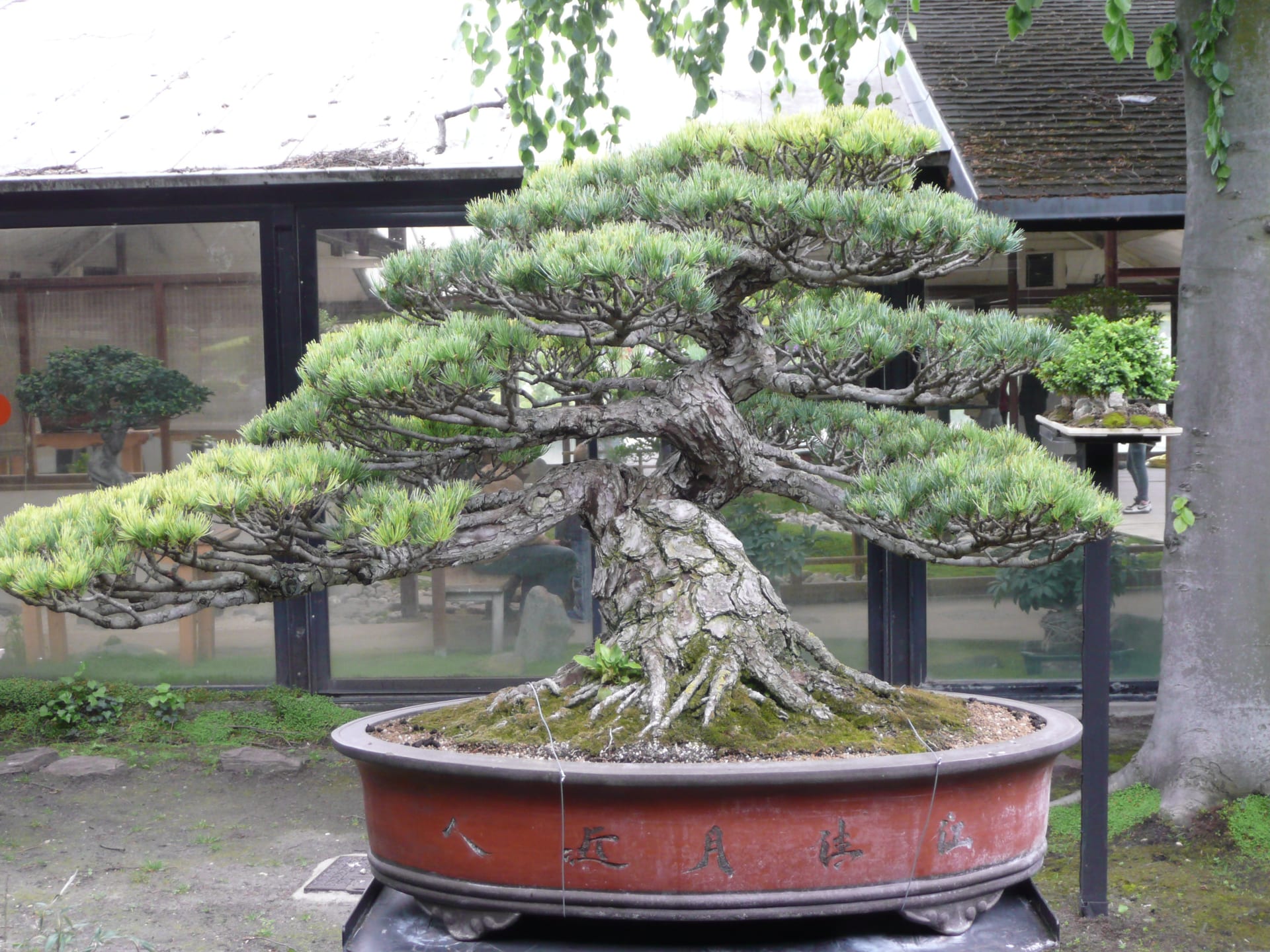
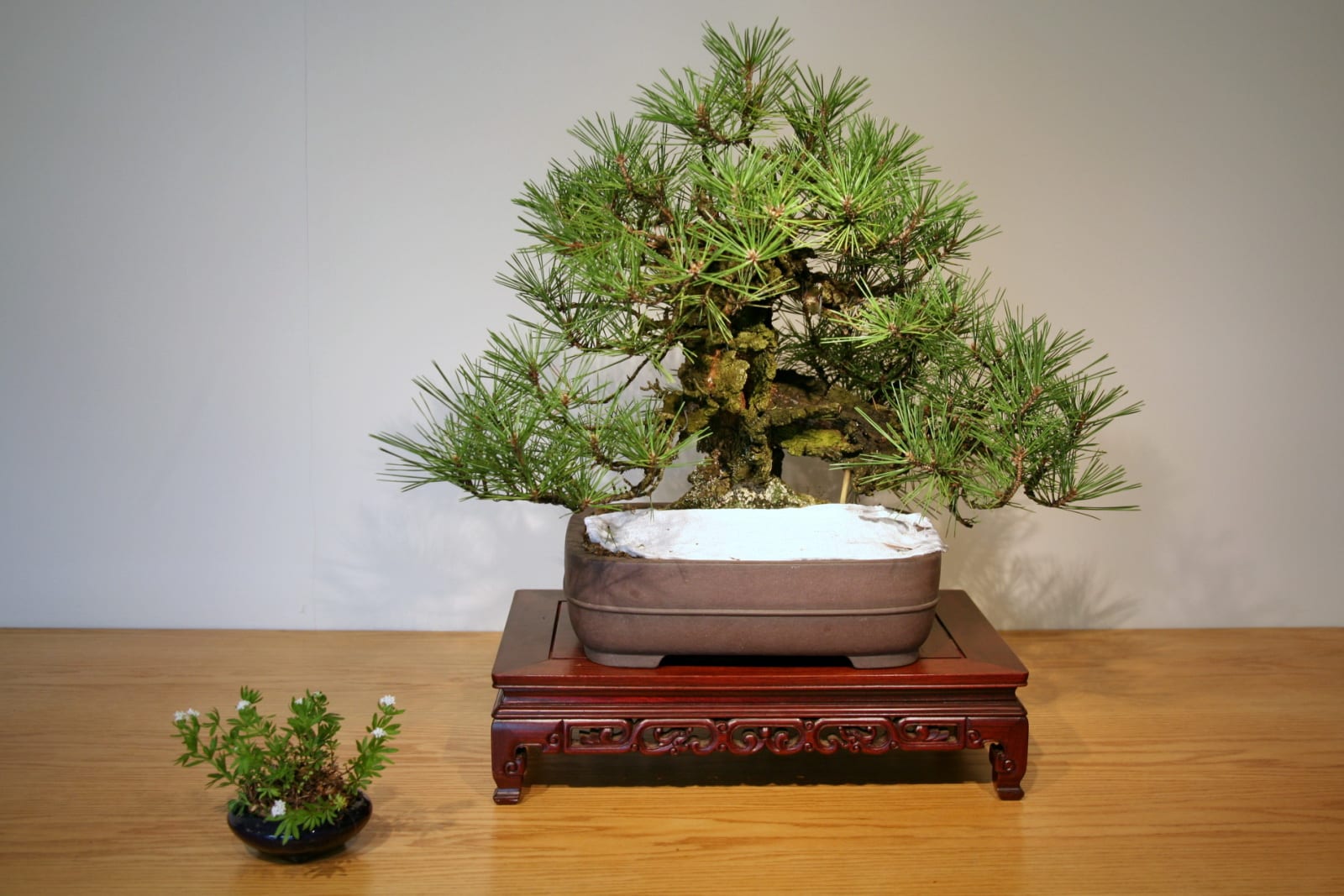
A leading yatsubusa (dwarf, densely budding) cultivar of Japanese white pine, propagated by cuttings, grafts and layers from a single mutant branch. Its foliage is fine and compact, yet it grows quickly for a white pine, so a tree takes shape fast.
About
Zuisho is one of the yatsubusa cultivars of Japanese white pine (Pinus parviflora). Yatsubusa describes plants whose shoots and needles are smaller and more densely packed than the ordinary form, and Zuisho and Kokonoe are the best-known examples in white pine. According to the Japan Zuisho Club, Zuisho arose as a mutation on a white pine and has been propagated from that one branch by cuttings, grafts and layering; the first cutting from the original tree dates from 1954, and even the oldest surviving trees are under 70 years old. A bonsai magazine describes it as growing remarkably fast for a white pine, reaching a finished tree from a young plant within a few decades, earning it the nickname 'dream tree of the Showa era'. Its fine, dense yatsubusa foliage and vigorous growth are what set it apart. Little is documented about its exact needle length or colour, and seedlings do not reliably inherit the parent's traits, so buyers should check that a plant was vegetatively propagated. Care follows ordinary white pine: outdoors in sun and good airflow, kept on the dry side. Specialist bonsai nurseries sell everything from starter plants to large finished trees.
Lifespan of the Zuisho Japanese white pine
The Zuisho Japanese white pine lives A young cultivar; the oldest named trees are under 70 years old.
Basic Info
Origin
Japan (cultivar selected from a mutant branch of Japanese white pine)
Lifespan
A young cultivar; the oldest named trees are under 70 years old
Size
Grown as bonsai from small to large sizes (little data on mature natural height)
Temperature
-5〜35℃
Watering & Fertilizer
Fertilizer (solid feed spring to early autumn)
Growing Tips
Light & placement
Outdoors in full sun and good airflow; lack of light causes dieback. Keep indoor display short
Watering
Keep slightly dry; water when the surface dries—morning and evening in summer, every few days in winter
Temperature & overwintering
Very cold-hardy (the species is rated USDA zones 4–7). As a mountain pine, keep it cool and avoid summer heat and stuffiness
Soil & repotting
Free-draining mix (mainly akadama with grit). Repot young trees about every 3 years
Fertilizer
Place organic solid fertilizer monthly from April to September, skipping the rainy season and midsummer
Pruning & styling
Being yatsubusa it buds heavily, so pinching is mainly thinning buds. Wire in dormancy; remove old needles in autumn
Pests & cautions
Aphids and spider mites appear in dense foliage. Seedlings may not inherit the traits, so confirm the plant was grafted, rooted or layered
Zuisho Japanese white pine FAQ
QWhat is the growing difficulty level for Zuisho Japanese white pine?
Intermediate. A variety suitable for intermediate growers. Requires some cultivation experience and knowledge of environment management. Pay careful attention to temperature and humidity control.
QWhat is the lifespan of Zuisho Japanese white pine?
The average lifespan of Zuisho Japanese white pine is A young cultivar; the oldest named trees are under 70 years old. With proper cultivation environment and nutrient management, you can keep it healthy for a long time.
QHow should I water and fertilize Zuisho Japanese white pine?
Zuisho Japanese white pine: watering & fertilizer — Fertilizer (solid feed spring to early autumn). Aim for appropriate frequency and amount.
QWhat is the typical price for Zuisho Japanese white pine?
The price of Zuisho Japanese white pine varies significantly by variety, characteristics, size, and lineage. Please check GrowerDirect's price guide for the latest market information.
Last updated: September 23, 2026
References & Sources
Edited & verified by: GrowerDirect Editorial Team
The classifications, regulations, and growing data on this page are created and verified based on the primary information database below.
Primary sources
- Species+ (CITES listing search)
- MAFF Plant Variety Registration Database
- Japan Zuisho Club: What is Zuisho
- Kindai Shuppan masterpiece: Zuisho white pine
- Bonsai Myo glossary: yatsubusa
- Bonsai Myo: Japanese white pine care
- Kimi's mini bonsai days: bud pinching of Japanese white pine
- NC State Extension Plant Toolbox: Pinus parviflora
- GBIF
Taxonomy & Authority
Regulations & Conservation Status
Not listed by CITES and not regulated for domestic sale. Not a registered variety under Japan's Plant Variety Protection Act (no entry for 'Zuisho' in the MAFF database, checked Sept 2026).
Sources: Species+ (CITES listing search) / MAFF Plant Variety Registration Database
Regulations may change. Always verify the latest information with the relevant authorities.
Related Species
Find listings for this species
Related Articles
Bonsai Aged Wood Techniques | Creating Branch Aging Expression and Tree Age Aesthetics
Explains techniques for creating bonsai that appear aged from young stock. Introduces practical methods for expressing tree age aesthetics, from bark texture and branch structure to root development expression and changes over time.
How to Prevent Fertilizer Burn in Bonsai | Determining the Right Fertilizer Amount and Concentration
Why does fertilizer burn occur in bonsai? This explains the mechanism of osmotic pressure, how to identify early symptoms such as browning of leaf tips, why it occurs easily in midsummer and right after repotting, and emergency measures and preventive strategies.
A Guide to Giving Bonsai as Gifts | Appropriate Species and Etiquette for Longevity Celebrations and Business Opening Celebrations
This guide explains how to choose bonsai species and proper etiquette when giving bonsai as gifts for celebrations. It introduces recommended species for different occasions such as longevity celebrations and business opening celebrations, as well as how to choose species while considering management requirements.
Bringing Out the Artistry of Bonsai: Fundamental Techniques in Pruning and Shaping Trees
Master the fundamentals of pruning and shape forming to unveil bonsai artistry. Learn the principles of heavy and light pruning, wiring techniques, how to select bonsai styles and determine the front view, seasonal care schedules, and solutions to common mistakes—all explained step by step.
🩺 Common diseases
Can't find the plant you're looking for?
Post your wishes for free and growers with matching plants will contact you with introductions.