Carnivorous Plant Encyclopedia
Encyclopedia of popular carnivorous plants with care guides, trapping mechanisms, and cultivation tips.
Featured Carnivorous Plant
Showing 2 of 140 species
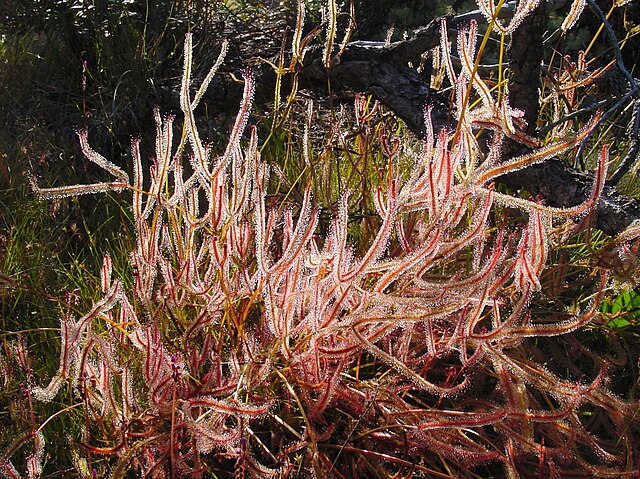 © No machine-readable author provided. NoahElhardt assumed (based on copyright claims). / CC BY-SA 2.5
Drosera Binata
Drosera binata
A sundew with uniquely forked leaves, large and impressive, very hardy.
CarnivorousSundewForked
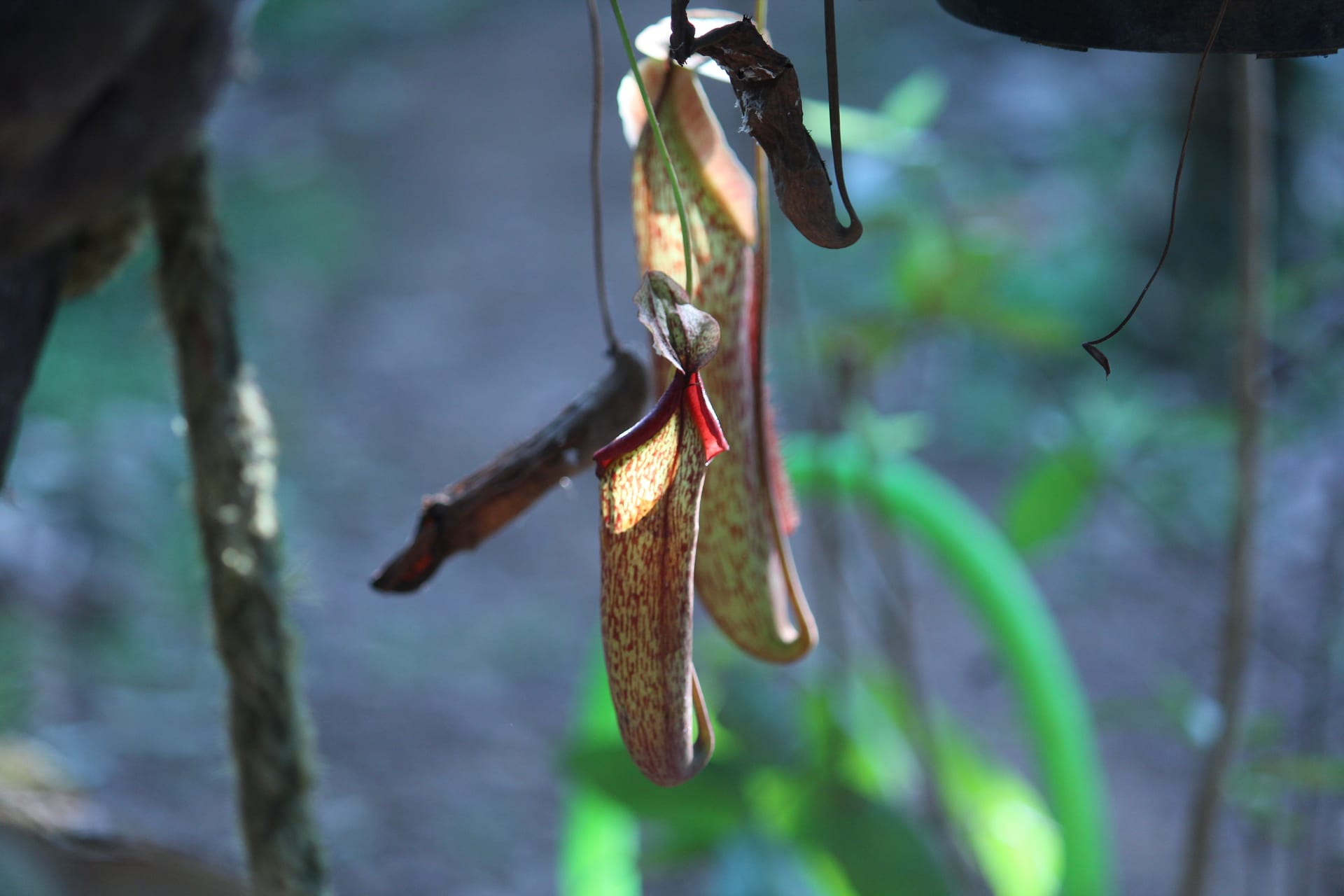 © vijayakumarblathur / CC BY-SA 4.0
Nepenthes Miranda
Nepenthes 'Miranda'
A hybrid pitcher plant with large pale-green pitchers speckled red-brown and a near-vertical mouth ringed by a dark red-brown peristome. Pitchers reach about 25-30 cm, and it is a staple at both mass-market and specialist sellers.
CarnivorousNepenthesPitcher plant
Related Content
Carnivorous Plant FAQ
- How much do carnivorous plants cost?
- Venus Flytraps cost 500-2,000 yen, Nepenthes 1,000-10,000 yen, and rare highland Nepenthes can exceed tens of thousands of yen depending on species and size.
- Can beginners grow carnivorous plants?
- Venus Flytraps, Sundews, and Sarracenia are relatively easy and beginner-friendly. Keep them in a tray of water for humidity and place in a sunny spot.
- How long do carnivorous plants live?
- Venus Flytraps can live 10+ years with proper care, and Sarracenia are similarly long-lived. Nepenthes can grow for decades in the right conditions, getting progressively larger.
- What should I check when buying carnivorous plants?
- Check that leaves and traps are healthy with no root rot. For Nepenthes, choose specimens with pitchers. Avoid sudden environment changes after purchase and acclimate gradually.
- Do I need to feed insects to carnivorous plants?
- They grow fine through photosynthesis alone without feeding. Insects are supplemental nutrition and don't need to be force-fed. Outdoor plants catch bugs naturally, which is fun to observe.