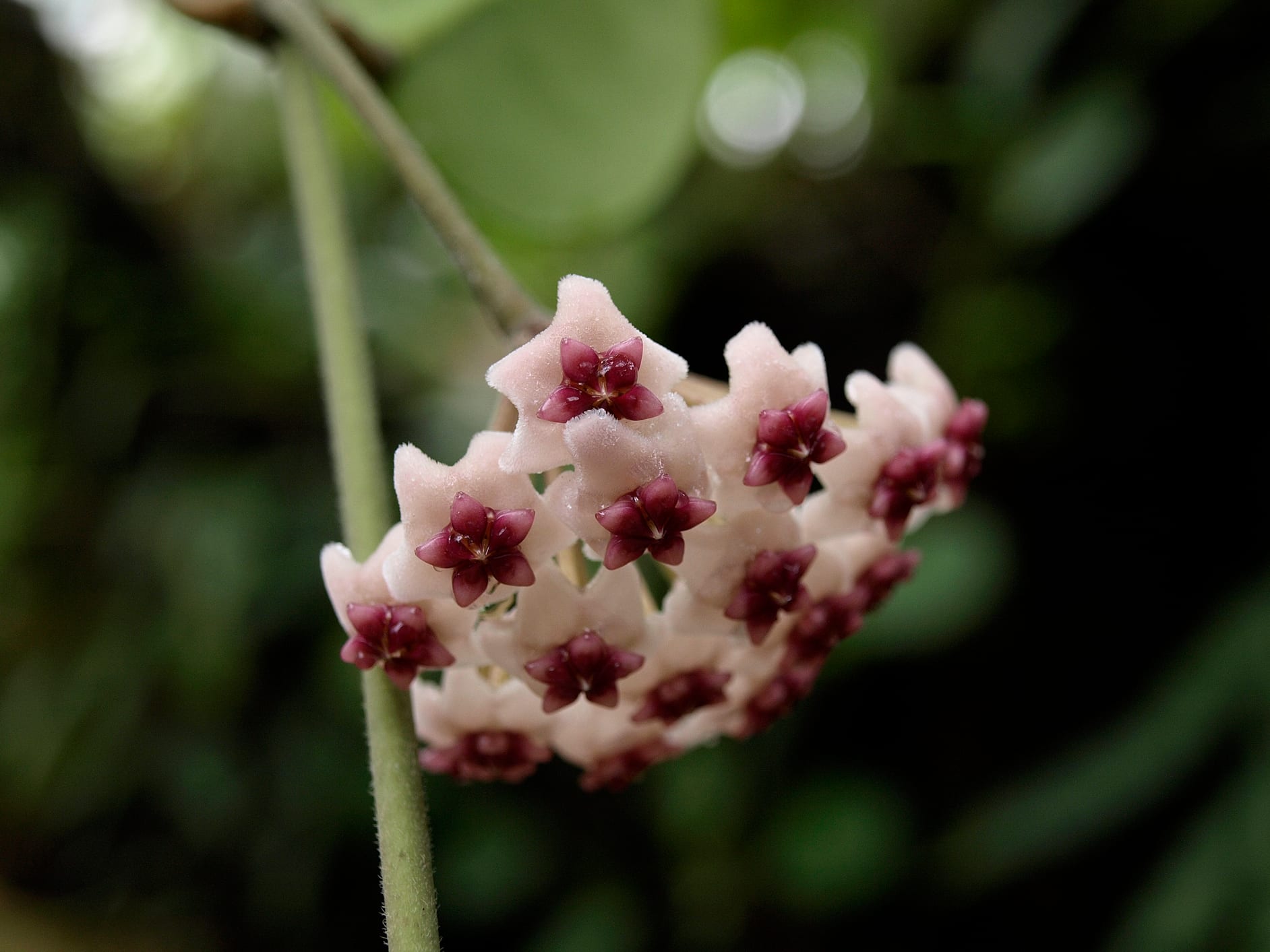
Source: Wikimedia Commons
Hoya obovata
IntermediateHoya obovata
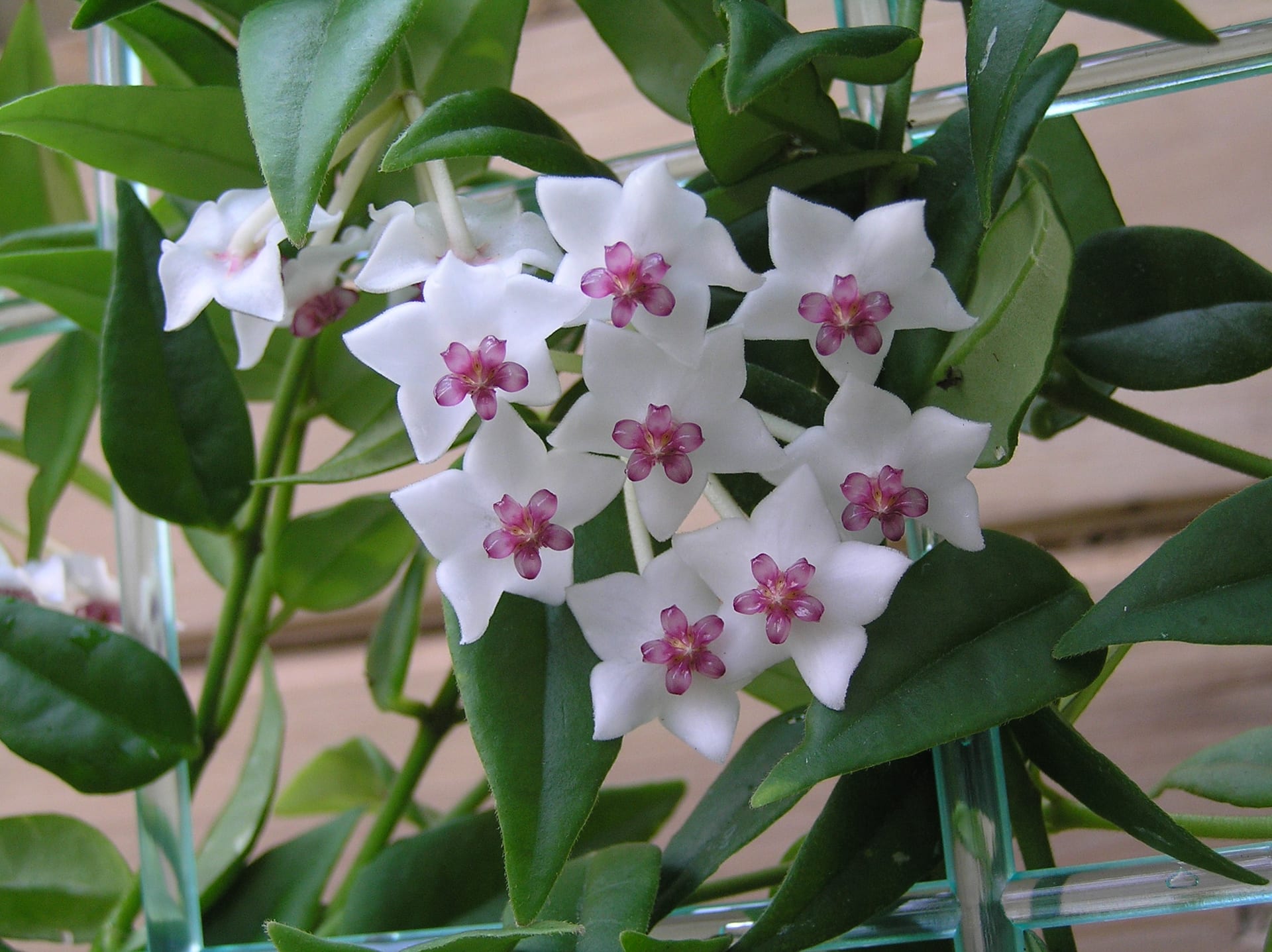
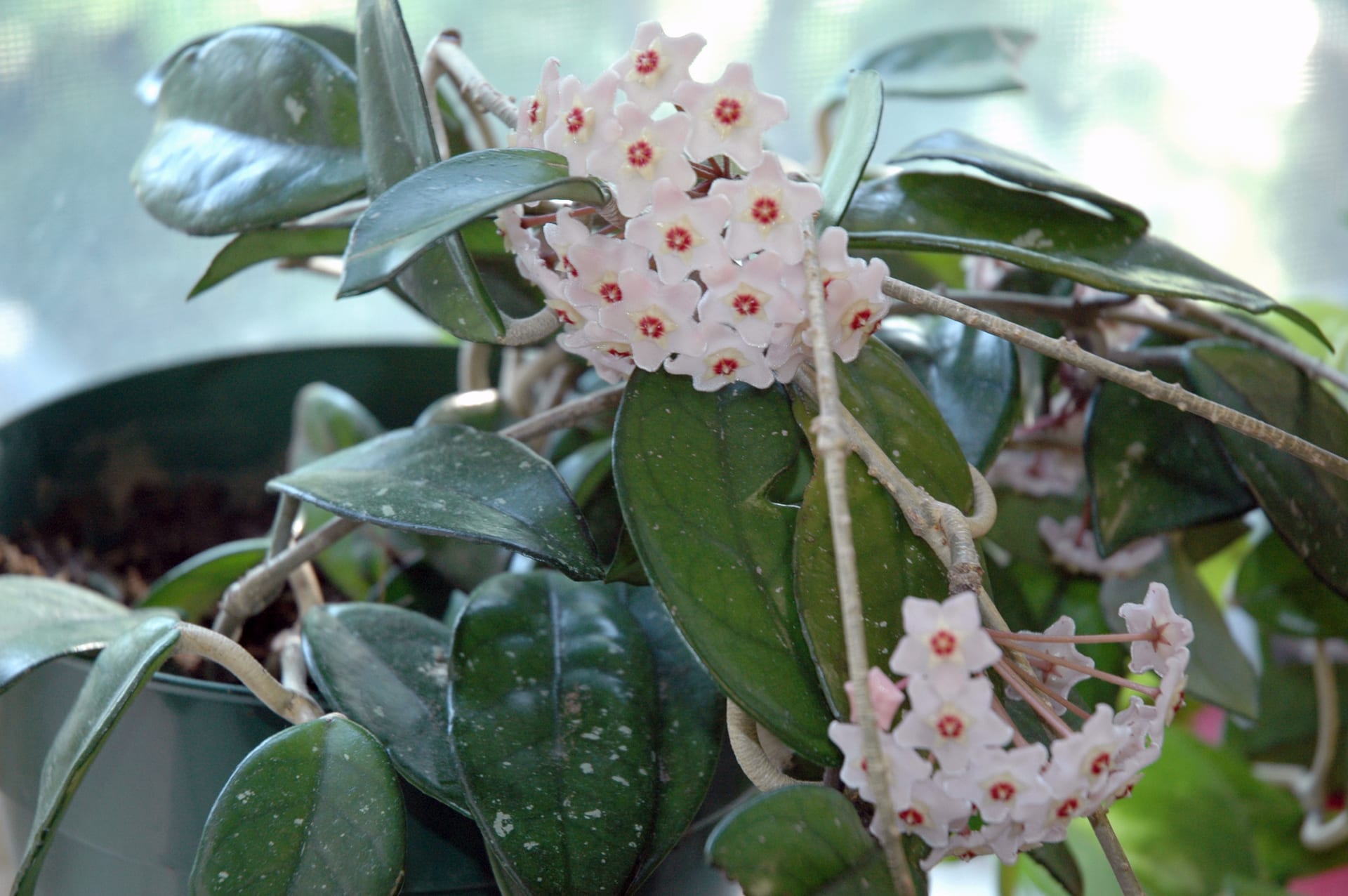
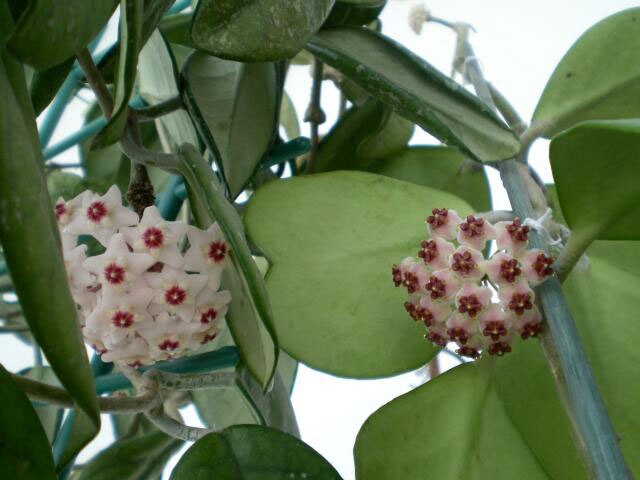
An epiphytic Hoya with thick, obovate leaves that are broad and rounded at the tip, the source of its name. Variegated plants are also sold as houseplants.
About
Hoya obovata is an epiphytic member of the dogbane family, native from Indochina, including Thailand and Vietnam, to Sulawesi and the Moluccas in Indonesia. Decaisne described it in 1844. The epithet means 'obovate', describing leaves that are broadest and rounded towards the tip. Its thick, succulent leaves store water, and like other hoyas it dislikes constantly wet roots. Variegated plants are also offered in the houseplant trade, with patterns varying from plant to plant. Other thick-leaved hoyas, such as the heart-leaved Hoya kerrii, are also sold, so check the scientific name on the label. It grows better trained on a support, and a snug pot helps prevent root rot. It is frost-tender, so keep it indoors in winter. In Japan it is sold mainly by specialist nurseries and online, and is not often seen in general garden centres.
Source: Wikipedia (CC BY-SA 4.0)
Basic Info
Origin
Indochina (Thailand, Vietnam), Sulawesi and the Moluccas
Lifespan
Perennial epiphyte
Size
A climber grown on supports or in hanging pots; little data on size
Temperature
15〜30℃
Humidity
50〜70%
Watering & Fertilizer
Dilute liquid feed in the growing season
Growing Tips
Light & Placement
Bright light, dappled shade or morning sun; it does not need full sun all day.
Watering
As an epiphyte, water after the mix dries and never keep it constantly wet.
Temperature & Overwintering
Frost-tender; keep it indoors or in a greenhouse over winter.
Soil & Repotting
Use a free-draining organic mix. An oversized pot stays wet, so keep it snug. It grows better trained on a pole or trellis.
Propagation
Propagate by stem cuttings.
Pests & Cautions
Watch for aphids, spider mites and mealybugs. An oversized pot or overwatering leads to root rot.
Hoya obovata FAQ
QWhat is the growing difficulty level for Hoya obovata?
Intermediate. A variety suitable for intermediate growers. Requires some cultivation experience and knowledge of environment management. Pay careful attention to temperature and humidity control.
QHow should I water and fertilize Hoya obovata?
Hoya obovata: watering & fertilizer — Dilute liquid feed in the growing season. Aim for appropriate frequency and amount.
QWhat is the typical price for Hoya obovata?
The price of Hoya obovata varies significantly by variety, characteristics, size, and lineage. Please check GrowerDirect's price guide for the latest market information.
Last updated: September 23, 2026
References & Sources
Edited & verified by: GrowerDirect Editorial Team
The classifications, regulations, and growing data on this page are created and verified based on the primary information database below.
Taxonomy & Authority
Regulations & Conservation Status
Not listed in the CITES Appendices. Not a designated invasive alien species in Japan, nor a nationally rare species under the Act on Conservation of Endangered Species.
Sources: Species+ (CITES listing check) / Ministry of the Environment: List of Invasive Alien Species
Regulations may change. Always verify the latest information with the relevant authorities.
Related Species
Find listings for this species
Related Articles
Complete Guide to Growing Hoya (Wax Plant) | Management and Training of Popular Varieties like Carnosa and Curly
A guide to growing Hoya (wax plant), a vining foliage plant. We provide detailed information on watering, potting soil, and flowering techniques for popular varieties like Hoya Carnosa and Hoya Curly, as well as training methods and propagation by cuttings.
Why New Leaves on Foliage Plants Are Smaller — Practical Solutions for Light, Humidity, and Nutrition
We analyze the causes behind stunted growth and smaller new leaves on foliage plants. From light environment and humidity management to fertilization strategy and root health, we explain each factor based on empirical data and introduce methods to restore new leaf size.
Spider Mite and Scale Insect Control: Practical Pest Prevention
Learn to identify spider mites and scale insects on houseplants and recognize damage signs, master practical spider mite control methods, discover effective scale insect elimination techniques, create pest-resistant environments with seasonal management, understand pesticide safety precautions, and discover early detection and prevention strategies.
Root Rot Prevention and Root Zone Regeneration Management in Foliage Plants | Soil Selection, Watering, and Early Diagnosis & Recovery Techniques
Root rot is the greatest threat to foliage plants. This article covers practical knowledge from the mechanisms of root rot development to prevention, early-stage diagnosis and treatment methods, and ensuring long-term plant health through soil and watering management.
🩺 Common diseases
Can't find the plant you're looking for?
Post your wishes for free and growers with matching plants will contact you with introductions.