Orchid Encyclopedia
Encyclopedia of popular orchid species with care guides, traits, and flowering tips.
Showing 11 of 140 species
 © Orchi / CC BY-SA 3.0
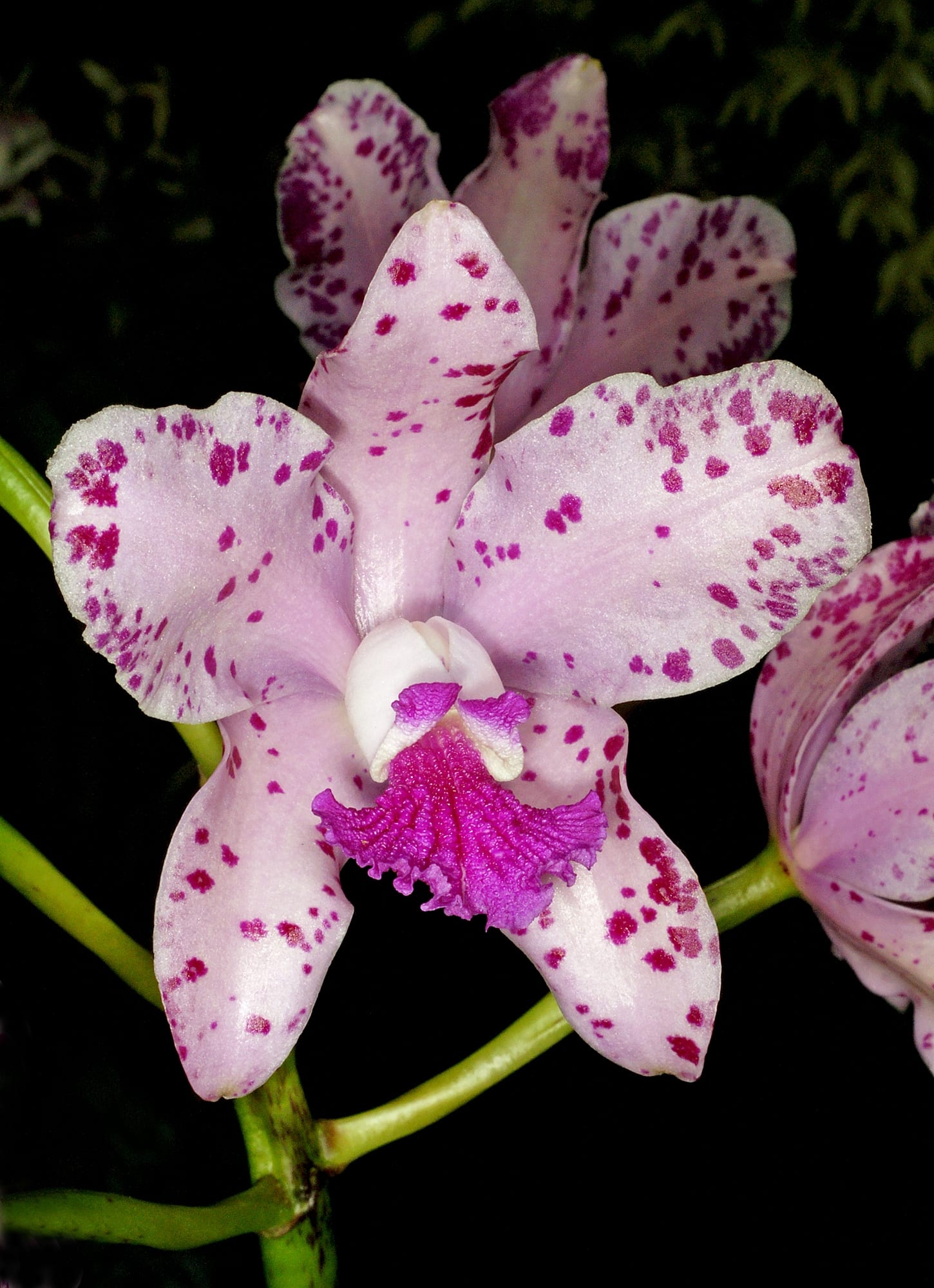
Amethyst-lipped Cattleya
Cattleya amethystoglossa
A tall Brazilian Cattleya that bears clusters of 10-30 pale, purple-spotted flowers atop its long pseudobulbs, with a vivid magenta lip and a pleasant scent.
 © Orchi / CC BY-SA 3.0
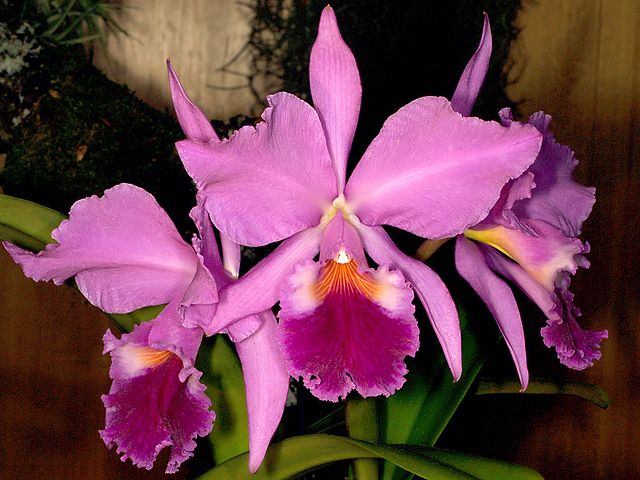
Cattleya
Known as the Queen of Orchids, prized for large fragrant blooms and stunning colors.
 © sunoochi / CC BY 2.0
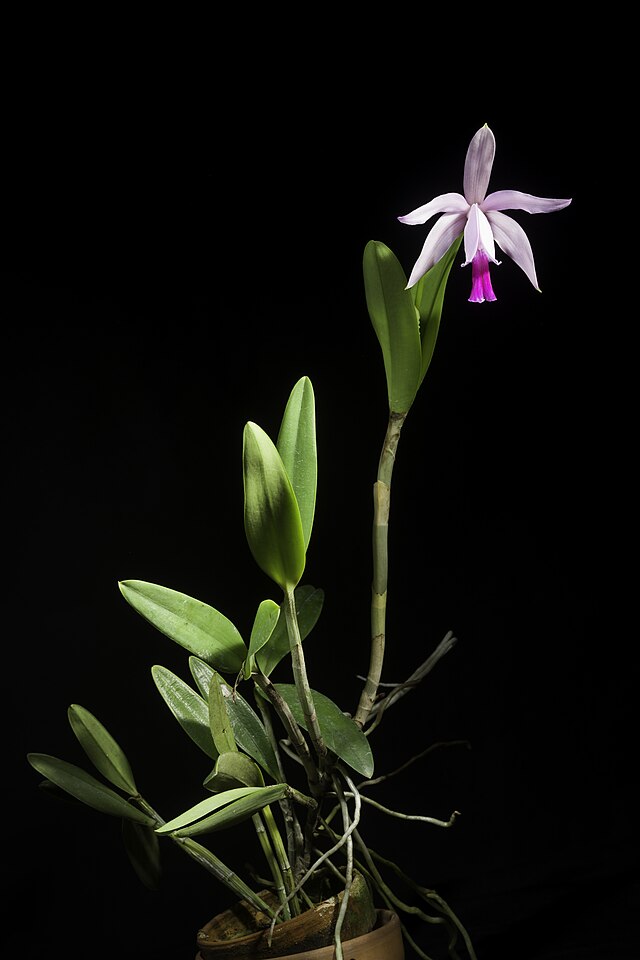
Cattleya Intermedia
Cattleya intermedia
A Brazilian Cattleya species with many color forms including coerulea and aquinii.
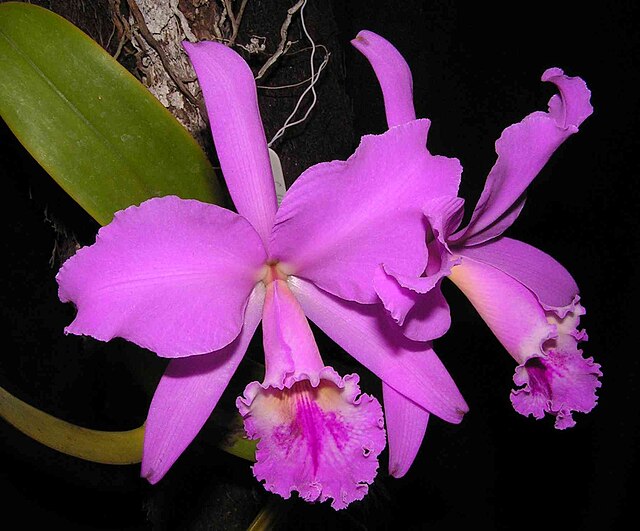
Cattleya Labiata
Cattleya labiata
The first Cattleya species discovered, with a large lip and vibrant autumn blooms.
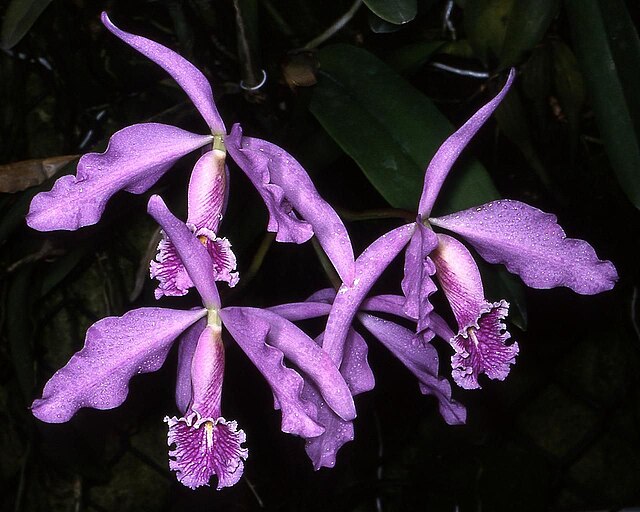 © Orchi / CC BY-SA 3.0
Cattleya Maxima
Cattleya maxima
A large Cattleya from Ecuador-Peru with lavender blooms and beautifully frilled lips.
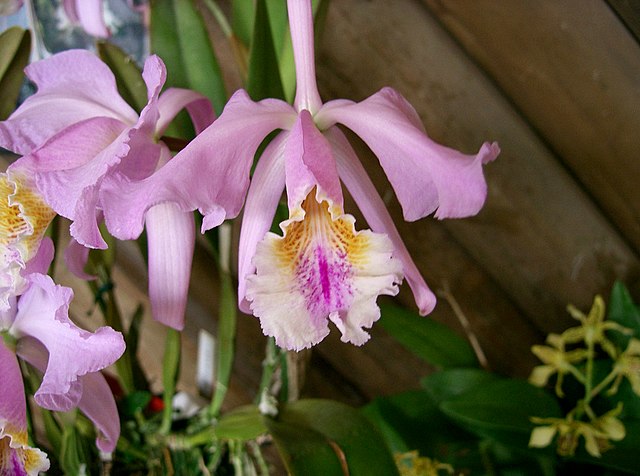 © KENPEI / CC BY-SA 3.0
Cattleya Mossiae
Cattleya mossiae
Venezuela's national flower, spring-blooming with large frilled lips, known as Mother's Day orchid.
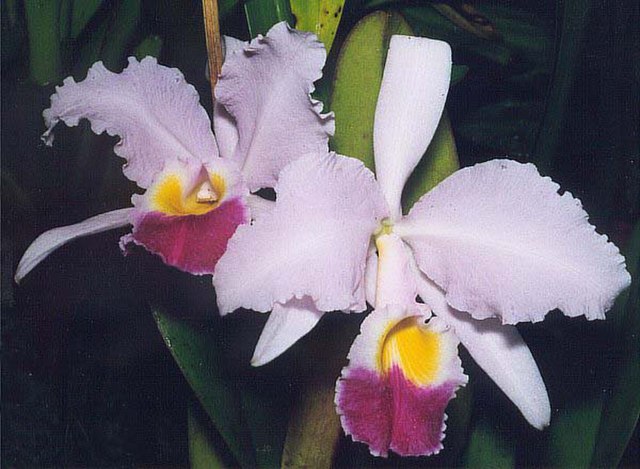 © Arne Larsen (?) / CC BY-SA 3.0
Cattleya Trianae
Cattleya trianae
Colombia's national flower, winter-blooming with large flowers and beautiful lip coloration.
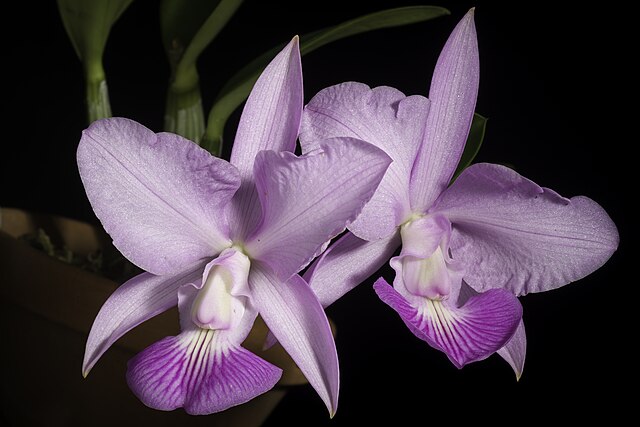 © sunoochi from Sapporo, Hokkaido, Japan / CC BY 2.0
Cattleya Walkeriana
Cattleya walkeriana
A compact, fragrant Cattleya species from Brazil with sweet scent and charming blooms.
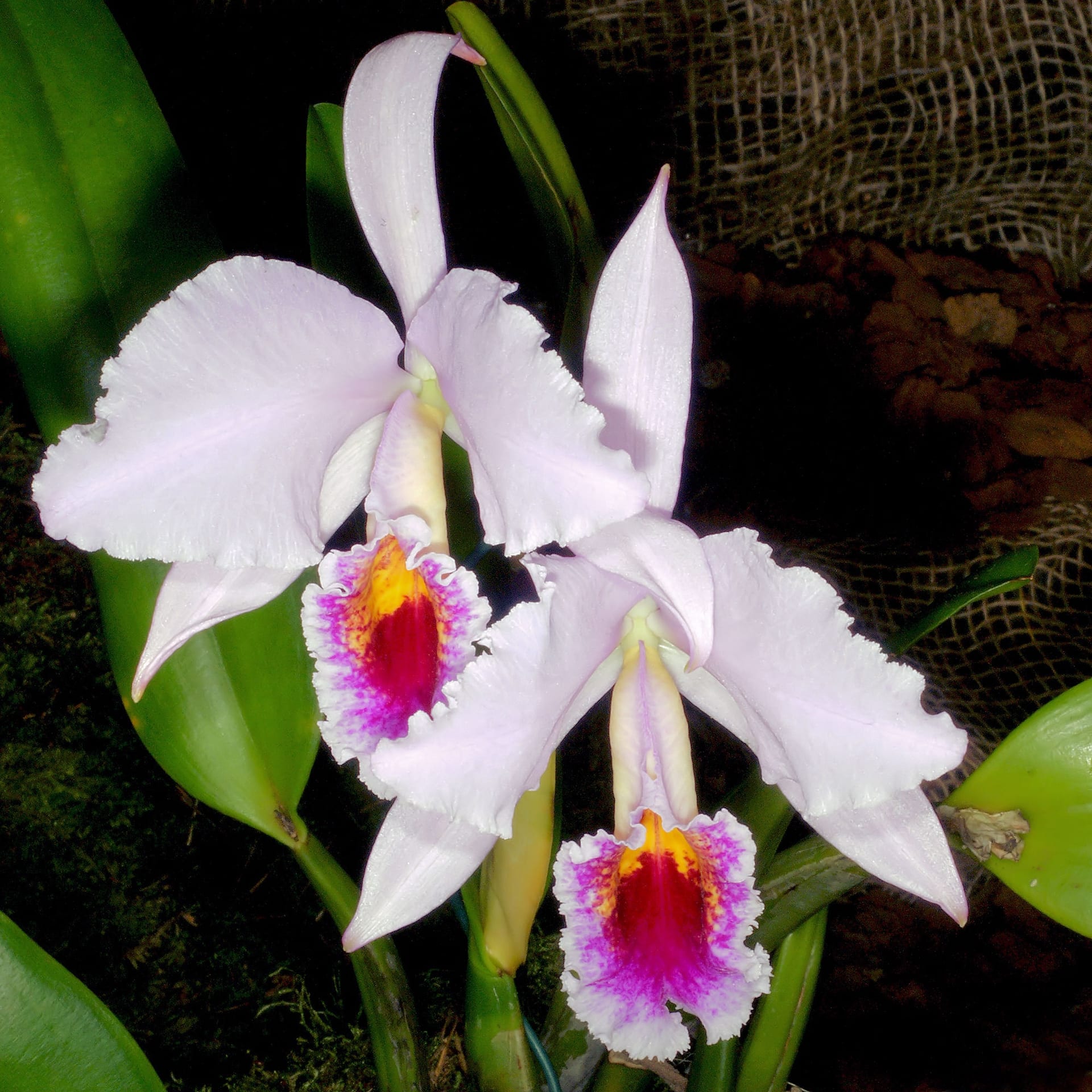 © Orchi / CC BY-SA 3.0
Christmas Cattleya
Cattleya percivaliana
A large-flowered species Cattleya from rocky highlands of Venezuela and Colombia. It bears one leaf per pseudobulb and a richly coloured purple-red lip, is also called the Christmas Cattleya, and varies widely in colour.
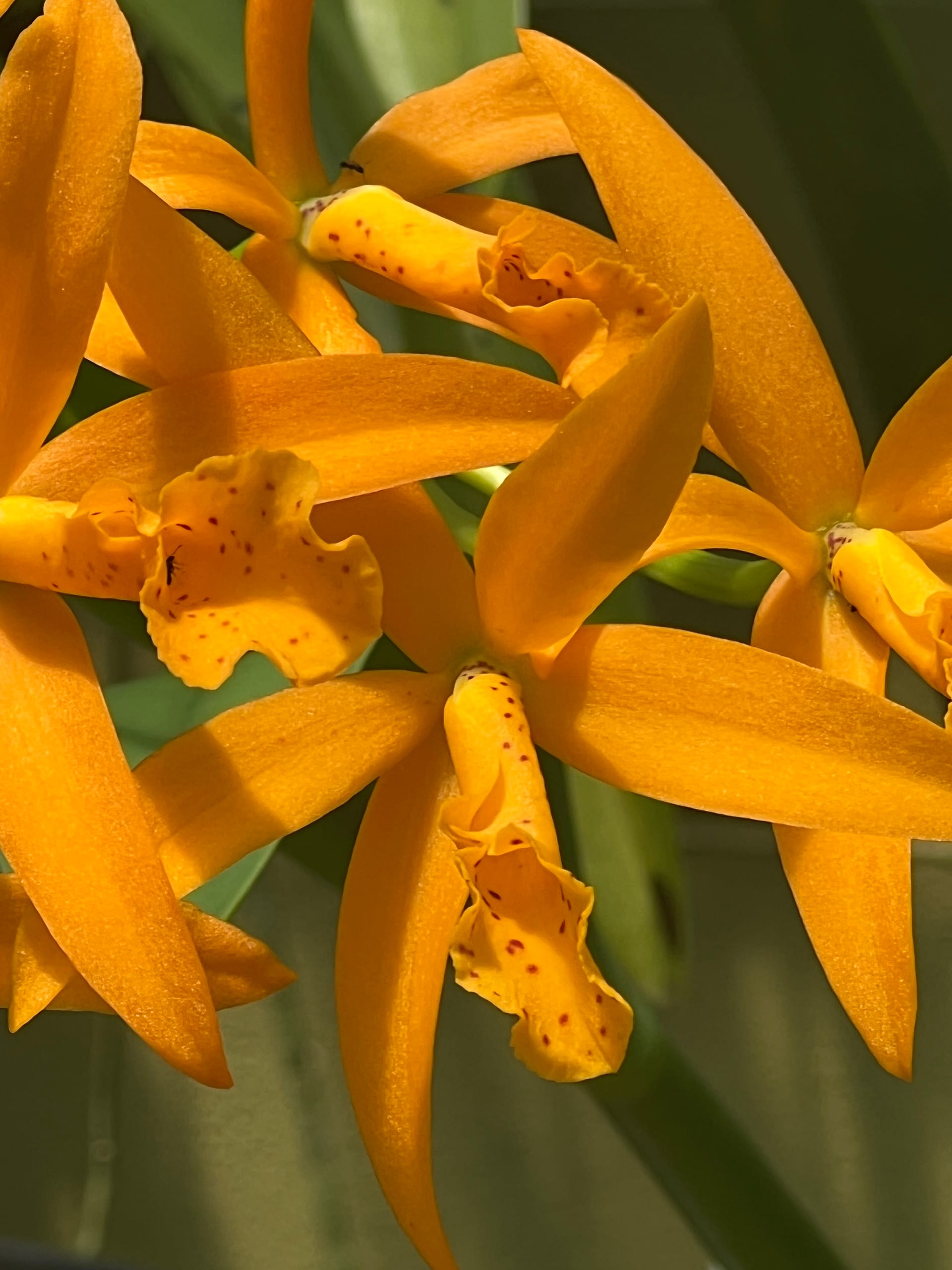 © Allthingsnative / CC BY-SA 4.0
Orange Guarianthe
Guarianthe aurantiaca
A sturdy species from Mexico and Central America bearing clusters of orange flowers about 2.5 cm across. Formerly a Cattleya, it is still often sold as Cattleya aurantiaca.
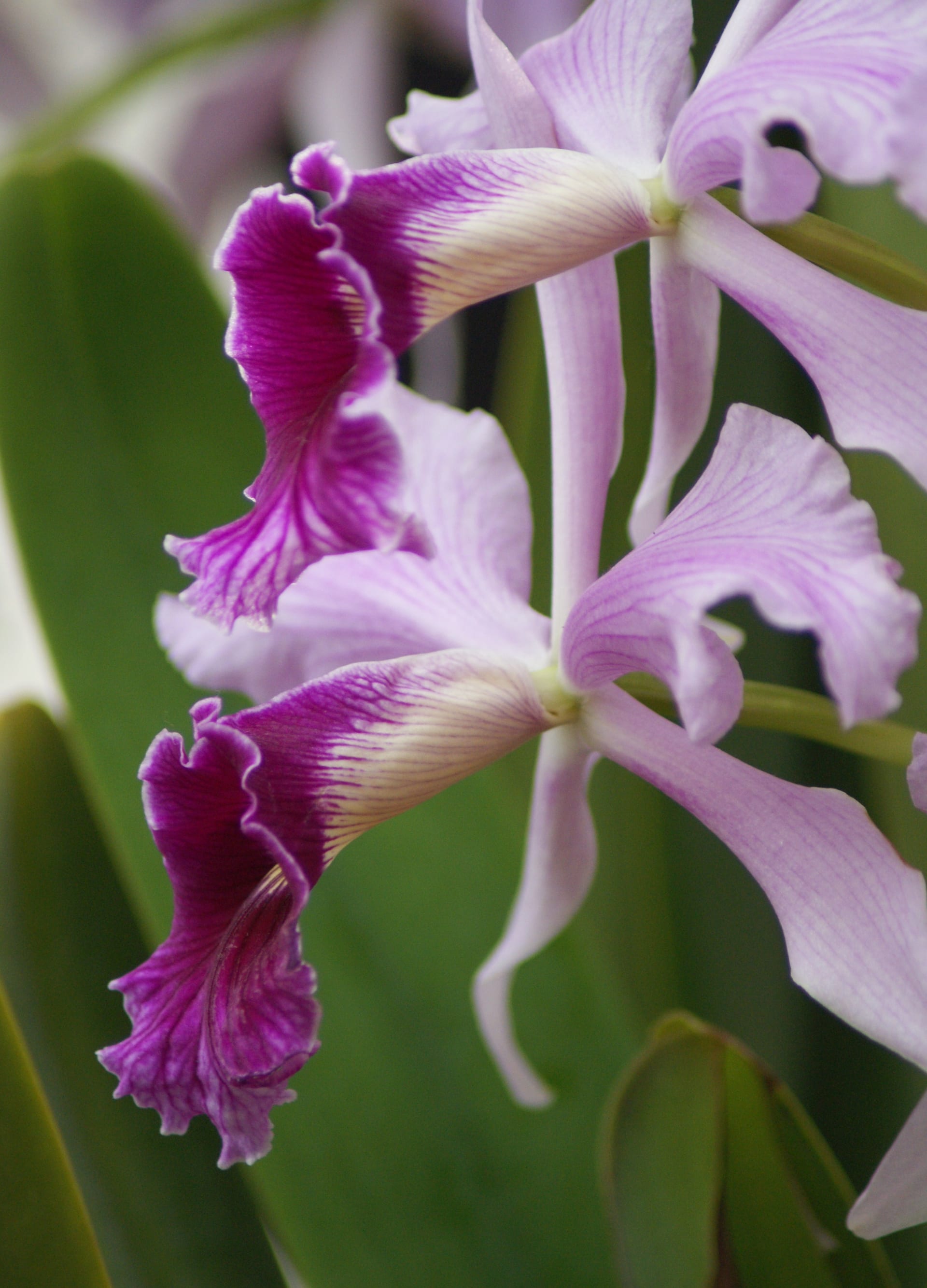 © Elena Gaillard from New York, USA / CC BY 2.0
Purpurata Cattleya
Cattleya purpurata
A large-flowered Cattleya from southern Brazil whose deep purple-red lip stands out against white or pale pink petals. Long known as Laelia purpurata, it is sold as many named forms such as alba and carnea.
Related Content
Orchid FAQ
- How much do orchids cost?
- Mini Phalaenopsis cost 1,000-5,000 yen, large Phalaenopsis 5,000-30,000 yen, Cattleya 3,000-20,000 yen, and rare species orchids tens of thousands of yen depending on type and size.
- Can beginners grow orchids?
- Phalaenopsis and Dendrobium are easy to manage indoors and recommended for beginners. Place in bright indirect light and water when the moss dries out for long-lasting blooms.
- How long do orchids live?
- With proper care, orchids can be grown for decades. Phalaenopsis bloom annually and can be propagated by division. Many enthusiasts have plants over 10 years old.
- What should I check when buying orchids?
- Check that roots are green and healthy, leaves are firm, and there are no disease spots. Choosing a blooming plant helps you see what to expect and is easier for beginners.
- How do I get orchids to rebloom?
- Cut the flower spike above a node after blooming and keep in bright shade. A day-night temperature difference in autumn encourages flower spike formation. Consistent fertilizing and watering are key.