Orchid Encyclopedia
Encyclopedia of popular orchid species with care guides, traits, and flowering tips.
Showing 3 of 140 species
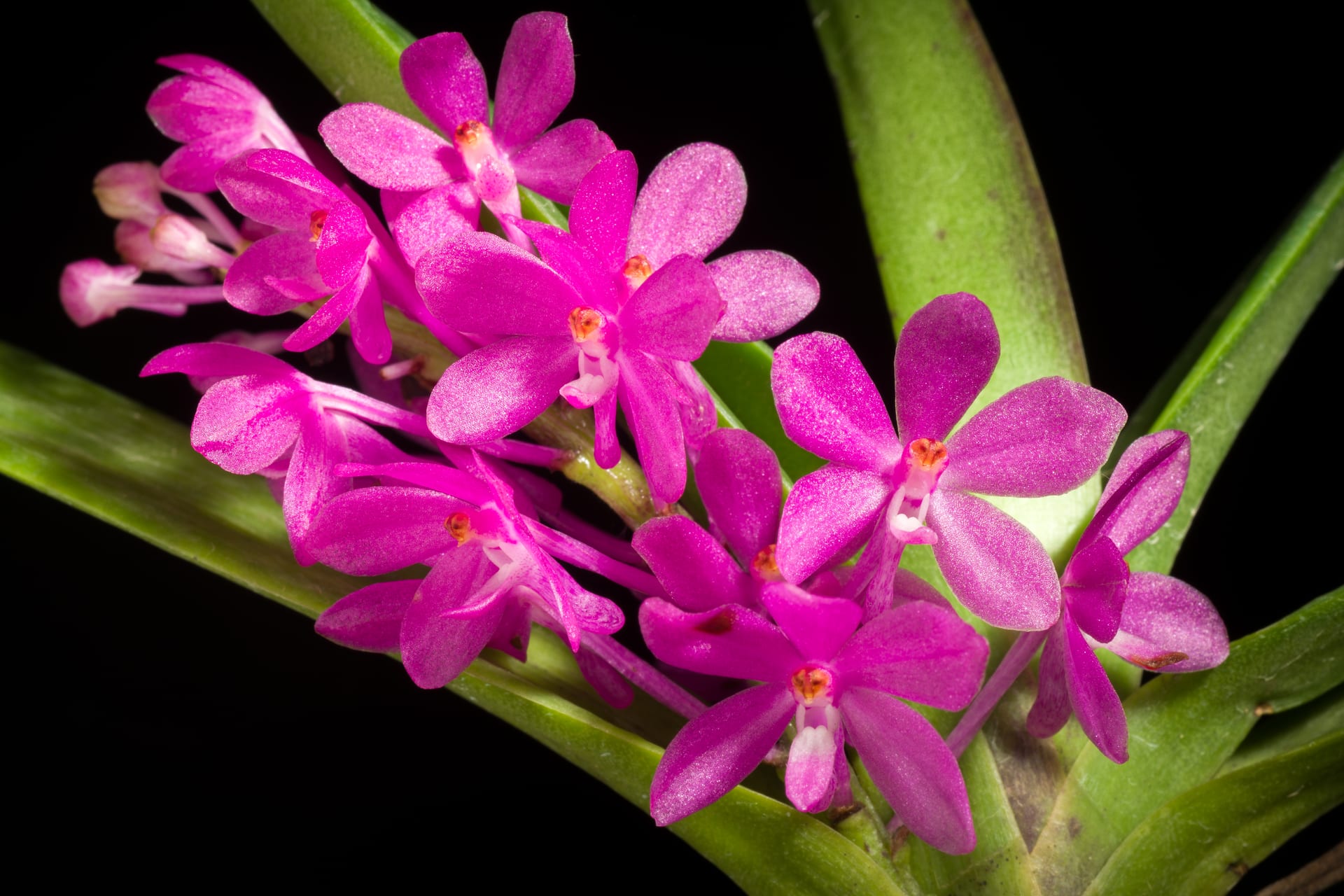 © Motohiro SUNOUCHI / CC BY 4.0
Ascocentrum ampullaceum
Vanda ampullacea
A miniature monopodial orchid ranging from the Himalaya to Indochina. Formerly placed in Ascocentrum, it packs small flowers onto stems shorter than the leaves. It is known as a parent of Ascocenda hybrids and is often still sold under the old genus name.
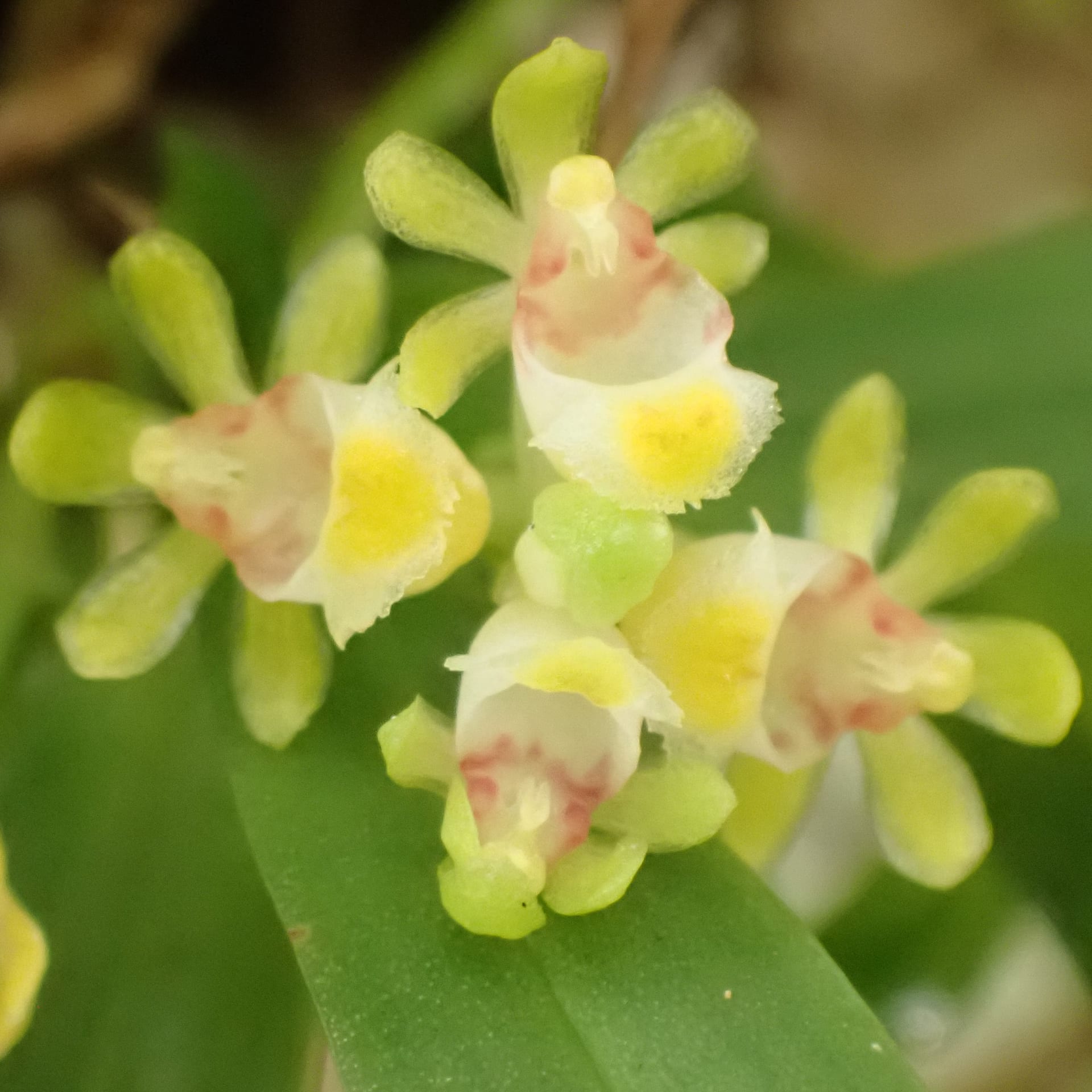 © M108t / CC BY 4.0
Japanese Gastrochilus
Gastrochilus japonicus
A small orchid growing on the trunks and branches of evergreen trees. It has leathery leaves like those of an evergreen oak in two rows and in summer opens clusters of pale yellow flowers about 1 cm across; the pouched lip is marked red-purple inside.
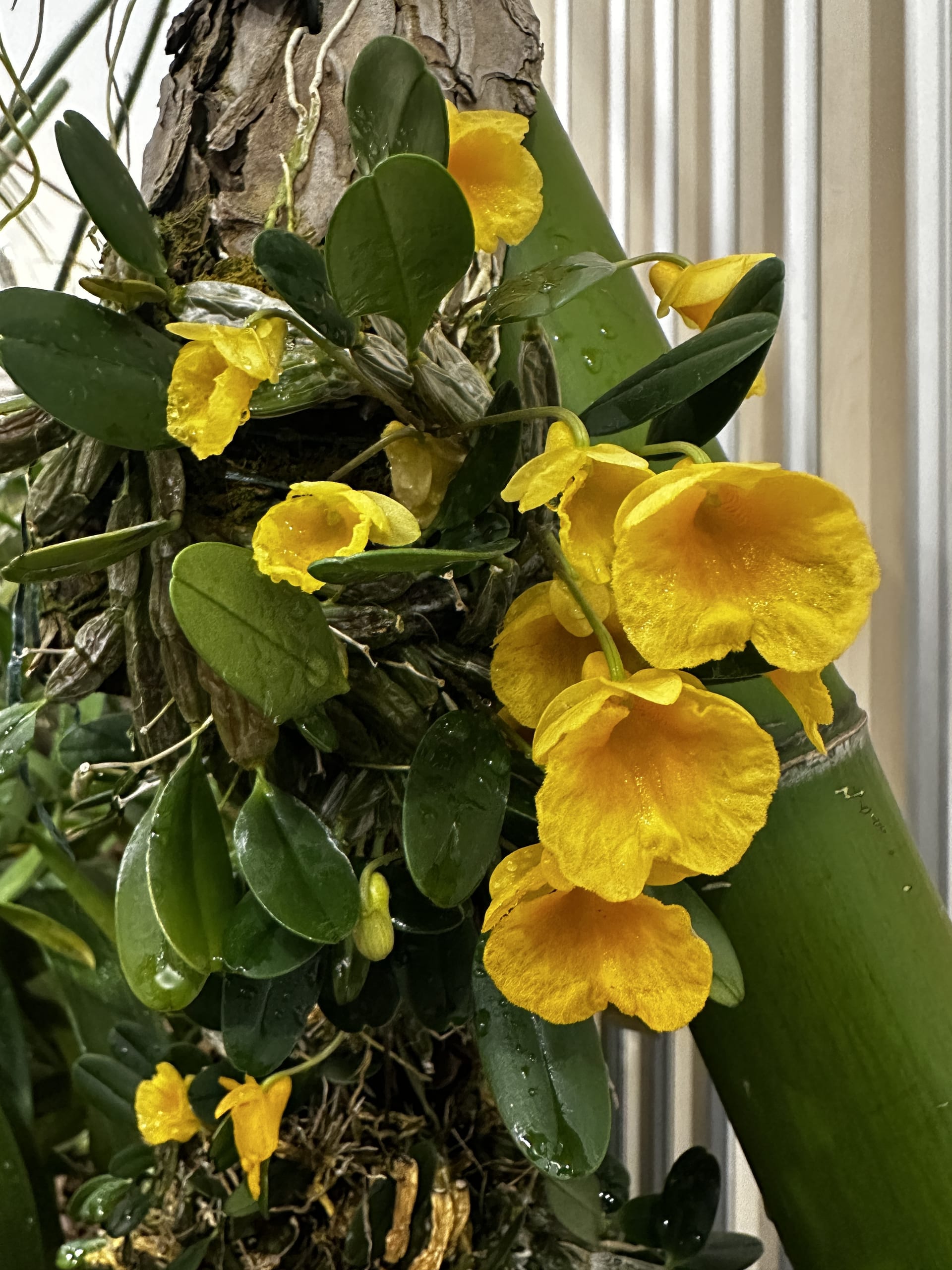 © Michael Wolf (Webseite) / CC BY-SA 3.0
Jenkins' Dendrobium
Dendrobium jenkinsii
A tiny Dendrobium with clusters of small flattened pseudobulbs. In early spring, one to five honey-scented yellow flowers appear beside each thick single leaf. It is usually sold mounted on cork.
Related Content
Orchid FAQ
- How much do orchids cost?
- Mini Phalaenopsis cost 1,000-5,000 yen, large Phalaenopsis 5,000-30,000 yen, Cattleya 3,000-20,000 yen, and rare species orchids tens of thousands of yen depending on type and size.
- Can beginners grow orchids?
- Phalaenopsis and Dendrobium are easy to manage indoors and recommended for beginners. Place in bright indirect light and water when the moss dries out for long-lasting blooms.
- How long do orchids live?
- With proper care, orchids can be grown for decades. Phalaenopsis bloom annually and can be propagated by division. Many enthusiasts have plants over 10 years old.
- What should I check when buying orchids?
- Check that roots are green and healthy, leaves are firm, and there are no disease spots. Choosing a blooming plant helps you see what to expect and is easier for beginners.
- How do I get orchids to rebloom?
- Cut the flower spike above a node after blooming and keep in bright shade. A day-night temperature difference in autumn encourages flower spike formation. Consistent fertilizing and watering are key.