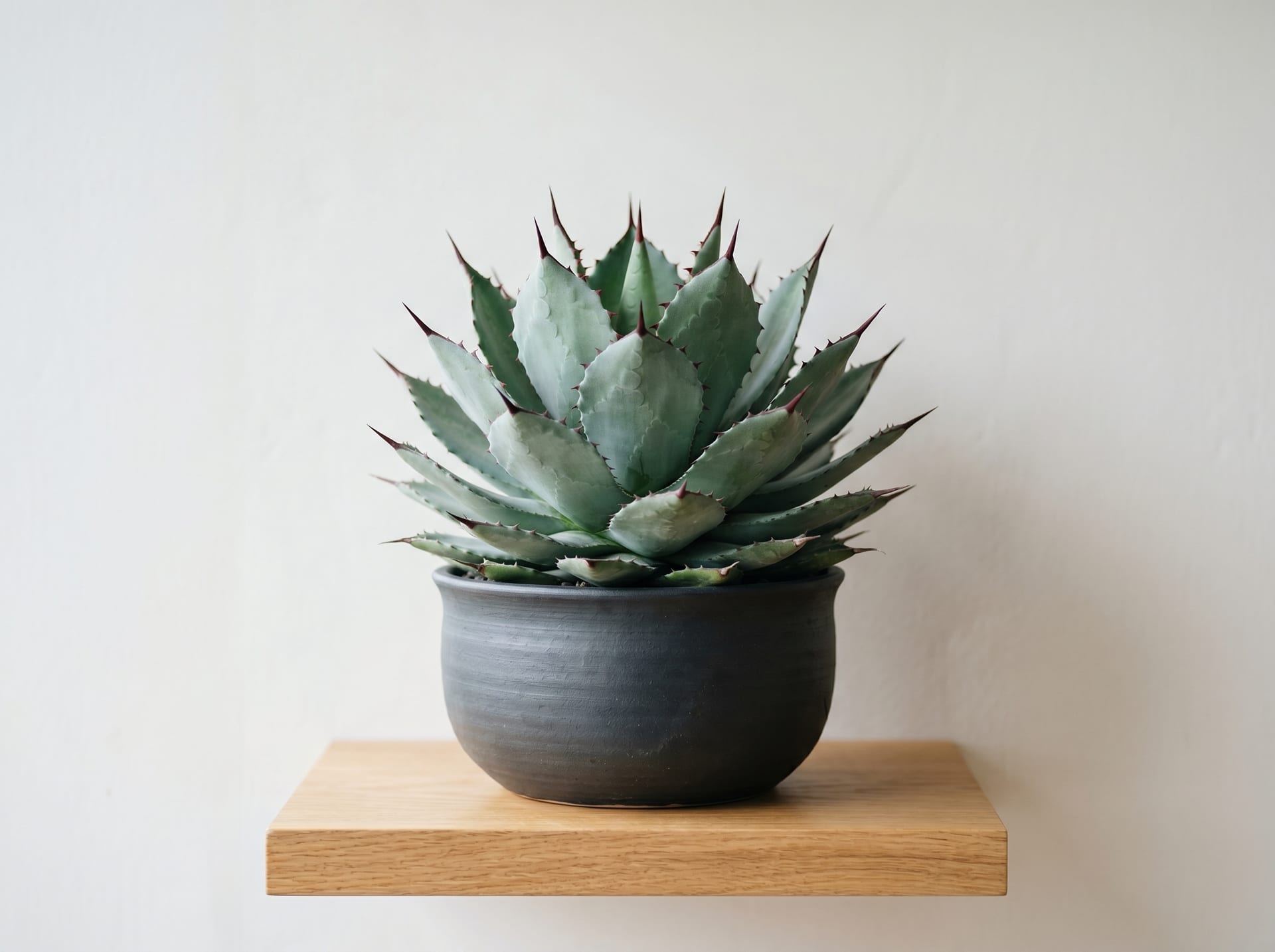
大理石龍舌蘭
Agave marmorata is a striking species from Mexico, prized for its sculptural rosette form and distinctive white marbled patterning etched across its broad leaves. Its compact growth habit and finely toothed leaf margins make it a favorite for both outdoor gardens and indoor displays. Highly drought-tolerant and low-maintenance, it is an excellent choice for beginners exploring the world of agaves.
- 價格行情
- ¥6,000〜¥6,000
前 3 筆銷售免佣金!於2026年8月31日前登記生產者→前3筆成交的手續費免費!
栽培者 招募中!
在 ボタちょく 上架,直接銷售給全國的客戶吧!
ボタちょく承諾的 6 項透明性重點
龍舌蘭出品中栽培者將明示以下資訊。確保品種、產地、所需光量、栽培難度的透明度。
- 品種明示
- 實物照片
- 色澤
- 產地明示
- 所需光量
- 難度明示
Browse all 15 varieties
龍舌蘭分類正在招募認證栽培者
栽培者正在陸續註冊,即將上架。設定上架通知,不錯過新商品。
「接收上架通知」需免費註冊會員即可設定。當有符合您儲存條件的新商品上架時,我們會以郵件和站內通知提醒您。
已註冊的栽培者(搶先看)
關於大理石龍舌蘭
Agave marmorata is a large-growing agave native to the rocky, arid slopes of Oaxaca and Puebla in southern Mexico. Its species name, marmorata, derives from the Latin word for "marbled," a direct reference to the distinctive white-to-cream mottling etched across its grey-green leaves. The broad, slightly arching, succulent leaves form an impressive rosette that can reach 1–1.5 meters in diameter, creating a bold sculptural focal point in any garden. Leaf margins are lined with regular, fine teeth, and each tip ends in a rigid brownish terminal spine. True to its desert origins, marmorata demands full sun, excellent drainage, and infrequent watering — conditions that reward growers with a naturally compact, architectural form. Though slow to reach maturity, it has grown steadily in popularity worldwide as a premium ornamental agave, valued for both its striking foliar pattern and its easygoing, drought-tough character.
開始照料大理石龍舌蘭前需要了解的3件事
1Water Sparingly
Agave marmorata is highly susceptible to root rot if overwatered. During spring through autumn, allow the soil to dry out completely before watering; in winter, reduce watering to a bare minimum.
2Maximize Sunlight
Marmorata thrives in full sun and will etiolate — losing its compact rosette shape — if light is insufficient. Place it outdoors in direct sun or near a bright south-facing window indoors.
3Beware the Spines
Marmorata has a sharp terminal spine at each leaf tip and serrated margins along the edges. Always wear thick gloves when handling it, and keep it out of reach of children and pets.
大理石龍舌蘭的常見問題
- Q.Can marmorata be grown indoors?
- A.Yes, marmorata can be grown indoors near a bright, south-facing window. However, insufficient light will cause the rosette to etiolate, so outdoor placement in full sun is preferable when possible.
- Q.How large does marmorata get?
- A.At maturity, marmorata can form a rosette 1–1.5 meters across. Growth is very slow, and plants kept in containers typically stay smaller than those planted in the ground.
- Q.Does marmorata produce offsets easily?
- A.Marmorata is known to produce basal offsets, though frequency varies by individual. Once offsets are large enough, they can be separated and potted up to propagate new plants.
- Q.How should I overwinter marmorata?
- A.In regions with frost, move the plant indoors or into a greenhouse for winter and reduce watering significantly. Keeping temperatures above 5°C will help ensure safe overwintering.
- Q.Does the marbled pattern on leaves change over time?
- A.The intensity of the marbled patterning can vary depending on the plant's age and light exposure. Providing ample direct sunlight tends to bring out the contrast in the markings more vividly.