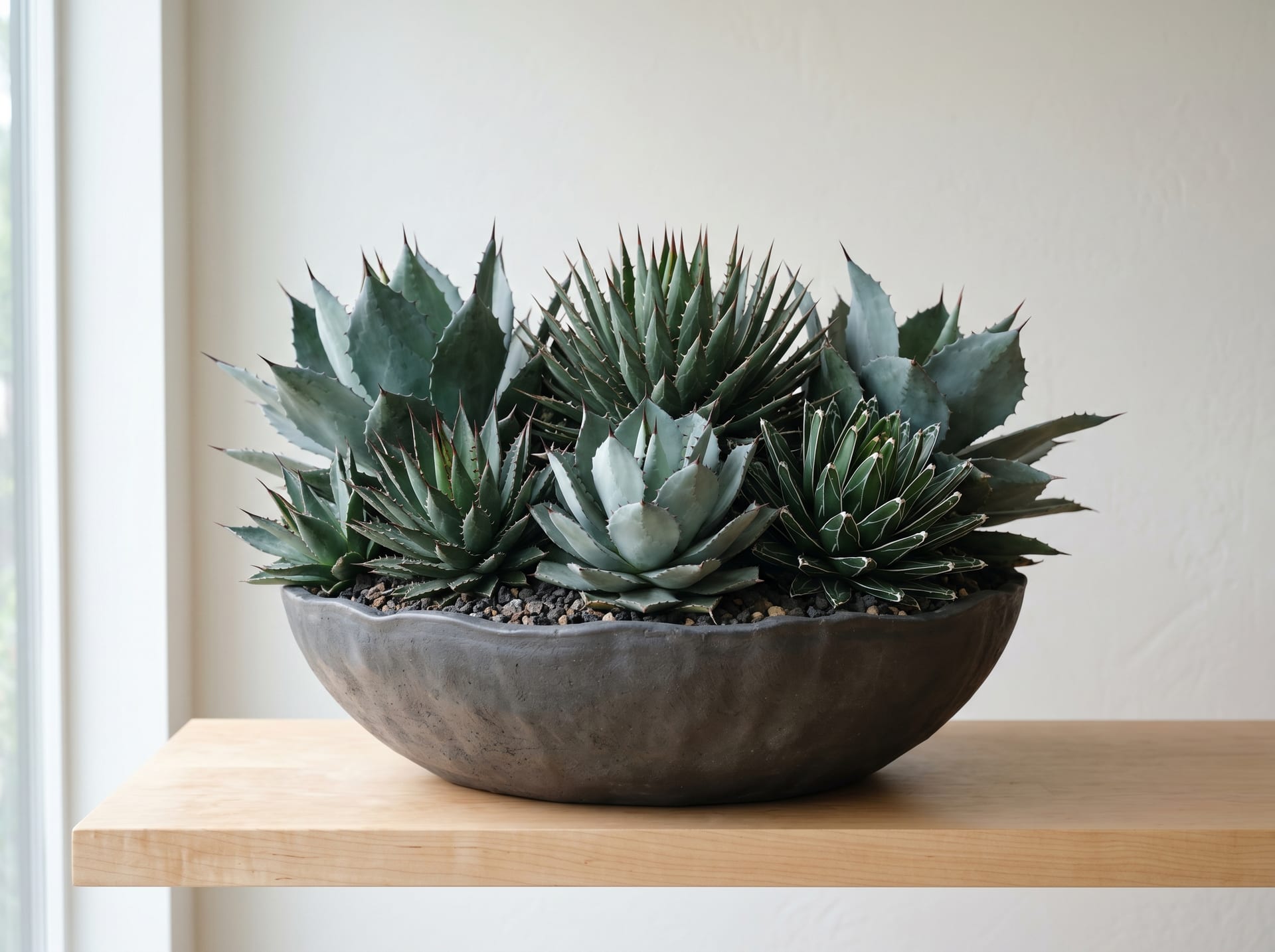
其他龍舌蘭
This category covers the wide variety of agave species beyond popular names like Titanota and Ovatifolia, each showcasing unique leaf shapes, colors, and spine forms. Many of these species grow slowly and are quite hardy, making them accessible options for beginner succulent enthusiasts.
- 價格行情
- ¥6,000〜¥6,000
前 3 筆銷售免佣金!於2026年8月31日前登記生產者→前3筆成交的手續費免費!
栽培者 招募中!
在 ボタちょく 上架,直接銷售給全國的客戶吧!
ボタちょく承諾的 6 項透明性重點
龍舌蘭出品中栽培者將明示以下資訊。確保品種、產地、所需光量、栽培難度的透明度。
- 品種明示
- 實物照片
- 色澤
- 產地明示
- 所需光量
- 難度明示
Browse all 15 varieties
龍舌蘭分類正在招募認證栽培者
栽培者正在陸續註冊,即將上架。設定上架通知,不錯過新商品。
「接收上架通知」需免費註冊會員即可設定。當有符合您儲存條件的新商品上架時,我們會以郵件和站內通知提醒您。
已註冊的栽培者(搶先看)
關於其他龍舌蘭
Agaves are plants in the family Asparagaceae native to Mexico and the broader region from North to Central America, naturally adapted to harsh environments like deserts and rocky terrain. "Other Agave" refers to the diverse array of varieties beyond popular collector's favorites like titanota and ovatifolia—including distinctive species such as Black and Blue, parryi, and geminiflora. Their appearance varies dramatically: leaf colors range from silvery-blue to reddish-green, and spine shapes run the gamut from sharp and elongated to short and stubby. As a group, they are hardy and low-maintenance, tolerating drought, strong sunlight, and lean soil with ease. Many are monocarpic—flowering only once in their lifetime before the main rosette dies—though some produce offsets (pups) that carry the plant's lineage forward. Their remarkable diversity of form and texture makes them a favorite among collectors looking to add depth and variety to their arrangements.
販售其他龍舌蘭的精選生産者
查看所有販售其他龍舌蘭的生産者清單(1件)→開始照料其他龍舌蘭前需要了解的7件事
1Know Your Specific Species
This category includes dozens of distinct species, so identifying the exact species before purchase is essential. Cold hardiness, mature size, and spine intensity vary greatly between them. Always check the label or listing for the Latin species name before buying.
2Provide Plenty of Sunlight
Most agaves thrive in bright, direct sunlight. Outdoors, choose a full-sun location; indoors, a south-facing window works best. Insufficient light causes etiolation, resulting in stretched, weak growth that diminishes the plant's natural form.
3Water Sparingly
Agaves are highly susceptible to root rot from overwatering. During the growing season (spring to autumn), water only after the soil has fully dried out, and reduce to once a month or less in winter. Always use a well-draining soil mix and a pot with drainage holes.
4Use Fast-Draining Soil
Mixing perlite or pumice into a commercial cactus mix at about 20–30% improves drainage significantly. Unglazed terracotta pots are excellent for agaves since they allow moisture to evaporate faster than plastic containers.
5Handle Spines with Care
Many agaves have sharp terminal spines and serrated leaf margins that can cause injury. Always wear thick gloves when repotting or moving plants, and position them out of reach of children and pets to avoid accidents.
6Slow Growth, Long Lifespan
Agaves typically grow slowly, and it is not unusual for a small plant to take several years to reach a display-worthy size. This also means a single specimen can be enjoyed for many years, with some species living for decades under good care.
7Monocarpic Flowering
Most agaves are monocarpic, meaning they flower only once in their lifetime and die afterward. Flowering can occur anywhere from several years to decades after planting, and a rapidly elongating flower stalk signals it is coming. Offsets produced around the base will survive the parent plant.
其他龍舌蘭的常見問題
- Q.Can beginners grow these agaves?
- A.Yes, most varieties are tough and forgiving, making them well-suited for beginners. As long as you avoid overwatering and ensure adequate sunlight, they require relatively little maintenance.
- Q.Can agaves be grown indoors?
- A.Indoor growing is possible near a bright window, but placing the plant in the sunniest spot available is important. If natural light is limited, a grow light can help prevent etiolation and keep the plant in good shape.
- Q.Do agaves need fertilizer?
- A.Fertilizer is not required, but applying diluted liquid fertilizer once a month during the growing season (spring to autumn) can support growth. Avoid over-fertilizing, as it can weaken leaves—use half the recommended dose or less.
- Q.How fast do these agaves grow?
- A.Agaves are generally slow growers. Depending on the variety and conditions, it can take several years for a small plant to reach a noticeably larger size. They are best enjoyed as a long-term, unhurried endeavor.
- Q.Do they produce offsets (pups)?
- A.This varies by variety. Some agaves readily produce offsets at the base, while others rarely do. When offsets appear, they can be separated from the parent plant and grown individually, giving you the opportunity to propagate your collection.