跳轉到主要內容
奧特羅伊龍舌蘭

奧特羅伊龍舌蘭

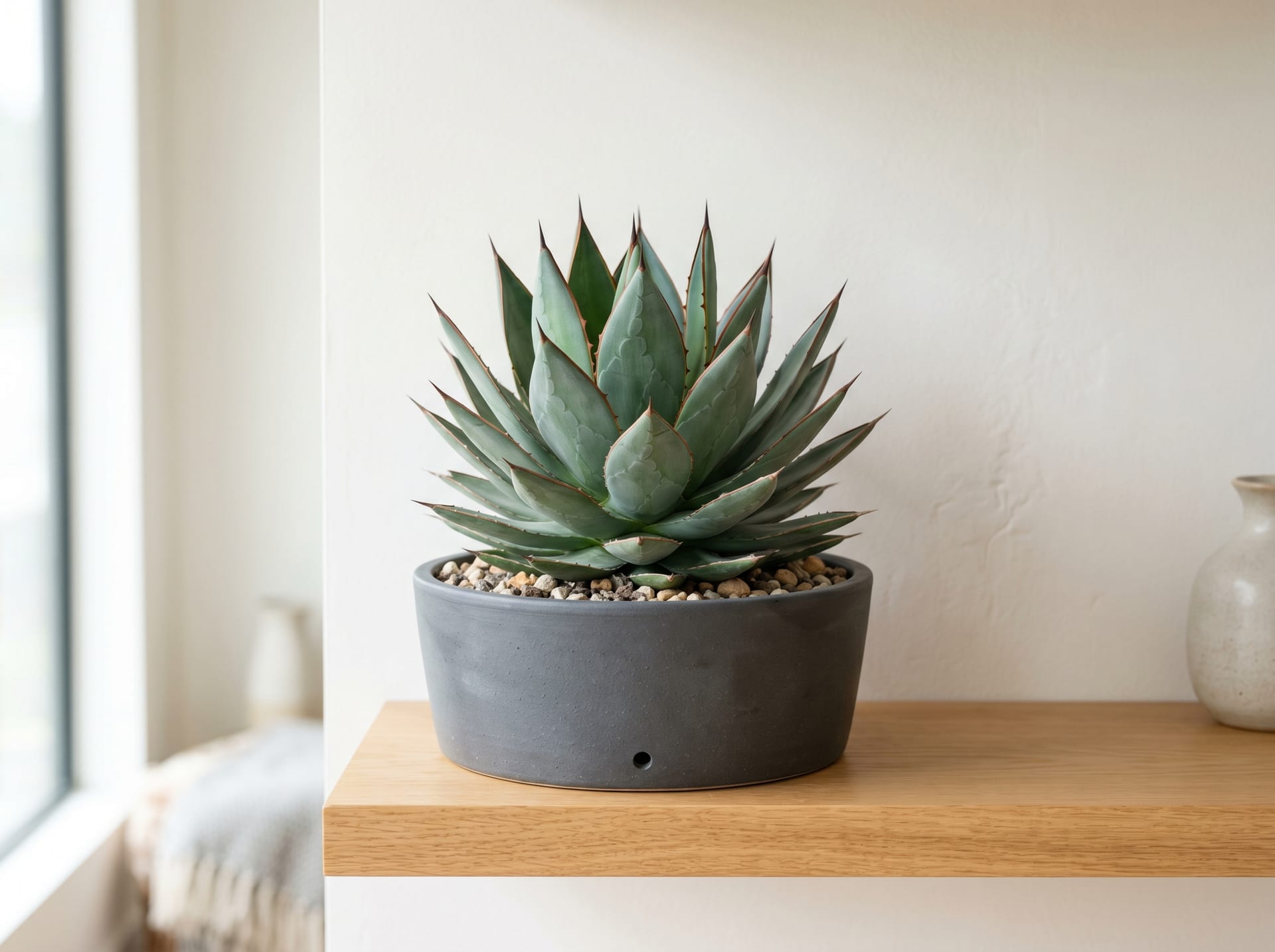
Agave oteroi is a small-to-medium Mexican agave prized for its deep green leaves adorned with vivid yellow margins. Its tidy, symmetrical rosette makes a striking display, attracting growers of all experience levels. Excellent drought and heat tolerance make it a rewarding choice for beginners entering the world of succulents.

價格行情
¥6,000〜¥6,000
限時優惠

前 3 筆銷售免佣金!於2026年8月31日前登記生產者→前3筆成交的手續費免費!

栽培者 招募中!

在 ボタちょく 上架,直接銷售給全國的客戶吧!

免費註冊無月費僅在銷售時收取佣金
立即免費註冊

ボタちょく承諾的 6 項透明性重點

龍舌蘭出品中栽培者將明示以下資訊。確保品種、產地、所需光量、栽培難度的透明度。

  • 品種明示
  • 實物照片
  • 色澤
  • 產地明示
  • 所需光量
  • 難度明示
0 items

龍舌蘭分類正在招募認證栽培者

栽培者正在陸續註冊,即將上架。設定上架通知,不錯過新商品。

「接收上架通知」需免費註冊會員即可設定。當有符合您儲存條件的新商品上架時,我們會以郵件和站內通知提醒您。

查看其他分類

已註冊的栽培者(搶先看)

想上架龍舌蘭嗎?

註冊成為栽培者,即可與買家直接聯繫。

申請成為栽培者

關於奧特羅伊龍舌蘭

Agave oteroi, native to Mexico, has earned a devoted following among succulent enthusiasts for its compact to medium stature and refined appearance. Its most striking feature is the vivid yellow margin that frames each deep, dark-green leaf, creating a crisp contrast that stands out whether the plant is grown in a pot or in the ground. The firm, symmetrical rosette radiates a sense of wild strength balanced with elegant structure, complete with the characteristic sharp terminal spine. Highly tolerant of drought and heat, it is forgiving for beginners as long as overwatering is avoided, making it a common first agave for newcomers to the genus. At the same time, the clarity and intensity of its yellow margins keep experienced collectors coming back. More sunlight directly improves the vibrancy of the margins and keeps the rosette tight and compact, so a bright, open position is always the best choice for this rewarding species.

販售奧特羅伊龍舌蘭的精選生産者

查看所有販售奧特羅伊龍舌蘭的生産者清單(1件)→

開始照料奧特羅伊龍舌蘭前需要了解的7件事

  1. 1Sunlight Is Everything

    Agave oteroi thrives with 4–6+ hours of direct sunlight daily. Insufficient light causes etiolation and dulls the yellow margins, so a south-facing window or an outdoor spot in full sun is ideal.

  2. 2Overwatering Is the #1 Killer

    Root rot from overwatering is the leading cause of death. Water thoroughly but only when the soil has fully dried during the growing season (spring–autumn), and reduce to roughly once a month in winter. Always use a pot with drainage holes and a fast-draining mix.

  3. 3Gritty Soil Mix Is Essential

    Blend commercial cactus-succulent mix with 20–30% pumice or Hyuga-soil to boost drainage. Avoid clay-heavy soils that retain moisture. Terracotta pots offer superior airflow compared to plastic ones.

  4. 4Mind the Spines and Leaf Tips

    The leaf tips carry sharp terminal spines that can cause injuries. Keep plants away from high-traffic areas and out of reach of children and pets. Always wear gloves when handling or repotting.

  5. 5Repot Every 2–3 Years

    When roots become pot-bound, growth slows noticeably. Repot into a slightly larger container every 2–3 years, ideally in spring (April–May). Hold off watering for about a week after repotting to let the roots settle.

  6. 6Light Fertilizing Is Sufficient

    Excess fertilizer promotes weak, stretched growth and can damage roots. A diluted liquid fertilizer at half the recommended strength, applied once a month during the growing season, is plenty. Withhold feeding entirely during winter dormancy.

  7. 7Blooms Once in a Lifetime

    Like all agaves, oteroi blooms only once after years of growth, sending up a tall flower spike before the main rosette dies. However, it typically produces offsets (pups) before flowering, allowing you to propagate and continue growing the species.

奧特羅伊龍舌蘭的常見問題

Q.Can it be grown indoors?
A.It can be grown indoors near a bright south-facing window, but insufficient light causes leggy growth and fading margins. Moving it outdoors during spring through autumn for full sun exposure is recommended whenever possible.
Q.How cold-hardy is Agave oteroi?
A.It can sometimes tolerate a light frost, but it is safest to keep it above 0°C (32°F). In winter, move it indoors or under eaves where frost cannot reach it, and keep the soil quite dry.
Q.How large does it get?
A.At maturity, the rosette typically reaches 30–60 cm (12–24 inches) in diameter. It is considered relatively compact within the agave genus, making it well-suited to balconies and indoor spaces.
Q.How do I propagate offsets?
A.When offsets growing at the base have developed to a reasonable size, detach them with a clean knife, allow the cut surface to dry for a few days, then plant in fresh well-draining soil. Water sparingly until roots have established.
Q.What pests and diseases should I watch for?
A.Root rot from overwatering is the most common problem. Among pests, scale insects and the agave weevil are the main concerns; check the leaf bases and root zone regularly. Act quickly upon detection by removing pests by hand or applying an appropriate pesticide.

奧特羅伊龍舌蘭栽培的實用工具

同分類的更多品種