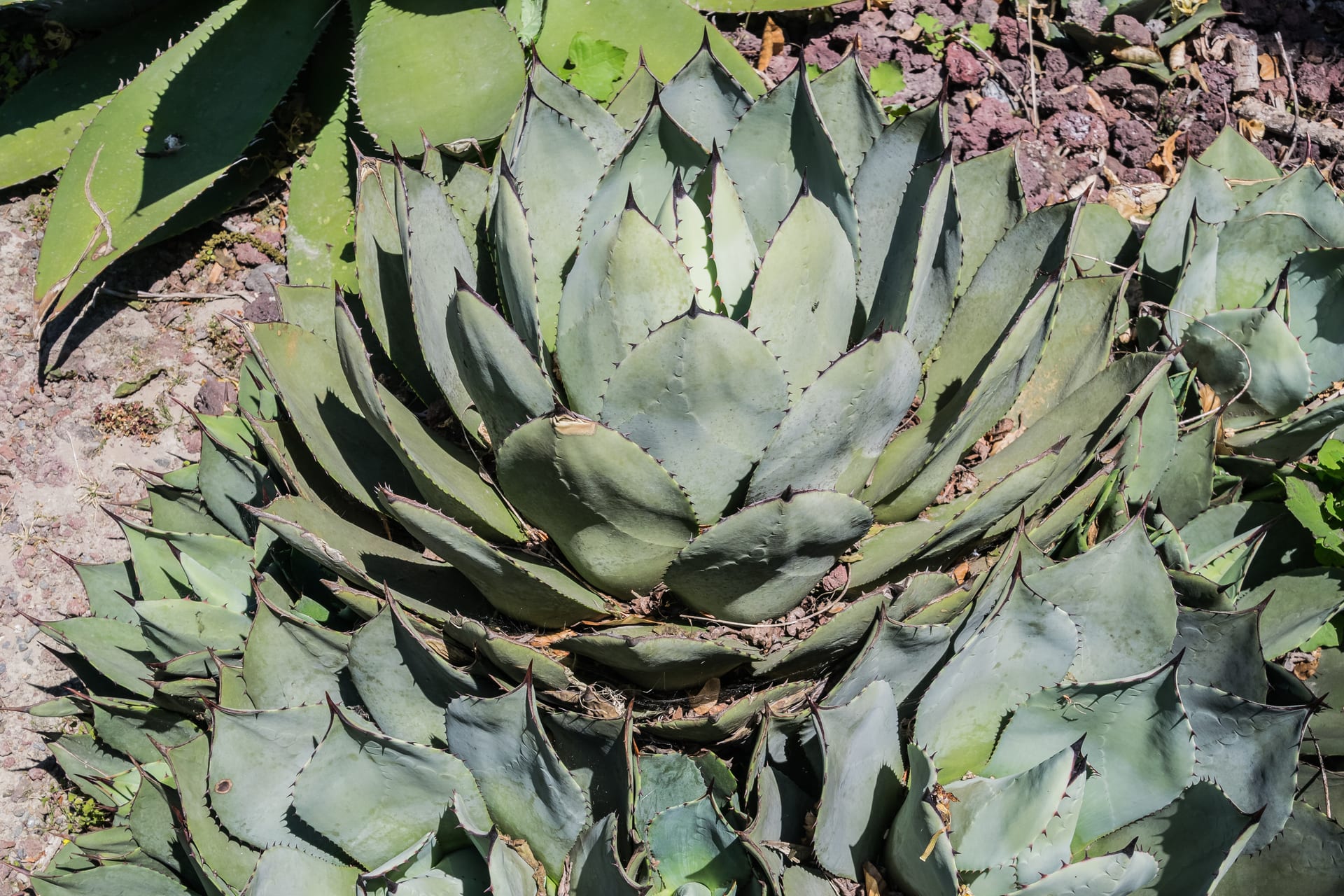
 © Krzysztof Golik / CC BY-SA 4.0
帕里龍舌蘭 吉祥天
Agave parryi var. huachucensis, known in Japan as Kisshoten, forms a tight, rounded rosette of short, broad gray-green leaves tipped with bold brown spines. As a variant of Agave parryi, it shares the species' toughness, and it readily produces offsets, gradually building into a clustered colony around the mother plant. It tolerates cold well and can even be grown outdoors in the ground in warmer regions, which has made it a long-standing favorite among agave growers in Japan. Rated beginner-friendly, it's a forgiving choice for anyone just starting out with agaves.
View 帕里龍舌蘭 吉祥天 encyclopedia →成交手續費 0%!2026年9月30日前註冊,前 2 株免佣金!
生產者 招募中!
在 GrowerDirect 上架,直接銷售給全國的客戶吧!
GrowerDirect承諾的 6 項透明性重點
龍舌蘭出品中生產者將明示以下資訊。確保品種、產地、所需光量、栽培難度的透明度。
- 品種明示
- 實物照片
- 色澤
- 產地明示
- 所需光量
- 難度明示
查看全部142個品種
龍舌蘭分類正在招募認證生產者
生產者正在陸續註冊,即將上架。設定上架通知,不錯過新商品。
「接收上架通知」需免費註冊會員即可設定。當有符合您儲存條件的新商品上架時,我們會以郵件和站內通知提醒您。
已註冊的生產者(搶先看)
帕里龍舌蘭 吉祥天的基本資料
- 栽培難度
- 適合新手
- 壽命
- 開花後的蓮座狀株體會枯死,但由於經常萌生子株,群生能夠持續很久。
- 體型
- 單株高約45cm、寬約60cm(以子株群生形式生長)
- 澆水
- 不需要大量施肥(生長期只需施用少量緩效肥料即可)
- 日照和擺放位置
- 在陽光充足處栽培。也可群生種植以覆蓋庭園的大片區域。
- 澆水
- 耐旱力強,地植時幾乎無需澆水。盆栽時則待土壤乾燥後再澆水。
- 溫度和越冬
- 美國種植者記載耐寒至約-9℃。在溫暖地區可庭植越冬。
- 用土和換盆
- 採用排水良好的用土。由於容易萌生子株,可用株分法增殖。
- 注意事項
- 葉尖的刺粗厚且銳利。狹葉龍舌蘭等其他品種有時會以「吉祥天」之名販售,購買時應確認是否為短寬灰色的葉片。
關於帕里龍舌蘭 吉祥天
Agave parryi var. huachucensis (Kisshoten): a compact rosette of gray leaves with bold brown spines. Cold-hardy, offsets freely, and easy for beginners.
開始照料帕里龍舌蘭 吉祥天前需要了解的7件事
1Light and Airflow
This agave thrives with plenty of direct sunlight, so give it the sunniest spot you can, whether outdoors or by a window, along with good airflow to prevent rot. If moving a plant outdoors after time indoors, acclimate it gradually to strong summer sun to avoid leaf scorch.
2Water on the Dry Side
The thick, water-storing leaves mean this agave needs watering only after the soil has fully dried out. Cut back further during winter dormancy to avoid root rot, and never let water sit in the saucer beneath the pot.
3Well-Draining Soil
Because it dislikes soggy conditions, use a fast-draining mix such as a commercial succulent or cactus blend, ideally with extra pumice or akadama added. Always plant in a pot with drainage holes so excess water can escape quickly.
4Repotting and Dividing Offsets
Since this variety produces offsets readily, repotting doubles as a chance to divide and pot up new plants once the container gets crowded. The best time is during the active growing season from spring through autumn; avoid the height of summer or winter, which are more stressful for the plant. Let cut surfaces on separated offsets dry for a few days before planting to reduce the risk of rot.
5Cold-Hardy Through Winter
This agave is notably cold-hardy; growers in the U.S. report it tolerating temperatures down to around -9°C, and it can overwinter outdoors in the ground in milder climates. In colder regions, though, prolonged exposure to frost or snow can damage the leaves, so moving it under eaves or indoors for winter is a safer bet. Reduce watering as the plant enters dormancy in autumn to keep growth calm through the cold months.
6Choose a Tight, Full Rosette
Look for a plant with tightly packed leaves forming a neat, round rosette, as this tends to settle in and grow more reliably. Firm, well-defined brown spines at the leaf tips are another sign of a healthy plant. Choosing one that already has offsets attached lets you enjoy the clustering habit sooner.
7Handle the Spines with Care
The bold brown spines at the leaf tips are a striking feature, but their tips are genuinely sharp, so place the plant somewhere away from foot traffic, and out of reach of small children or pets. Wearing thick gloves when repotting or handling the plant makes the job much easier.
帕里龍舌蘭 吉祥天的常見問題
- Q.Is this agave suitable for beginners?
- A.Yes, it's rated as beginner-friendly and is one of the easier agaves to grow. Give it plenty of sun and well-draining soil, and it will thrive without much special care.
- Q.How large does it grow?
- A.Each rosette reaches roughly 45cm in height and 60cm in width. Since it readily produces offsets, the overall cluster will keep spreading wider as it grows.
- Q.Does the plant die after it flowers?
- A.The individual rosette that flowers will die back afterward, which is typical of agaves. Because this variety produces offsets so readily, though, the colony as a whole continues on for a long time.
- Q.Can it be planted outdoors in the garden?
- A.Thanks to its cold tolerance, it's well suited to garden planting in warmer regions. In colder climates, consider some protection from frost and snow if planting it in the ground.
- Q.What should I do with the offsets it produces?
- A.You can simply let the offsets grow in place and enjoy the plant forming a natural cluster. Alternatively, once the pot gets crowded, you can separate the offsets and pot them up individually.
帕里龍舌蘭 吉祥天栽培的實用工具
在圖鑑中詳細了解帕里龍舌蘭 吉祥天
查看帕里龍舌蘭 吉祥天的圖鑑條目 →
收錄栽培難度、尺寸、原產地、日照等基礎資料。