跳轉到主要內容
吉祥天龍舌蘭

吉祥天龍舌蘭

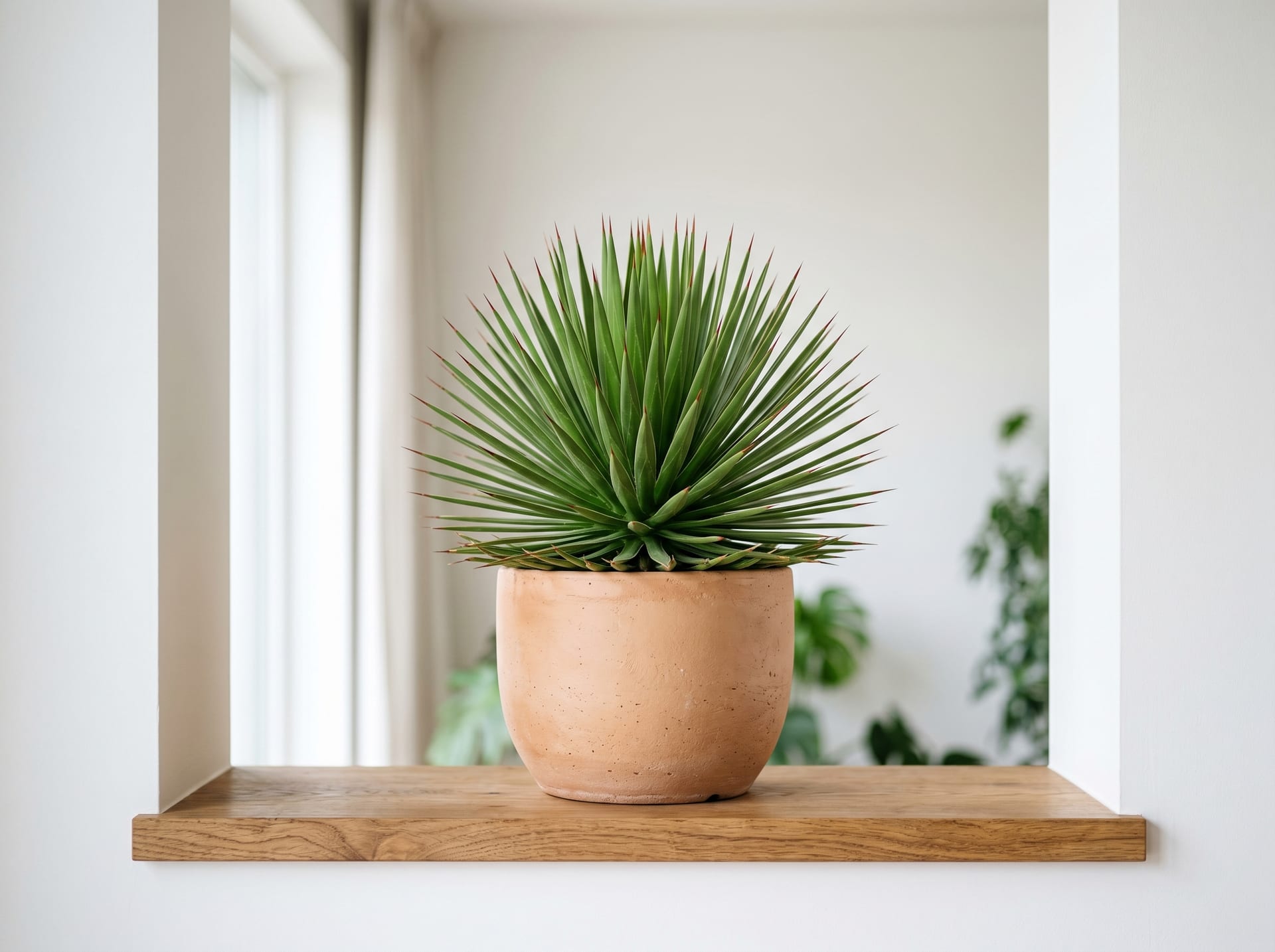
Agave stricta, known in Japan as Kissho-ten, is a compact and striking species native to Mexico, featuring slender blue-green leaves arranged in a tidy rosette. Its sharp terminal spines give it a bold, architectural look while staying relatively small, making it ideal for patios and indoor spaces. Hardy and easy to care for, it is a popular choice for first-time agave growers.

價格行情
¥6,000〜¥6,000
限時優惠

前 3 筆銷售免佣金!於2026年8月31日前登記生產者→前3筆成交的手續費免費!

栽培者 招募中!

在 ボタちょく 上架,直接銷售給全國的客戶吧!

免費註冊無月費僅在銷售時收取佣金
立即免費註冊

ボタちょく承諾的 6 項透明性重點

龍舌蘭出品中栽培者將明示以下資訊。確保品種、產地、所需光量、栽培難度的透明度。

  • 品種明示
  • 實物照片
  • 色澤
  • 產地明示
  • 所需光量
  • 難度明示
0 items

龍舌蘭分類正在招募認證栽培者

栽培者正在陸續註冊,即將上架。設定上架通知,不錯過新商品。

「接收上架通知」需免費註冊會員即可設定。當有符合您儲存條件的新商品上架時,我們會以郵件和站內通知提醒您。

查看其他分類

已註冊的栽培者(搶先看)

想上架龍舌蘭嗎?

註冊成為栽培者,即可與買家直接聯繫。

申請成為栽培者

關於吉祥天龍舌蘭

Agave stricta, affectionately called Kissho-ten in Japan, is a small to medium-sized species native to the Mexican state of Puebla and surrounding regions. Its Japanese name, meaning "Goddess of Good Fortune," reflects the admiration its perfectly symmetrical rosette has inspired among collectors for generations. The plant forms a dense sphere of narrow, blue-green leaves radiating outward in geometric precision, with finely serrated margins and a sharp terminal spine on each leaf tip. This architectural beauty is remarkably tough — drought-tolerant and low-maintenance, it suits busy modern lifestyles and thrives as both an outdoor specimen and an indoor accent plant. Like all agaves, it is monocarpic, sending up a dramatic flower spike only once in its lifetime before the parent plant dies, leaving behind offsets to carry on its legacy. That singular bloom event, combined with its elegant form, makes Agave stricta a compelling long-term companion for plant enthusiasts.

開始照料吉祥天龍舌蘭前需要了解的7件事

  1. 1Full Sun Is Essential

    Agave stricta thrives in full sun and benefits from at least 4–6 hours of direct sunlight per day. Insufficient light causes the leaves to etiolate and lose their compact, symmetrical form. Outdoors in a south- or east-facing spot is ideal.

  2. 2Water Sparingly

    Agave stricta is highly drought-tolerant. During the growing season (spring to autumn), water only after the soil has completely dried out. In winter, reduce watering to about once a month to prevent root rot. When in doubt, water less rather than more.

  3. 3Well-Draining Soil Is Key

    Well-draining soil is essential for Agave stricta. A commercial cactus or succulent mix blended with 20–30% pumice or coarse sand works well. Standard potting soil retains too much moisture and can cause root rot. Always use a pot with drainage holes and add a layer of gravel at the bottom.

  4. 4Watch Out for Leaf Spines

    The leaf tips of Agave stricta are extremely sharp and can cause puncture wounds if handled carelessly. Place the plant out of reach of children and pets, and always wear thick gloves when repotting or moving it. Take extra care during any hands-on maintenance.

  5. 5Cold Tolerance and Winter Care

    Agave stricta is fairly cold-hardy and can tolerate brief temperatures around 0°C. However, it is not frost-proof, so move it under eaves or indoors during periods of frost or prolonged cold. Growth slows or stops entirely during the winter dormancy period.

  6. 6When to Repot

    Repot when roots begin to emerge from the drainage holes or growth slows noticeably. Spring (March–May) is the best time. Move up one pot size and use fresh, well-draining soil. If any roots are damaged during repotting, let them air-dry for a day or two before replanting.

  7. 7Once-in-a-Lifetime Bloom

    Like all agaves, Agave stricta is monocarpic — it blooms only once in its lifetime, then dies after flowering. Blooming can take anywhere from several years to over a decade. Offsets (pups) produced around the base before and after flowering can be separated and grown on to continue the plant.

吉祥天龍舌蘭的常見問題

Q.Can Agave stricta be grown indoors?
A.Agave stricta can be grown indoors near a bright, south-facing window, but it truly thrives with as much direct sunlight as possible. Insufficient light will cause etiolation — the leaves stretch out and the plant loses its compact, symmetrical rosette shape.
Q.How often should I water Agave stricta?
A.During the growing season (spring to autumn), water every two to three weeks, only after the soil has completely dried out. In winter, reduce watering to about once a month. Overwatering and root rot are the most common problems, so it is always safer to water less than more.
Q.How do I propagate offsets from Agave stricta?
A.Allow the offsets (pups) that appear at the base to grow to a reasonable size, then cut them away cleanly with a sharp, sterile knife or cutter. Let the cut surface dry out for a few days before planting in dry, well-draining succulent soil. Water sparingly until roots establish, which typically takes a few weeks.
Q.Will the plant die after it flowers?
A.Yes, agaves are monocarpic, meaning the parent plant gradually dies after it blooms. However, it typically produces offsets before or around the time of flowering, so you can separate and grow those to continue the plant. The dying process after flowering usually takes several months.
Q.What type of pot is best for Agave stricta?
A.Unglazed terracotta pots are the best choice because they allow moisture to evaporate through the walls, improving drainage and aeration. Plastic pots retain moisture longer and increase the risk of overwatering. Regardless of material, always use a pot with drainage holes and empty the saucer after watering.

吉祥天龍舌蘭栽培的實用工具

同分類的更多品種