跳轉到主要內容
瓦羅莎龍舌蘭

瓦羅莎龍舌蘭

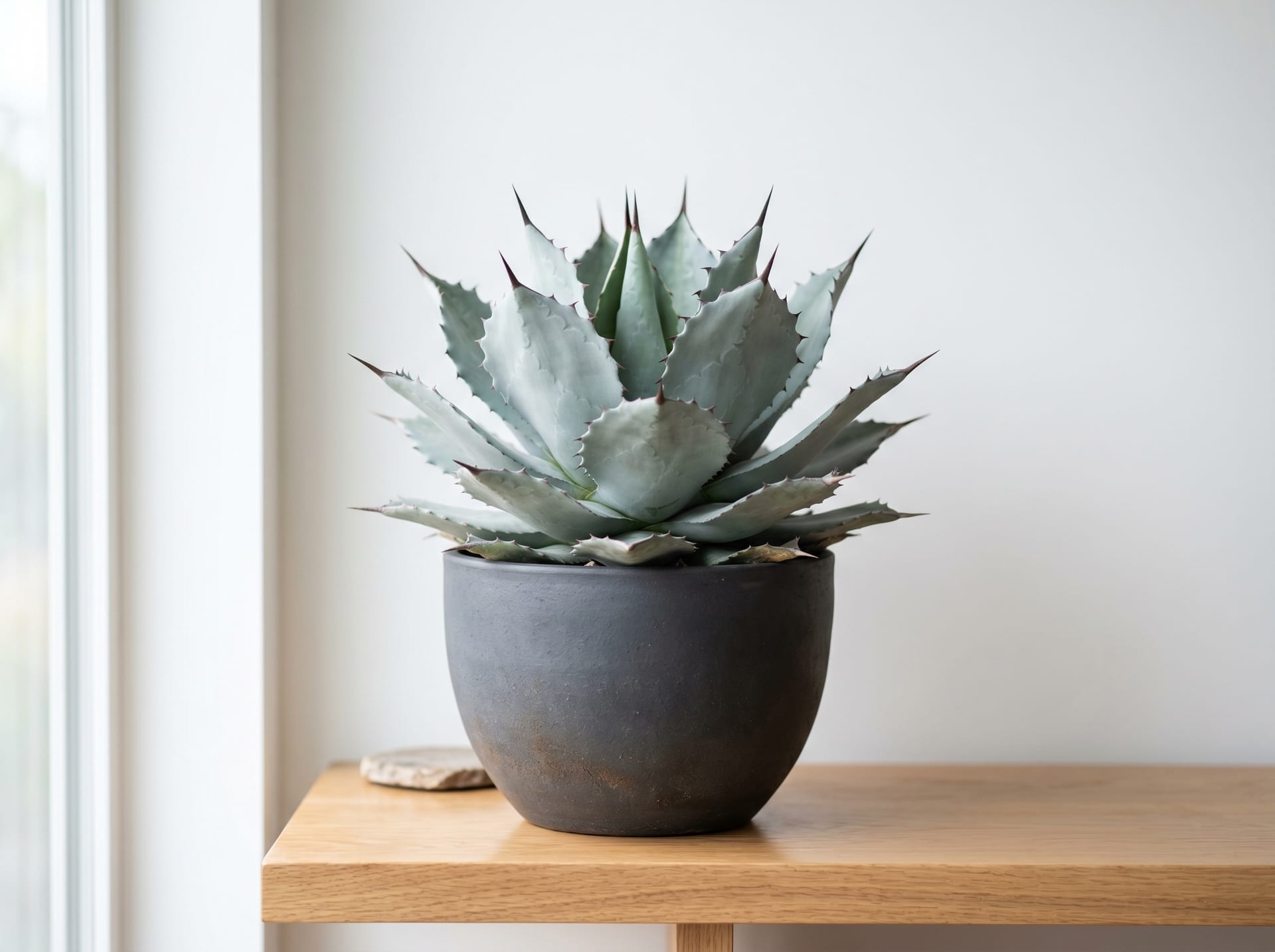
Agave ovatifolia, known as the Whale's Tongue Agave, is a large-growing species from Mexico prized for its broad, powdery blue-gray leaves and striking symmetrical rosette. Exceptionally cold- and drought-hardy, it is one of the few agaves that thrives planted directly in the ground in cooler climates.

價格行情
¥6,000〜¥6,000
限時優惠

前 3 筆銷售免佣金!於2026年8月31日前登記生產者→前3筆成交的手續費免費!

栽培者 招募中!

在 ボタちょく 上架,直接銷售給全國的客戶吧!

免費註冊無月費僅在銷售時收取佣金
立即免費註冊

ボタちょく承諾的 6 項透明性重點

龍舌蘭出品中栽培者將明示以下資訊。確保品種、產地、所需光量、栽培難度的透明度。

  • 品種明示
  • 實物照片
  • 色澤
  • 產地明示
  • 所需光量
  • 難度明示
0 items

沒有符合條件的商品

請調整篩選條件,或在有新商品時接收通知。

「接收上架通知」需免費註冊會員即可設定。當有符合您儲存條件的新商品上架時,我們會以郵件和站內通知提醒您。

查看其他分類

已註冊的栽培者(搶先看)

想上架龍舌蘭嗎?

註冊成為栽培者,即可與買家直接聯繫。

申請成為栽培者

關於瓦羅莎龍舌蘭

Agave ovatifolia originates from the high-altitude mountain ranges of Nuevo León in northern Mexico, where it endures extreme temperature swings, thin soils, and intense sun—conditions that shaped its remarkable resilience. Commonly called the Whale's Tongue Agave for its broad, nearly oval leaves, it forms a symmetrical rosette that can become truly imposing at maturity. The leaf surfaces are coated in a distinctive powdery blue-gray bloom, giving the plant an almost sculptural quality that makes it a standout specimen in any collection or garden. Growth is slow but steady; plants can take a decade or more to reach full size, rewarding patient growers with an ever-evolving form. Its exceptional cold hardiness—among the highest in the genus—opens up in-ground planting possibilities that few other agaves offer. Collectors prize individual specimens for variations in leaf width, bloom intensity, and spine character, making each plant a unique expression of the species.

開始照料瓦羅莎龍舌蘭前需要了解的7件事

  1. 1Expect a Large Mature Plant

    At maturity, Agave ovatifolia can reach 1–1.5 m wide and up to 90 cm tall. Whether grown in a pot or in the ground, plan ahead for its eventual spread and choose a location with adequate space from the start.

  2. 2Remarkable Cold Hardiness

    Agave ovatifolia is among the most cold-hardy agaves, tolerating temperatures down to around -15 to -18°C. This makes it suitable for in-ground planting in many temperate regions with only minimal frost protection.

  3. 3Water Sparingly

    During the growing season (spring to fall), water only after the soil has fully dried, then wait a few extra days before watering again. In winter, reduce watering to nearly zero—root rot from overwatering is the primary risk to avoid.

  4. 4Handle with Care — Sharp Terminal Spines

    The terminal spine at each leaf tip is hard and extremely sharp, capable of causing serious puncture wounds. Place the plant away from high-traffic areas, especially around children and pets, and always wear thick gloves when handling or repotting.

  5. 5Full Sun Is Essential

    Aim for at least 6 hours of direct sunlight daily. Insufficient light causes etiolation—leaves stretch and lose their compact rosette shape—and the desirable powdery blue-gray coating may fade.

  6. 6Soil and Pot Selection Matter

    Use a fast-draining mix—such as akadama, pumice, or coarse sand—combined with a breathable terra-cotta or unglazed pot to prevent excess moisture. If using commercial cactus mix, consider adding 10–20% extra grit for improved drainage.

  7. 7Monocarpic — Blooms Once, Then Dies

    Like all agaves, ovatifolia is monocarpic—it flowers once after many years (often several decades) and then dies. However, it typically produces offsets at the base before flowering, so separating and propagating these pups ensures the lineage continues.

瓦羅莎龍舌蘭的常見問題

Q.Is Agave ovatifolia suitable for beginners?
A.Yes, it is relatively forgiving as long as you provide full sun, excellent drainage, and restrained watering. The main considerations for beginners are planning for its eventual large size and the hazard of its sharp terminal spines.
Q.Can it overwinter outdoors in Japan?
A.It tolerates temperatures down to approximately -15 to -18°C, making outdoor overwintering feasible in most of Japan's Pacific coast regions with basic frost protection. In areas with prolonged heavy snowfall, moving potted plants under eaves or indoors is advisable.
Q.When should I remove offsets (pups)?
A.Pups are ready to separate when they reach roughly one-third to one-quarter the diameter of the parent plant. Detach them during the growing season (May–September) with a clean knife, allow the cut surface to callous for a few days, then plant in fresh, dry mix.
Q.Is it better grown in a pot or in the ground?
A.Pot culture gives you more control over soil and watering, making it the easier option for most growers. However, where winters are not too severe and drainage is good, in-ground plants often grow larger and more impressive over time.

瓦羅莎龍舌蘭栽培的實用工具

同分類的更多品種