跳轉到主要內容
沒藥樹

沒藥樹

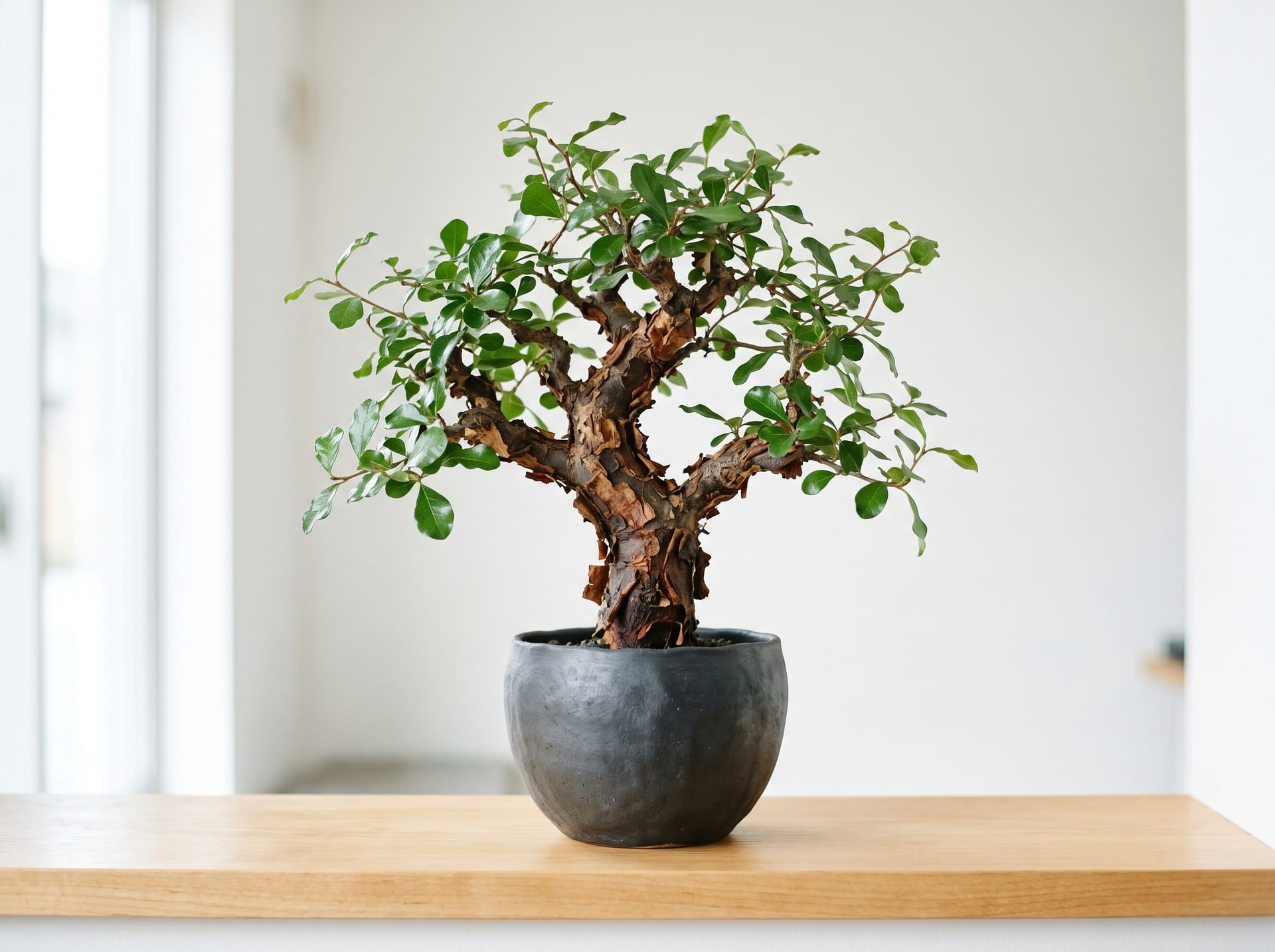
A myrrh-related caudex plant with peeling bark and distinctive trunk from Africa.

View 沒藥樹 encyclopedia →
限時優惠

前 3 筆銷售免佣金!於2026年8月31日前登記生產者→前3筆成交的手續費免費!

栽培者 招募中!

在 ボタちょく 上架,直接銷售給全國的客戶吧!

免費註冊無月費僅在銷售時收取佣金
立即免費註冊

ボタちょく承諾的 6 項透明性重點

塊根植物上架時栽培者會明確標示以下資訊。確保品種、產地、光照需求、栽培難度的透明度。

  • 品種標示
  • 實物照片
  • 色澤
  • 產地標示
  • 光照需求
  • 難度標示
0 items

沒有符合條件的商品

請調整篩選條件,或在有新商品時接收通知。

「接收上架通知」需免費註冊會員即可設定。當有符合您儲存條件的新商品上架時,我們會以郵件和站內通知提醒您。

查看其他分類

已註冊的栽培者(搶先看)

想上架塊根植物嗎?

註冊成為栽培者,即可與買家直接聯繫。

申請成為栽培者

沒藥樹的基本資料

栽培難度
適合高級者
壽命
30+ years
體型
20-60cm
澆水
Bark
Peeling bark
Light
Full sun
Watering
Very sparingly
Rarity
Hard to obtain
特徵CaudexCommiphoraMyrrhBark

關於沒藥樹

Commiphora is a shrubby caudiciform belonging to the family Burseraceae, with around 200 species native to the arid regions of Africa and the Middle East. It carries a rich history as the source of myrrh resin, used for millennia in religious ceremonies, perfumery, and even ancient Egyptian embalming practices. Its most striking feature is its papery, peeling bark that reveals fresh green or yellow-green layers beneath, creating a beautiful natural contrast. The trunk and branches swell to store water, producing a sculptural silhouette that captivates collectors. Mature plants typically reach 20–60 cm, making them manageable indoors. With adequate direct sunlight and careful attention to avoiding overwatering, Commiphora is a surprisingly resilient grower. With a lifespan exceeding 30 years, it becomes a long-term companion whose character deepens with every passing season.

開始照料沒藥樹前需要了解的5件事

  1. 1Bright Light Is Essential

    Commiphora is adapted to intense African sunlight and thrives in full outdoor sun or a bright south-facing window. Insufficient light causes etiolation, spoiling its sculptural silhouette. Outdoor placement during summer is ideal.

  2. 2Full Dormancy in Winter

    Once leaves drop in autumn, reduce watering dramatically and withhold water almost entirely through winter. Excess moisture during dormancy is the leading cause of root rot. Monitor trunk firmness and overwinter indoors above 5°C.

  3. 3Expect Very Slow Growth

    Even under ideal conditions, annual growth is only a few centimeters, and developing a thick trunk takes many years. Price varies significantly with size and age, so growing from a small seedling requires a decade-long perspective. Patience is the foundation of successful Commiphora cultivation.

  4. 4Summer Watering and Feeding

    During the summer growing season, water 2–3 days after the soil has fully dried out. Apply diluted liquid fertilizer (low nitrogen, higher phosphorus and potassium) once or twice a month to support caudex development. Avoid evening watering and watch for excess humidity during the hottest months.

  5. 5Handle with Caution

    Commiphora sap and resin can contain compounds that irritate skin and mucous membranes. Wear rubber gloves when pruning or repotting, and wash hands thoroughly afterward. Place the plant out of reach of pets and small children to prevent accidental ingestion.

沒藥樹的常見問題

Q.Can beginners grow Commiphora successfully?
A.Commiphora is manageable for beginners as long as the key requirements — strong light, restrained watering, and warmth in winter — are met. The biggest risk is root rot from overwatering, so those who naturally lean toward under-watering will find it relatively forgiving.
Q.My plant dropped its leaves in winter. Is it dead?
A.Winter leaf drop is a normal part of Commiphora's dormancy cycle. If the trunk still feels firm and shows green coloration, the plant is alive and healthy. New growth typically emerges once temperatures rise in spring.
Q.How often should I water Commiphora?
A.During the growing season (spring to summer), water 2–3 days after the soil has completely dried out. Gradually reduce frequency in autumn, and water minimally in winter — approximately once a month in small amounts. Always check soil dryness rather than following a fixed schedule.
Q.Can Commiphora be grown entirely indoors?
A.Indoor cultivation is possible, but placement near the brightest south-facing window is essential. Insufficient light causes etiolation and trunk thinning, so supplemental grow lights are a viable option. Moving the plant outdoors during summer months is ideal when possible.
Q.Does Commiphora need fertilizer?
A.Fertilizer is not strictly necessary, but applying diluted liquid fertilizer once or twice a month during the growing season can support growth. Avoid high-nitrogen formulas as they may soften the trunk; a balanced slow-release fertilizer for succulents or heavily diluted liquid feed is safer. Do not fertilize during dormancy.

沒藥樹栽培的實用工具

Learn more about 沒藥樹 in the encyclopedia

View 沒藥樹 encyclopedia entry →

Care difficulty, size, origin and light needs — all basics covered.

同分類的更多品種