跳轉到主要內容
胡迪亞

胡迪亞

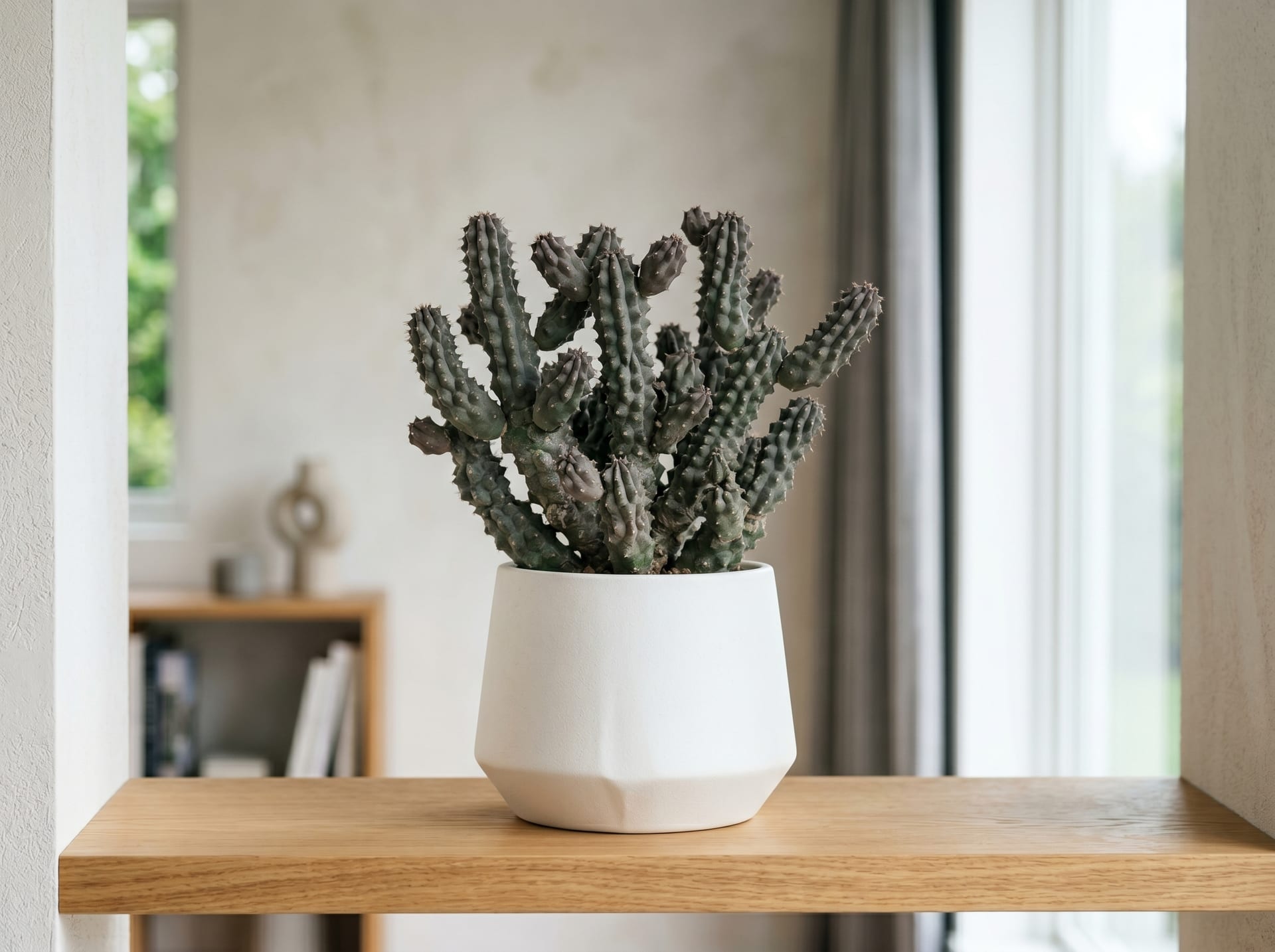
Hoodia is a succulent native to southern Africa, prized for its spiny, cactus-like columns and striking star-shaped flowers. It thrives with minimal watering, making it an ideal choice for busy plant lovers. Its rarity and unique appearance have made it increasingly popular among collectors worldwide.

限時優惠

前 3 筆銷售免佣金!於2026年8月31日前登記生產者→前3筆成交的手續費免費!

栽培者 招募中!

在 ボタちょく 上架,直接銷售給全國的客戶吧!

免費註冊無月費僅在銷售時收取佣金
立即免費註冊

ボタちょく承諾的 6 項透明性重點

塊根植物上架時栽培者會明確標示以下資訊。確保品種、產地、光照需求、栽培難度的透明度。

  • 品種標示
  • 實物照片
  • 色澤
  • 產地標示
  • 光照需求
  • 難度標示
0 items

沒有符合條件的商品

請調整篩選條件,或在有新商品時接收通知。

「接收上架通知」需免費註冊會員即可設定。當有符合您儲存條件的新商品上架時,我們會以郵件和站內通知提醒您。

查看其他分類

已註冊的栽培者(搶先看)

想上架塊根植物嗎?

註冊成為栽培者,即可與買家直接聯繫。

申請成為栽培者

關於胡迪亞

Hoodia is a succulent genus in the family Apocynaceae (formerly Asclepiadaceae), native to the arid regions of South Africa, Namibia, and Botswana. Historically, the San people of southern Africa chewed Hoodia stems during long journeys to suppress hunger and thirst. In the early 21st century, the appetite-suppressing compound P57 drew global scientific attention to the genus. The plant closely resembles a cactus, forming clumps of spiny, columnar stems that typically reach around 50 cm in height. When in bloom, it produces large pentagonal to star-shaped flowers 5–8 cm across, ranging from creamy white to deep pink and reddish-brown depending on the species. In cultivation, Hoodia thrives with strong light and minimal watering, making it relatively low-maintenance, though its sensitivity to cold requires indoor overwintering. Its rarity, striking form, and spectacular flowers make it a prized specimen among succulent and caudiciform collectors.

開始照料胡迪亞前需要了解的6件事

  1. 1Water Sparingly

    Hoodia is adapted to extreme drought and overwatering is the leading cause of root rot. Even during the growing season (spring to autumn), water only after the soil has been completely dry for a few days. In winter, stop watering entirely or reduce to once a month.

  2. 2Loves Full Sun

    Hoodia thrives in full, direct sunlight and will etiolate (stretch out) if light is insufficient. Place it outdoors in full sun or on a south-facing windowsill indoors. Gradually acclimate the plant to intense midsummer sun to avoid sunburn.

  3. 3Heat-Tolerant, Cold-Sensitive

    Reflecting its southern African origins, Hoodia loves hot, dry summers. However, it is highly sensitive to temperatures below 5°C and cannot tolerate frost. Be ready to bring it indoors before nighttime temperatures drop below 10°C.

  4. 4Blooming Takes Patience

    Hoodia typically requires 3–5 or more years of cultivation before it blooms. Adequate sunlight and appropriate dry stress are key to triggering flowering, and a greenhouse environment can help. The large, star-shaped flowers are a rewarding payoff for patient growers.

  5. 5Note the Flower Odor

    Hoodia flowers emit a strong odor resembling rotting meat to attract carrion flies for pollination. During flowering, avoid keeping the plant indoors without good ventilation. Even outdoors or in a greenhouse, placing it downwind is advisable.

  6. 6Check CITES Regulations

    Some Hoodia species are listed under CITES Appendix II, requiring export permits for international trade. When purchasing, choose plants from reputable domestic dealers with proper documentation. Buying illegally traded plants carries legal risk for the buyer.

胡迪亞的常見問題

Q.How often should I water Hoodia?
A.During the growing season (spring to autumn), water 2–3 days after the soil has completely dried out. In winter, stop watering entirely or reduce to once a month to prevent root rot.
Q.Can Hoodia be grown indoors?
A.Hoodia can be grown indoors near a bright south-facing window, though growth tends to be slower than with outdoor full sun. Insufficient light causes etiolation (stretching), so place it in the brightest spot available.
Q.How can I get my Hoodia to flower?
A.Flowering generally requires 3–5 or more years of cultivation. Providing ample direct sunlight and appropriate dry stress in summer helps trigger blooming. Patience is key—let the plant mature fully before expecting flowers.
Q.Why does Hoodia flower smell bad?
A.Hoodia flowers mimic the smell of rotting flesh to attract flies as pollinators—an evolutionary adaptation. Keep the plant outdoors or ensure good ventilation while it is in bloom to avoid the unpleasant odor indoors.
Q.What should I watch out for when buying Hoodia?
A.Some Hoodia species are regulated under CITES, so purchase only from reputable domestic dealers who can provide proper documentation. When buying online, choose listings that clearly state the species, which helps you apply the correct care guidelines.

胡迪亞栽培的實用工具

同分類的更多品種