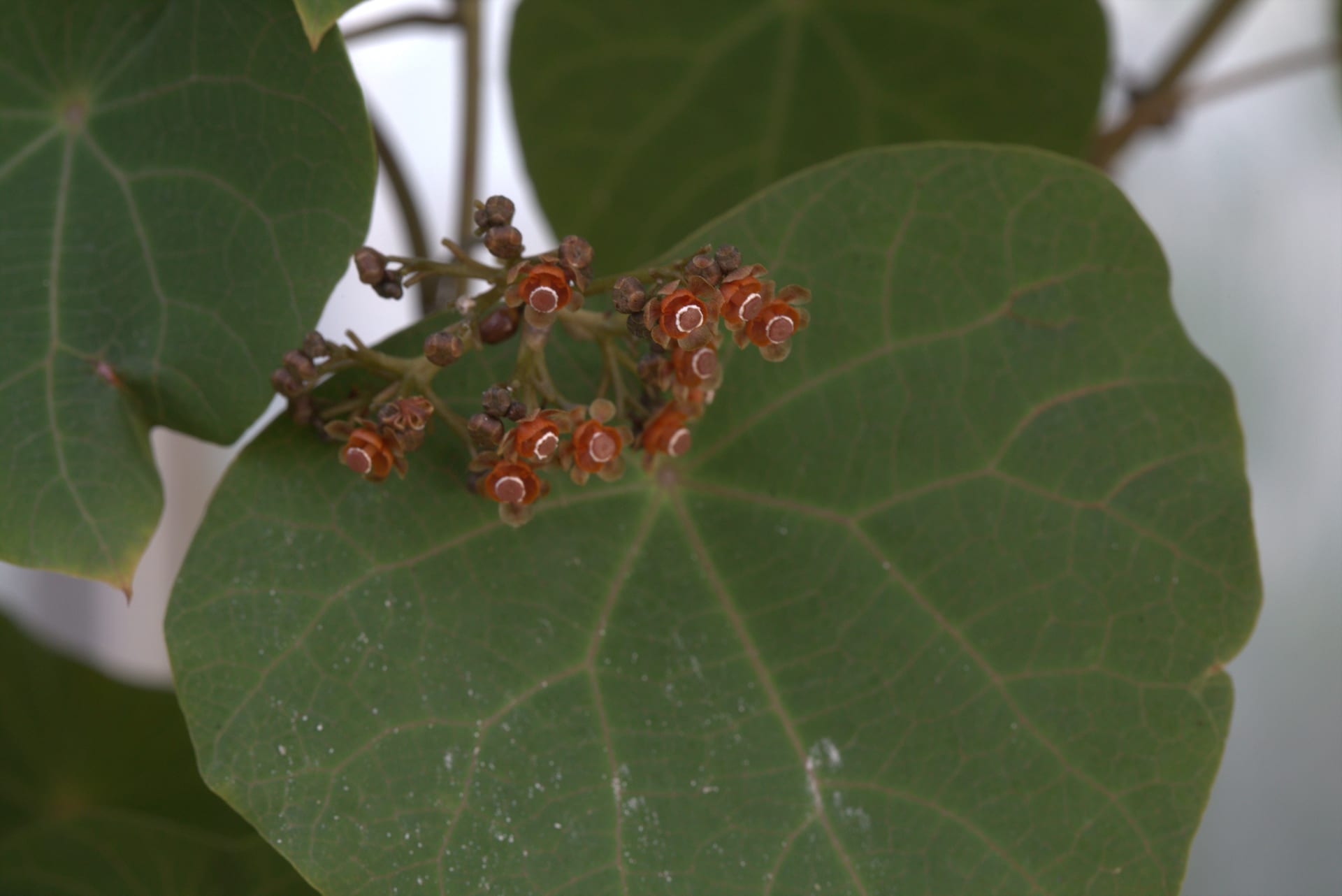
 © Averater / CC BY 3.0
血防己
Stephania venosa is a climbing caudex plant native to Southeast Asia. Its standout feature is a large, rounded, brown caudex, from which fresh vines emerge each year, filling out with round, heart-like leaves. Cut or bruised stems and leaves release a reddish sap, a trait behind local names that reference the word for blood. The vines can be trained up a support or left to trail from a hanging pot, and even in leafless winter dormancy the sculptural caudex alone is worth admiring. It calls for a bit more experience to grow well, but the caudex swells over the years into an increasingly characterful specimen.
View 血防己 encyclopedia →成交手續費 0%!2026年9月30日前註冊,前 2 株免佣金!
生產者 招募中!
在 GrowerDirect 上架,直接銷售給全國的客戶吧!
GrowerDirect承諾的 6 項透明性重點
塊根植物上架時生產者會明確標示以下資訊。確保品種、產地、光照需求、栽培難度的透明度。
- 品種標示
- 實物照片
- 色澤
- 產地標示
- 光照需求
- 難度標示
查看全部146個品種
已註冊的生產者(搶先看)
血防己的基本資料
- 栽培難度
- 適合中級者
- 壽命
- 多年生(壽命資料不多)
- 體型
- 葉片直徑約7~10公分。塊莖會長得相當大
- 澆水
- 生育期施肥適度
- 光照、擺放位置
- 由於是生長在林中的蔓性植物,應在避免強直射日光的明亮地點栽培。蔓莖伸長後,讓其纏繞支架等。
- 澆水
- 生育期當葉片出現時,用土乾燥後澆水。蔓莖枯萎休眠期間時應減少澆水。
- 休眠期管理
- 地上蔓莖每年更新,休眠期會枯萎。塊莖應保持較乾燥,等待新芽萌發。
- 溫度、越冬
- 由於是熱帶亞洲植物,不耐寒,冬季應在溫暖室內管理。
- 土壤、換盆
- 種植於排水良好的土壤,將塊莖上部露出土面可減少悶爛。
- 病蟲害、注意事項
- 受傷時會流出紅色液體,但這不是異常現象。市場流通的大型塊莖多為從自生地挖掘而來,因此應選擇已生根並有蔓莖生長活動的株株。
關於血防己
Stephania venosa is a Southeast Asian climbing caudex plant with a large, rounded brown caudiciform base, round leaves, and reddish sap when cut.
開始照料血防己前需要了解的7件事
1Light and Placement
Because Stephania venosa is a climber, training the vines up a support or letting them trail from a hanging pot shows off the foliage best. Strong midsummer sun through a window can scorch the leaves, so bright, filtered light such as through a sheer curtain suits it well. Good airflow around the plant also helps prevent problems from excess humidity.
2Watering
Because the caudex stores water, let the soil surface dry out before giving it a thorough watering rather than keeping it constantly moist. Prolonged wet conditions can damage the caudex, so make sure water drains freely from the bottom of the pot. Adjust the watering frequency between the growing season and dormancy.
3Soil
A well-draining soil mix is essential to keep the caudex from rotting in overly moist conditions. A blend of ingredients such as akadama, pumice, and perlite gives a good balance of moisture retention and drainage. A commercial succulent or caudex-specific potting mix is also a convenient option.
4Repotting
As the caudex grows and roots fill the pot, it's time to consider moving up to a slightly larger container. Repotting near the start of the growing season puts less stress on the plant. If any roots are damaged in the process, let the cut ends dry before replanting.
5Winter Dormancy
As temperatures drop, the vines and leaves may die back, leaving the plant dormant as just a bare caudex. This is a natural seasonal cycle for Stephania venosa, so there's no need to worry when it happens. During dormancy, cut back on watering and keep the soil on the drier side.
6Choosing a Healthy Plant
Look for a caudex that feels firm to the touch with few dents or blemishes, as this is a good sign of overall condition. Checking that it doesn't wobble and that the roots feel well established is another useful indicator. If the plant is in leaf, it's also worth checking the leaf color and the condition of the vines.
7Handling the Sap
A distinctive trait of Stephania venosa is the reddish sap that seeps out when a stem or leaf is cut. When pruning or handling the plant, take care to avoid getting the sap on skin or clothing, and wash your hands afterward. It's also a good idea to keep pruning tools clean after use.
血防己的常見問題
- Q.Is this a good plant for beginners?
- A.Stephania venosa is generally considered a plant for more experienced growers, with some technique needed for placement and watering. If you've grown other caudex plants before, it's an approachable next step, and once you get the basics right it can be enjoyed for a long time.
- Q.The leaves dropped in winter — is it dying?
- A.It's common for Stephania venosa to lose its vines and leaves as temperatures drop, going dormant as just a bare caudex. As long as the caudex stays firm, this is simply the plant's natural seasonal cycle, and new vines and leaves will emerge again once the growing season returns.
- Q.How big does the caudex get?
- A.The caudex is a feature that keeps enlarging as the plant grows. Growth speed and eventual size vary from plant to plant, so it's best enjoyed as a plant that rewards patience over time.
- Q.How big are the leaves?
- A.The leaves typically reach around 7 to 10 cm in diameter. This can vary somewhat depending on the individual plant and its growing conditions.
- Q.Why does it release red sap when cut?
- A.Stephania venosa releases a reddish sap when a stem or leaf is injured, which is one of its distinctive traits. In places like Thailand it's sometimes known by names that include a word for blood. When handling the plant, take care to keep the sap off your skin and clothing.
血防己栽培的實用工具
在圖鑑中詳細了解血防己
查看血防己的圖鑑條目 →
收錄栽培難度、尺寸、原產地、日照等基礎資料。