Saving Houseplants from Root Rot | Identifying Causes, Pruning, and Recovery Through Repotting
Emergency treatment for houseplant root rot explained. This guide covers the causes of root rot (overwatering, poor drainage, low temperatures), steps for pruning rotted roots, sterilization, repotting for recovery, and management techniques.
Key Takeaways
Emergency treatment for houseplant root rot explained. This guide covers the causes of root rot (overwatering, poor drainage, low temperatures), steps for pruning rotted roots, sterilization, repotting for recovery, and management techniques.
Related Species
Why Does Root Rot Happen?
While tending to houseplants, you may suddenly notice one day that the leaves have turned yellow and the stem has become soft and limp. Increasing watering doesn't help. Most often, the cause is "root rot."
Root rot refers to the decay of roots in soil caused by oxygen deprivation and excessive moisture. Roots not only absorb water but also respire. When soil is constantly wet, root cells cannot take in oxygen, anaerobic bacteria proliferate, and tissues break down.
The main causes can be condensed into three:
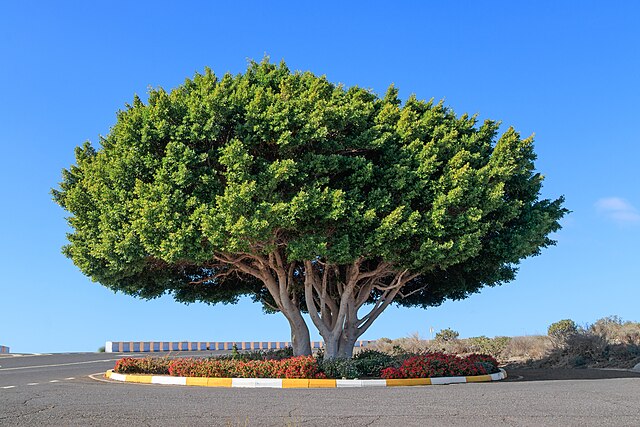
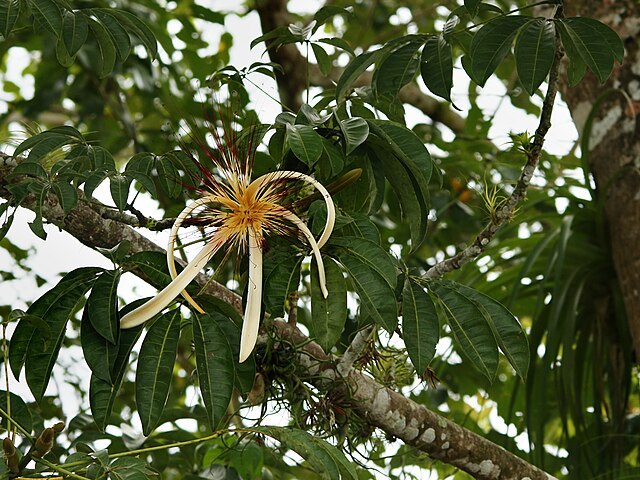
Overwatering: The habit of watering when soil is still moist is the greatest cause. Popular, fast-growing species like Pachira and Ficus retusa appear to want water, yet often roots are damaged by overwatering. Especially in winter, when plant metabolism slows, watering at the same frequency as summer can be fatal.
Poor Drainage: If there is no drainage hole at the pot base or soil aeration is too poor, water stagnates and roots remain constantly wet. Soil with high leaf mold content or old soil with crumbled particles easily loses drainage properties.
Incorrect Pot Size: When a pot is too large for the plant size, water that roots cannot absorb remains in the soil long-term. The misconception that "repotting into a larger pot will revive the plant" frequently causes root rot.
Recognizing Signs of Root Rot
Early detection is key to recovery. If you notice multiple of the following signs, suspect root rot:
- Lower leaves progressively turn yellow and drop
- Leaves and stems are wilted and lack firmness (similar to underwatering, but watering does not restore them)
- Soil emits a fermented or rotten smell
- The stem base darkens and becomes soft to the touch
- Soil remains wet despite no watering for an extended period
By the time visible changes appear, root decay is often far advanced. If leaf wilting does not recover even after watering, immediate repotting treatment is necessary.
Check Root Condition and Remove Rotted Areas
First, remove the plant from the pot and expose the roots. Healthy roots are white to light brown, elastic, and firm to the touch. Rotted roots are dark brown to black, crumble into mud when touched, or appear as hollow shells with only the outer layer remaining.
The procedure is as follows:
- After removing the plant from the pot, gently rinse away old soil with water. Be careful not to force it or damage roots.
- Observe all roots and identify every rotted root (dark/brown and soft).
- Remove rotted portions with clean scissors or a knife. Disinfect the blade with alcohol beforehand. Cut back until the cross-section is white.
- After cutting, apply powdered activated charcoal or sulfur powder to the cut surfaces—this is effective for sterilization and drying.
- In severe cases, you may remove more than half of all roots. In this case, prune the above-ground foliage by about half to balance the root-to-shoot ratio.
After cutting, air-dry the roots in shade for 10–30 minutes to dry the cut surfaces. Skipping this step risks re-rot even in fresh soil.
Choosing the Right Soil and Pot
Root-rot-affected plants need soil with excellent drainage and aeration. Commercial "houseplant soil" sometimes retains too much water as-is, so the following blends are recommended:
- Houseplant potting mix 5 : Perlite 3 : Vermiculite 2
- Or red volcanic soil (small grain) 5 : Leaf mold 3 : Akadama 2
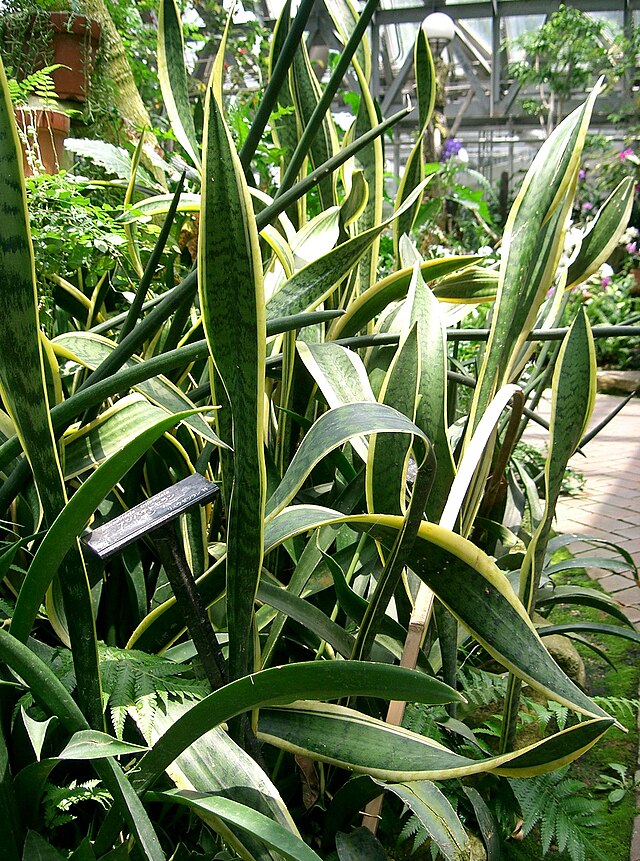
Perlite improves drainage and aeration, delivering oxygen to roots. Vermiculite balances water and nutrient retention. For drought-loving species like cacti, succulents, and Sansevieria, increase the proportion of sand or pumice.
Terracotta pots are best for preventing root rot. Moisture evaporates through the sides, keeping soil drier. If using plastic pots, always choose ones with drainage holes and discard water in the saucer within 30 minutes.
Choose a pot only one size larger (2–3 cm diameter) than the current root ball. Oversized pots are counterproductive.
Post-Repotting Care and Environment
Immediately after repotting, roots are severely damaged. Special care beyond routine management is needed.
Watering: Though tempting to water immediately after repotting, withhold water for 2–3 days while cut surfaces seal. Afterward, water only 2–3 days after the soil surface dries—maintain a restrained watering schedule.
Location: Avoid direct sunlight; place in bright indirect light. Strong light increases water evaporation, and damaged roots cannot keep up with water uptake.
Fertilizing: Do not fertilize for 1–2 months after repotting. Applying fertilizer to weakened roots easily causes "fertilizer burn."
Humidity Management: Misting leaves with a spray bottle ("leaf misting") effectively supplements moisture absorption through roots. Mist lightly on both sides of leaves 1–2 times daily.
New growth indicates recovery. This may occur in 2–3 weeks for fast-growing species or 1–2 months for slower ones. Patience and continued observation are essential.
Daily Care Tips to Prevent Recurrence
After experiencing root rot, many fear watering again. However, with proper watering guidelines, it is almost always preventable.
The most reliable method is the bamboo skewer test. Insert several bamboo skewers around the pot rim. Before watering, pull one out—if moist soil clings to the tip, watering is unnecessary; if completely dry, it is time to water.
Assessing by pot weight is also effective. Remember the weight of the pot immediately after watering post-repotting as your baseline; water when it feels lighter.
Seasonal watering frequency guidelines: every 2–4 days in summer (active growth), weekly in spring/fall, every 2–3 weeks in winter (dormancy). However, these vary greatly by location temperature, light, pot material, and soil type, so prioritize the skewer or weight check above all.
Watching a plant nearly lost to root rot unfold new leaves after proper treatment is truly special. With patience and careful attention, most plants display remarkable recovery power.