Rose Variety Selection Tips for Beginners
A guide for beginners on how to choose easy-to-grow rose varieties. Explains the tips for variety selection based on tree form, fragrance, flower type characteristics, and seasonal suitability.
Key Takeaways
A guide for beginners on how to choose easy-to-grow rose varieties. Explains the tips for variety selection based on tree form, fragrance, flower type characteristics, and seasonal suitability.
Related Species
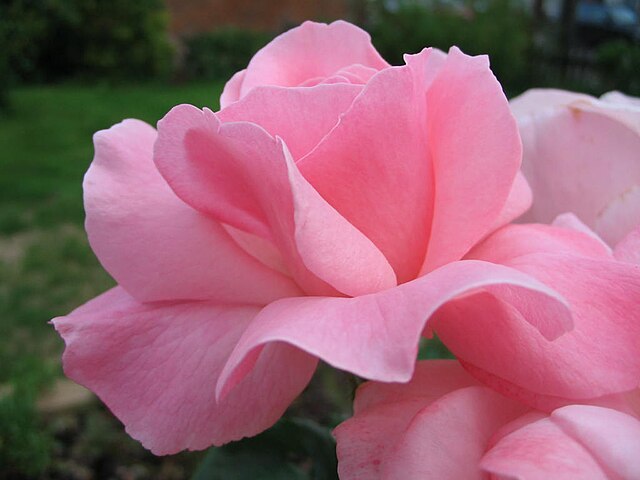
Roses captivate many enthusiasts with their beautiful flowers and fragrance. However, for beginners, choosing the right variety is an important challenge. Selecting the correct variety can significantly change the difficulty level of cultivation. This guide introduces essential tips for rose beginners to know when selecting varieties.
Recommended Varieties for Beginners
When starting to grow roses, the secret to success is choosing disease-resistant and easy-to-grow varieties. The following varieties are particularly recommended for beginners.
| Variety | Characteristics |
|---|---|
| Knock Out | A landscape rose bred in the United States in 2000, it keeps producing semi-double cherry-red flowers from spring through late autumn. It is resistant to black spot and tolerant of both heat and cold, so it is known as an easy-to-manage variety even for beginners. |
| Queen Elizabeth | A representative floribunda rose with an upright tree form that provides stability. The charm lies in its excellent flowering, with the entire plant covered in blooms. Being disease-resistant and having excellent continuous flowering characteristics, it can be grown with confidence even by beginners. |
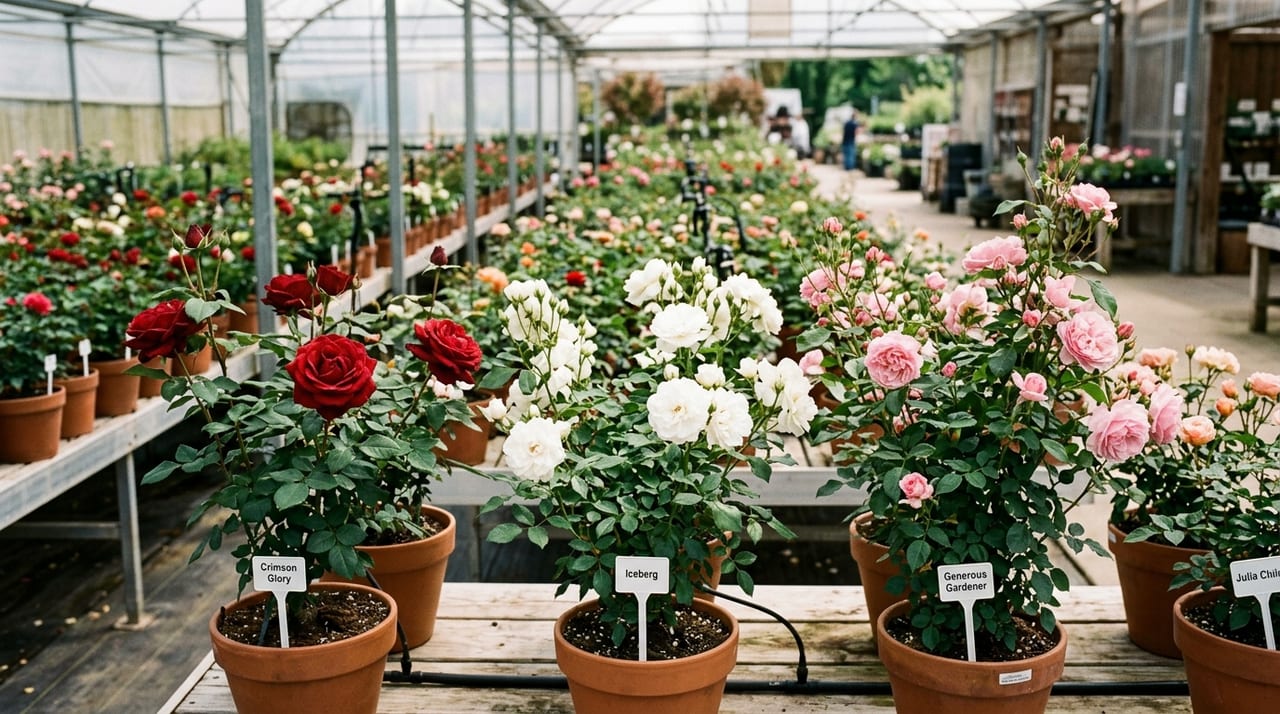
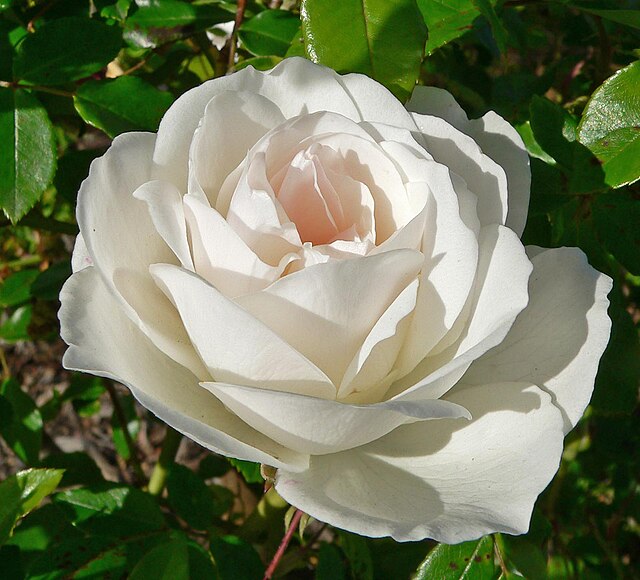
| Iceberg | This white-flowered variety is well-known for its ease of cultivation. It has strong resistance to pests and diseases and grows well even in Japan's climate. This variety is ideal for beginners to learn the basic cultivation techniques for roses. |
Three Key Points to Keep in Mind When Selecting Varieties
When beginners choose rose varieties, it is important to keep three points in mind.
Selection of Tree Form
Rose tree forms are broadly divided into the following types.
- Upright: Varieties with an upright tree form. They can be managed compactly and are easy to grow even in spaces with limited area. This upright form is recommended for beginners.
- Spreading: A wide, horizontally spreading tree form. While this provides a magnificent plant appearance, it requires more space. It is better to try this after gaining some experience.
- Weeping: A tree form where branches droop downward, requiring advanced pruning techniques. Beginners are better off avoiding this form.
Fragrance and Flower Type
Important elements in choosing roses are fragrance and flower type.
Types of Fragrance Rose fragrance varies by variety. There are various fragrances including Damask, tea, and musk scents. Choosing your preferred fragrance can increase motivation for cultivation.
Flower Type Characteristics Rose flower types are diverse, including high-centered pointed petals, rosette, and flat forms. For beginners, high-centered pointed petal forms are recommended because they hold their shape more consistently. The form does not easily deteriorate, and maintenance is relatively simple.
Seasonal Suitability
Rose suitability varies by season.
| Season | Period | Characteristics |
|---|---|---|
| Spring | March to May | Spring is the best season for roses. Most varieties produce their most beautiful flowers during this season. If you are growing roses for the first time as a beginner, it is good to choose varieties that perform well in spring. |
| Summer | June to August | Japan's hot and humid summer is a challenging season for roses. Diseases such as powdery mildew become more prevalent. It is important to choose varieties that thrive in summer or provide appropriate management. |
| Fall | September to November | Fall is a beautiful season second only to spring. The cool autumn temperatures deepen flower colors and increase fragrance. |
| Winter | December to February | Many rose varieties enter dormancy during winter. Proper pruning during this period influences the flowering quality in the following spring. |
Conditions for Easy-to-Grow Varieties
For rose beginners to succeed, the most important thing is to choose easy-to-grow varieties. Select varieties that meet the following conditions.
- Disease-resistant varieties: It is important to choose varieties with resistance to diseases such as black spot and powdery mildew. In recent years, many varieties have been brought to market with this consideration in mind.
- High continuous flowering: By selecting varieties with year-round blooming and long flowering periods, even beginners can enjoy them for an extended time. This characteristic increases the joy of cultivation.
- Strong vigor: Varieties with vigorous growth and strong tree vigor are easier for beginners to grow. The strength to withstand some mistakes is an important condition for beginner-friendly varieties.
- Insect resistance: By choosing varieties resistant to pests such as aphids and spider mites, you can reduce the use of pesticides. This is more environmentally friendly and allows for a deeper relationship with your roses.
Varieties to Avoid for Beginners and Precautions
When starting rose cultivation, some varieties are not suitable for beginners. These varieties require advanced cultivation techniques and are prone to failure.
- Once-blooming old roses (classic roses): Classic roses are certainly beautiful and have excellent fragrance. However, compared to modern roses, they are more susceptible to disease and have inferior continuous flowering characteristics. They are not varieties that beginners should choose initially.
- Miniature Roses: While small and charming, miniature roses actually require advanced management. Small plants are difficult to manage regarding water, and they are susceptible to pests, making them unsuitable for beginners.
Rose beginners, please use these points as reference to select varieties that suit you. Proper variety selection is the first step to enjoyable rose cultivation. We recommend creating a lovely garden surrounded by the beauty and fragrance of roses.