Rose Fragrance Guide | Fragrance Categories and Tips for Selecting Varieties
Detailed explanation of rose fragrance categories. Introduces the characteristics of fragrances such as Damask, Tea, Fruity, and Myrrh, representative varieties, how to select strong-fragrance varieties, and tips for enjoying fragrance in the garden.
Key Takeaways
Detailed explanation of rose fragrance categories. Introduces the characteristics of fragrances such as Damask, Tea, Fruity, and Myrrh, representative varieties, how to select strong-fragrance varieties, and tips for enjoying fragrance in the garden.
Related Species
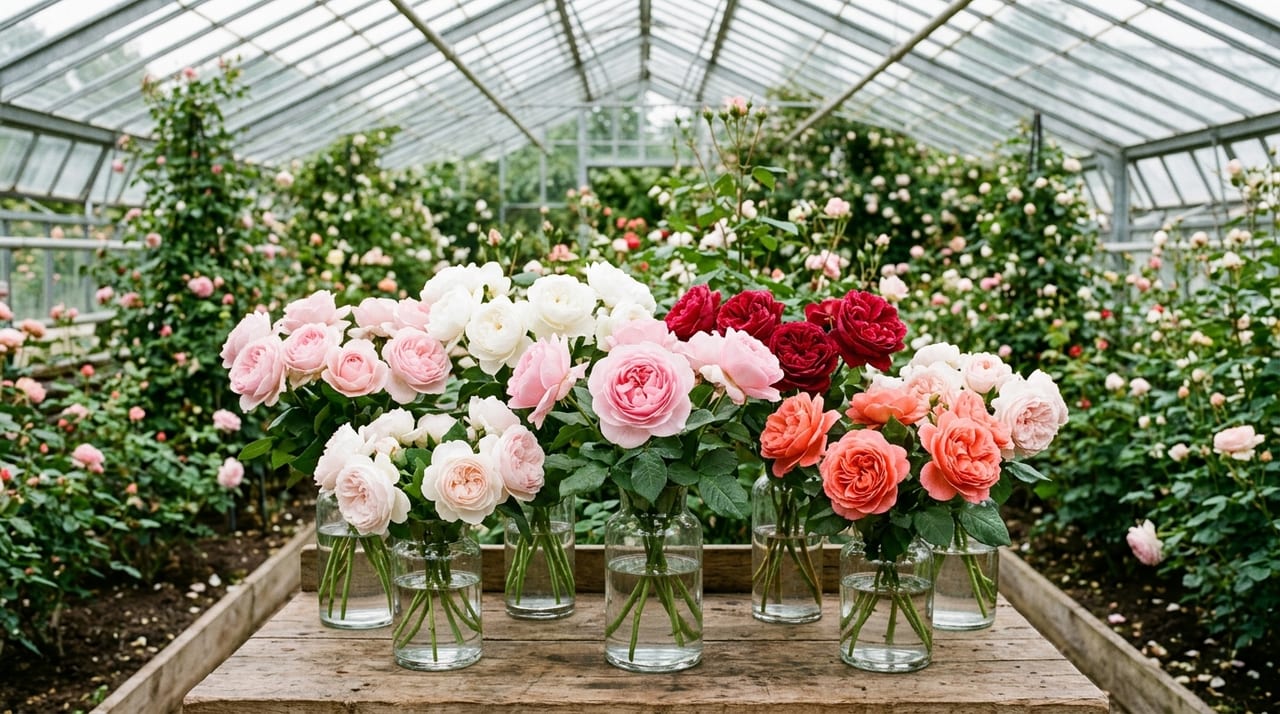
The appeal of roses extends beyond the beauty of their flowers. Their rich fragrance is one of the reasons roses are called the "queen of flowers." Rose fragrance is remarkably diverse depending on the variety—ranging from sweet and deep scents to fresh and light ones—with hundreds of fragrance components combining in complex ways to create their unique character. This article explains rose fragrance categories and points to consider when selecting varieties with fragrance as a priority.
Seven Fragrance Categories of Roses
Rose fragrance is broadly classified into seven categories. Please refer to these when selecting varieties.
1. Damask Classic The most classical and "rose-like" sweet and deep fragrance. It serves as the base of rose oil and rose perfume, characterized by deep sweetness. Many Old Garden Roses possess this fragrance. Representative varieties include Madame Allidi, Rose de Rescht, Hohjun, and others.
2. Damask Modern Building on Damask Classic, this fragrance adds fruitier nuances. Common in modern roses, it creates a gorgeous and bright impression. Representative varieties include Papa Meilland, Crimson Glory, Oklahoma, and others.
3. Tea A refined and delicate fragrance reminiscent of black tea. Found in Tea Rose group varieties, it has a subtle astringency within the sweetness. Suited for those who prefer elegant and understated fragrance. Representative varieties include Lady Hillingdon, Devoniensis, and others.
4. Fruity A sweet-tart fragrance reminiscent of fruits such as apples, peaches, pears, and raspberries. An increasing category in recent breeding, commonly seen in modern roses. Characterized by an approachable and bright fragrance. Representative varieties include Double Delight, Jubilee Celebration, Scheherazade, and others.
5. Myrrh (Anise) A fragrance characteristic of English Roses, with sweet and spicy nuances resembling anise (star anise). Common in varieties bred by David Austin, it possesses a unique character not found in other categories. Representative varieties include Constance Spry, Saint Cecilia, Ambridge Rose, and others.
6. Blue (Blueish) A unique fragrance born from the breeding process of blue roses, with a complex aroma combining Damask with tea and spicy nuances. Commonly seen in blue to purple roses. Representative varieties include Blue Moon, Charles de Gaulle, Blue Perfume, and others.
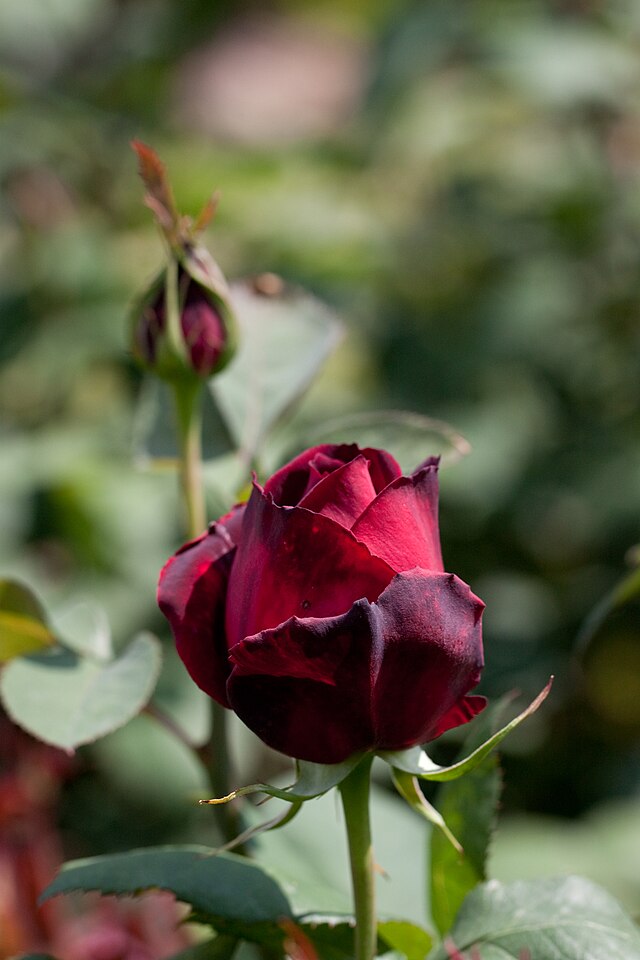
7. Spicy A spicy fragrance reminiscent of clove or cinnamon. With a piquant kick within the sweetness, it possesses a deep and distinctive fragrance. Representative varieties include Cardinal de Richelieu, Louis XIV, and others.
How to Select Strong-Fragrance Varieties
Rose fragrance strength is expressed as "strong fragrance," "medium fragrance," or "slight fragrance." When prioritizing fragrance, select varieties labeled as "strong fragrance."
Varieties with particularly strong fragrance
- Papa Meilland: Dense Damask Modern fragrance. One of the world's most fragrant roses
- Hohjun: Deep sweet fragrance of Damask Classic. A representative flower of Japan
- Double Delight: A complex fragrance combining fruity and spicy notes. Enjoy both the beauty of bicolor blooms and the fragrance
- Evelyn (David Austin): Fruity and sweet strong fragrance. One of the most fragrant among English Roses
- Jude the Obscure (David Austin): Fruity fragrance with a unique sweet scent reminiscent of guava
Environmental factors affecting fragrance Even the same variety's fragrance strength changes depending on environment. Fragrance is strongest in the cool early morning hours, and weakens as temperatures rise as fragrance components become volatile. On cloudy days, fragrance lasts longer than on sunny days. Fragrance peaks from just after blooming through the second to third day; as flowers age, fragrance fades.
Planting Tips for Enjoying Rose Fragrance in Your Garden
When planting fragrant roses in your garden, keep the following points in mind.
Plant near traffic paths Plant strong-fragrance varieties near entryways, approaches, or terraces—places where people pass or pause—to enjoy the fragrance daily. Planting in the back of the garden means you won't smell it unless you intentionally approach it.
Consider wind patterns Plant strong-fragrance varieties on the windward side, and the fragrance will drift across a wider area on the breeze. Plant near windows, and wind-carried fragrance will drift indoors as well.
Combine different fragrance categories Plant varieties from different categories, such as Damask and Fruity, near each other to enjoy layered fragrances. However, concentrating too many strong fragrances in one area will tire your nose, so space them appropriately.
Choose repeat-blooming varieties Once-blooming varieties flower only in spring for a short period, but repeat-blooming varieties bloom repeatedly from spring through fall, so you can enjoy their fragrance continuously. Planting even one strong-fragrance repeat-blooming variety creates a fragrance foundation for your garden.
Enjoying Rose Fragrance Indoors with Cut Flowers
Cutting roses from your garden to enjoy indoors is another wonderful way to appreciate them. Cut in the cool early morning hours, at the stage when the bud has just begun to open, and the fragrance will spread as the flower opens indoors. Some strong-fragrance varieties can fill a room with scent with just a single stem. Adding rose cut-flower preservative to the vase water will extend the bloom life.
Cautions with Fragrant Roses
Some strong-fragrance varieties have slightly weaker disease resistance. The hypothesis is that generating fragrance components uses energy that would otherwise be devoted to disease resistance. Either select varieties with both strong fragrance and good disease resistance, or manage disease prevention through regular pesticide applications. In recent years, with advances in breeding techniques, more varieties combining strong fragrance and high disease resistance have been developed.
Finding Fragrant Roses at GrowerDirect
At GrowerDirect, you can purchase well-regarded rose varieties from specialist growers. If you communicate your fragrance preferences, growers can suggest varieties matching that category. Since rose fragrance cannot be conveyed through text or photographs alone, advice from growers with rich cultivation experience is invaluable.