Rhododendron & Azalea Care Guide | Variety Selection, Acidic Soil Management & Pruning Tips
A comprehensive guide to growing Rhododendrons & Azaleas (Rhododendron). Learn about Japanese Rhododendrons, Western Rhododendrons, Hirado Azaleas, and Satsuki varieties, managing semi-shaded conditions and acidic soil (pH 4.5–6.0), securing next year's blooms with post-flower pruning, and controlling leaf gall (mochi-byo)—a practical guide covering all essentials.
Key Takeaways
A comprehensive guide to growing Rhododendrons & Azaleas (Rhododendron). Learn about Japanese Rhododendrons, Western Rhododendrons, Hirado Azaleas, and Satsuki varieties, managing semi-shaded conditions and acidic soil (pH 4.5–6.0), securing next year's blooms with post-flower pruning, and controlling leaf gall (mochi-byo)—a practical guide covering all essentials.
Related Species
Rhododendrons & Azaleas
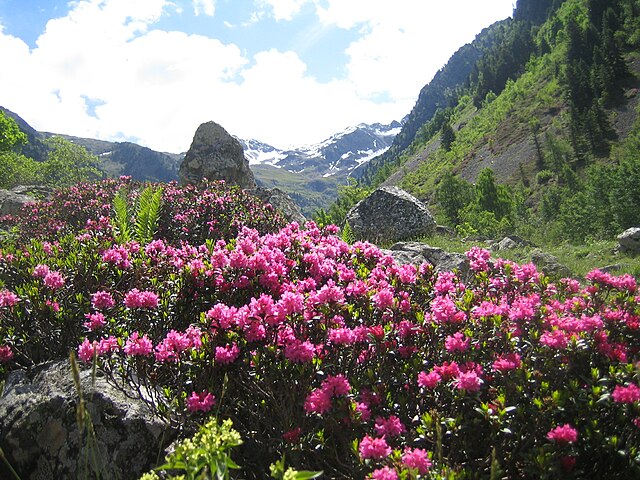
Rhododendrons (石楠花, Shakuange) and Azaleas (躑躅, Tsutsuji) both belong to the genus Rhododendron in the Ericaceae family. In Japan, it is conventionally said that larger species with glossy, leathery leaf surfaces are called "Rhododendrons," while smaller to medium-sized deciduous types are called "Azaleas," though botanically they belong to the same genus. Over 1,000 species exist worldwide, and Japan has cultivated many varieties throughout its long history of horticultural tradition.
Flower colors range richly from white, pink, red, purple, and yellow, blooming profusely in clusters at branch tips in spring to early summer. Since tree height, cold hardiness, flowering time, and leaf shape vary greatly by variety, selecting a variety suited to your growing location is the first step to success.
Japan's Azalea and Rhododendron cultivation has a long history, with active breeding beginning in the Edo period. Today, domestic growers continue to develop new varieties, and as of 2026, the range of available options continues to expand year by year. Internationally popular as well, Western Rhododendrons (hybrid azaleas) are widely planted in gardens across Europe and North America.
Choosing Varieties
When selecting Rhododendrons and Azaleas, it is important to choose a variety suited to your location's sunlight, cold tolerance, and desired size.
| Type | Characteristics | Best Location |
|---|---|---|
| Japanese Rhododendron | Large, evergreen, prefers semi-shade | Garden trees, screening |
| Western Rhododendron | Large flowers, prefers some direct sun | Large gardens, flower beds |
| Hirado Azalea | Semi-evergreen, tolerates pruning | Parks, low hedges |
| Satsuki | Compact, heat-tolerant | Bonsai, small gardens |
| Kurume Azalea | Small flowers, profuse blooming | Japanese gardens |
For container growing, select small to medium-sized varieties for easier root-zone management. At purchase, check for next year's flower buds and healthy roots. When using flowering trees as landscape specimens, consider balance with surrounding plantings to enhance overall garden composition. When combining with spring-blooming plants like roses, checking flowering-time variations in advance makes planning easier (refer to Rose Garden Design Guide for ideas).
Light Requirements & Placement
Rhododendrons generally prefer bright, semi-shaded conditions over direct sunlight, while Azaleas tend to tolerate direct sun better.
Rhododendrons
- Dislike summer direct sun (prone to leaf scorch)
- Morning sun + afternoon shade is ideal
- Evergreen foliage persists in winter; protection from cold north winds is important
- East-facing building walls or under deciduous trees are classic locations
Azaleas & Satsuki
- Bloom profusely in sunny locations
- Tolerate pruning well, making them suitable for hedges and garden specimens
- Most varieties resist leaf scorch even in strong light
Watering & Humidity Management
Rhododendrons have shallow, moisture-loving roots but also need good drainage—a "keep consistently moist, not waterlogged" balance. Roots spread shallowly and are sensitive to drought. Recent trends of extreme summer heat and dry periods make weather-responsive watering adjustments increasingly important.
Container growing
- Water thoroughly when soil surface is dry
- During dry summers, water twice daily (morning and evening)
- Empty saucers within 30 minutes
- Rolled leaves in summer signal insufficient water
Ground planting
- For the first 1–2 years after planting, supplement during dry periods
- Established plants can generally rely on natural rainfall
- Water during extreme summer droughts
Soil & Fertilization
Rhododendrons and Azaleas prefer acidic soil (pH 4.5–6.0). Alkaline soil inhibits iron and manganese uptake, causing yellowing of leaves (chlorosis).
Recommended soil (container growing)
- Commercial Azalea & Rhododendron potting mix
- Or Kanuma soil (fine grade) 50% + Peat moss 30% + Red Loam (fine grade) 20%
Ground planting Mix large amounts of peat moss or leaf mold into amended soil, using raised planting (mounded) for better drainage. Avoid areas near concrete foundations where alkaline runoff occurs.
Fertilization
- After blooming (May–June): Light feeding with slow-release balanced fertilizer (emphasizing phosphorus and potassium)
- Autumn (September–October): Fall feeding for next year's flower bud development
- No fertilizer in summer or winter
- Excessive feeding damages roots and causes leaf drop
Pruning & Flower Bud Management
Prune immediately after flowering. Rhododendrons and Azaleas develop next year's flower buds within 1–2 months after blooming, so late pruning removes flower buds and reduces next year's flowers.
- Best time: Right after flowers fade (May–June)
- Thin overgrown branches and light shaping
- Satsuki benefits from post-bloom pruning to ensure even next-year flowering
- Avoid heavy pruning, which exhausts root energy
Pests, Diseases & Common Problems
Leaf yellowing (chlorosis) High pH (alkaline soil) inhibits iron and manganese absorption. Avoid excessive lime application or planting near concrete; acidify with peat moss.
Mildew Leaves swell and develop a mochi-like texture. Most common in rainy seasons; remove affected leaves and prevent with fungicides (maneb, Daconil, etc.).
Spider mites Appear on leaf undersides during hot, dry summers. Spray leaves with water or use miticides (Acaritcuch, etc.). Recent heat trends have pushed mite emergence earlier; checking leaf undersides regularly before rainy season ends minimizes damage.
Growing Rhododendrons & Azaleas Successfully—Summary
With proper environmental conditions, Rhododendrons and Azaleas reward you with beautiful blooms year after year. Here are key management points:
Five essentials for success
- Choose varieties suited to your location's light and climate
- Maintain acidic soil (pH 4.5–6.0) using peat moss and Kanuma soil
- Prune immediately after flowering to protect next year's buds
- Monitor summer drought; prevent roots from drying out
- Use fertilizer sparingly (excess causes root damage)
Rhododendrons and Azaleas purchased from growers or specialist nurseries with established flower buds bloom the same year. With so many varieties available, start by selecting your preferred flower color and form.
Annual care calendar
| Month | Main care tasks |
|---|---|
| Feb–Mar | Spring Rhododendron bloom prep, resume watering |
| Apr–May | Flowering period, post-bloom pruning |
| Jun–Jul | Next year's bud formation, light feeding, pest/disease prevention |
| Aug | Summer drought protection, leaf misting, spider mite monitoring |
| Sep–Oct | Fall feeding, plant maintenance, ideal planting time (ground) |
| Nov–Dec | Leaf condition checks, winter hardiness prep (large varieties) |
| Jan–Feb | Winter dormancy, no fertilizer |
Maintaining acidic soil and proper post-bloom pruning are key to abundant flowering year after year. Rhododendrons and Azaleas are hardy, long-lived shrubs that can beautify your garden for decades with proper care.
Sourcing healthy, flower-budded plants from specialty nurseries or growers is highly recommended. Verify clear variety labeling, healthy roots, and multiple flower buds at purchase—this greatly reduces post-planting problems. For rare Western Rhododendron varieties or new cultivars developed by hybridizers, consulting specialist growers often helps secure hard-to-find plants. Rhododendrons' showy blooms create lasting enthusiasm; many gardeners eagerly await next season's flowers. When uncertain about variety selection, asking growers to recommend suitable plants for your garden's conditions is the path to success. To enjoy your landscape shrubs long-term, learn about using pruned branches as cut flowers indoors. For keeping cut branches fresh, see How to Keep Cut Flowers Fresh.