Rose Lineage Characteristics Comparison | Hybrid Tea · Floribunda · English Rose
A comparative explanation of rose lineage characteristics: traits of each lineage and suitability, recommended lineages for beginners, fragrance characteristics, differences in bloom longevity, and more.
Key Takeaways
A comparative explanation of rose lineage characteristics: traits of each lineage and suitability, recommended lineages for beginners, fragrance characteristics, differences in bloom longevity, and more.
Related Species
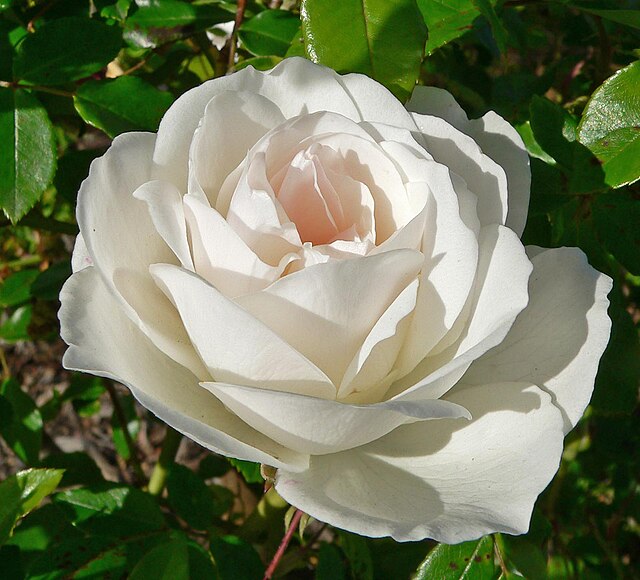
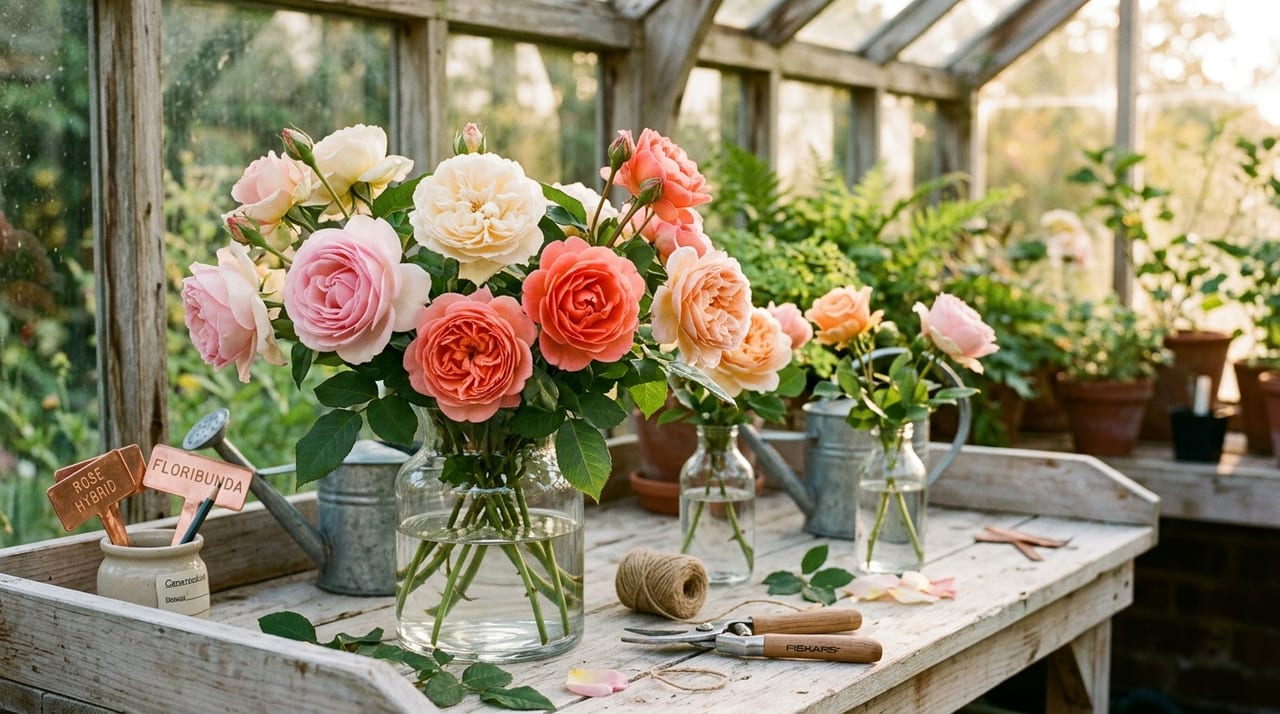
While roses can be broadly divided into several dozen lineages (classes), in modern horticulture three lineages in particular are popular: "Hybrid Tea (HT)," "Floribunda (FL)," and "English Rose (ER)." Since each differs in flower form, fragrance, and ease of cultivation, selecting a lineage suited to your purpose is important.
Hybrid Tea (HT)
Characteristics
- One bloom per stem is the standard. Large, beautiful high-centered blooms with pointed petals are characteristic
- The epitome of cut-flower roses. A lineage frequently seen at flower shows and exhibitions
- Extremely diverse in the number of varieties, with abundant color options including red, white, yellow, and pink
Fragrance
- Varies greatly by variety. Ranges from heavily fragrant to lightly fragrant types
- Representative fragrant varieties: 'Peace', 'Blue Moon', 'Double Delight'
Bloom Longevity
- As a cut flower, approximately 7–10 days. The flowering period of the plant as a whole is from May to October with repeat blooming
Suitable and Unsuitable
- Suitable for those who enjoy large blooms and those who wish to enter contests
- Tends toward upright growth habit; pruning management is essential. Many varieties are susceptible to black spot
- Can be grown either in gardens or in containers
Floribunda (FL)
Characteristics
- Characterized by cluster blooming (multiple flowers per stem). Produces many blooms, creating an impressive display
- A lineage created by crossing Hybrid Tea and Polyantha roses
- Medium to large flowers bloom densely at branch tips
Fragrance
- Fewer varieties with strong fragrance compared to Hybrid Tea, though fragrant types do exist
- Representative varieties: 'Iceberg', 'Queen Elizabeth', 'Old Spice'
Bloom Longevity
- Individual flowers are smaller and thus bloom slightly shorter. However, because they bloom continuously, the viewing period is extended
Suitable and Unsuitable
- Ideal for those who want to add color to their garden and those who wish to enjoy abundant blooms
- Many varieties are relatively hardy, and increasing numbers of varieties have disease and pest resistance
- Easy to use as hedges and in border gardens
English Rose (ER)
Characteristics
- A lineage developed by David Austin Ltd. of England. Combines the elegance of old roses (heritage roses) with the repeat-blooming nature of modern roses
- Diverse bloom forms including cup-shaped, rosette, and pompon blooms
- Many petals create a soft, refined appearance
Fragrance
- The greatest characteristic is that fragrant varieties are extremely common
- Diverse fragrance profiles including myrrh (herbal), fruity, and damask scents
- Representative fragrant varieties: 'Jude the Obscure', 'Graham Thomas', 'Gertrude Jekyll'
Bloom Longevity
- Because of the high petal count, blooms open quickly during warm weather. They are enjoyed longer during cooler seasons
Suitable and Unsuitable
- Ideal for those who prioritize fragrance and design. Makes a striking focal point rose in the garden
- Many shrub (semi-climbing) types that can also be trained on arches and fences
- Many varieties have stronger vigor than Hybrid Tea; however, they tend to be somewhat susceptible to excess humidity
Recommended Lineages for Beginners
For rose beginners, Floribunda or English Rose is recommended.
When Floribunda is Suitable
- Want to choose varieties resistant to disease and pests
- Want to add color to the garden (abundant blooms)
- Want to minimize maintenance
When English Rose is Suitable
- Want to enjoy fragrance
- Want distinctive flower forms
- Want to train on arches or fences
When Hybrid Tea is Suitable
- Want to enjoy large blooms
- Want to display as cut flowers
- Want to master pruning techniques
Fragrance and Bloom Longevity Summary by Lineage
| Lineage | Fragrance Strength | Bloom Longevity | Bloom Form |
|---|---|---|---|
| Hybrid Tea | Variety-dependent (strong to light) | 7–10 days | Single bloom per stem · large flowers |
| Floribunda | Light to moderate | Slightly shorter | Cluster blooms · medium flowers |
| English Rose | Moderate to strong (many fragrant varieties) | Slightly shorter (longer in cool seasons) | Cup · rosette |
Basic Rose Cultivation Techniques
When comparing varieties, arranging the following four items rather than photos makes better judgment possible.
1. Bloom Pattern (Repeat blooming / Remontant / Once-blooming) Once-blooming roses flower only in spring; however, they tend to produce more flowers and have stronger fragrance. Since the pruning period also differs, this should be confirmed first.
2. Growth Habit (Shrub / Semi-climbing / Climbing) For container growing, choose shrub types; for fences or arches, choose climbing types. Semi-climbing types are versatile depending on training method, but often grow larger than expected, so verify the mature size.
3. Disease Resistance Resistance to black spot and powdery mildew varies greatly by variety and determines whether they can be grown without pesticides. Use certifications such as ADR as a guide.
4. Fragrance Strength and Type Fragrance impression varies by type: damask, tea, fruity, spicy, and others. If prioritizing fragrance, it is most reliable to narrow down by type within varieties marked as heavily fragrant.
Varieties that do not receive adequate sunlight will not reach their full potential, no matter how carefully you tend them. First confirm whether you can provide at least a half-day of direct sunlight, then select your varieties.
Find Rose Seedlings at GrowerDirect
At GrowerDirect, you can purchase rose seedlings (Hybrid Tea, Floribunda, English Rose) grown by specialist growers. GrowerDirect's strength is that you can ask sellers directly about lineage, fragrance characteristics, and ease of cultivation before purchasing.