[Beginner's Guide] Rose Growing Basics
For beginners wanting to start growing roses. A complete guide covering seedling selection, planting, watering, fertilizing, pruning fundamentals, pest and disease prevention, and beginner-friendly rose varieties.
![[Beginner's Guide] Rose Growing Basics](https://img.botachoku.com/column-images/rose-flower-beginner-guide/hero-1778965556686.jpg)
Key Takeaways
For beginners wanting to start growing roses. A complete guide covering seedling selection, planting, watering, fertilizing, pruning fundamentals, pest and disease prevention, and beginner-friendly rose varieties.
Related Species
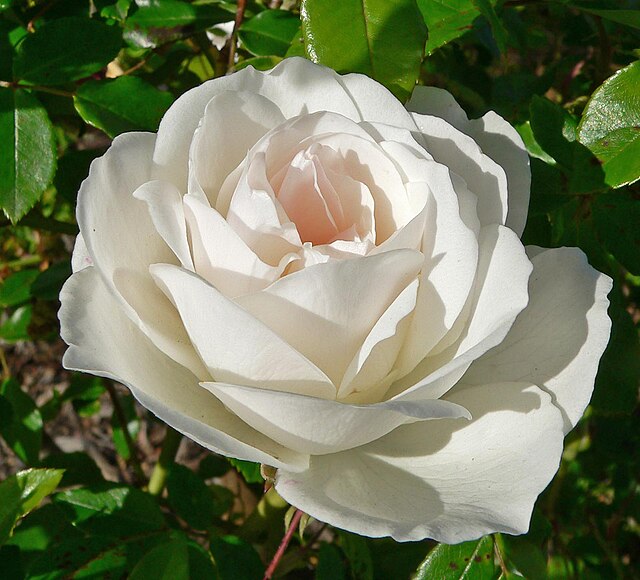
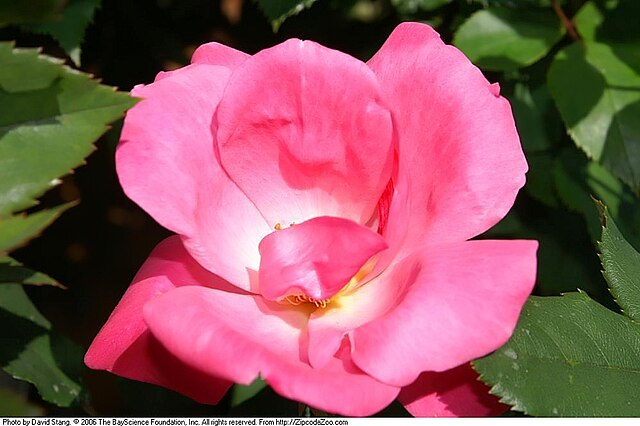
With its reputation as the "Queen of Flowers," the rose has captivated people around the world throughout history with its graceful form and fragrant aroma. While roses are often seen as "difficult" or "high-maintenance," this outdated perception no longer holds true. In recent years, many disease-resistant and hardy varieties have become available, and with proper knowledge and basic care techniques, even beginners can grow beautiful blooms successfully.
This article explains the fundamentals of rose cultivation in an easy-to-understand way—from selecting seedlings to planting, watering, fertilizing, pruning, pest and disease control, and recommended varieties.
Seedling Selection: The First Step to Success
Rose seedlings come in two main types: "established plants" and "new seedlings." Understanding this distinction is your first step toward successful rose growing.
Established Plants (Fall–Winter Sales)
Established plants are sold from fall through winter. These are robust stock grafted the previous year with fully developed roots, allowing you to enjoy flowers the spring following planting. While the price is higher, they have a much better success rate in the first year, making them strongly recommended for beginners.
New Seedlings (Spring Sales)
Young seedlings sold in spring offer a more affordable option, but the plant takes 1–2 years to mature. They also require more hands-on management than established plants, so it's better to try them after gaining some experience.
When selecting a seedling, check that the branches are sturdy and well-developed, the graft union (where the rootstock joins) is properly healed, and there are no signs of disease or pests on the leaves or stems.
Planting: Location and Soil Are Key
Timing and Location
The ideal planting time for established plants is December through February during dormancy. During this period, stress on the plant is minimal and roots establish more readily.
The most important factor in choosing a location is sunlight. Select a spot that receives at least 6 hours of direct sunlight daily. Insufficient light leads to poor flowering and increases disease risk. Similarly, good air circulation helps prevent diseases like powdery mildew.
Container Planting
Use an 8–10 liter pot (diameter 24–30 cm) and commercial rose potting soil. Place gravel at the bottom for drainage. The main advantage of container planting is mobility—you can adjust placement based on sunlight and season.
Ground Planting
Dig a hole about 40 cm deep and wide, mixing plenty of leaf mold or compost into the excavated soil. Adding slow-release fertilizer to the mixture ensures smooth spring growth. Once established, ground-planted roses require significantly less watering and grow larger.
Watering and Fertilizing: Balance Is Essential
Watering Guidelines
- Container plants: Water thoroughly when the soil surface is dry. Avoid letting water sit in the saucer, as this causes root rot
- Ground-planted roses: Generally rely on rainfall, but water at the base during dry spells lasting more than two weeks after the rainy season
- In both cases, always water at the base of the plant, keeping foliage dry. Wet leaves promote disease
Fertilizing
Roses are "heavy feeders" and benefit from regular fertilizing, though overfeeding can be counterproductive.
| Timing | Type | Purpose |
|---|---|---|
| At planting | Slow-release solid fertilizer (basal) | Supports initial growth |
| Spring, summer, autumn (3 times/year) | Rose-specific solid fertilizer (supplemental) | Promotes flowering and plant vigor |
| Right after flowering | Liquid fertilizer (recovery feed) | Aids plant recovery |
During hot summer months (July–August), when plants weaken, reduce or pause supplemental feeding.
Pruning: Proper Cuts Increase Blooms
Pruning is one of the most important aspects of rose care. Correct pruning dramatically improves next season's flowering.
Winter Pruning (Early February)
The most important pruning of the year. Cut just above outward-facing buds to encourage an open shape. Cut back the overall plant to 1/3 to 1/2 its original height. Remove old or thin branches entirely at the base.
Summer Pruning (Late August–Early September)
Light pruning to enjoy fall roses. Cut back overgrown branches and balance the overall shape. Fall flowering typically occurs 45–55 days after summer pruning.
Deadheading (After Flowering)
Leaving spent flowers on the plant exhausts it. Cut just above the five-leaflet leaves. Regular deadheading promotes new flower bud formation.
Pest and Disease Control: Prevention Is Your Best Defense
Only a limited range of pests and diseases commonly affect roses. Knowing the main ones allows for early detection and treatment.
Common Diseases
- Powdery mildew: White, powder-like fungus appears on leaves and new growth. Peaks in spring and fall. Improve air circulation and apply preventive fungicide
- Black spot: Dark spots develop on leaves, and if left untreated, leaves drop. Splashing rainwater spreads it. Mulch around the base and apply fungicide regularly
Common Pests
- Aphids: Cluster on new growth and buds, weakening the plant by feeding on sap. Remove immediately with spray or water
- Sawfly: Females lay eggs in stems; larvae eat foliage. Remove egg-laying marks (vertical scars) when spotted
- Spider mites: Appear in hot, dry conditions. Infest leaf undersides, causing whitish discoloration. Prevention through regular mist-spraying of undersides
The key to pest and disease management is prompt action upon discovery. Make it a habit to inspect undersides of leaves weekly.
Beginner-Friendly Rose Varieties
Choosing a hardy, easy-to-grow variety for your first plant is the path to success.
- Knock Out — So tough it's called "maintenance-free." Disease-resistant with continuous blooming—ideal for beginners
- Iceberg — Pure white flowers in clusters. Vigorous, easy-growing, and a beloved classic worldwide
- Queen Elizabeth — Elegant pink blooms of large size. Combines hardiness with outstanding beauty
- Pierre de Ronsard — Beautiful soft-pink rosette blooms on a climbing rose. Stunning when trained on walls or arches. Relatively disease-resistant
GrowerDirect's Commitment to Safety and Quality
Where you purchase rose seedlings is crucial to success. Through GrowerDirect, you can buy directly from professional rose growers, ensuring superior quality compared to mass-market nursery stock.
- Healthy seedlings arrive at your door: Expert-grown, robust plants with strong root systems are sent directly to you
- Access to rare and original varieties: Discover hard-to-find plants, including heirloom crosses from private growers
- Direct grower consultation: Get answers about planting questions and care methods from the person who raised your roses—invaluable peace of mind
- Quality seedlings at fair prices: Cutting out middlemen through direct sales means premium plants at reasonable prices
Whether you're unsure which variety to choose or want a recommendation for your specific conditions, GrowerDirect connects you directly with growers who can help. Start your rose journey with a trusted grower.