The Charm and Cultivation of English Roses | Growing Austin's Iconic Varieties
A comprehensive guide to the history and characteristics of English Roses, introducing popular varieties, cultivation tips, and how to enjoy their fragrance.
Key Takeaways
A comprehensive guide to the history and characteristics of English Roses, introducing popular varieties, cultivation tips, and how to enjoy their fragrance.
English Roses are a particularly popular group among modern roses, possessing the flower form and fragrance of old roses while also having repeat-blooming characteristics. This lineage, created by British hybridizer David Austin, continues to captivate rose enthusiasts around the world. Here we explain their appeal and cultivation tips.
History and Characteristics of English Roses
English Roses were born when David Austin began cross-breeding Old Roses and Modern Roses in the 1960s. They were a groundbreaking rose unprecedented at the time, inheriting the elegant cupped and rosette flower forms and rich fragrance of Old Roses while combining the repeat-blooming character and diverse flower colors of Modern Roses.
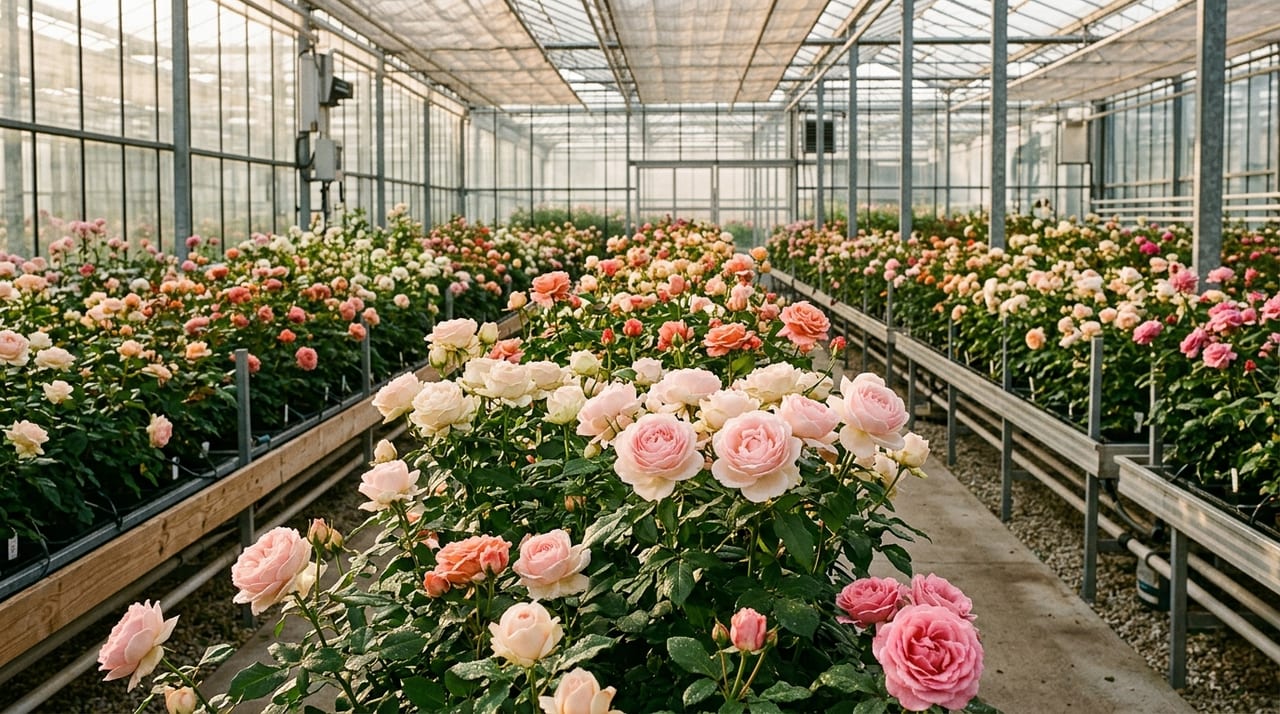
While flower forms vary by variety, what they share is abundant petals arranged in a soft, rounded shape. They feature classic and elegant-looking blooms, including cupped, rosette, and shallow-cupped forms. Flower colors are predominantly soft pastels, with warm tones such as pink, apricot, cream yellow, and white.
Fragrance is one of the greatest charms of English Roses. There are diverse fragrance types—fruit, myrrh, old rose, and tea scents among them—and you can enjoy different fragrances depending on the variety. How to choose by fragrance type is detailed in our guide to enjoying rose fragrances. When you plant multiple varieties in your garden, each step reveals a different fragrance, creating a luxurious experience.
The plant habit is typically shrub-like (semi-climbing), ranging from compact bush forms to large climbing types depending on the variety. Many varieties are easy to manage in Japanese gardens, and some can even be grown in containers.
Popular Varieties
English Roses number in the hundreds, but here we introduce varieties that are easy to grow in Japan's climate and particularly popular.
| Variety | Flower Color/Form | Fragrance/Features |
|---|---|---|
| Graham Thomas | Brilliant yellow cupped blooms (clustered) | Fresh tea rose fragrance, vigorous and easy to grow, semi-climbing. Stunning when trained on obelisks or fences |
| Abraham Darby | Large apricot-pink cupped blooms | Strong fruit fragrance with good repeat-blooming. Flexible habit can be trained as a shrub or climber |
| Lady Emma Hamilton | Medium apricot-to-tangerine cupped blooms | Distinctive strong fruit fragrance. Compact habit suited to container growing, with high disease resistance |
| Olivia Rose Austin | Pale pink rosette blooms | Exceptionally high disease resistance, strong against black spot and powdery mildew. Blooms beautifully with minimal-spray management, recommended for beginners |
If you prefer low-maintenance growing, check out our disease-resistant rose varieties as well.
Cultivation Tips
Cultivation of English Roses is basically the same as with other roses, but there are a few specific points to note.
- Sunlight: Ideally 6 or more hours of direct sunlight per day. However, since some English Rose varieties with soft pastel flower colors may fade in strong direct sunlight, a location with morning sun and afternoon partial shade is also acceptable
- Planting: The standard practice is to plant bare-root specimens from December to February. Dig a planting hole at least 50 cm in diameter and depth, thoroughly incorporating compost and basal fertilizer. "Deep planting" is recommended, burying the graft union approximately 5 cm below the soil surface, which encourages the development of own roots
- Watering: Water thoroughly once the soil dries. Pay particular attention to watering during the growing season to avoid drought stress. Mulching is effective for preventing soil drying and splashing (which can spread black spot)
Pruning and Training
Pruning English Roses requires understanding their shrub-like characteristics. Pruning too hard and low, as with typical Hybrid Tea roses, can compromise the plant's attractive form.
In winter pruning (January–February), cut the plant back to one-third to one-half of its height. Remove dead, thin, and crossing branches, cutting just above outward-facing buds. Cutting too low reduces flowering, so retaining some height is key to successful English Rose pruning.
Large varieties can also be trained as climbing roses. When training onto arches, obelisks, or fences, secure main canes in a nearly horizontal position during winter. Training horizontal encourages flower buds at each node, creating a beautiful display with blooms from top to bottom. For detailed training techniques, see our guide to training climbing roses.
Deadhead regularly in spring and autumn, cutting just above the five-leaflet leaf below the flower cluster. In summer, perform only light deadheading to conserve energy for fall blooming.
Disease Control and Enjoying the Fragrance
Disease resistance varies among English Rose varieties. While newer varieties have significantly improved resistance, some older varieties are susceptible to black spot. Checking disease resistance information when selecting varieties is key to reducing maintenance work.
Basic prevention is the same as with other roses—apply fungicides regularly from spring through autumn. Rotate fungicide types (alternating between different chemical families) to prevent fungicide resistance.
Fragrance is best enjoyed in the early morning before temperatures rise, when scent hangs in the air. Cut flowers for indoor display are also lovely; varieties with strong fruit fragrance will perfume an entire room.
You can also preserve the fragrance by making dried flowers or potpourri. Air-dry the petals in shade, place them in a sealed container, and add a few drops of essential oil to create homemade potpourri.
Discover English Roses on GrowerDirect
On GrowerDirect, you can purchase carefully selected saplings directly from specialist growers who are experts in English Roses. Direct communication with growers allows you to receive advice on selecting varieties suited to your garden's conditions and their care requirements. Realize your ideal garden with the English Roses of your dreams.