Rose Flower Language Guide | Choosing Your Message by Color, Number of Stems, and Variety
Explains rose flower language by color and number of stems. Introduces foundational knowledge for gift-giving, such as red representing passionate love and white representing purity, plus popular varieties like Golden Celebration.
Key Takeaways
Explains rose flower language by color and number of stems. Introduces foundational knowledge for gift-giving, such as red representing passionate love and white representing purity, plus popular varieties like Golden Celebration.
Related Species
Origins and Basic Meanings of Rose Flower Language
Roses have been cherished as symbols of love and beauty since ancient Greece and Rome. The system of flower language commonly known today is said to have spread in 19th-century Europe, particularly in Britain and France, as a culture of "flower language" where messages are conveyed through the choice of flower. The flower language universal to all roses is "love" and "beauty," and roses continue to be chosen worldwide as flowers given at life's milestones such as birthdays, anniversaries, and proposals.
However, the meanings of flower language can differ depending on country, culture, era, and source. Rather than declaring definitively "this is the absolute meaning," a more natural way to enjoy it is to think of it as "this meaning is said to be conveyed" and adapt it to your recipient and occasion. Moreover, roses' bearing—blooming with beautiful flowers while possessing sharp thorns—is often spoken of as "strength behind beauty" and "love that overcomes hardship," and the flowers' very presence lends depth to a gift.
By Color: Rose Flower Language Overview
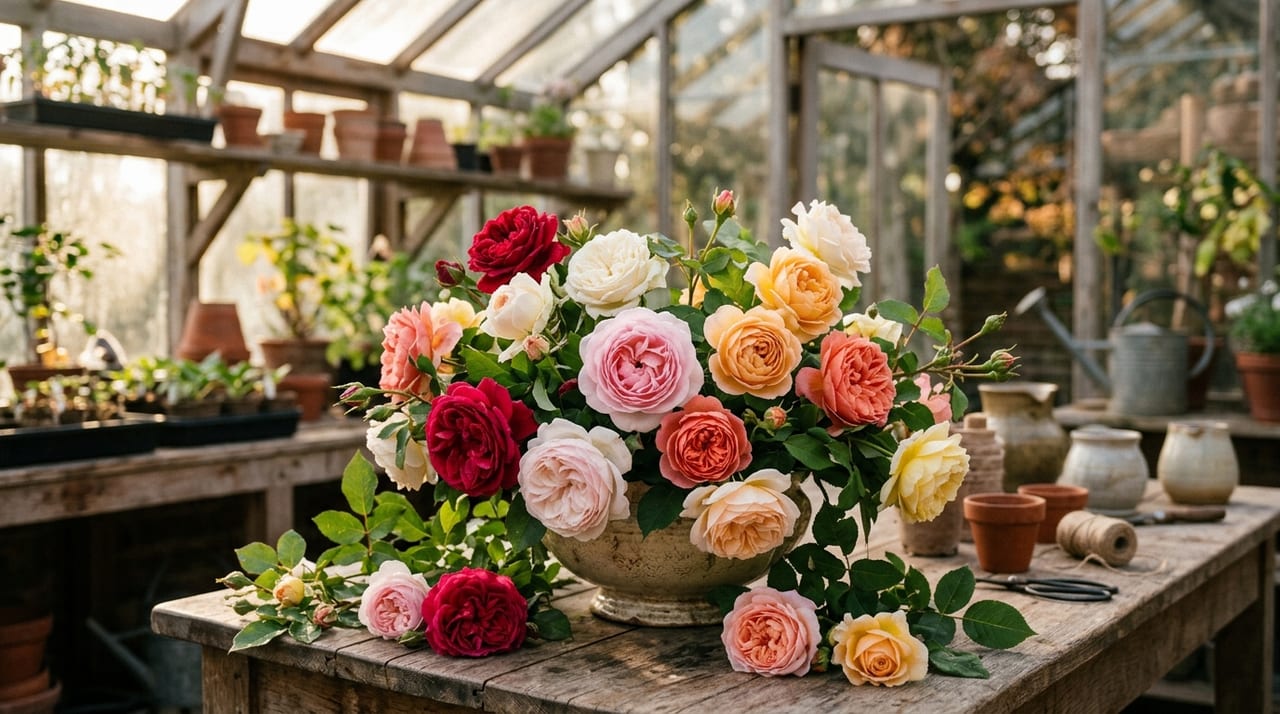
A major characteristic of rose flower language is that it carries different nuances for each color. By choosing a color that matches your relationship with the recipient and the feelings you wish to convey, your gift becomes more meaningful.
- Red roses: "Passionate love," "I love you." A classic choice for gifts to romantic partners or spouses, chosen when conveying a strong message in scenes such as love confessions, anniversaries, and Valentine's Day.
- White roses: "Purity," "Deep respect," "True love." An appropriate color for wedding bouquets and scenes where you wish to express cleanliness and sanctity.
- Pink roses: "Elegance," "Gratitude," "Gentleness." Well-suited for Mother's Day and gifts to those you're grateful to, and beloved as a color easily received regardless of age or gender.
- Yellow roses: "Friendship," "The warmth of affection." However, there are theories that in some cultures and regions they evoke "jealousy" or "parting," so it's wise to choose based on your recipient and context.
- Orange roses: "Elegant beauty," "Charm," "A bridge between passion and friendship." A popular color for gifts meant to create a bright, lively atmosphere.
- Purple roses: "Grace," "Pride," "Elegant love." Noted by those seeking distinctive gifts due to its rarity as a color.
With bouquets combining multiple colors, you can layer the meanings of each color in your gift. It's also a lovely approach to consider color combinations that match your recipient's preferences and image.
Messages Conveyed by Number of Stems
Roses are said to carry different messages depending on the number of stems, and choosing how many to give is itself part of the gift's presentation.
| Number of Stems | Conveyed Meaning (Reference) |
|---|---|
| 1 stem | "Love at first sight," "You alone" |
| 3 stems | "I love you" |
| 7 stems | "Secret love" |
| 11 stems | "My most beloved" |
| 24 stems | "Thinking of you 24 hours a day" |
| 108 stems | "Will you marry me?" |
Like flower language, there are various theories about the meanings of these numbers, and content can differ by source. What matters most is not the "precise meaning of the number" but the feeling you're giving with it. Adding a message card to ensure your intent reaches the recipient will make for a warmer gift.
Etiquette and Selection by Occasion
When giving roses, it helps to understand basic etiquette and color selection suited to the occasion.
For birthdays and anniversaries, vibrant colors like red, pink, and orange tend to be chosen based on your relationship with the recipient. It's common to use red for romantic partners or spouses, and pink or yellow for friends or colleagues, varying by relationship.
For Mother's Day, carnations are traditional, but roses have become more common in recent years. Pink expressing "gratitude" and "elegance," and bright, vibrant orange, are often appreciated.
For celebrations (opening day, longevity celebrations, etc.), bright-colored roses like red, yellow, and orange are preferred. White roses combine cleanliness and elegance, making them suitable for business occasion celebrations as well.
For get-well gifts, the characteristic of roses—where blooms can fall—may raise concerns about omens, not just with roses. Additionally, it's general etiquette to avoid strongly scented varieties in hospital rooms, so it's reassuring to confirm the recipient's or family's preferences before giving.
In business settings, understated colors like white or pink are often chosen. Fewer stems tend to be preferred, with an elegant, refined style.
Deepening Rose Gift-Giving Through Variety Selection
Beyond flower language and color selection, choosing which variety to give is a major joy of rose gifting. Flower form, fragrance, and color vary greatly by variety, and there's pleasure in choosing while overlaying the recipient's image.
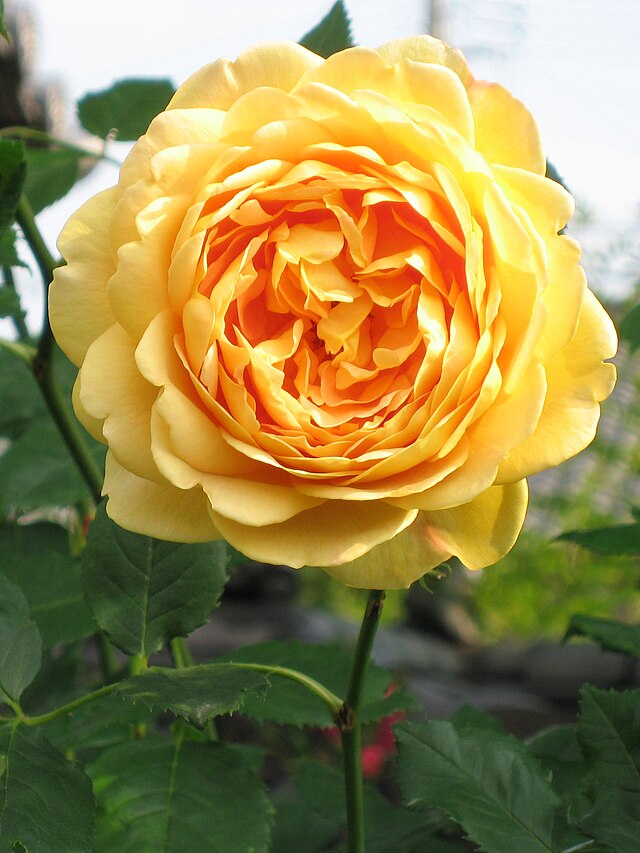
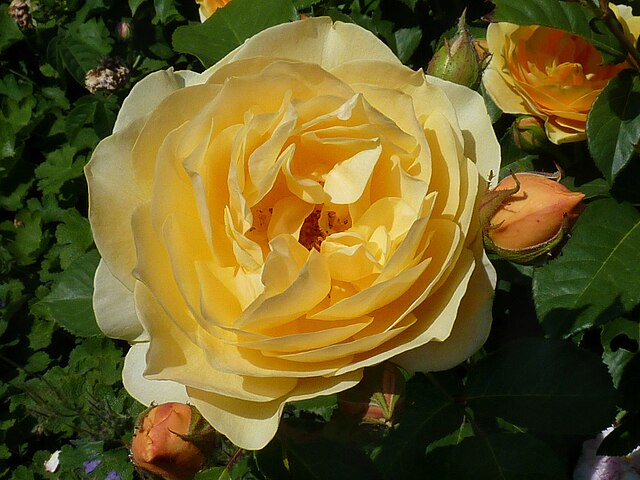
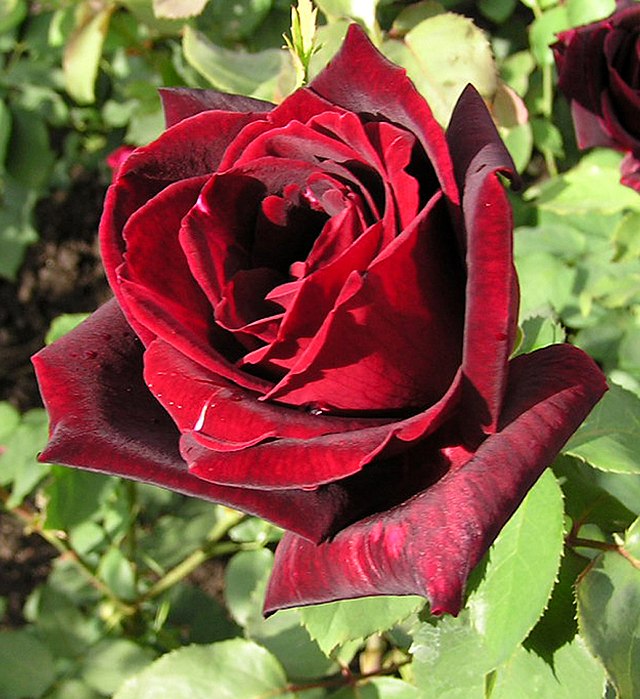
English rose varieties are popular as gifts, characterized by abundant petals and deep fragrance, with a reputation as romantic gifts. "Golden Celebration," bearing abundant apricot-colored flowers, has the vibrant elegance befitting celebration scenes—true to its name. "Graham Thomas," characterized by pale yellow and strong fragrance, is a signature English rose variety often chosen for gifts seeking elegance. "Papa Meilland," with its deep red color and rich fragrance, has a presence that embodies the flower language of "passionate love," and is beloved as a variety suited to scenes where you wish to convey a special message.
In GrowerDirect's online catalog, you can purchase these varieties directly from growers. Take your time selecting the right plant for your recipient while checking each variety's characteristics. By layering the meaning of the flower language with the variety's own individuality, your gift will be all the more heartfelt.
Summary: Enjoying Rose Selection
Rose flower language is a deep culture with "love" and "beauty" at its foundation, yet with subtle nuances born from color, number of stems, and variety. By choosing color suited to your recipient and occasion, adding a message through the number of stems, and leveraging each variety's character, roses become flowers eloquent enough to convey your feelings on their own.
Use the following points as a starting place for choosing your gift.
- Choose color for your feeling — red for passion, pink for gratitude, yellow for friendship
- Add a message through number of stems — from a simple one-stem confession to a 108-stem proposal
- Add personality through variety — match the recipient's image with fragrance, flower form, and color
- Confirm occasion etiquette — don't forget to consider color and fragrance for get-well gifts and business settings
Flower language is merely a "guide" for conveying your feelings. What matters is the very act of layering your thoughts about the recipient as you choose. The passion of red roses, the purity of white roses, the warmth of pink roses—whatever single bloom you choose, a gift given with sincerity will surely reach the recipient's heart.