Rose Hip Harvesting and Usage Guide: Seed Saving, Culinary, and Craft Applications
A detailed guide to harvesting rose hips, the fruit of roses, covering timing and storage methods, seed saving, culinary uses, and craft applications.

Key Takeaways
A detailed guide to harvesting rose hips, the fruit of roses, covering timing and storage methods, seed saving, culinary uses, and craft applications.
Related Species

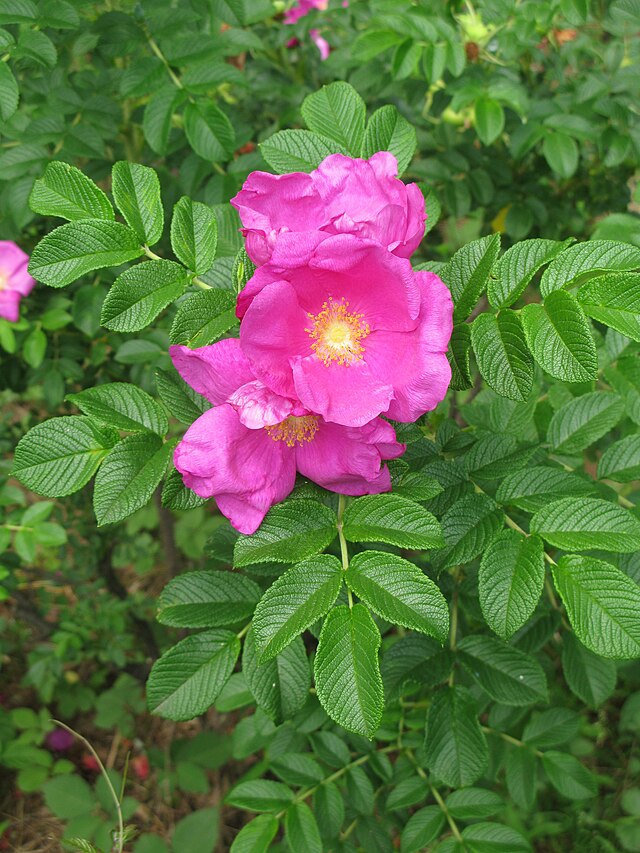
After rose blooms fade, the swollen flower receptacle turns orange to red, and this fruit is called a "rose hip." This nutrient-rich fruit is said to contain dozens of times more vitamin C than citrus, and can be utilized in many ways—as herbal tea, jam, and craft materials. This guide provides detailed, practical knowledge on the proper harvesting and usage of rose hips, which are essential for seed saving and variety development.
Selecting Varieties with Abundant Rose Hip Production
Not all roses produce fruit, and fruit set varies significantly by variety. If your goal is to harvest rose hips in your garden, variety selection is crucial. GrowerDirect offers saplings of varieties known for good fruit production.
Varieties with Abundant Fruit Production
- Rosa canina (Dog Rose): A wild species native to Europe. Produces abundant oval-shaped bright red hips, and is most commonly used for herbal tea. Also highly resistant to pests and diseases, and is used as a rootstock
- Rosa rugosa (Beach Rose): Bears large red rose hips 2–3 cm in diameter with thick flesh, making it popular for both culinary and ornamental use. A familiar wild species native to Japanese coastlines
- Rosa moyesii: Produces beautiful deep red, slender flask-shaped rose hips that serve as attractive garden accents. The cultivar 'Geranium' is particularly noted for abundant fruit production
- Rosa glauca (Redleaf Rose): An ornamental variety with small red fruits covering the branches abundantly. The contrast between the bluish-purple foliage and the red hips is striking
- Once-Blooming Old Garden Roses: Alba, Musk, and Damask varieties, among others, are generally prone to fruit set
Varieties with Poor Fruit Set
Most modern roses have many petals with double or high-centered forms, and their stamens have transformed into petals, resulting in low pollen production and poor pollination. Most Hybrid Tea (HT) and Floribunda varieties produce little or no seed even if hips form. However, single or semi-double varieties may produce hips.
Determining Harvest Timing
Mistiming rose hip harvest affects nutritional content, flavor, and processing suitability. Assess harvest readiness by combining the following signs.
- Color change: Gradually shifts from green to yellow to orange to red. Some varieties progress to red-purple or deep crimson. Harvest is typically ready 1–2 weeks after color fully develops
- Firmness and resilience: Optimal ripeness is when the fruit has slight give to the touch and yields slightly to thumb pressure. Too firm indicates immaturity; too soft indicates overripeness and difficulty processing
- Sepal condition: Dried, crispy sepals at the tip indicate maturity
- Post-frost changes: Rose hips develop higher sugar content and increased sweetness after the first frost. In Hokkaido and Tohoku regions, late October is ideal; in Kanto and southward, November through mid-December is optimal
For culinary and herbal tea use, harvest at a firm stage just before full ripeness; for ornamental and craft uses, a slightly overripe stage with advanced drying is more practical.
Harvesting, Storage, and Basic Processing
Harvesting Method
Cut hips at the base (below the sepals) using scissors or a knife. Wear thin rubber gloves, as both rose thorns and the fine hairs inside the hip can irritate the skin. Harvest on a dry, sunny morning; storing damp hips accelerates spoilage.
Removing Seeds and Hairs
When halved lengthwise, rose hips reveal seeds covered by fine irritating hairs. These hairs can irritate the throat and digestive tract, so they must be removed for culinary and tea use. Common methods include scraping out with a spoon or rinsing thoroughly under running water.
Storage Methods and Characteristics
- Fresh frozen: Transfer to freezer immediately after harvest. Keeps 6 months to 1 year. Most convenient since hips can be processed while frozen
- Dried storage: After removing seeds and hairs, dry at 50–60 °C for 8–12 hours using a food dehydrator or oven on low. Once moisture content drops below 10%, store at room temperature for 6 months to 1 year. Keep in an airtight container with a desiccant
- Syrup and jam processing: When harvesting large quantities, processing and jarring on-site extends shelf life
Culinary Applications and Recipes
Rose Hip Tea
Crush dried rose hips and steep in hot water for 5–10 minutes. They yield a vibrant red to orange infusion with a fruity flavor combining acidity and sweetness. Since vitamin C is heat-sensitive, steeping at 85–90 °C (slightly cooled water) minimizes loss. Blending with hibiscus, rosemary, ginger, or cinnamon enriches the flavor. Those who are pregnant or taking blood-thinning medications should avoid excessive consumption.
Rose Hip Jam
Place hips (seeds and hairs carefully removed) in a pot and simmer gently in just enough water for 20–30 minutes until softened. Add sugar (70–80% of hip weight) and lemon juice, then continue simmering another 20–30 minutes until thickened. The lemon juice enhances pectin extraction and produces a vibrant color. Spread on bread or pair with yogurt and cheese; it also works well as a sauce for meat dishes.
Rose Hip Syrup
Strain the cooked liquid through a fine sieve or cloth, add sugar (80–100% of liquid volume), and heat until dissolved. Refrigerate for up to 1 month. Use versatilely—dilute with sparkling water or drizzle over ice cream and panna cotta. Traditionally given in small amounts to babies in late weaning stages for vitamin supplementation (though modern practice recommends consulting a physician first).
Seed Saving and Breeding Applications
One important use of rose hips is seed saving for developing new varieties. Rose breeding through hybridization is accessible to home gardeners and offers long-term enjoyment.
Extracting and Selecting Seeds
Cut mature hips lengthwise and extract the seeds inside. Rinse away the fine hairs surrounding the seeds, then place in a bowl of water. Remove floating seeds (these are sterile or have unfilled embryos); use only seeds that sink.
Cold Stratification
Rose seeds have deep dormancy and germinate poorly untreated. Embed seeds in moist vermiculite or sphagnum moss, place in a ziplock bag, and refrigerate at 4–5 °C for 2–3 months. This cold, moist treatment breaks dormancy and dramatically improves germination rates. Check periodically to prevent mold growth.
Sowing and Seedling Care
After cold treatment, sow seeds in seed-starting medium at room temperature (20–25 °C). Germination can take 1–6 months; maintain moisture without waterlogging and wait patiently. Once seedlings develop 2–3 true leaves, pot them up and grow for 1–2 years until flowering. Seeing whether your expected flower finally blooms is the thrill of home hybridizing.
Craft and Ornamental Uses
Brilliant red rose hips are essential for dried flower arrangements and wreath making. Fully dried hips retain their color and add natural beauty to Christmas and autumn wreaths.
Immerse cut stems of rose hips in a glycerin solution (1 part glycerin to 2 parts water) for 2–3 weeks to create preserved material that maintains a supple texture while storing long-term. This method prevents shrinkage and color loss from drying, yielding a more natural appearance.
Rose hip potpourri is also a popular craft. Combine dried hips with dried herbs (lavender, rosemary, etc.) and essential oils, then fill a fabric sachet to enjoy the fragrance. Kept away from direct sunlight, the scent lasts several months.
The joy of growing roses extends beyond blooming. By making full use of rose hips that fruit after petals fall, you can enjoy the richness of living with roses year-round. If you'd like to start growing roses, why not explore varieties at GrowerDirect?