English Roses Complete Guide | David Austin Rose Characteristics and Popular Varieties
A thorough explanation of English Rose characteristics, the history of the David Austin brand, recommended repeat-blooming varieties, and key cultivation tips cherished worldwide.
Key Takeaways
A thorough explanation of English Rose characteristics, the history of the David Austin brand, recommended repeat-blooming varieties, and key cultivation tips cherished worldwide.
Related Species
What Are English Roses — Their Birth and Background
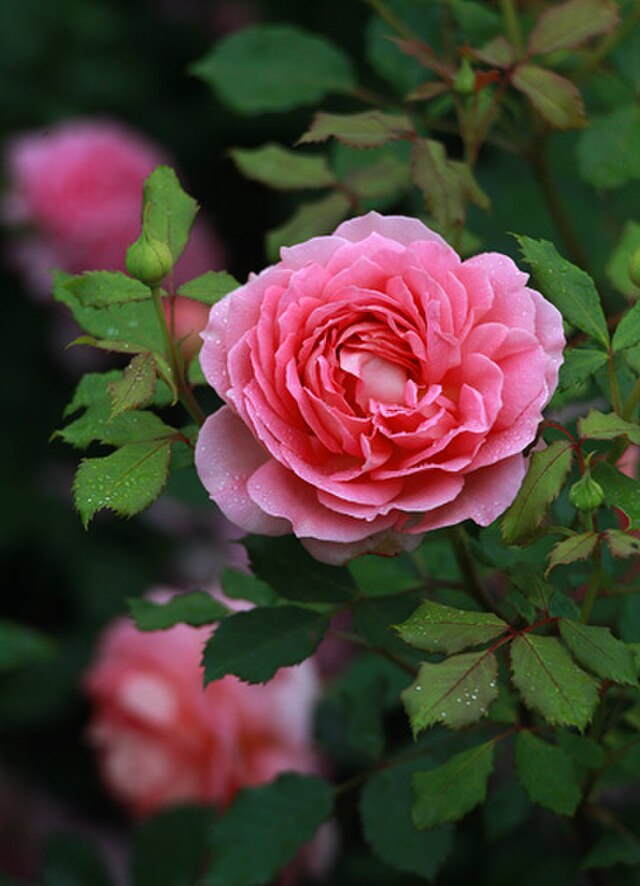
"English Roses" refer to a lineage of roses created by British rose breeder David Austin beginning in the 1960s, combining the flower form and fragrance of old roses with the repeat-blooming and disease resistance of modern roses. The formal name is "David Austin Roses," but in Japan the name English Roses has become widely established.
Austin began his breeding work after falling in love with the elegant flower form and deep fragrance of old roses, yet wanting to overcome the drawback of "blooming only once." After years of crossing experiments, in 1961 he unveiled his first creation, "Constance Spry," which shocked the rose world with its beauty. Since then, David Austin Roses has released new varieties every year, and the total number of varieties introduced now exceeds 200.
The greatest characteristic is that they combine the rich flower forms of rosette and cup blooms and strong fragrance possessed by old roses with repeat blooming from spring through autumn like modern varieties. These elegant and nuanced flowers, as if stepped out of Victorian era paintings, have captivated gardeners worldwide, and since the 1990s have rapidly spread throughout Japan. Today, healthy seedlings can be found even at general home centers, and English Roses have become the standard rose for garden cultivation.
Top 5 Popular Varieties and Their Characteristics
With so many varieties available, many people struggle with selection. Below are the varieties most often chosen in Japan, along with their characteristics.
① The Prince Impressive deep purple to red-purple coloring. Densely packed petals create a perfect rosette bloom, and the intensely fragrant Damask aroma is unmatched in strength. With spreading habit, it forms a compact shape and is easy to handle in containers. While attention to black spot is necessary, if fragrance is your priority, this is the first variety to consider.
② Jubilee Celebration A cup bloom that transforms from vibrant salmon pink to coral tones. With glossy foliage and strong disease resistance, it is known for being relatively easy to grow even for beginners. The fruity, sweet strong fragrance is also one of its charms.
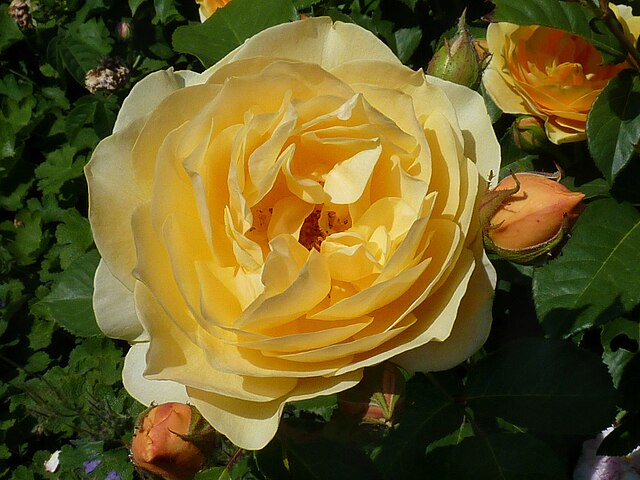
③ Graham Thomas A variety that could be called the synonymous representative of English Roses. The butter to bright yellow flower color is extremely rare among old rose types, and the elegant tea-scented sweet fragrance complements it well. With vigorous growth habit reaching a substantial size, it is also suited to shrub training, trained along fences or walls.
④ The Lady Gardener A soft apricot pink rosette bloom that is beautiful and rising in popularity in recent years. With a compact tree form suited to container growing and relatively high disease resistance. The complex fragrance mixing tea and myrrh is favored by enthusiasts.
⑤ William Shakespeare 2000 A deep red-purple crimson variety characterized by strong Damask fragrance. Ideal for those wishing to create a classical, distinguished atmosphere. Requires some attention to black spot, so thorough disease management is the key to longevity.
Basic Cultivation and Seasonal Management Essentials
English Roses generally have higher disease resistance than typical modern roses, but as roses nonetheless, basic management is essential.
Sunlight: Ideally 6 or more hours of direct sunlight daily. They will bloom in partial shade, but flower set decreases and disease susceptibility increases. Prioritize south-facing or east-facing locations.
Watering: For container plants, water thoroughly at the base of the plant when the soil surface dries, avoiding wetting the foliage. For ground-planted specimens, water frequently for 1–2 years after planting; once established, they often sustain well with natural rainfall.
Fertilization: Roses are heavy feeders. During the growing season from April to October, apply liquid fertilizer every 2–3 weeks or slow-release compound fertilizer once monthly. Choose a rose-specific fertilizer with balanced nitrogen, phosphorus, and potassium ratios.
Pruning Schedule: After the first flush of spring blooms (around June), cut branches back to 1/3–1/2 their length to improve flowering from summer through autumn. The core of annual management is winter pruning in November–December, which shapes the plant's framework and determines next year's blooming abundance. The basic approach is to remove old and thin branches, retaining 3–5 robust, mature branches.
Disease Management: To prevent black spot and powdery mildew, spray fungicide with spreader-sticker weekly or twice weekly (and always after rain during wet periods). Choosing disease-resistant varieties (such as Jubilee Celebration) can dramatically reduce management effort.
Seedling Selection and Purchase Considerations
Choosing a healthy seedling is the first step to successful rose cultivation. At purchase, confirm the following points.
- The graft union (junction with rootstock) is well healed
- Foliage has no black spots (black spot) or white powder (powdery mildew)
- Multiple new shoots are present and branches are not wilted
- Roots are not protruding from pot drainage holes (sign of root-bound condition)
Additionally, large seedlings (sold autumn–winter) and new seedlings (sold spring) require different management. Large seedlings establish roots quickly after planting and are better for beginners, while new seedlings are cheaper but require reducing flowers for the first 1–2 years to build robust plants.
Obtain Healthy English Rose Seedlings from GrowerDirect
Because English Roses vary greatly by variety in tree form, fragrance, and disease resistance, selecting a variety suited to your growing conditions and purpose is the key to enjoying them long-term. Purchasing directly from growers allows you to learn in detail about variety characteristics, cultivation precautions, and the current state of seedlings—greatly reducing the risk of failure.
GrowerDirect allows you to purchase numerous English Rose seedlings and other varieties directly from rose-specialist growers. The greatest strength is the ability to discuss your hopes with the grower—whether you need varieties for container or ground planting, strong-scented or disease-resistant types—and select accordingly. Find the perfect plant for your garden on GrowerDirect.