Rose Fragrance Variety Guide | The Charm of Damask, Tea, and Fruit Scents
Rose fragrances are classified into 7 families. This guide explains the characteristics of each family—Damask, Tea, Fruity, Myrrh, and others—the times of day and conditions when fragrance strengthens, 10 recommended strongly-scented varieties including Papa Meilland and Hofun, and a quick-reference chart of fragrance strength for popular varieties.
Key Takeaways
Rose fragrances are classified into 7 families. This guide explains the characteristics of each family—Damask, Tea, Fruity, Myrrh, and others—the times of day and conditions when fragrance strengthens, 10 recommended strongly-scented varieties including Papa Meilland and Hofun, and a quick-reference chart of fragrance strength for popular varieties.
Related Species
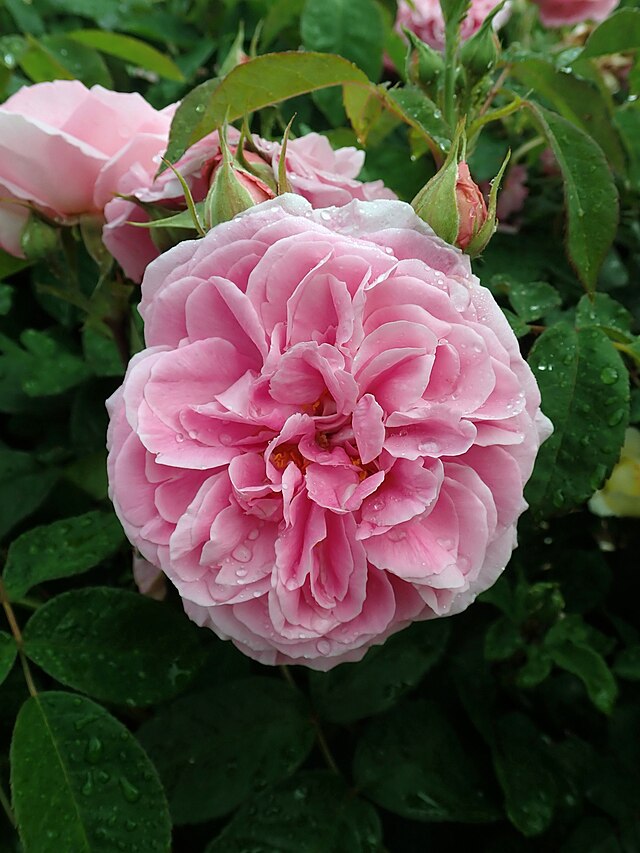
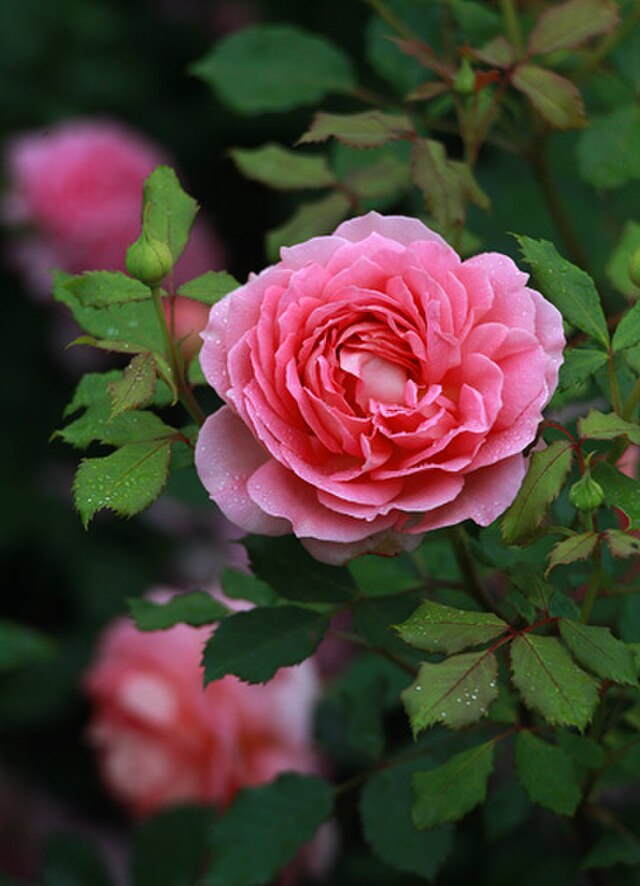
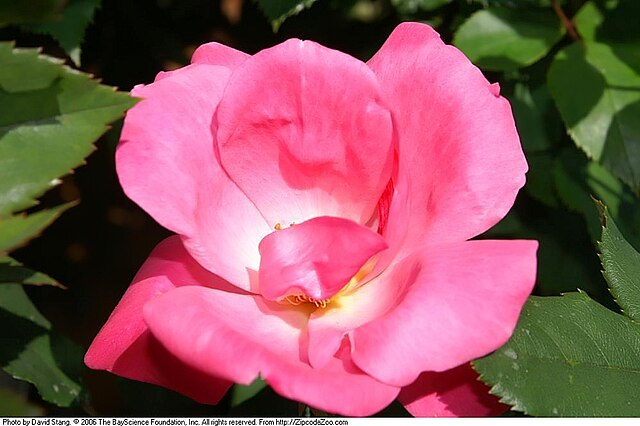
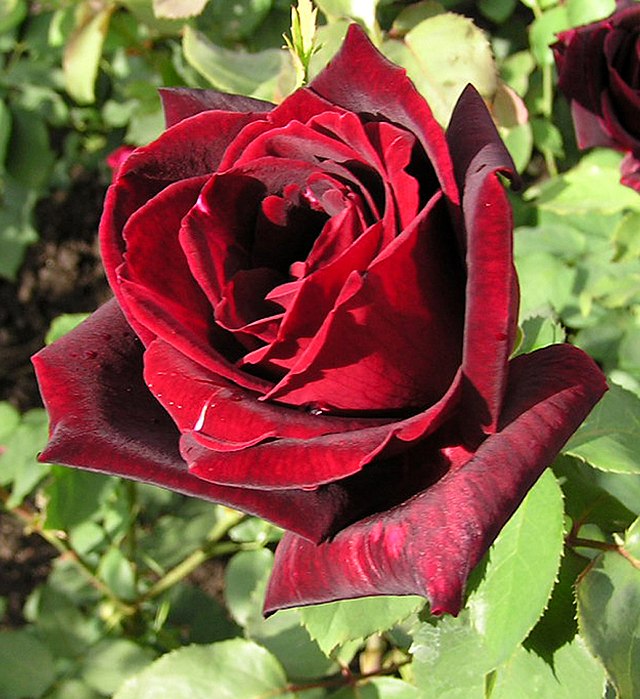
The appeal of roses goes far beyond their beautiful blooms. It is the rich, aromatic fragrance that makes roses worthy of being called the "queen of flowers." However, rose fragrance is not uniform—each variety possesses surprisingly diverse scent profiles. In this article, we explain the classification system of rose fragrances and present a carefully selected collection of varieties renowned for their exceptional scents.
Rose Fragrance Classification System
Rose fragrances are internationally classified into seven major families. Understanding the characteristics of each makes it easier to choose varieties that suit your preferences.
- Damask Classic: The most quintessentially rose-like sweet and rich fragrance. A classical scent that serves as the source material for rose oil. Representative variety is Damask Rose (Rosa damascena)
- Damask Modern: A contemporary scent that combines the sweetness of Damask with a fresh, clean quality. Common in modern roses such as Papa Meilland
- Tea: An elegant and refreshing scent reminiscent of black tea. Derives from China's Rosa gigantea. Frequently seen in Hybrid Tea roses
- Fruity: A sweet-and-tart fragrance suggestive of fruits such as peaches, apples, and raspberries. A family frequently found in English roses
- Myrrh: A sweet and spicy fragrance similar to anise or licorice. Representative is Constance Spry, bred by David Austin
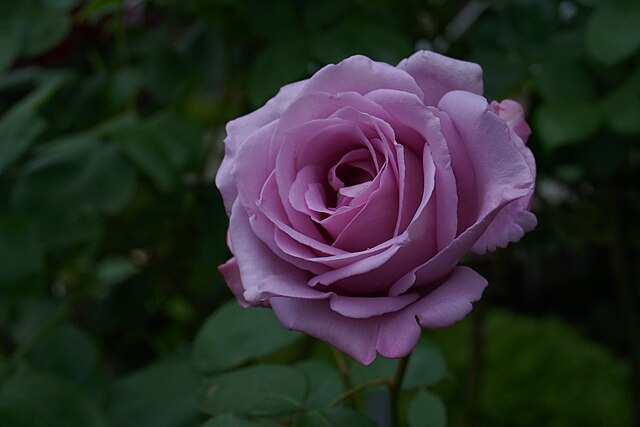
- Blue: An elegant scent commonly found in blue-toned flowers similar to violets or hyacinths. Exemplified by Blue Moon and Charles de Gaulle
- Spicy: A spice-forward scent reminiscent of clove or cinnamon. Found in some Old Roses and English roses
In reality, many varieties feature a blend of multiple fragrances—combinations such as Damask with Fruity, or Tea with Spicy—creating a rich and complex aromatic world.
Factors Affecting Fragrance Strength
Even in the same variety, fragrance strength varies greatly depending on environmental and growing conditions.
- Time of Day: Fragrance is strongest around 9–10 a.m. as rising temperatures cause essential oils to become volatile
- Temperature: Optimal range is 20–25°C. Excessive heat causes fragrance to dissipate easily, while cold temperatures prevent it from developing fully
- Humidity: Moderate humidity makes fragrance more perceptible. The morning after rain is particularly aromatic
- Stage of Bloom: Fragrance is richest at 50–80% bloom. It gradually weakens after the flower is fully open
- Soil and Fertilizer: Well-balanced phosphorus and potassium promote the production of fragrance compounds
- Sunlight: Adequate sunlight is essential, but excessive direct sun accelerates the volatilization of fragrance compounds
10 Recommended Strongly-Scented Varieties
Below are 10 varieties renowned for their exceptional fragrances.
1. Papa Meilland A flagship Damask Modern variety. The intense Damask fragrance that radiates from its deep red, large blooms captivates countless rose enthusiasts. Inducted into the World Rose Hall of Fame in 1988.
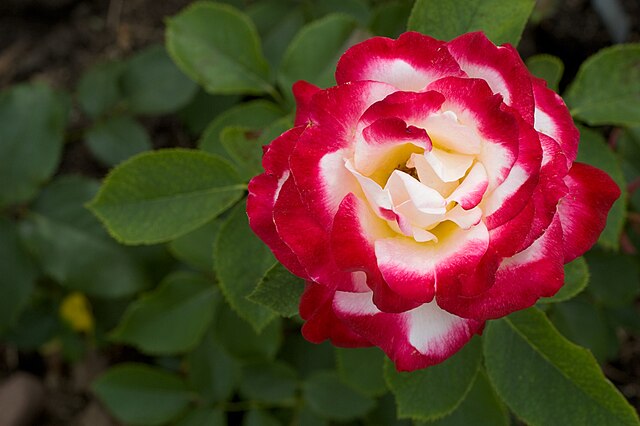
2. Double Delight A large-bloomed variety with cream petals beautifully edged in red. A blend of Damask and Fruity fragrances with a spicy accent within the sweetness. Inducted into the Hall of Fame in 1985.
3. Jubilee Celebration An English rose bred by David Austin. Its salmon pink blooms release a fruity fragrance reminiscent of lemon and raspberry.
4. Gertrude Jekyll Deep pink rosette blooms. Its rich Damask fragrance evokes Old Roses and is even used as a source for rose oil. Among English roses, it is among the most fragrant varieties.
5. Hofun A celebrated variety developed in Japan. It possesses an exceptionally strong, sweet Damask fragrance and is said to be the standard by which Japanese rose fragrances are measured. Also popular as a cut flower.
6. Blue Moon A bluish-purple flower from which an elegant Blue-family fragrance emanates. A celebrated Hybrid Tea rose whose distinctive scent profile is difficult to find in other varieties.
7. Sharifa Asma A white to pale pink variety bred by Austin. It possesses an exceptionally strong fruity fragrance with a sweetness reminiscent of white grapes or lychee.
8. Christiana A climbing rose bred by Kordes. Its cup-shaped white blooms spread a sweet and spicy fragrance reminiscent of anise or myrrh. Also offers high disease resistance.
9. Bolero A white rose bred by Meilland. A blend of Tea and Fruity fragrances with a distinctive scent suggestive of tropical fruit. Its compact habit makes it suitable for container growing.
10. Yves Piaget Sumptuous large blooms reminiscent of peonies. A blend of Damask and Citrus fragrances with a perfumy elegance. Renowned worldwide as a cut flower variety.
Quick-Reference Chart of Fragrance Strength for Popular Varieties
Below, popular varieties frequently searched for fragrance strength are organized by their intensity. Even among highly popular varieties, some have weak fragrance—it is important to verify this if fragrance is your primary selection criterion.
| Variety | Fragrance Strength | Family/Characteristics |
|---|---|---|
| Duftwolke (Fragrant Cloud) | Strong | True to its name, a "cloud of fragrance." Damask Modern family; a large-bloomed scarlet Hybrid Tea |
| Naema | Strong | Bred by Delbard. A semi-climbing variety whose fruity sweet fragrance carries far |
| Claire Austin | Strong | English rose. Myrrh family with vanilla sweetness; white climbing habit |
| Golden Celebration | Strong | English rose. Tea family with fruity sweetness; large golden blooms |
| Jacqueline du Pré | Medium | Semi-double white blooms. A light Musk-family fragrance |
| Pierre de Ronsard (Eden Rose) | Light | Unparalleled in popularity for its bloom form, but fragrance is weak |
| Ingrid Bergman | Light | A celebrated red rose, though fragrance is modest |
| Knockout | Light to Nearly Absent | A variety prioritizing disease resistance; fragrance should not be expected |
Understanding Fragrance Labeling—Strong, Medium, Light, and David Austin's Classification
The terms "strong," "medium," and "light" fragrance on plant labels and in catalogs reflect each breeder's own evaluation with no unified standard. Even the same "medium" rating varies in impression between different breeders, so reading it alongside the fragrance family (Damask, Tea, Fruity, etc.) makes it easier to imagine the actual scent.
David Austin, the English rose breeder, classifies fragrance into five families—"Old Rose," "Tea," "Myrrh," "Fruit," and "Musk"—and rates intensity in four levels: "Light, Medium, Strong, Very Strong." In this article's seven-family system, Old Rose corresponds to the Damask family. Musk is treated as an independent family not included in our seven-family classification and refers to a light, airy fragrance derived from Rosa moschata (Musk Rose).
Fragrance strength depends not only on variety but also on how the rose is grown. For guidance on management to enhance fragrance compounds through sunlight, fertilization, and moisture, see How to Grow Strongly Scented Roses; for more on representative varieties of each family, see Rose Fragrance Encyclopedia.
Enjoying Fragrance in the Garden
To fully enjoy fragrant roses, thoughtful garden design is essential.
- Plant Along Traffic Paths: Position strongly-scented varieties near areas you pass daily, such as entrance walkways or near garden benches
- Consider Air Flow: Plant in areas where gentle breezes naturally flow to carry fragrance across a wider space. However, avoid constantly windy locations where fragrance disperses too quickly
- Use Walls and Fences: Train fragrant climbing roses along arches or fences to position blooms at face height where you can fully appreciate the scent
- Create Height Variation: Standard form roses (grafted for height) allow you to enjoy fragrance while standing comfortably
- Combine Varieties with Different Bloom Times: Select varieties from early to late season to enjoy fragrance over an extended period
Ways to Use Rose Fragrance
Beyond enjoying roses in the garden, rose fragrance offers numerous applications.
- Potpourri: Dry petals to make potpourri. Damask varieties are particularly well-suited
- Rose Water: Distill petals to make rose water, which can be used as a toner or to flavor dishes
- Rose Bath: Float pesticide-free petals in your bath for a luxurious soak with high relaxation benefits
- Dried Flowers: The silica gel method preserves both color and fragrance relatively well
- Jam and Syrup: Rose jam and rose syrup made from edible flower varieties pair beautifully with tea and sweets
Find Fragrant Rose Plants on GrowerDirect
Rose fragrance is largely determined by variety selection. On GrowerDirect, you can purchase directly from specialized growers who handle numerous fragrant rose varieties. The advantage of direct purchase is the detailed advice only growers can provide—cultivation tips, fragrance characteristics, and more. Browse the Rose & Flower category to find roses with the fragrance you love.