Types of Rose Fragrance and How to Choose Them | Differences Between Damask, Tea, and Fruity
Rose fragrances come in many types including Damask, Tea, Fruity, Myrrh, and Spicy. This article explains the characteristics of each fragrance category, representative varieties, and tips for arranging varieties to enjoy fragrance in your garden.
Key Takeaways
Rose fragrances come in many types including Damask, Tea, Fruity, Myrrh, and Spicy. This article explains the characteristics of each fragrance category, representative varieties, and tips for arranging varieties to enjoy fragrance in your garden.
Related Species
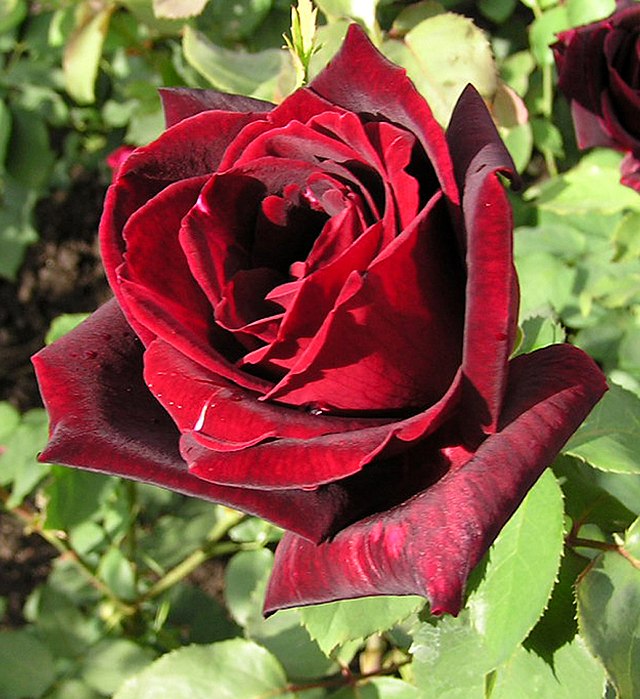
What Is Rose Fragrance? — Exploring a Profound World
Roses live up to their title as the "queen of flowers," and their fragrance diversity is unmatched by other flowers. Even though all share the label "rose fragrance," different categories—Damask, Tea, Fruity, Myrrh, Spicy—create entirely different impressions. Choosing varieties without understanding their fragrances often leads to disappointment: "It's not what I expected." For those beginning their rose-growing journey or seeking to choose varieties by fragrance, this guide explains the major fragrance categories and their characteristics in detail.
Damask Fragrance: The Origin of Rose Scent
Damask fragrance is the most classic category—the scent most people associate with "true rose" aroma. Derived from Damask Rose (Rosa damascena), the source of Bulgarian rose oil and rose water, it possesses a rich, sweet, and sensually deep character.
Damask fragrance is further divided into two subcategories.
Old Damask: The classical, weighty fragrance exemplified by Rosa damascena. Rich in volatile compounds like geraniol and citronellol, it combines elegance with subtle grassy, green notes. It is highly volatile—a single bloom in a vase can perfume an entire room.
Modern Damask: A category carried forward into contemporary varieties such as 'Graham Thomas' and 'Madame Isaac Pereire.' The deep-red 'Papa Meilland,' known for its powerful Damask scent, is a quintessential example. Compared to classical Damask, modern varieties tend toward greater sweetness with fruity undertones, creating a richer overall fragrance.
When growing Damask varieties, remember that fragrance volatility peaks in the early hours after dawn, so experience the aroma best by leaning in to the blooms during morning hours.
Tea Fragrance: Elegant and Smoky Refinement
Tea fragrance is a smoky, delicate scent reminiscent of black tea or Chinese tea. Originating from China Rose and Tea Rose species native to China, it was enthusiastically embraced by 19th-century Europe.
Tea fragrance is characterized by cleanliness and delicacy. Unlike the overwhelming sweetness and intensity of Damask, it is clear and transparent, flowing naturally through the senses. A compound called theaspirane is responsible for this unique tea-like nuance.
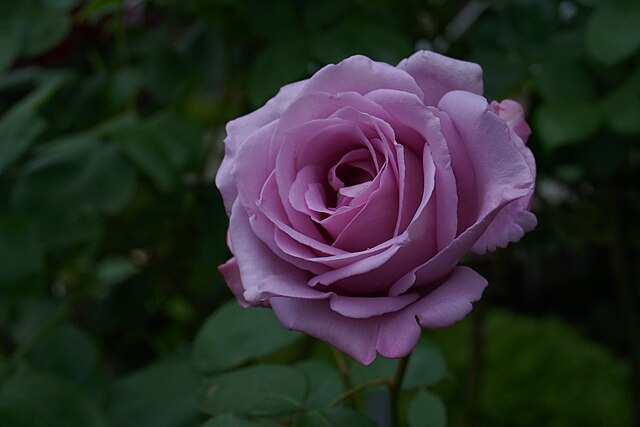
Representative varieties include 'La France' (the world's first Hybrid Tea), 'Gruss an Teplitz,' and 'Old Blush.' The pale lavender 'Blue Moon' is also beloved as a classic Tea fragrance flower. In Japan, it has long been cherished as a tea-house flower.
Because Tea fragrances are delicate, they sometimes seem faint. When choosing varieties, selecting Tea-type cultivars labeled as "strongly fragrant" makes it easier to enjoy their aroma in daily life.
Fruity Fragrance: The Diverse Expressions of Modern Roses
Fruity fragrance is a category that has flourished in recent breeding work, boasting an astonishing variety of fruit aromas—banana, apple, raspberry, lemon, apricot—scarcely believable in a rose.
The key volatile compound in this category is damascenone, which even in trace amounts strongly evokes fruit, creating the complexity characteristic of modern varieties.
Representative varieties include the following.
- 'Jubilee Celebration' (David Austin): A bright fruity fragrance blending raspberry and lemon
- 'The Shepherdess': A complex fruity fragrance with myrrh undertones
- 'Strawberry Hill': A sweet-tart fragrance evoking strawberry and lychee
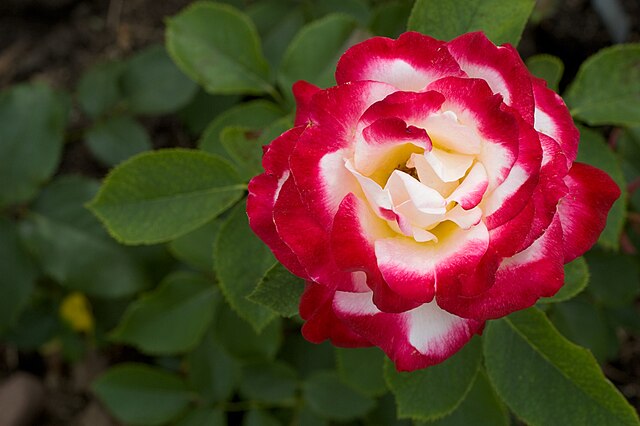
- 'Double Delight': A world-renowned masterpiece with white petals brushed red and a complex fragrance where Damask and fruit notes meld
Unlike Damask roses, fruity-fragrant varieties tend to maintain their scent even as temperatures rise, making them ideal for those seeking fragrance throughout the summer garden.
Myrrh and Spicy Fragrances: Distinctive Options
Beyond Damask, Tea, and Fruity, there are other fragrance categories worth knowing.
Myrrh Fragrance: A sweet fragrance derived from myrrh, reminiscent of anise or licorice, with anisaldehyde as its dominant compound. Common among David Austin creations, with varieties like 'Claire Austin' and 'Gebrüder Grimm Bruder' as prime examples. Though polarizing and distinctive, once appreciated, other fragrances pale by comparison—it has that captivating allure.
Spicy Fragrance: A spice-like aroma recalling clove and cinnamon, common among Old Roses. Prominent in Gallica varieties such as 'Cardinal de Richelieu' and 'Charles de Mills,' it carries a pleasantly piquant, slightly peppery impression.
A Practical Guide to Choosing Varieties by Fragrance
When choosing roses based on fragrance, paying attention to a few key points minimizes disappointment.
1. Choose a category based on your purpose
For perfume or essential oil production, Damask is the only choice. For cut flowers enjoyed indoors, the delicate refinement of Tea fragrances is ideal. To create a fragrant garden space, strongly scented Fruity or Damask varieties are best suited.
2. Verify fragrance strength
Catalogs and product descriptions typically rate fragrances as "light," "moderate," "strong," or "very strong." For example, 'Fragrant Cloud' is rightly known as the archetype of strongly scented varieties. For first-time growers of fragrant roses, choosing "strong" or higher ensures you enjoy the aroma amid routine garden work.
3. Consider the relationship between bloom time and temperature
Rose fragrance is strongest in the early morning at around 20–25°C. During hot summer months, scent dissipates quickly, so either select twice-blooming varieties that flower in spring and fall, or plan to focus especially on first-spring blooms of repeat bloomers.
4. Verify in person if possible
Catalog descriptions sometimes differ from actual fragrance. The ideal approach is to visit rose gardens or open-garden events and lean in to experience the bloom directly. To familiarize yourself with variety characteristics beforehand, check photos and categories in GrowerDirect's Rose & Flower Variety Encyclopedia, then cross-reference with live specimens at local rose shows or botanical garden collections.
Deep knowledge of rose fragrance multiplies the joy of variety selection. Once you can articulate your "preferred scent," choosing roses for the next season becomes far more satisfying and rewarding. Even in 2026 seedling selection, simply being mindful of each category's character will substantially enhance your satisfaction.