Rose & Flower Purchase Guide | How to Choose Seedlings and Online Shopping Tips
Tips for purchasing rose and flower seedlings. Explains the differences between large and new seedlings, variety selection tips, online shopping considerations, and planting instructions for seedlings upon arrival.
Key Takeaways
Tips for purchasing rose and flower seedlings. Explains the differences between large and new seedlings, variety selection tips, online shopping considerations, and planting instructions for seedlings upon arrival.
Related Species
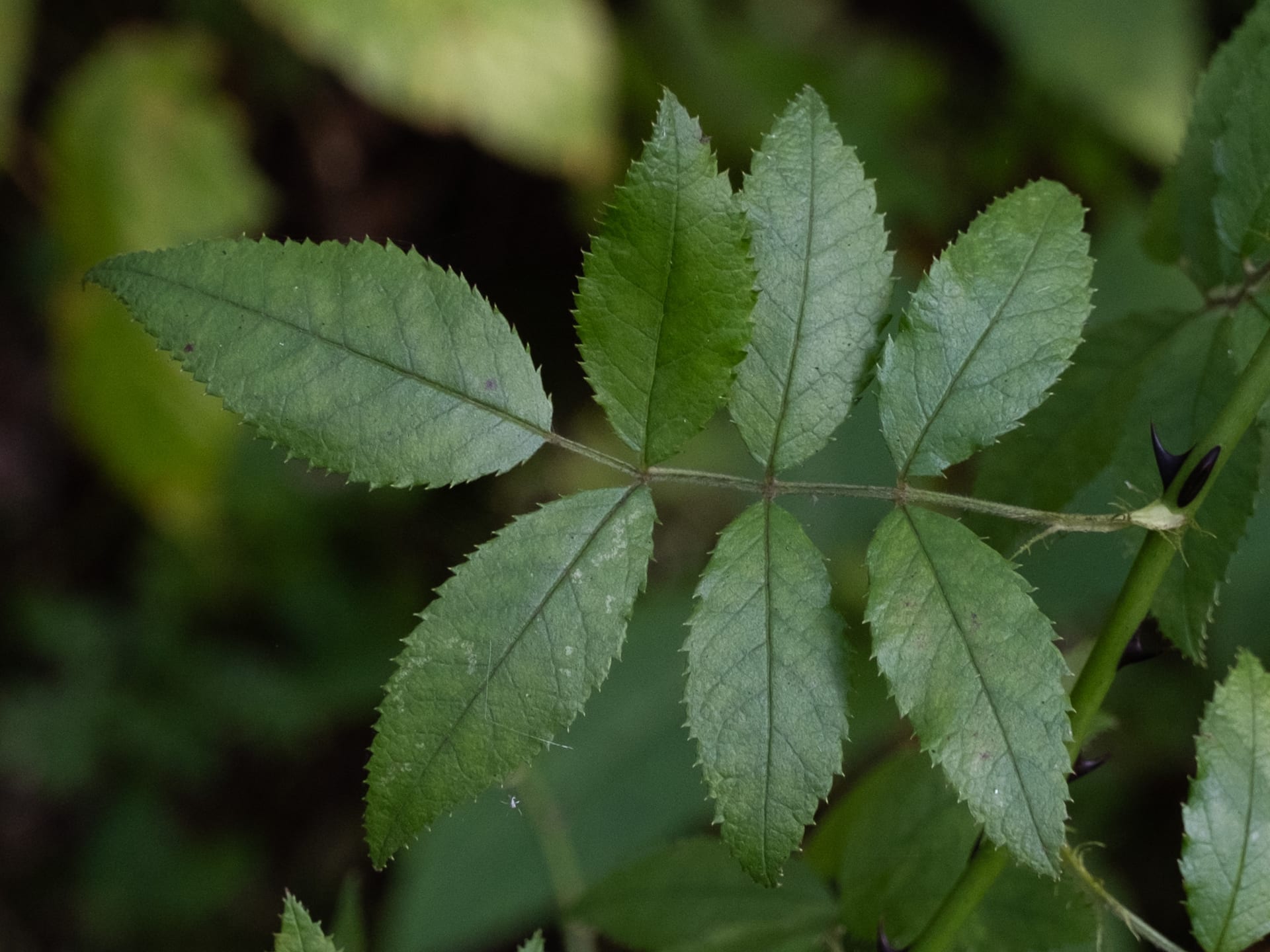
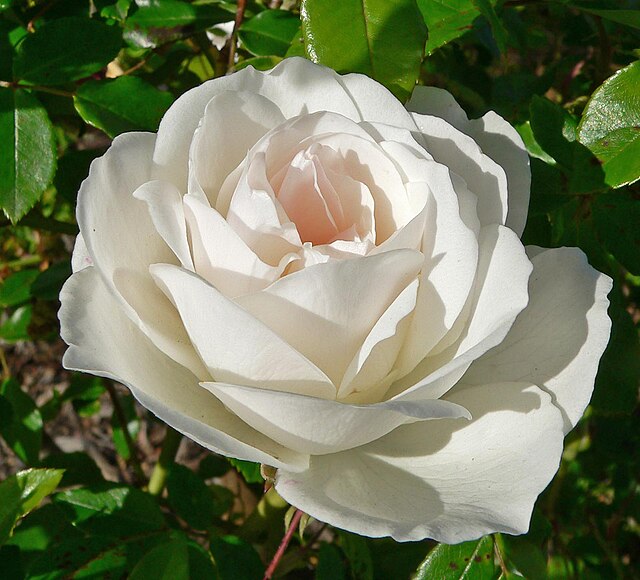
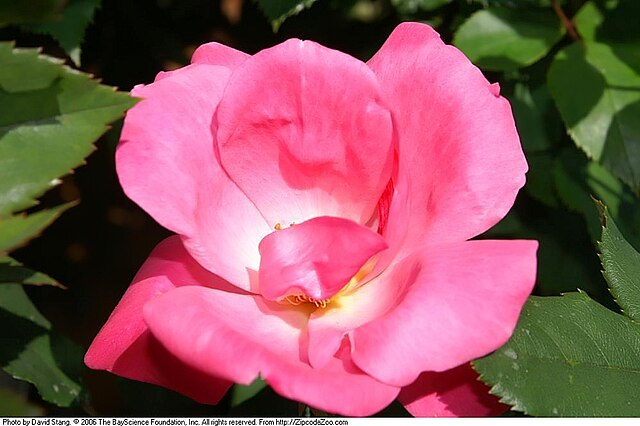
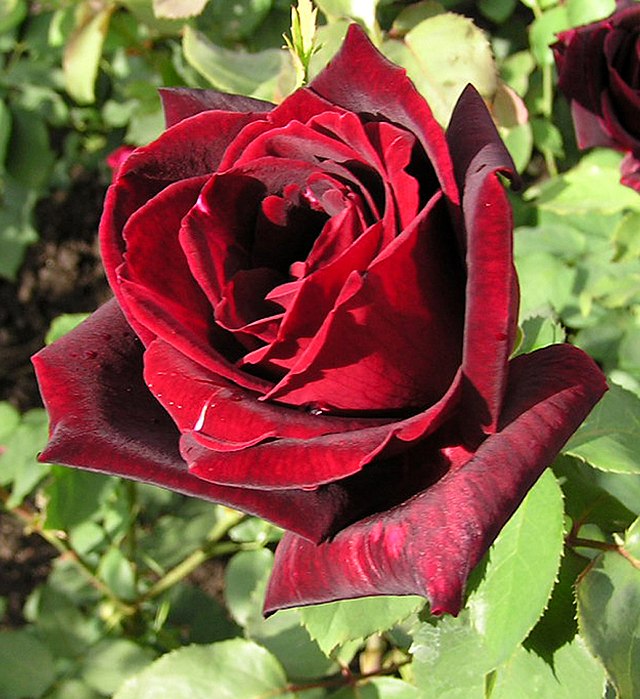
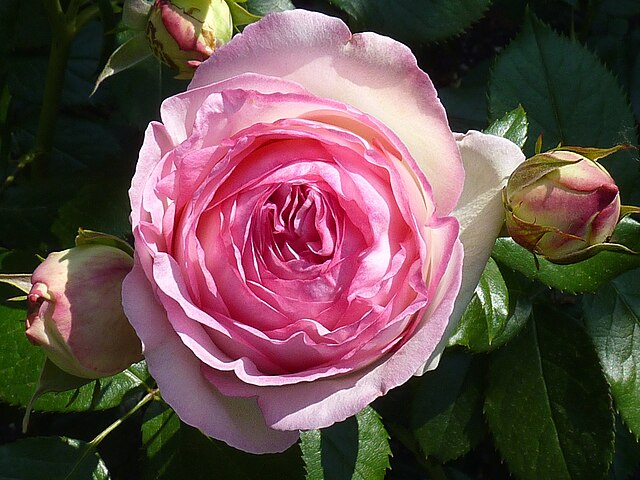
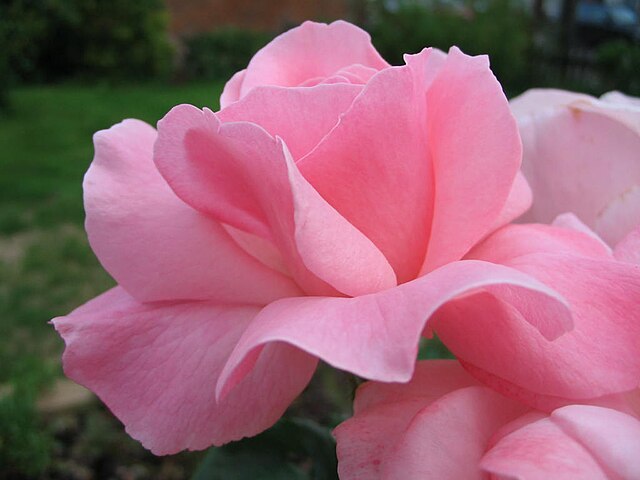
Roses are called the "queen of flowers" and are one of the most popular plants in gardening. However, with countless varieties and multiple types of seedlings available, beginners often struggle with how to choose. This article explains tips for purchasing rose seedlings online and planting methods.
Differences Between Large Seedlings and New Seedlings
Rose seedlings come in two main types: "large seedlings" and "new seedlings." Understand each type's characteristics before choosing.
Large Seedlings
- Seedlings grown for more than one year since grafting
- Has 2–3 or more thick canes
- Roots are well-established; grows quickly after planting
- Available October through March (peak autumn-winter)
- Price: approximately ¥2,500–¥5,000
- Most recommended for beginners
New Seedlings
- Young seedlings, approximately 6 months from grafting
- Thin canes; the plant is not yet well-developed
- Price is about half that of large seedlings; affordable
- Available April through June
- Price: approximately ¥1,000–¥2,500
- In the first year, pinch off buds to focus on developing the plant rather than flowering
Bare-Root and Potted Seedlings
- Bare-root seedlings: Roots exposed. Sold only in winter. Affordable.
- Potted seedlings: Pre-planted in containers. Available year-round. Can enjoy flowers immediately.
For beginners, purchasing large seedlings sold in autumn and winter is recommended.
Tips for Choosing Varieties
Roses come in tens of thousands of varieties. Narrow down your choices with the following points.
Choose by ease of cultivation (beginner-friendly varieties)
- Knockout: Extremely disease-resistant; blooms even with minimal care
- Iceberg: A renowned white rose. Hardy with excellent blooming.
- Pierre de Ronsard: A representative climbing rose. Showy flowers and disease-resistant.
- Queen Elizabeth: Large pink blooms. Difficult to fail with as a beginner.
Choose by growing space
- For container growing: Bush-type. Grows compact.
- For fences and arches: Climbing roses. Requires ample space.
- For flower beds: Shrub-type. Adds color to beds with a natural form.
Choose by fragrance
- Damask fragrance: Classic rose scent (such as Fragrant Cloud and Papa Meilland)
- Tea fragrance: Crisp, tea-like scent
- Fruity fragrance: Sweet, fruit-like scent
Choose by flowering pattern
- Repeat blooming: Flowers repeatedly from spring through autumn (beginner-friendly)
- Once-blooming: Flowers once in spring with showy display
- Occasional rebloom: Occasional flowers after spring
Online Shopping Considerations
Points to verify when purchasing rose seedlings online.
What to check in the product listing
- Whether the variety name is correctly stated
- The type of rootstock (Rosa multiflora is standard)
- When the grafting was done (indicates the seedling's age)
- Whether the photo shows the actual plant (especially important for large seedlings, which vary greatly between individuals)
Shipping considerations
- Whether bare-root seedlings are wrapped in moistened newspaper to prevent root drying
- Whether potted seedlings are packaged to prevent soil spillage
- Whether there is protection against branch breakage
- Specify a delivery date when you can open the package immediately
Seedling characteristics to avoid
- Excessively thin canes (only thinner than a chopstick)
- Long, pale shoots (evidence of leggy growth in darkness)
- Swelling or knots at the base (possible crown gall disease)
- Mold present
Planting Instructions for Seedlings Upon Arrival
Steps for planting received rose seedlings for healthy growth.
For bare-root seedlings
- Soak the roots in water for 2–3 hours immediately upon arrival
- Trim any damaged roots with scissors
- Dig a hole at least 40 cm deep and wide (for pots, use a size 8 or larger)
- Mix base fertilizer (rose-specific) into the soil
- Plant so the graft union is above ground level
- Water thoroughly
- Install and secure a support stake
For potted seedlings
- Repot into a slightly larger container without disturbing the root ball
- Use rose-specific potting soil
- Keep the top of the root ball level with the new soil surface
- Water thoroughly
Post-planting care
- Keep in partial shade for one week after planting for recovery
- Water thoroughly when the soil surface feels dry
- Begin fertilizing two weeks after planting, then monthly
- For new seedlings, pinch off the first buds to establish the plant
Basic Rose Cultivation Techniques
Success in rose seedling selection depends more on seedling type and season than on flower appearance.
Understand the differences between large seedlings, new seedlings, and potted seedlings
| Type | Available | Characteristics |
|---|---|---|
| Large seedlings | October–February | 2-year-old plants; bloom substantially the year planted; beginner-friendly |
| New seedlings | April–June | First-year grafts; affordable but pinch buds the first year to build the plant |
| Potted seedlings (blooming stock) | Year-round | Select by flower color; roots may be pot-bound |
For your first rose, large seedlings in winter is most reliable. Attempting to flower new seedlings from the first year exhausts the plant before it's established.
Examine the graft union Check the swelling at the base (graft union) for cracks or mold, and verify that at least 2 thick canes emerge from it. Seedlings with weak graft unions will show markedly poorer growth afterward.
Check disease-resistance designations Japan's rainy season creates ideal conditions for black spot. Varieties with ADR certification or other disease-resistance designations require significantly less fungicide application.
Finding Roses and Flowers on GrowerDirect
On GrowerDirect, you can purchase seedlings confidently offered by rose breeders and flower growers. Detailed variety descriptions and photos of the actual plants ensure you can carefully confirm flower color and form. You can also consult about cultivation methods directly through messaging, making it ideal even for rose beginners.