Disease-Resistant Rose Variety Selection Guide | Varieties Strong Against Black Spot and Powdery Mildew
For disease management, the greatest concern in rose cultivation, we introduce carefully selected disease-resistant varieties. This guide explains the characteristics of varieties resistant to black spot and powdery mildew, the disease resistance trends by variety category, and tips for choosing varieties that can be grown with reduced pesticide use.
Key Takeaways
For disease management, the greatest concern in rose cultivation, we introduce carefully selected disease-resistant varieties. This guide explains the characteristics of varieties resistant to black spot and powdery mildew, the disease resistance trends by variety category, and tips for choosing varieties that can be grown with reduced pesticide use.
Related Species
Before Choosing Your Rose
Roses are among the flowers with the most varieties in the world—over 30,000 species are said to exist globally. Beyond their beautiful appearance, you can select roses based on many criteria including "ease of cultivation," "disease resistance," "fragrance," and "flower form."
Beginners often fail at first by "choosing based solely on appearance, then struggling with management." One of the greatest obstacles in rose cultivation is disease management. In particular, black spot (black point disease) and powdery mildew cause the most significant damage in domestic rose cultivation, and neglecting preventive measures can result in complete leaf drop and severe plant decline. This article focuses on detailed guidance for choosing varieties with strong disease resistance.
Understanding the Two Major Rose Diseases
Before selecting varieties, let's understand why disease resistance is important.
Black Spot (Black Point Disease)
Black spot is caused by a fungus called Diplocarpon rosae. Black spots appear on leaves, which gradually turn yellow and drop. It occurs especially easily during Japan's humid rainy season through summer, spreading through water on leaves. If left untreated, the entire plant becomes completely defoliated, significantly affecting flowering in the following year.
With low disease-resistance varieties, fungicide applications one to two times per week during the rainy season are not uncommon.
Powdery Mildew
Powdery mildew is caused by Sphaerotheca pannosa and manifests as a white powdery coating on leaves and new shoots. It occurs especially easily during spring and autumn when temperature fluctuations between day and night are large, and spreads even in dry environments. New shoots may become deformed, and buds may fail to open.
By choosing disease-resistant varieties, you can greatly reduce the frequency of pesticide applications and achieve management close to organic or pesticide-free cultivation.
Rose Categories and Disease Resistance
Disease resistance trends vary significantly depending on the variety category.
Hybrid Tea (HT)
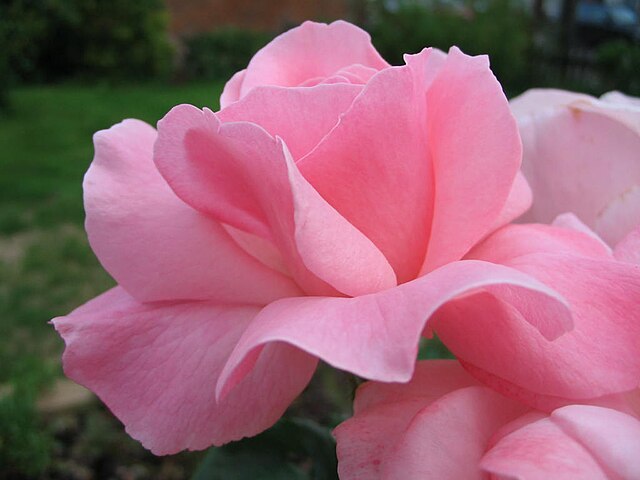
The most common cut flower rose with high-centered form (flowers with a high, pointed center). While large and showy, disease resistance varies significantly by variety. Many varieties are generally susceptible to disease, and since disinfection and management are essential, this is a somewhat challenging category for beginners. However, in recent years, breeding efforts emphasizing disease resistance have advanced, and long-lived varieties like Queen Elizabeth exist—bred more than half a century ago yet hardy with stable repeat-flowering characteristics.
Shrub Roses
A category with many vigorous, easy-to-grow varieties. English Roses (from David Austin) fall into this category, characterized by rich fragrance and fully petaled flowers. Many varieties have relatively high disease resistance, making them attractive to beginners.
Floribunda
Roses with small to medium flowers blooming in clusters. Many varieties have better disease resistance than hybrid teas, and many have repeat-flowering characteristics. Suitable for both garden and container cultivation.
Climbing Roses
Climbing roses that adorn walls and fences are a category with vigorous, disease-resistant varieties. Among them, New Dawn is a historic variety with pale pink medium-sized flowers blooming in clusters, known for high disease and cold resistance, and is reputed to be easy to handle for those trying climbing roses for the first time.
Miniature Roses
Compact in size and suited to container cultivation, with many varieties easy for beginners to grow. However, because plants are small, recovery from disease is slow, making it important to choose disease-resistant varieties.
Recommended Disease-Resistant Varieties
English Roses (Shrub Type)
Pat Austin: Rich cup-form flowers in deep orange-apricot. Hardy with high resistance to both black spot and powdery mildew, blooming repeatedly well. Fragrant and ideal for garden planting.
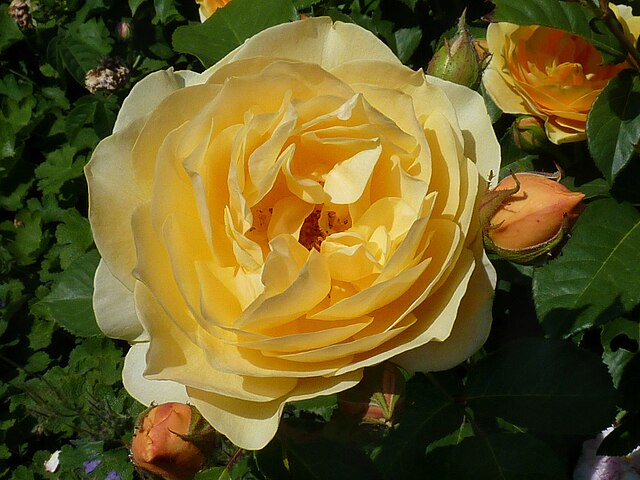
Golden Celebration: Large golden-yellow flowers with a sweet fragrance reminiscent of honey and vanilla. Strong resistance to black spot, making it reliable even in rainy regions.
Abraham Darby: A representative English Rose with large cup-form flowers blending peach and apricot, excellent repeat-flowering. Growing into a large plant suitable for use as a garden focal point, with relatively stable disease resistance.
Graham Thomas: A celebrated flower in bright yellow. Hardy with black spot resistance and a standard easy-to-grow variety for beginners.
Japanese Breeding (Domestic Varieties)
In recent years, Japanese rose breeders have developed numerous disease-resistant varieties suited to Japan's hot and humid climate. Domestic varieties from nurseries like Keisei Rose Garden and Motohashi Rose Garden are selected with consideration for both black spot and powdery mildew resistance, making them particularly well-suited to cultivation in domestic conditions. Be sure to check for disease resistance markings such as "strong black spot resistance" or "strong powdery mildew resistance" at purchase.
Rose-form Julia series (Miniature Roses): Compact yet disease-resistant, ideal for container and balcony cultivation.
Floribunda Series
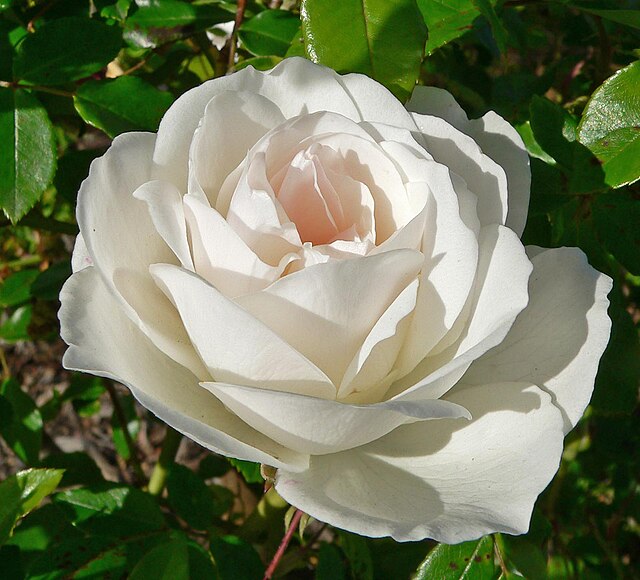
Iceberg: A celebrated floribunda with pure white flowers in clusters. Strong against powdery mildew (while susceptible to black spot, it recovers well), this hardy variety is widely cultivated worldwide.
Leonardo da Vinci: Pink rosette-form flowers resistant to both black spot and powdery mildew with easy management. Bred by the French firm Meilland and highly regarded internationally.
Cornelia: A hybrid musk with small apricot-pink flowers in clusters. Robust overall, disease-resistant, and semi-climbing—easily trained for archways—making it a manageable variety.
Miniature Roses
Sweet Chariot: Purple-toned small flowers in clusters. High disease resistance, suitable for beginners. Fragrant and enjoyable even in containers.
The Fairy: A polyantha with pale pink small flowers in weeping clusters, reputed for hardiness. Disease-resistant and vigorous even with minimal care, providing assurance for those trying miniature or groundcover roses for the first time.
Five Points for Choosing Varieties
- Always check disease resistance labels: Look for markings such as "strong black spot resistance" or "powdery mildew resistance" on variety description pages or plant labels. Varieties without such markings warrant caution.
- Confirm repeat-flowering ability: Repeat-blooming varieties can be enjoyed twice annually (spring and fall). Once-blooming varieties flower only in spring but tend to be more vigorous.
- Narrow down by fragrance preference: If fragrance is important, choosing from shrub or old-rose types tends to yield greater satisfaction.
- Confirm planting space size: Shrub roses can grow to 2–3 m, so miniature or floribunda types are better suited for containers or limited space.
- Adapt to your region's climate: In areas with long rainy seasons and high rainfall, prioritize black spot resistance; in inland arid regions, prioritize powdery mildew resistance.
Summary
For beginning rose cultivation, "choosing disease-resistant varieties" is the most reliable path to success. In particular, English rose shrub types are relatively easy to manage and fragrant, allowing you to enjoy beautiful flowers while minimizing pesticide use.
Start by gaining experience with disease-resistant and beautiful varieties such as Golden Celebration, Leonardo da Vinci, or Queen Elizabeth and The Fairy, which are known for hardiness. Gradually progressing to more challenging varieties is most recommended. By building on "ease of cultivation," the joy of growing roses will endure.