Complete Guide to Growing Climbing Roses | Training, Pruning, and Training on Arches and Fences
A comprehensive guide to growing climbing roses. Learn about selecting varieties, training on arches and fences, winter pruning and shaping, and pest and disease management to get your climbing roses to bloom beautifully.
Key Takeaways
A comprehensive guide to growing climbing roses. Learn about selecting varieties, training on arches and fences, winter pruning and shaping, and pest and disease management to get your climbing roses to bloom beautifully.
Related Species
The Appeal of Climbing Roses and Tips for Selecting Varieties
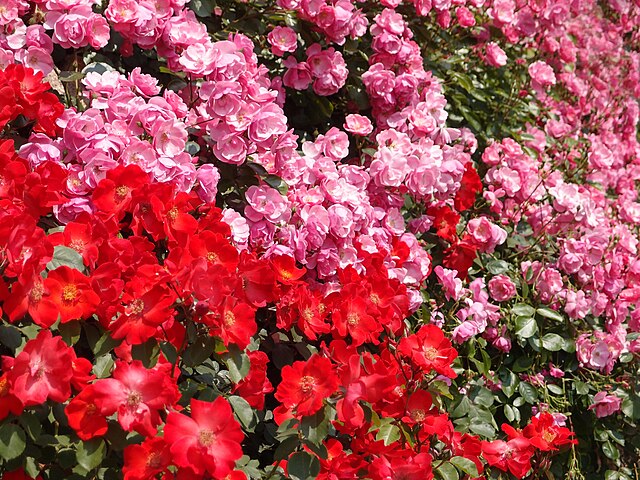
Climbing roses are the stars of gardens, adorning walls, arches, and fences with vibrant color. The way they extend long canes and bloom in three dimensions creates a presence that other plants cannot match. The "rose arches" and "walls covered in flowers" seen in English garden photographs are almost always made with climbing roses.
However, climbing roses are not a plant that blooms on their own once planted. To train them beautifully requires both training technique and knowledge of variety selection. Choosing a variety suited to your garden's environment is the first step to success. For those who want to learn the basics of cultivation first, the Beginner's Guide to Growing Roses is also recommended.
Varieties by Bloom Type
Climbing roses come in three bloom types: once-blooming, repeat-blooming, and everblooming.
- Once-blooming: Blooms only once in spring, but with abundant flowers. Relatively simple to manage.
- Repeat-blooming: Blooms heavily in spring and again lightly in autumn. Mid-range characteristics.
- Everblooming: Blooms repeatedly from spring through autumn. Requires regular deadheading.
Recommended Varieties
| Variety | Flower Color & Form | Characteristics |
|---|---|---|
| Pierre de Ronsard | Pale pink, cup-shaped | Hardy and beginner-friendly. Abundant flowers (once-blooming) |
| Angela | Deep pink, semi-double | Disease-resistant and highly floriferous. Perfect for fences and arches |
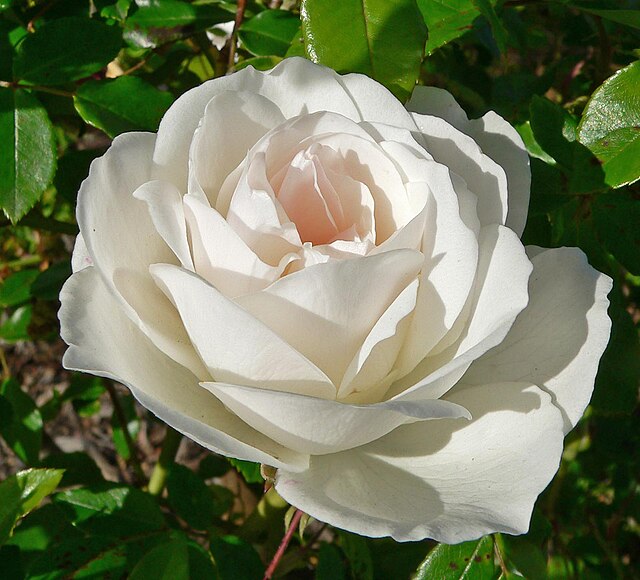
| Shinyuki | Pure white, large blooms | Some repeat bloom. Striking against white walls |
| Cocktail | Red and yellow, single | Flexible canes, easy to train. Hardy and easy to grow |
| Climbing Iceberg | White, cluster-flowered | Blooms well even in partial shade. An excellent variety |
The size of the installation space is also an important criterion in variety selection. Large-growing varieties are suitable for expansive spaces like walls and lattices, while compact varieties work better on arches and obelisks. Be sure to check the maximum cane length in the catalog before purchasing.
Methods for Training on Arches and Fences
Training is the most important task, greatly affecting how abundantly a climbing rose blooms. Whether you train correctly or not can result in flowering being several times more or less abundant the following spring.
Timing for Training
The best time for training is December to January. This is when leaves have fallen and canes are more visible, and flexibility increases. The lower the temperature, the less likely branches are to break, so the trick is to work on cold days.
Basic Principle of Training: Lay Canes Horizontally
The most important aspect of training is to "lay canes as horizontally as possible." If left vertical, flowers concentrate only at the tips, but by laying them horizontally, flowering branches emerge from each node more easily, resulting in flowers blooming uniformly across the plant.
Training Techniques by Installation Location
For arches
- Wrap canes from both sides spiraling around each other
- Wrapping from opposite directions helps balance the weight distribution
- The top becomes especially dense, so be mindful of spacing as you train
For fences
- Spread canes in a fan shape and secure with twine or garden clips
- Spacing adjacent canes 20-30 cm apart improves air circulation
- Old canes (those over 3 years old) produce fewer flowers, so plan to update them with new ones
Bending canes too forcefully will break them. The trick is to train gradually over several days, adjusting the angle bit by bit. Heavy-duty leather rose gloves are essential for this work.
Winter Pruning and Shaping Philosophy
Pruning climbing roses is fundamentally different from pruning shrub roses. While shrub roses are cut back almost entirely each year, the basic approach with climbing roses is to manage them while preserving the long main canes.
Basic Pruning Rules
- Don't cut back main canes: The basic approach is to extend them long and use them for training. Only trim the tips slightly.
- Cut back lateral branches: Flowers bloom on short laterals emerging from the canes. Cut these back leaving 2-3 buds.
- Remove unneeded growth: Remove dead branches, branches that are too thin, and branches that cross and restrict air flow.
Pruning Differences by Bloom Type
- Once-blooming varieties: After flowering, cut old canes near the base to encourage new cane growth. New canes become the main source of next year's flowers.
- Everblooming and repeat-blooming varieties: Regularly deadhead spent flowers to encourage the next bloom cycle. In early autumn, lightly cut back lateral branches.
While pruning may seem like the same work repeated each year, the plant form develops and matures over time. After 3-5 years, you will experience the joy of your accumulated care bearing fruit as a beautiful wall of roses.
Basics of Pest and Disease Management and Fertilizing
Climbing roses tend to have dense foliage, making them prone to pests and diseases. Preventive management and early detection are key to keeping plants healthy. For detailed symptom identification, see the Rose Pest and Disease Guide.
Major Diseases and Management
Black spot This disease is most common during the rainy season. Black spots appear on leaves and, if left untreated, cause defoliation. Prevention is effective by spraying lime sulfur after winter leaf fall. If the disease appears, promptly remove affected leaves and treat with fungicide.
Powdery mildew This appears in spring and autumn, with leaves and new growth becoming covered in a white powder. Ensuring good air circulation is the best prevention. If caught early, it can be controlled with specialized fungicide.
Major Pests and Management
- Aphids: Congregate heavily on spring growth. Remove by hand as soon as found or treat with pesticide.
- Rose sawfly: Lay eggs in stems, and larvae feed on leaves. Detect egg scars (vertical cracks) early and prune off affected branches.
- Spider mites: Proliferate during dry periods after rainy season ends. Manage by watering leaf undersides or spraying with pesticide.
For those interested in companion planting to deter pests, Rose Companion Planting is also useful.
Fertilizing Schedule
| Timing | Fertilizer Type | Purpose |
|---|---|---|
| February | Winter fertilizer (organic) | Building foundations for spring growth |
| After flowering (May-June) | Thank-you fertilizer (slow-release) | Recovery after blooming |
| September | Autumn fertilizer (slow-release) | Autumn reblooming and next year's flower bud formation |
Mulching around the base of plants with bark compost or straw helps prevent soil drying, prevents black spot, and insulates the roots.
GrowerDirect's Safety and Trust System
Where you buy climbing rose plants largely determines your success in growing them. Home centers often lack detailed variety information, and it's common to end up purchasing plants unsuited to your garden's environment.
With GrowerDirect, you can purchase plants directly from rose-specialist growers. The greatest benefit is being able to consult directly with growers about:
- Variety recommendations suited to your arch or fence size
- Management advice tailored to your region's climate and sun exposure
- Specific timing and techniques for training and pruning
- A traceable contact point if pests or diseases appear
Additionally, since GrowerDirect operates on a completely commission-based model, growers can focus on providing high-quality plants along with proper care information. Buyers benefit from knowing exactly who grew the plants, unlike anonymous bulk sales sites, providing peace of mind in their purchase. If you're unsure about variety selection before buying, the Rose Buying Guide is also helpful.
With the right knowledge and trustworthy plants, climbing roses will always create a beautiful flowering display. Find the climbing rose that's right for your garden on GrowerDirect.