How to Propagate Roses from Cuttings | Techniques to Increase Success Rate
A detailed explanation of rose cutting propagation, from timing and selecting cuttings to soil and care methods. We have summarized the tips for increasing success rates.

Key Takeaways
A detailed explanation of rose cutting propagation, from timing and selecting cuttings to soil and care methods. We have summarized the tips for increasing success rates.
Related Species
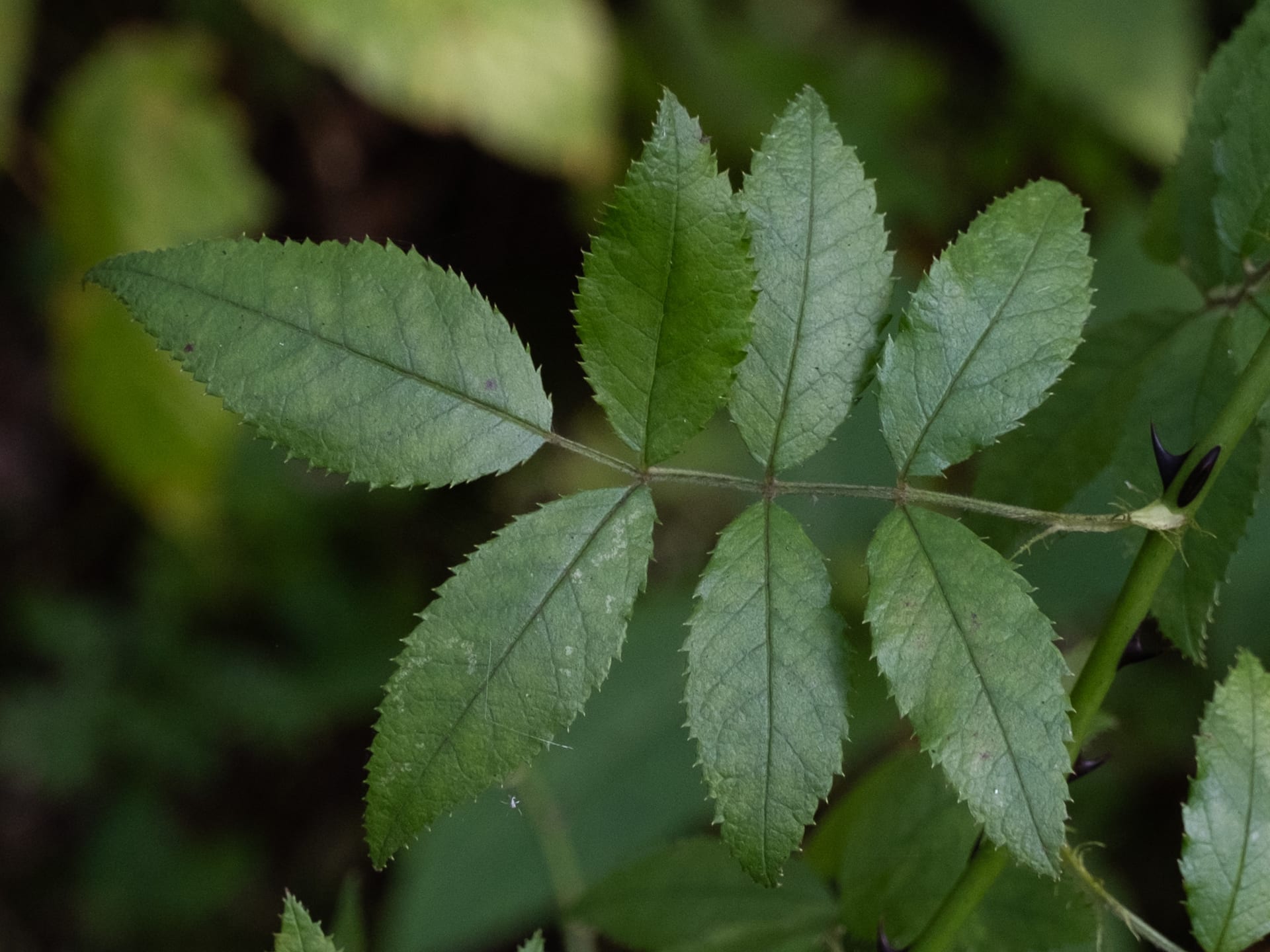
Rose propagation from cuttings is an enjoyable way to propagate your favorite varieties yourself. Unlike grafting, it requires no special techniques and is a propagation method that even beginners can attempt. Here, we will explain in detail the techniques for increasing success rates.
Optimal Timing for Cuttings
June (Rainy Season Cuttings): Highest Success Rate The rainy season is a period of high humidity, which prevents the cuttings from drying out, making it the easiest time to succeed. It is also convenient that pruning branches from after the first flush of spring flowers can be used.
September–October (Autumn Cuttings) Use pruning branches from autumn roses. While rooting does occur, the cuttings may not have enough vigor to overwinter, so winter frost protection is necessary.
February (Winter Cuttings / Dormant Cuttings) This method uses branches from winter pruning. Rooting is slow, but growth accelerates rapidly as spring temperatures rise.
Preparing the Cuttings
Selecting Branches
- Branches with finished flowers (flowering branches) are optimal
- Select firm, pencil-thick branches
- Healthy branches free of disease and pests
- New shoots (vigorous new growth) root easily
Cutting Method
- Cut branches to 10–15 cm in length
- Cut the upper end horizontally 5 mm above a bud
- Make an angled cut at the lower end below a bud (to increase the water absorption surface)
- Remove the lower half of leaves
- Keep 2–3 leaves at the top (for photosynthesis)
- If the remaining leaves are large, cut them in half to reduce transpiration
Treating the Cut Apply a thin layer of rooting hormone (rooting promoter) to the lower cut. Applying too much is counterproductive; simply dusting on the powder is sufficient.
Soil and Containers
Soil Soil formulated specifically for cuttings is safest. The most important condition is that it be clean and free of harmful microorganisms.
- Red ball clay (small grade) alone
- Kanuma soil (small grade) alone
- Vermiculite alone
- Red ball clay and perlite in a 1:1 ratio
Regular potting soil and leaf mold contain many microorganisms and carry a high risk of rot; do not use them.
Containers Seedling pots or deep plastic containers are easy to handle. Confirm that drainage holes are present.
Insertion and Care
1. Thoroughly Moisten the Soil Saturate the soil with water before inserting the cuttings.
2. Make a Hole and Insert Make a hole with a wooden stick or similar before inserting the cutting. Pushing directly can strip the rooting hormone from the cut surface. Insert to a depth of one-third to one-half the cutting's length.
3. Gently Firm the Soil Around the Cutting Gently firm the soil around the cutting to stabilize it.
4. Management Conditions
- Place in bright shade, out of direct sunlight
- Cover with a plastic bag or clear cover to retain moisture (do not seal; provide ventilation)
- Mist regularly to keep the soil from drying out
- Ideal temperature is 20–25°C
Time Until Rooting
It varies by variety, but roots typically develop in 3–6 weeks. If you gently tug on the cutting and feel resistance, it has rooted. New growth emerging is also a sign of rooting.
Care After Rooting
- Gradually open the cover to acclimate the cuttings to air
- Gradually increase light exposure
- Pot up into individual containers about one month after rooting
- After potting up, switch to normal rose care
Techniques to Increase Success Rate
Freshness is Key Immediately after cutting the branch, soak it in water for 1–2 hours before inserting. Drying of the cut surface significantly reduces the rooting rate.
Clean Tools Disinfect scissors with alcohol before use. This minimizes contamination by harmful microorganisms.
Insert Multiple Cuttings Since not all cuttings will root, inserting 5–10 cuttings at once gives better results.
Difficulty by Variety Miniature and Floribunda roses root easily, while Hybrid Teas are somewhat more difficult. Beginners are advised to start with miniature roses.
Important Notes
Roses propagated from cuttings become own-root plants. While their initial growth may be slightly slower than grafted plants, they grow equally well in the long term. Note that propagating registered rose varieties for commercial purposes may be prohibited by law; please limit propagation to personal enjoyment.
Basic Rose Growing Techniques
The success or failure of cutting propagation is determined mainly by branch selection and timing rather than technique.
Select fully mature branches immediately after flowers have finished Soft new shoots rot, and overly hardened old branches do not root. Branches cut when deadheading are at just the right maturity; the benchmark is that they bend flexibly under finger pressure and spring back smoothly.
Rainy season cuttings have the highest success rate During the rainy season in June, conditions favor rooting because temperatures and humidity are high and transpiration is minimized. The next best time is autumn cuttings in September. Avoid midsummer and midwinter.
Keep in shade, covered, and undisturbed until rooting For 3–4 weeks after insertion, keep the cuttings in bright shade and cover them with plastic to maintain humidity. The key trick is not to pull them out to check during this period. Once new growth appears, gradually acclimate them to outdoor conditions.
Grafted varieties may weaken on their own roots Most commercially available roses are grafted onto wild rose rootstock. Since cuttings become own-root, some varieties may lose vigor. It is advisable to confirm whether a variety can thrive on its own roots before propagating it.
Find Rose Cuttings Suitable for Propagation on GrowerDirect
On GrowerDirect, you can consult with growers about varieties that are easy to propagate from cuttings. Beginners are encouraged to start with hardy varieties that root easily.