Rose Organic Cultivation Guide | Pest and Disease Control Using Natural Methods
We explain how to use wood vinegar, neem oil, beneficial insects, companion plants, and how to choose disease-resistant varieties.
Key Takeaways
We explain how to use wood vinegar, neem oil, beneficial insects, companion plants, and how to choose disease-resistant varieties.
Related Species
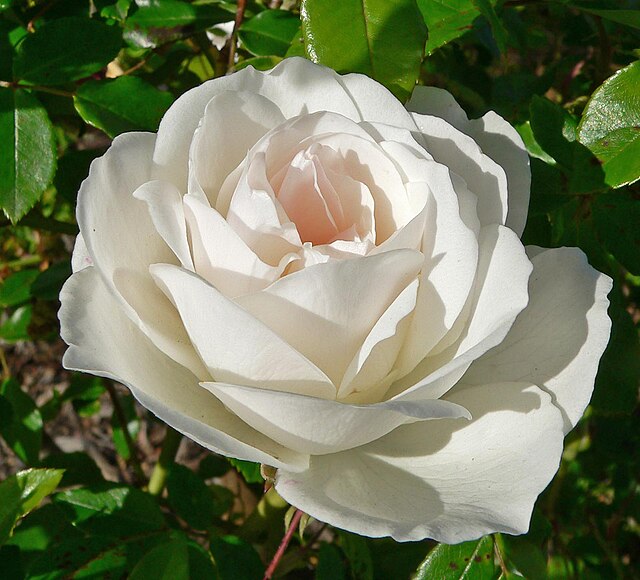
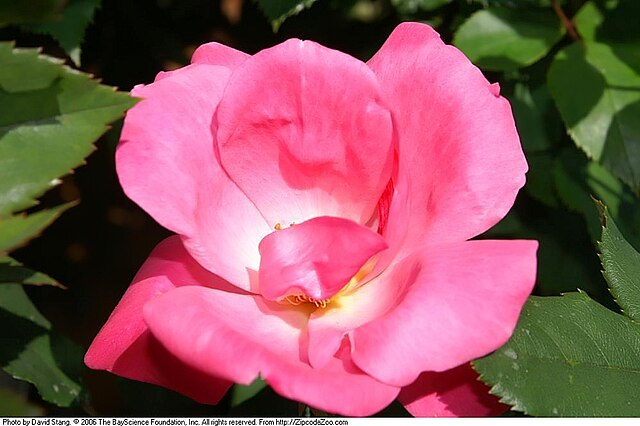
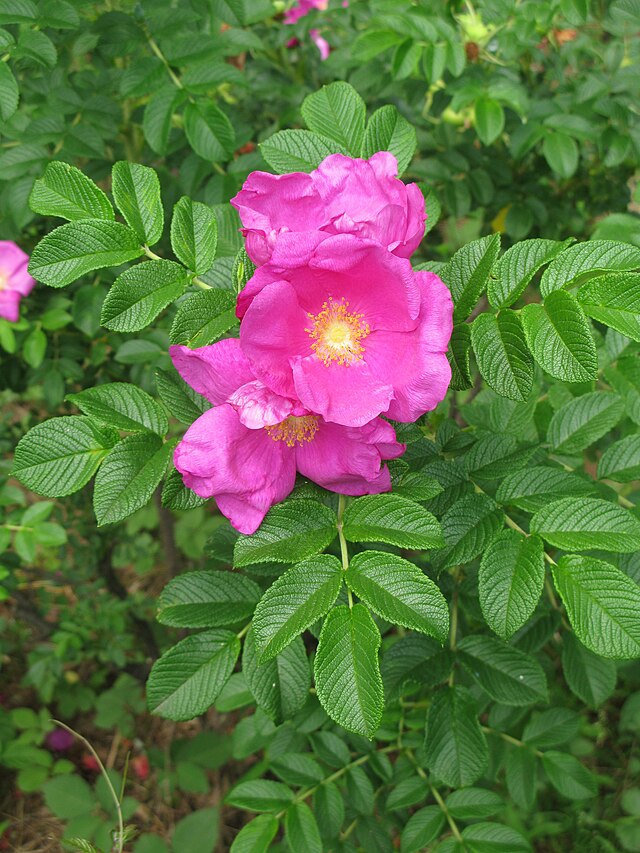
While pesticides are often thought to be essential in rose cultivation, more and more enthusiasts are now enjoying beautiful roses through pesticide-free and organic growing methods. The emergence of disease-resistant varieties, the availability of natural materials, and the spread of biological pest control using beneficial insects have made it entirely possible to grow roses without relying on chemical pesticides. In this article, we introduce safe and environmentally-friendly organic cultivation methods for roses.
Basic Principles of Organic Cultivation
Organic cultivation is a method of growing plants without using synthetic pesticides or chemical fertilizers, leveraging the natural ecosystem. In rose organic cultivation, the following principles form the foundation.
- Prioritize prevention: Rather than dealing with pests and diseases after they occur, creating an environment where they are unlikely to appear is the top priority
- Soil building is fundamental: Healthy soil nurtures healthy plants and increases their resistance to pests and diseases
- Maintain ecosystem balance: Preserve the balance of the entire ecosystem, including not just harmful insects but beneficial insects as well
- Variety selection is crucial: By choosing disease-resistant varieties, you can produce beautiful flowers without pesticides
You don't need to aim for perfection. The key to continuing organic cultivation is having the mental flexibility to tolerate some insect damage and leaf blemishes.
Soil Building and Organic Fertilizers
Success in organic cultivation begins with quality soil building.
Soil Amendment Basics
- Incorporate ample compost and leaf mold to create soil rich in microorganisms
- Bark compost is an excellent material that simultaneously improves soil water retention and drainage
- Cattle manure compost is rich in nitrogen and supports vigorous rose growth
- Use fully matured compost. Immature compost damages roots through fermentation heat and gases
Types and Application Methods for Organic Fertilizers
- Oil cake: Rich in nitrogen. Use fermented solid-type varieties as winter fertilizer
- Bone meal: Rich in phosphorus and improves flowering. Commonly mixed and used with oil cake
- Rice bran: Serves as food for microorganisms and increases soil microbial activity. Spread thinly on the surface and incorporate
- Wood ash: Contains potassium and strengthens roots and stems. Use carefully as it is alkaline
- Fish meal: A well-balanced organic fertilizer containing nitrogen and phosphorus with quick-acting properties
Natural Materials for Pest and Disease Control
There are many natural materials that can be used as alternatives to chemical pesticides.
Wood Vinegar A liquid obtained by cooling smoke produced when burning charcoal. Dilute 200–500 times and apply. It has both sterilizing and insect-repelling properties, and helps activate soil microorganisms. Regular application (approximately once weekly) enhances preventive effects.
Neem Oil Oil extracted from the seeds of the neem tree. The active compound azadirachtin reduces insect appetite and inhibits growth. It is effective against aphids, spider mites, and Japanese beetles. Dilute 500–1000 times and apply every 7–10 days.
Baking Soda (Sodium Bicarbonate) Effective for early prevention of powdery mildew. Dilute 500–1000 times, add a spreader (a few drops of cooking oil), and apply. It is a safe material with pesticide registration.
Lime-Sulfur Mixture A traditional material applied during the dormant period (December–February). Highly effective against overwintering pathogens and scale insects. Do not use during the growing season due to its strong irritant properties.
Chili Pepper and Garlic Spray A homemade repellent made by soaking chili peppers and garlic in distilled spirits. When diluted 500 times and applied, it repels aphids and cabbage worms. While not immediately effective, regular application provides preventive benefits.
Milk Spray Dilute milk with water to 2–3 times strength and apply. As it dries, a protein film suffocates aphids. The key is to apply it in the morning on sunny days and rinse with water in the evening.
Biological Control Using Beneficial Insects
By not using chemical pesticides, various beneficial insects will inhabit your garden. Let's actively utilize these natural enemies.
- Ladybugs: A representative natural enemy of aphids. One adult consumes 50–100 aphids per day. Larvae have an even voracious appetite
- Praying mantis: A garden sentinel that preys on various pests. Protect egg cases carefully if you find them
- Hover flies: Beneficial insects that gather on flowers. Larvae prey on aphids. They naturally congregate in gardens with flowers
- Spiders: Spin webs to capture various pests. Often disliked by appearance, but greatly contribute to pest control in gardens
- Flat hover flies: Larvae voraciously prey on aphids. Adults resemble hover flies and feed on flower nectar
The trick to attracting beneficial insects is, in addition to avoiding pesticides, creating diverse flowers and providing sources of nectar and pollen. Planting herbs and perennials as companion plants is effective.
How to Choose Disease-Resistant Varieties
The success of organic cultivation is largely determined by variety selection. By choosing disease-resistant varieties, you can enjoy beautiful flowers without pesticides.
Recommended Disease-Resistant Varieties
- Knock Out series: A signature variety for pesticide-free cultivation. Extremely resistant to black spot and powdery mildew. Available in many color variations including red, pink, and yellow
- Kordes roses: The German Kordes company is known for breeding with emphasis on disease resistance. Iceberg and Christiana are representative examples
- ADR-certified varieties: The German ADR (Allgemeine Deutsche Rosenneuheitenprüfung) certification is awarded only to varieties that have been tested pesticide-free for two years and proven for disease resistance. Varieties with the ADR mark are ideal for organic cultivation
- Rosa rugosa species: The species rose Rosa rugosa and its hybrids are extremely disease-resistant. They also offer beautiful rose hips after flowering
Variety Selection Checklist
- Does it have high ratings for black spot resistance?
- Does it have high ratings for powdery mildew resistance?
- Does it have strong vigor and good recovery ability?
- Is it suited to the regional climate?
Year-Round Organic Management Schedule
In pesticide-free cultivation, preventive management throughout the year is important.
- January–February (Dormant period): Apply lime-sulfur mixture. Apply organic fertilizer as winter fertilizer. Carefully remove old leaves and fallen leaves
- March (Bud break period): Begin regular neem oil applications. Activate microorganisms by watering the soil with wood vinegar
- April–May (Growth and flowering period): Apply neem oil once weekly. Remove aphids by hand or spray with water as soon as found
- June–July (Rainy season to midsummer): Time when black spot is likely. Thoroughly remove fallen leaves. Prune for good air circulation. Apply baking soda spray as prevention
- August–September (Late summer heat): Time when spider mites are likely. Prevent by spraying water on leaf undersides. Continue neem oil applications
- October–November (Autumn): Enjoy autumn roses. Don't forget to fertilize and remove fallen leaves
- December (Defoliation period): Carefully clean up fallen leaves and dead branches around the plant base. Reducing overwintering sites for pathogens is prevention for the next year
Find Disease-Resistant Rose Seedlings on GrowerDirect
Choosing healthy and vigorous seedlings is essential for successful organic cultivation. GrowerDirect allows you to purchase seedlings directly from growers engaged in pesticide-free and low-pesticide cultivation. A major advantage is that you can consult with growers directly about cultivation methods and disease-resistant varieties. Try searching for rose seedlings suitable for organic cultivation in the Rose & Flower category.