Organic Rose Growing Guide — Chemical-Free Rose Cultivation
Growing roses without chemicals: disease-resistant varieties, soil preparation, natural pest control, and companion planting strategies.
Key Takeaways
Growing roses without chemicals: disease-resistant varieties, soil preparation, natural pest control, and companion planting strategies.
Related Species
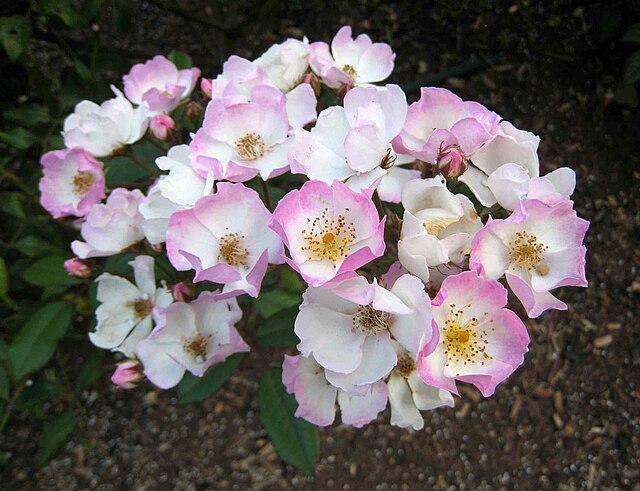
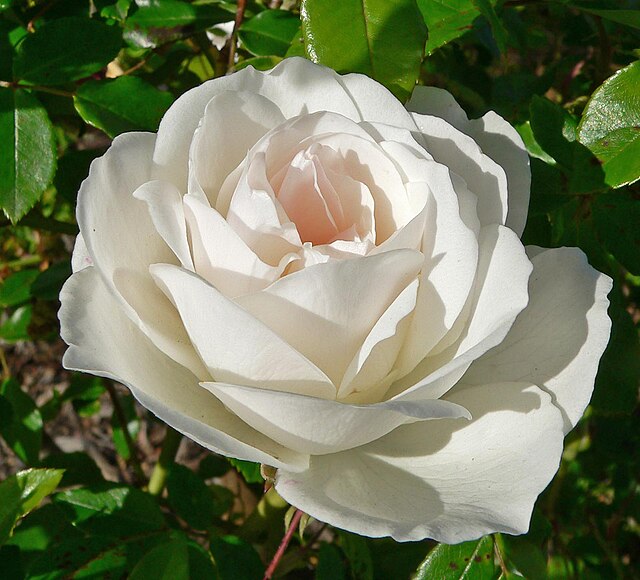
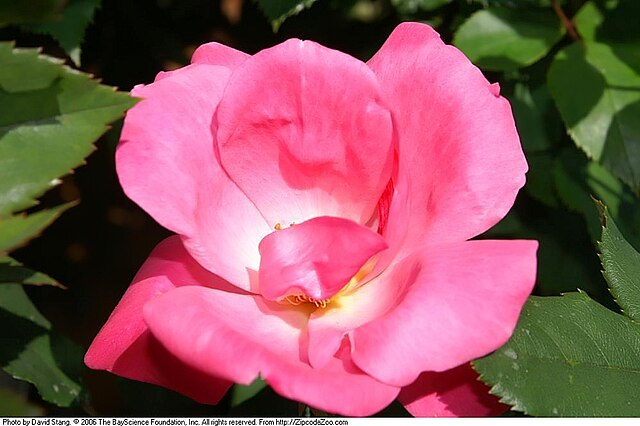
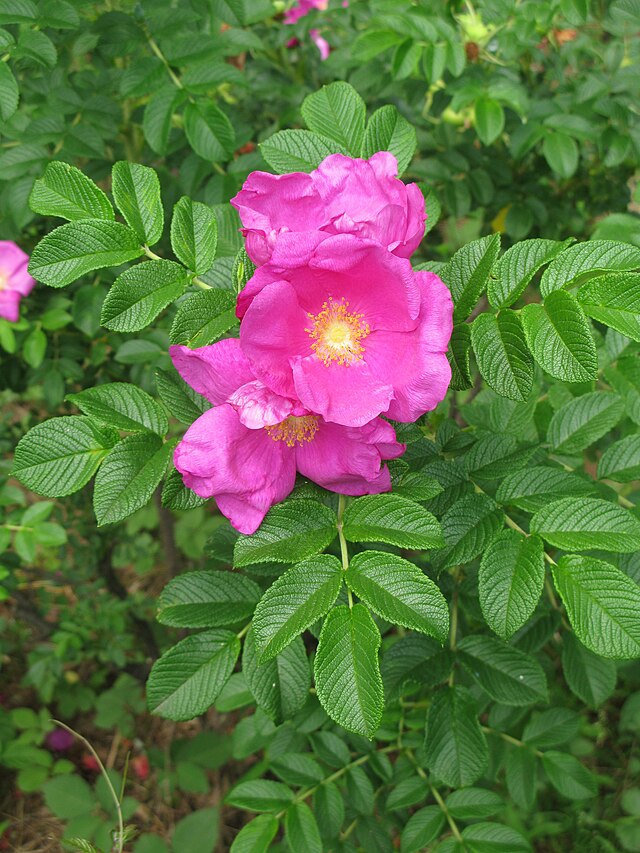
Growing roses organically means cultivating them without synthetic pesticides or fertilizers. While it requires more attention than conventional methods, organic rose cultivation produces healthier plants and chemical-free blooms.
Soil Preparation
Prepare the planting area with plenty of organic matter:
- Incorporate 5-10 cm of well-rotted compost or aged manure
- Mix in leaf mold or peat moss to improve water retention
- Ensure good drainage by amending heavy clay soils with sand
- Test soil pH (roses prefer 6.0-6.8)
Organic Fertilizing
Compost Tea Brew finished compost in water for 24-48 hours, then apply every 2-3 weeks during growing season.
Bone Meal High in phosphorus for flower development. Apply at planting and annually in spring.
Kelp Extract Provides trace minerals and growth hormones. Spray monthly.
Coffee Grounds Nitrogen-rich amendment. Mix into soil or use as mulch around plants.
Grass Clippings Nitrogen source when added fresh. Apply 5 cm layer as mulch.
Pest Management Without Chemicals
Companion Planting Plant garlic, chives, and lavender nearby to repel aphids and spider mites.
Beneficial Insects Encourage ladybugs, lacewings, and parasitic wasps that prey on pests.
Neem Oil Cold-pressed extract effective against mites, aphids, and mealybugs. Apply in evening.
Sulfur Dust Controls powdery mildew and some mites. Apply when temperatures are below 29°C.
Hand Removal For light infestations, handpick larger pests or prune affected portions.
Disease Prevention
Air Circulation Prune to open up the center of the plant, allowing air to flow through.
Mulching Apply 5-7 cm of organic mulch to prevent soil splash and fungal spore transmission.
Water Management Water only at the soil level in early morning. Never wet foliage.
Remove Infected Material Immediately remove diseased leaves and fallen debris.
Bicarbonate Spray Mix 1 tbsp baking soda + 1 tbsp horticultural oil + 1 tbsp insecticidal soap in 4 liters water. Spray weekly for powdery mildew.
Seasonal Organic Care Calendar
Spring - Remove winter mulch gradually - Apply compost around base - Begin fertilizing schedule - Watch for early pests
Summer - Deep watering twice weekly - Deadhead spent flowers - Monitor for pests daily - Apply neem oil as needed
Fall - Reduce nitrogen fertilizer - Continue deadheading - Prepare for dormancy - Clean up fallen leaves
Winter - Apply heavy mulch for frost protection - Avoid pruning in late fall - Allow soil to dry slightly between waterings
Mulching Strategy
Use 5-7 cm of organic mulch: - Wood chips (avoid fresh) - Bark mulch - Straw (weed-free) - Shredded leaves
Keep mulch 10 cm away from the stem to prevent rot.
Water Conservation
Organic cultivation benefits from water-wise practices: - Drip irrigation reduces foliar diseases - Soaker hoses deliver water directly to roots - Mulch conserves moisture between waterings - Collect rainwater for additional irrigation
Organic rose growing rewards patience and observation with disease-resistant plants and beautiful, fragrant blooms.