Agave Encyclopedia
Encyclopedia of popular agave varieties with traits, care guides, and pricing.
Featured Agave
Showing 5 of 139 species
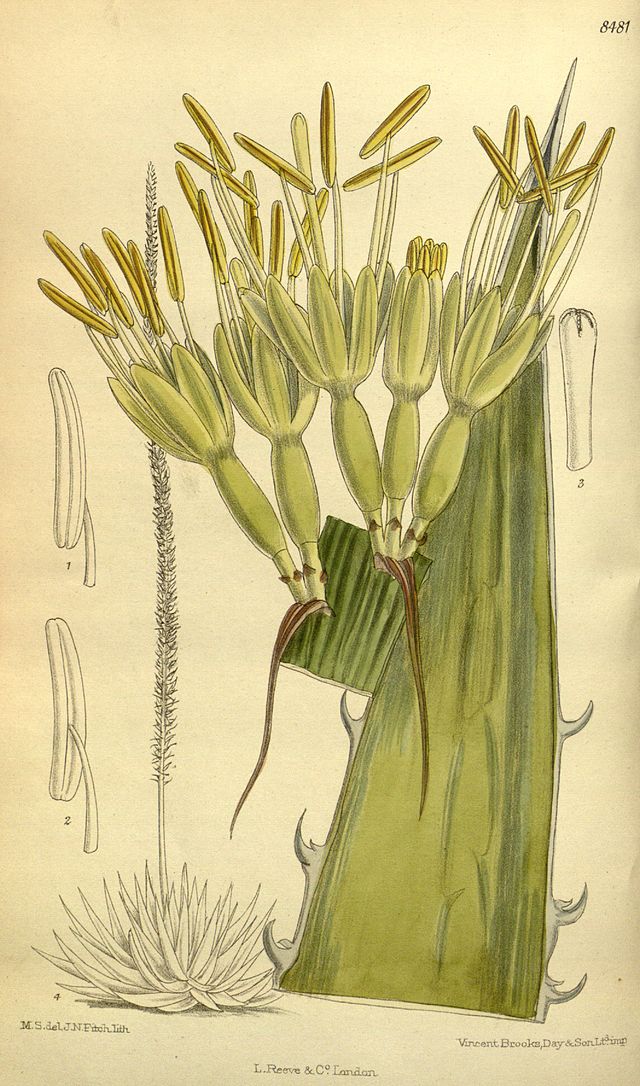 © M.S. del, J.N.Fitch , lith. / Public domain
Agave Difformis
Agave difformis
A small spineless agave. Dense rosette type producing many offsets for clustering. Safe to manage.
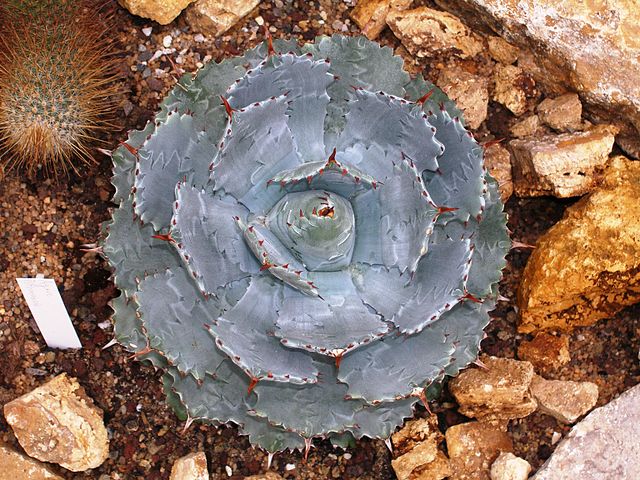 © Dryas / CC BY-SA 3.0
Agave Isthmensis
Agave isthmensis
A small agave from Oaxaca, Mexico. Attractive for its compact rosette and thick leaves.
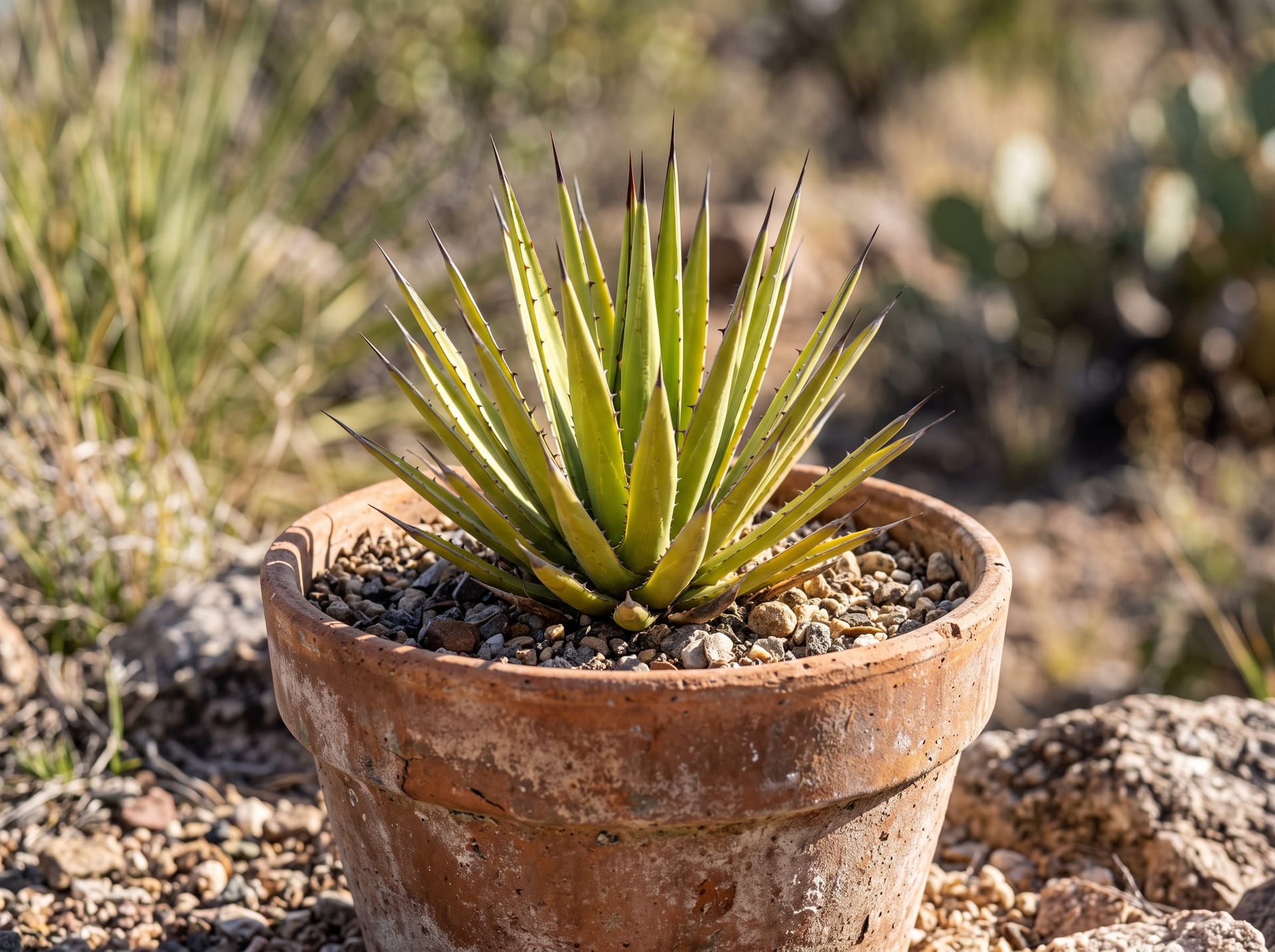
Agave Lechuguilla
Agave lechuguilla
A small agave widely native to the Chihuahuan Desert. Called the 'indicator plant of the Chihuahuan Desert'. Sharp leaf tips and clumping habit. Strong fibers traditionally used for rope and baskets.
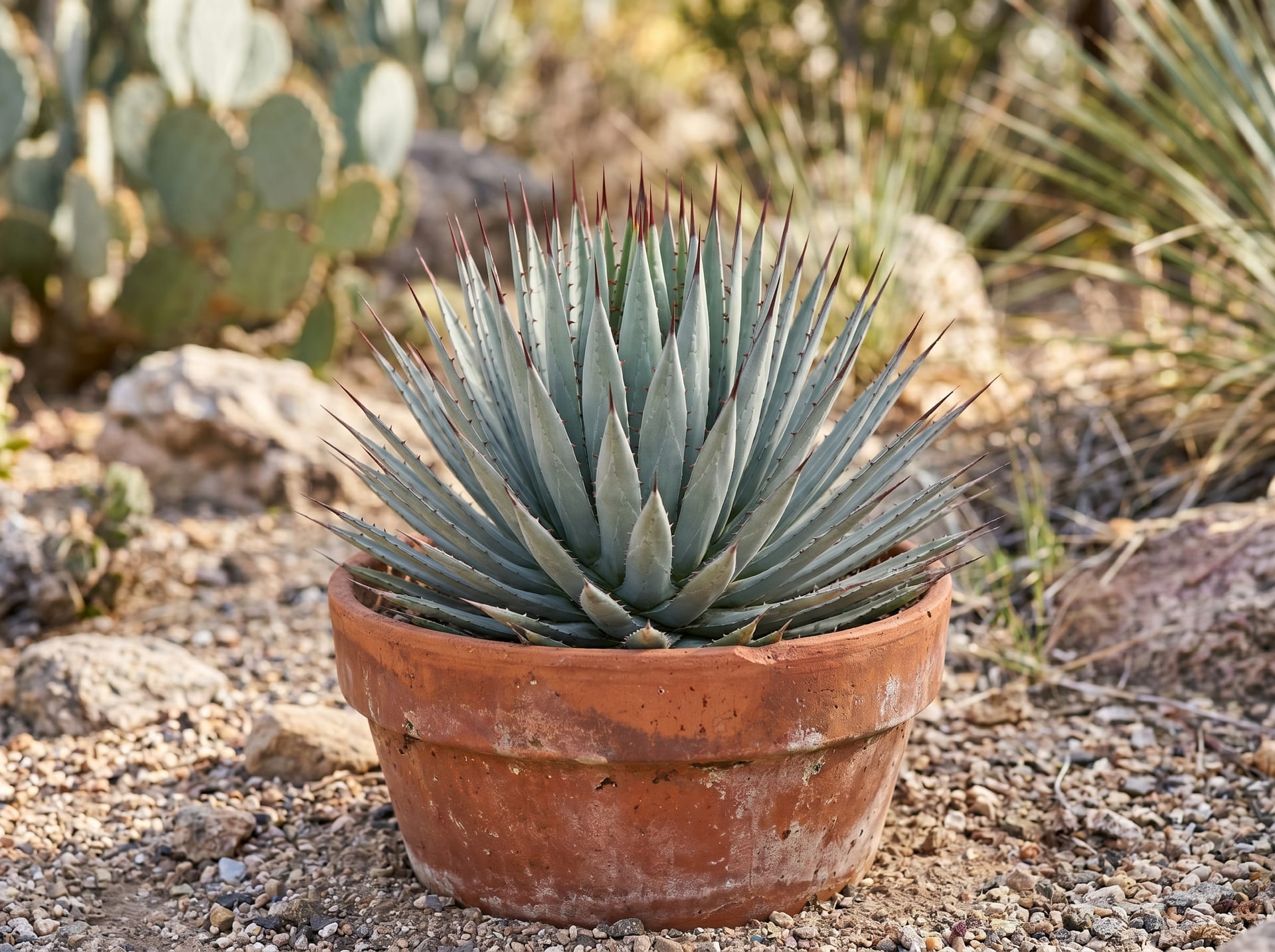
Agave McKelveyana
Agave mckelveyana
Small agave native to Arizona. Narrow gray-green leaves form compact rosettes. Characterized by filaments along leaf margins. Extremely cold-hardy.
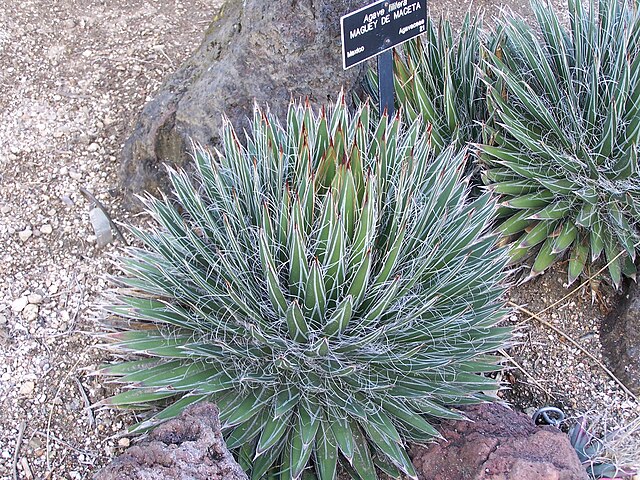 © Dotti9 / CC0
Thread Agave
Agave filifera
A unique agave with white thread-like fibers emerging from leaf edges. Small to medium, ideal for collections.
Related Content
Agave FAQ
- How much do agave cost?
- Small Titanota seedlings cost 2,000-10,000 yen, medium plants 10,000-50,000 yen, and select or rare varieties like Hakugei and Caesar can exceed 100,000 yen. Prices vary greatly by variety and condition.
- Can beginners grow agave?
- Agaves are drought-tolerant and hardy, making them easy for beginners. Place in a sunny spot with well-draining soil, and they're quite hard to fail with.
- What are the key points for growing agave?
- Sunlight, airflow, and drainage are the three essentials. Provide direct sunlight, use pumice or akadama-based soil, and water only when the pot is completely dry.
- What should I check when buying agave?
- Check whether it's rooted, leaves are developing healthily, and lower leaves aren't excessively dried. Imported bare-root plants require root establishment, so beginners should start with rooted domestically grown seedlings.
- How long do agave live?
- Agaves grow over decades and bloom only once in their lifetime before dying. However, they produce offsets, so with proper care you can enjoy them across generations.