Agave Encyclopedia
Encyclopedia of popular agave varieties with traits, care guides, and pricing.
Featured Agave
Showing 56 of 139 species(1–24)
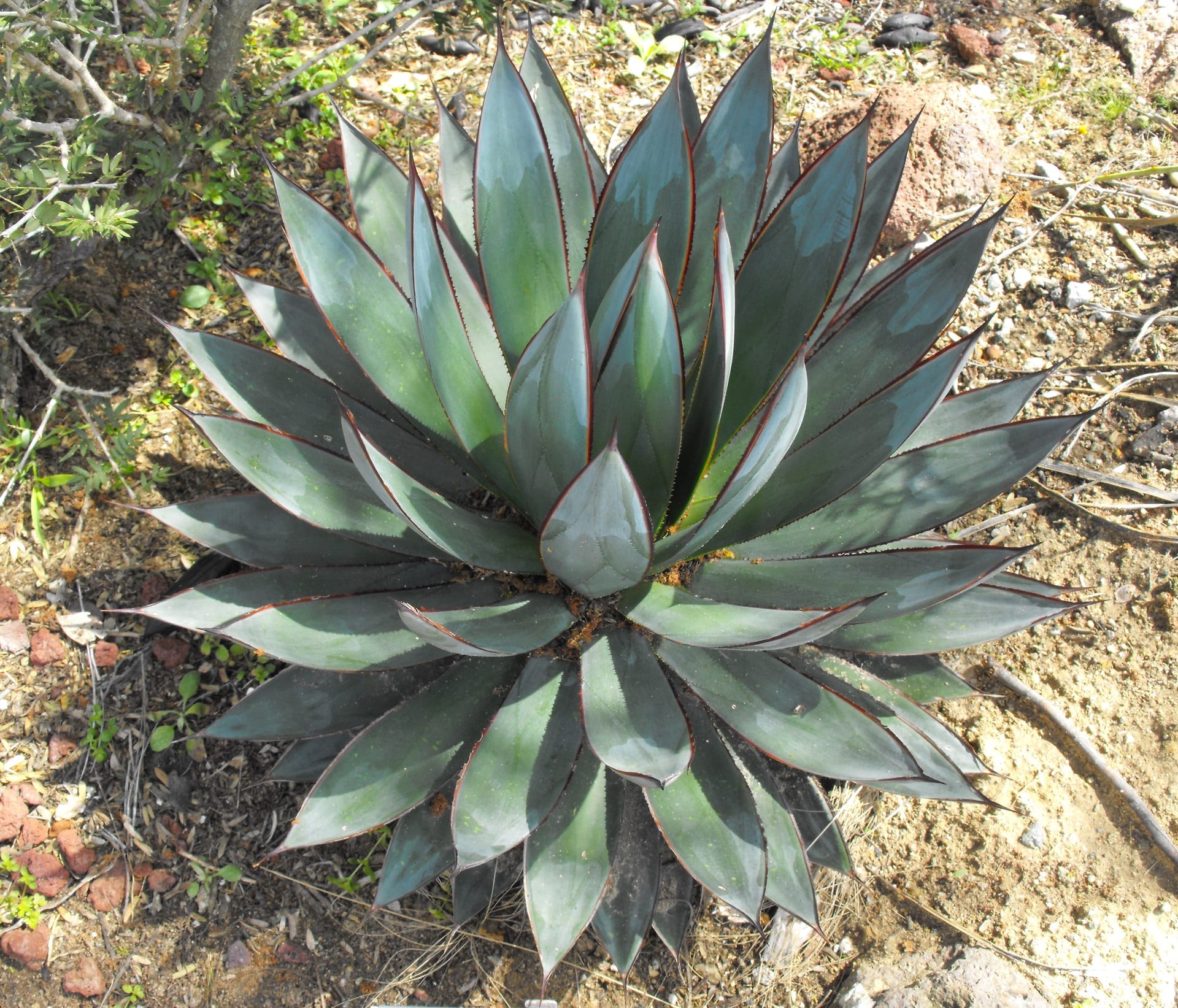
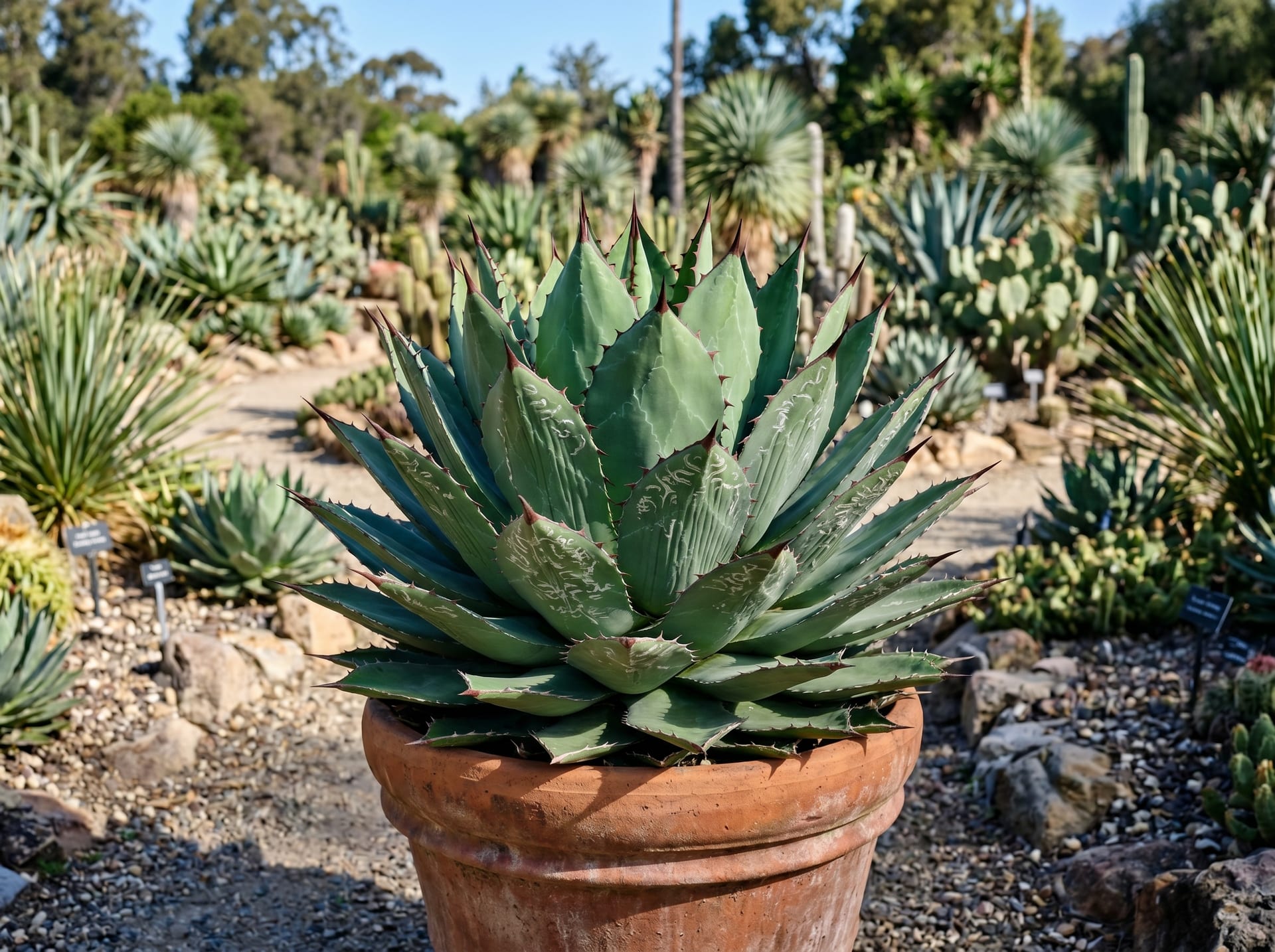
Agave 'Blue Ember'
Agave 'Blue Ember'
A hybrid with powdery blue-grey leaves set off by dark to reddish margins and sharp spines. Its parentage has not been published, and some think it may be the same plant as the very similar 'Burnt Burgundy'.
 © Stickpen / Public domain
Agave 'Blue Glow'
Agave attenuata × ocahui 'Blue Glow'
A hybrid with blue-green leaves edged red and then thinly in yellow, which glow when backlit. A cross of Agave attenuata and A. ocahui, it grows slowly as a single rosette.
Agave 'Burnt Burgundy'
Agave 'Burnt Burgundy'
A cross of A. victoriae-reginae and A. palmeri with blue-green leaves strongly edged deep red. It closely resembles 'Blue Glow' and 'Blue Ember' but tends to have thicker, shorter leaves. Variegated forms also circulate.
Agave 'Kutsugen no Maiougi' (Qu Yuan's Dancing Fan)
Agave 'Kutsugen no Maiougi'
A long-established Japanese-named cultivar with matte blue-grey, sharp leaves and striking red or orange teeth. Types with glossy red teeth or teeth fused into bands exist, and it offsets freely.
Agave 'Sho-Time' (A. ovatifolia × victoriae-reginae)
Agave ovatifolia × victoriae-reginae 'Sho-Time'
A cross of Agave ovatifolia and A. victoriae-reginae. Thick, ovate leaves carry crisp white bud imprints that differ on every plant, and it inherits cold tolerance from ovatifolia.
 © Alvesgaspar / CC BY-SA 3.0
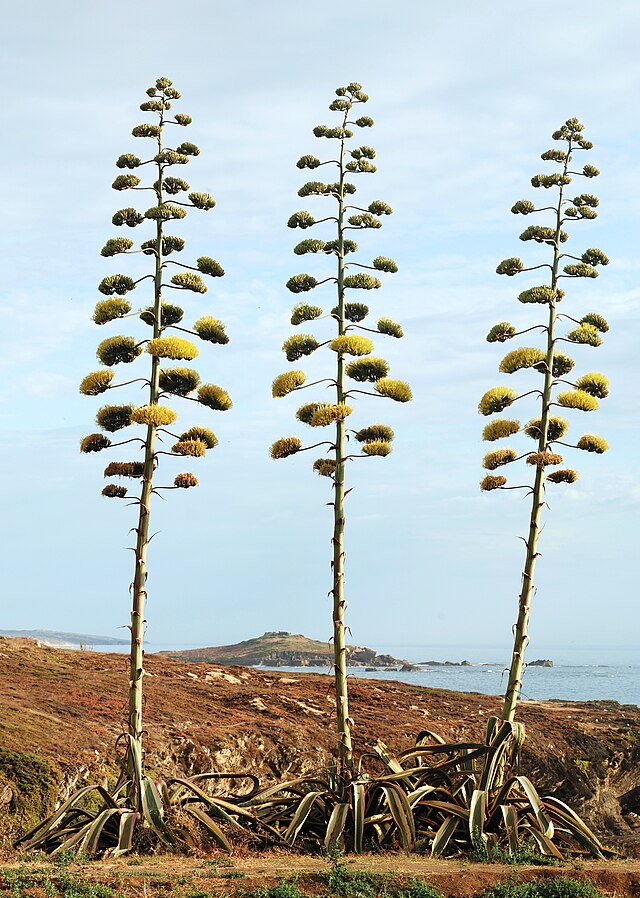
Agave Americana
Agave americana
Most widely known agave. Grows huge, often seen in parks and gardens. Also called Century Plant. Variegated forms popular.
 © Agnieszka Kwiecień, Nova / CC BY-SA 4.0
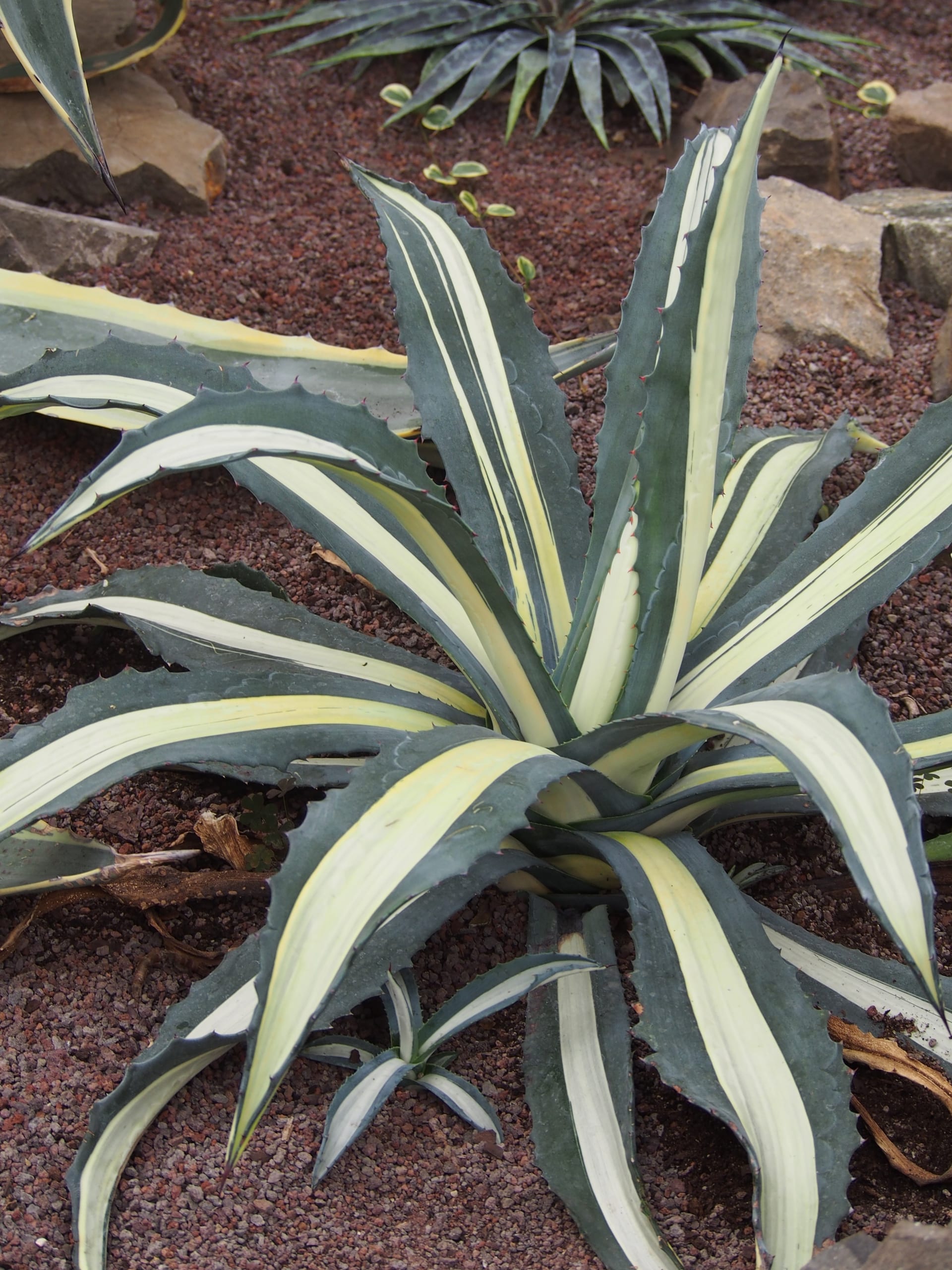
Agave americana 'Mediopicta Alba'
Agave americana var. mediopicta f. alba
A centre-striped form of Agave americana: each blue-green leaf carries one broad creamy-white band down the middle. Smaller than the species, yet still a large, eye-catching agave.
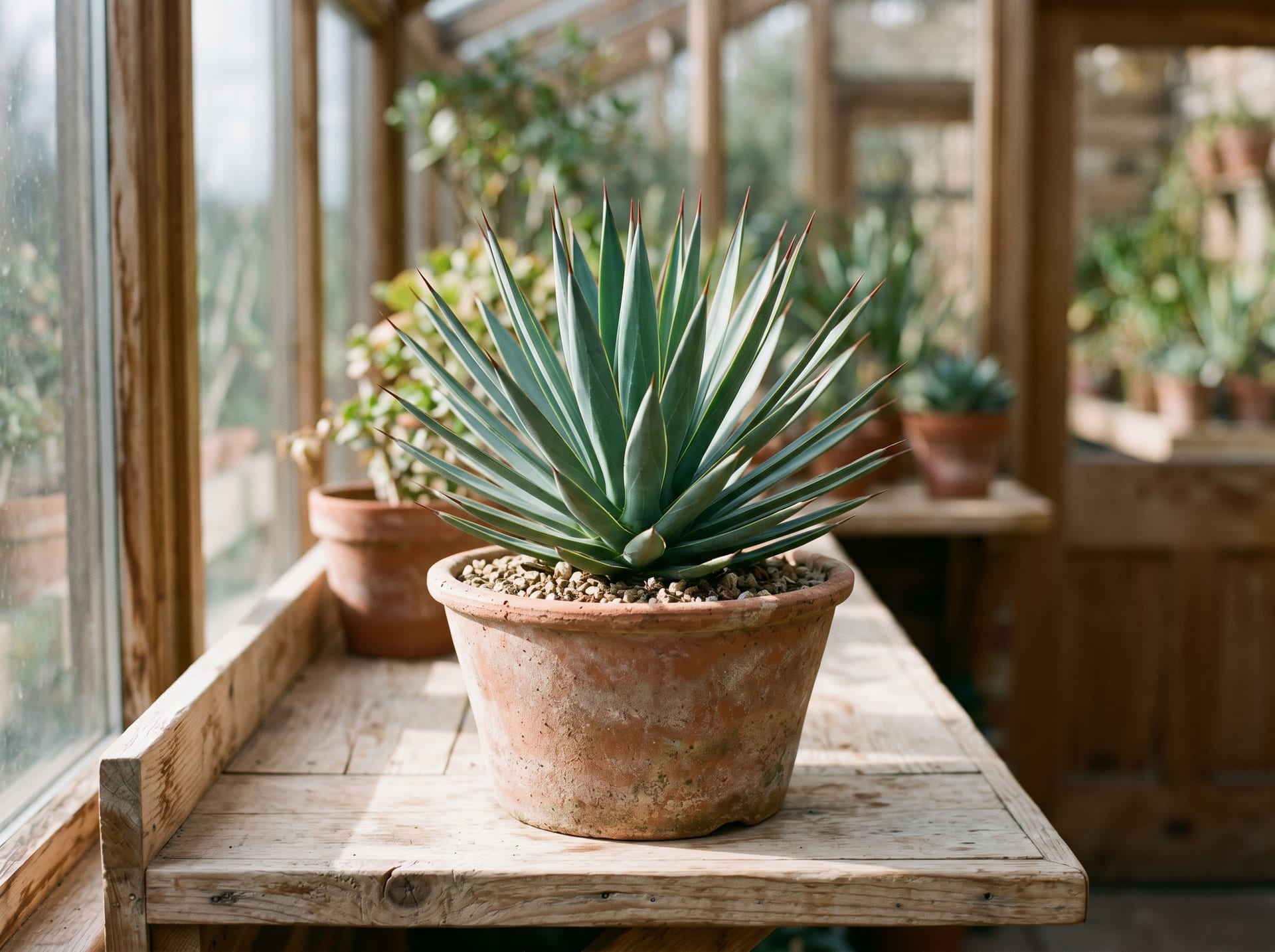
Agave Angustifolia
Agave angustifolia
Widely distributed from Mexico to Central America. Narrow leaves with many variegated cultivars available. Believed to be ancestral to Agave tequilana. Hardy and fast-growing.
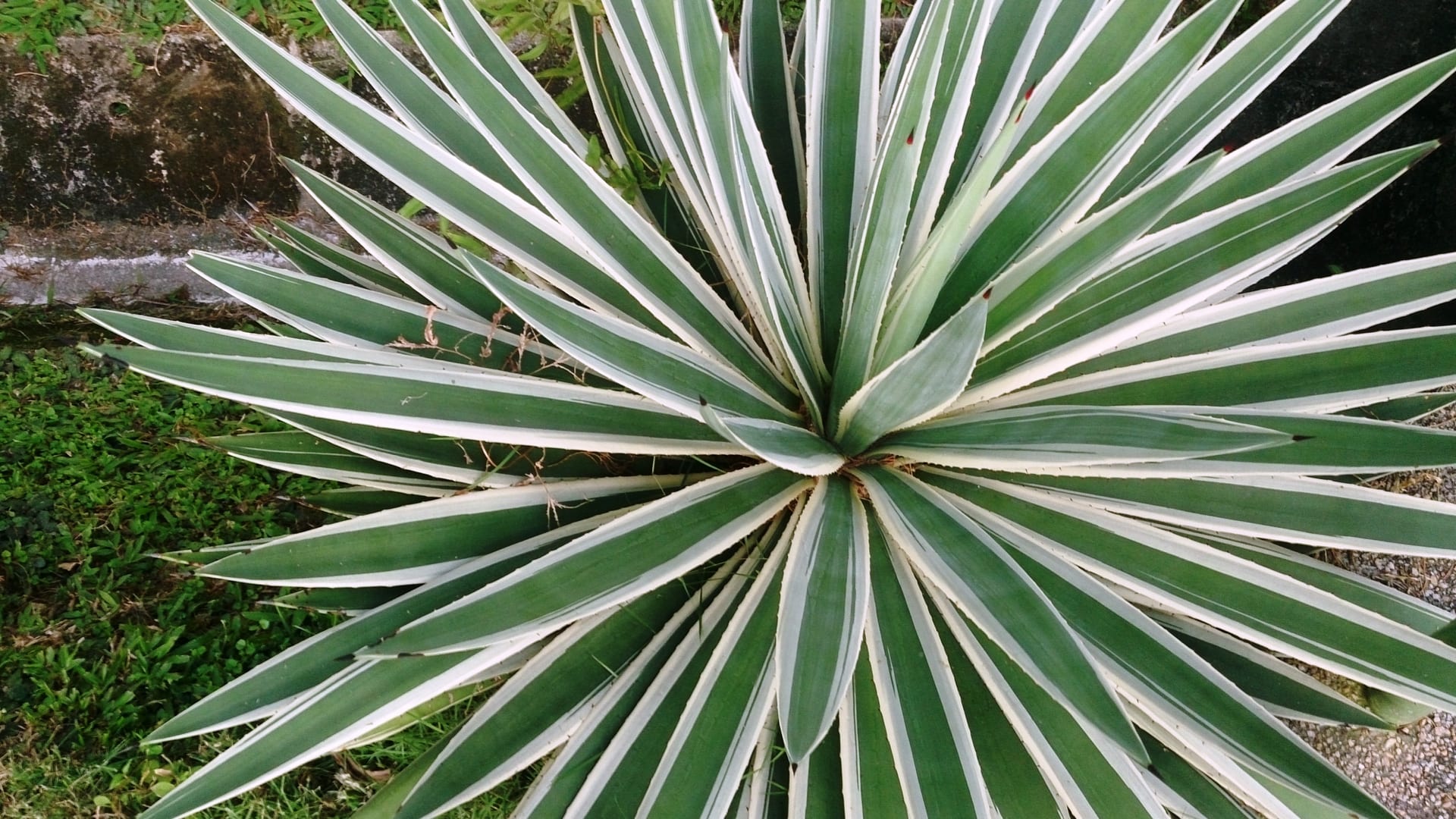 © Mokkie / CC BY-SA 3.0
Agave angustifolia 'Marginata'
Agave angustifolia 'Marginata'
A variegated narrow-leaf agave: stiff grey-green leaves edged in bold creamy white, sometimes flushed pink, forming a neat, almost spherical rosette.
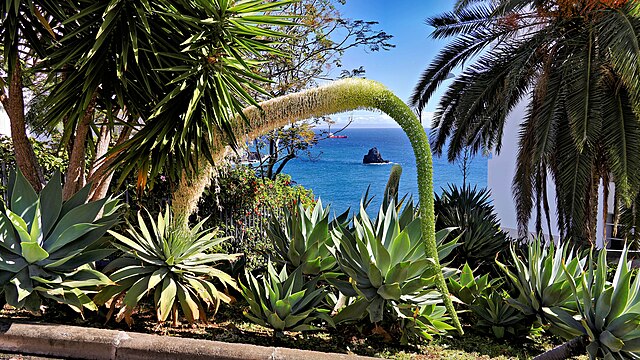 © Dr. Thomas Liptak / CC BY-SA 4.0
Agave Attenuata
Agave attenuata
Thornless agave with soft gracefully spreading leaves. Safe and easy for beginners. Frost-sensitive — bring indoors in winter.
Agave Celsii
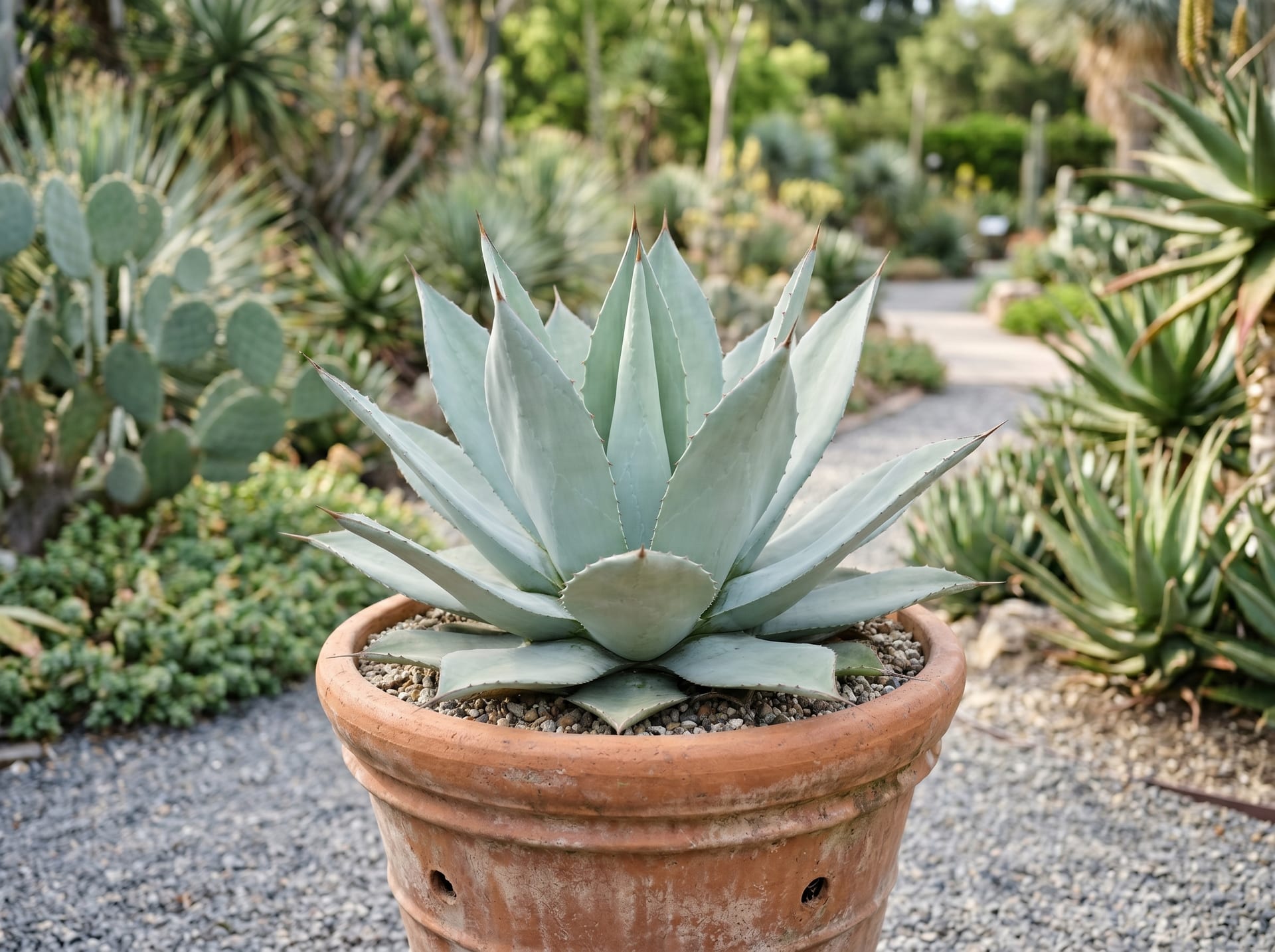
Agave mitis
A relatively compact agave with soft leaves. Thin blue-green leaves create elegant atmosphere.
Agave Chrysantha
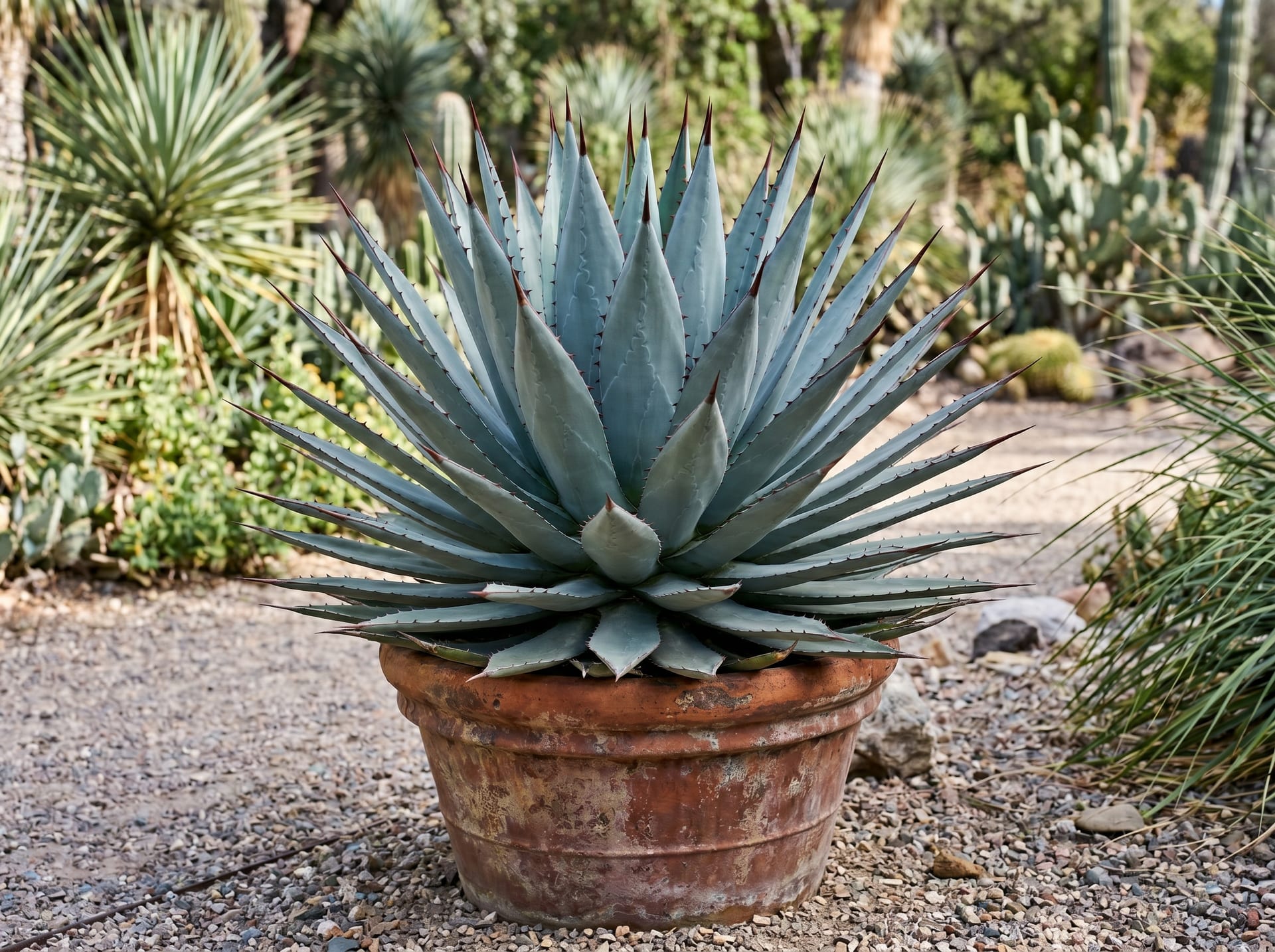
Agave chrysantha
Native to Arizona. Named 'golden flower' for its yellow blooms. Bright green leaves with small teeth. Cold-hardy and easy to grow.
 © Mokkie / CC BY-SA 3.0
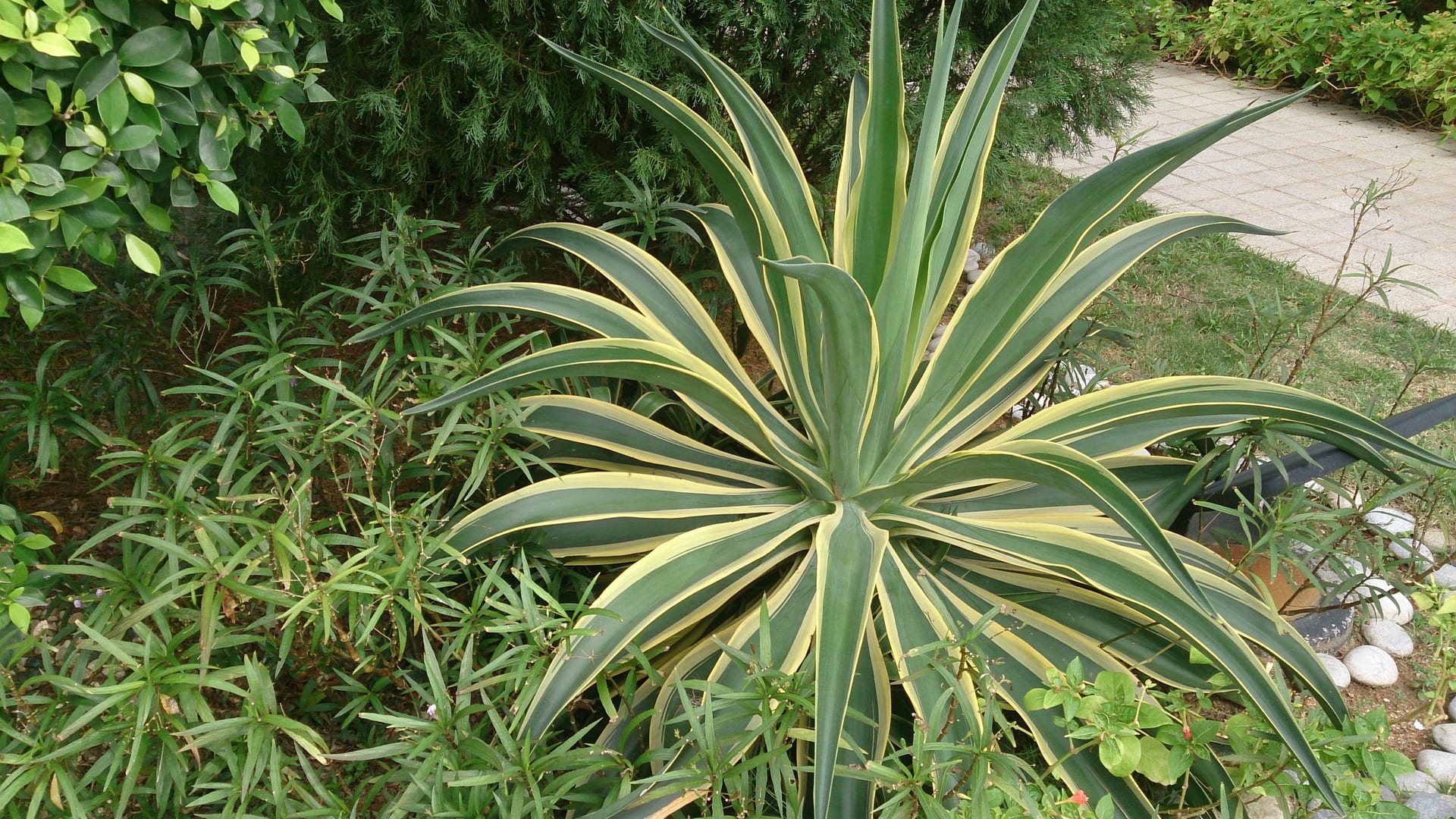
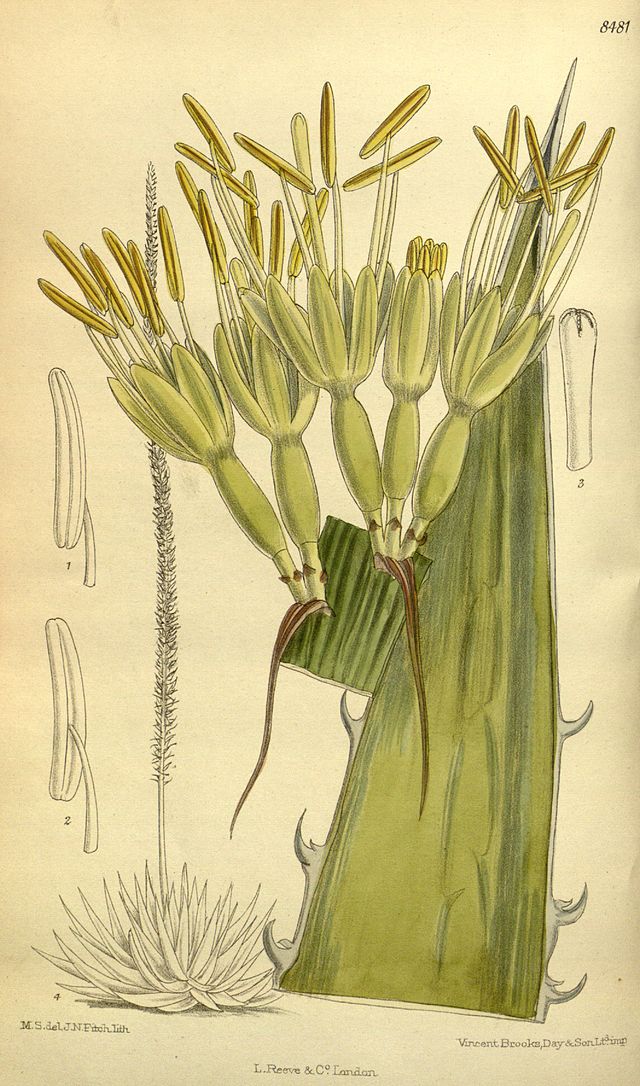
Agave desmettiana 'Variegata'
Agave desmettiana 'Variegata'
A yellow-edged form of Agave desmettiana with bright green leaves and almost no marginal teeth. It forms an upright, urn-shaped rosette, grows fast and offsets freely.
 © M.S. del, J.N.Fitch , lith. / Public domain
Agave Difformis
Agave difformis
A small spineless agave. Dense rosette type producing many offsets for clustering. Safe to manage.
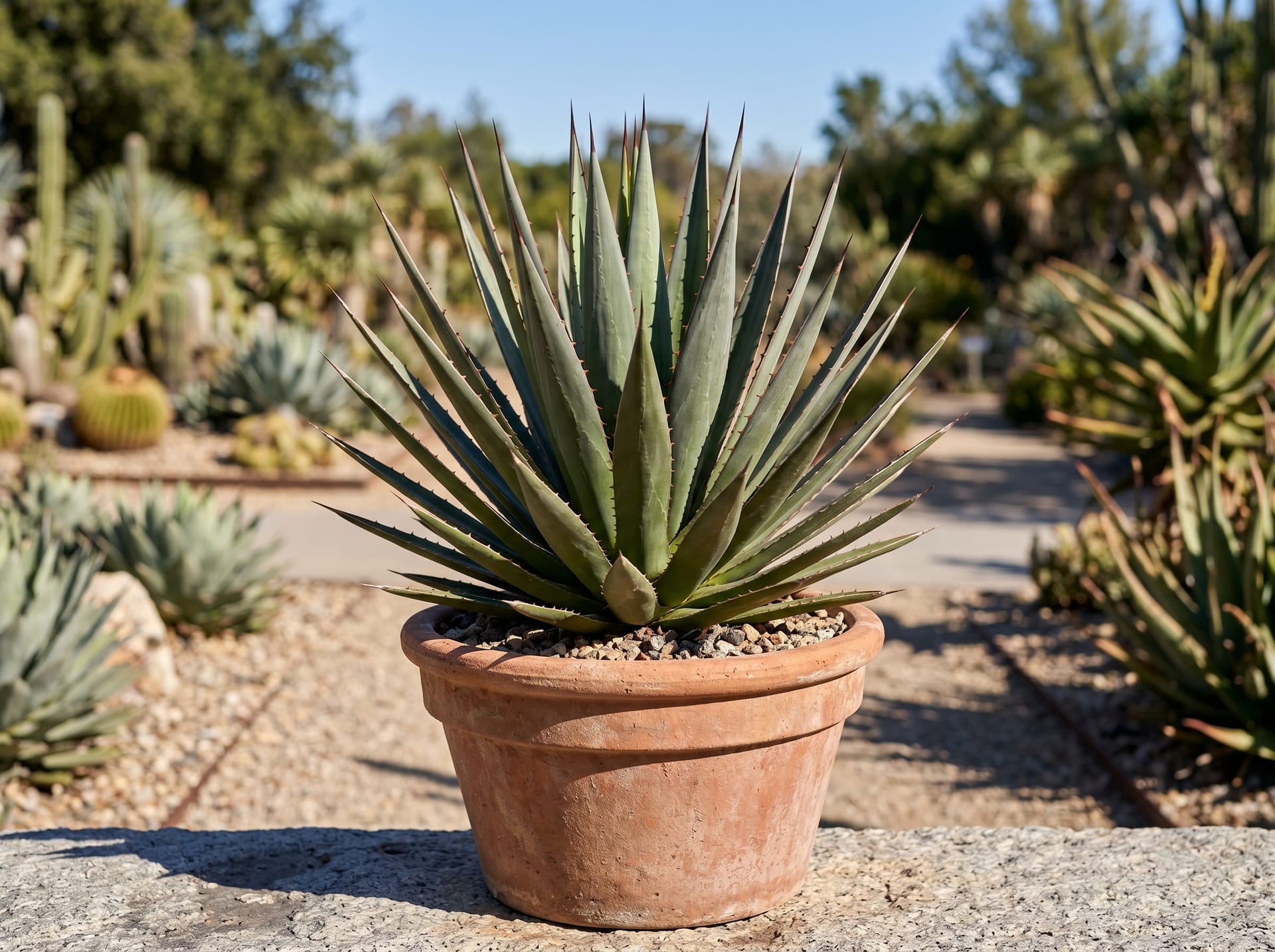
Agave filifera 'Shiraito-no-Ohi'
Agave 'Shiraito-no-Ohi'
A variegated Japanese-named agave of the schidigera/filifera group with a cream-white margin along the leaf edges: white thread-like filaments peel from the edges of narrow sword-shaped leaves, and the white markings on the leaf faces contrast beautifully with the threads.
Agave Funkiana
Agave funkiana
A medium agave from Coahuila to Nuevo León, Mexico. Forms an elegant rosette of long, narrow green leaves. Rich in fibers traditionally used for brushes and other products.
Agave Gentryi
Agave gentryi
An agave from the Sierra Madre of Mexico. Forms wide green rosettes with finely serrated leaf margins. Relatively large species; monocarpic, dying after flowering.
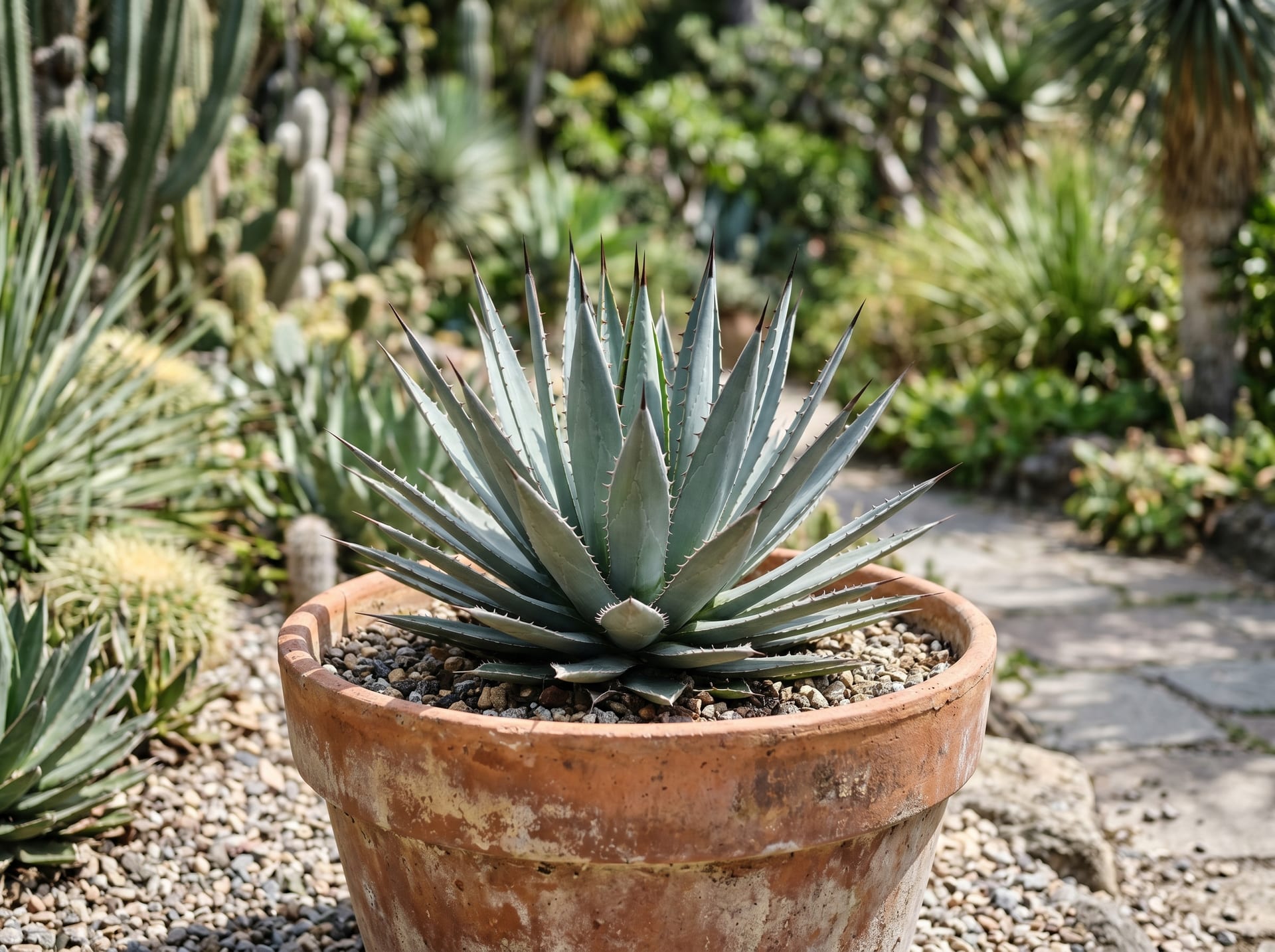
Agave Gracilipes
Agave gracilipes
Medium agave from Texas to New Mexico. Characterized by slim, elegant leaves. Related to Palmeri but more slender. Very cold-hardy, suited for ground planting.
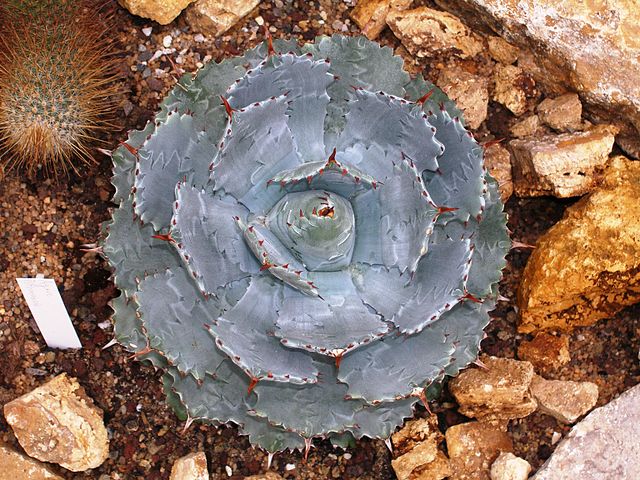 © Dryas / CC BY-SA 3.0
Agave Isthmensis
Agave isthmensis
A small agave from Oaxaca, Mexico. Attractive for its compact rosette and thick leaves.
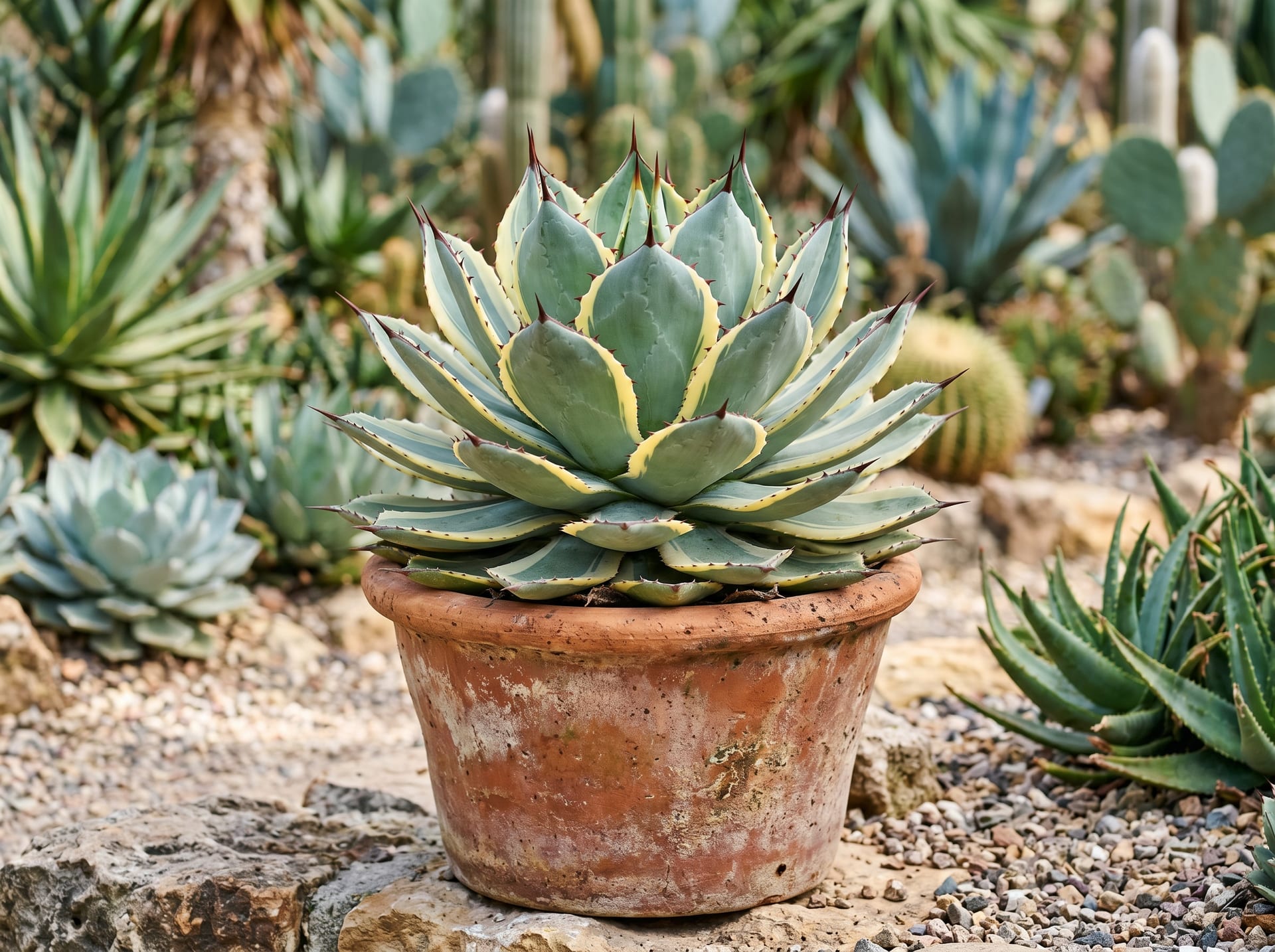
Agave Kissho Kan
Agave potatorum
A popular agave long cultivated in Japan. Hardy, easy for beginners, and easily available.
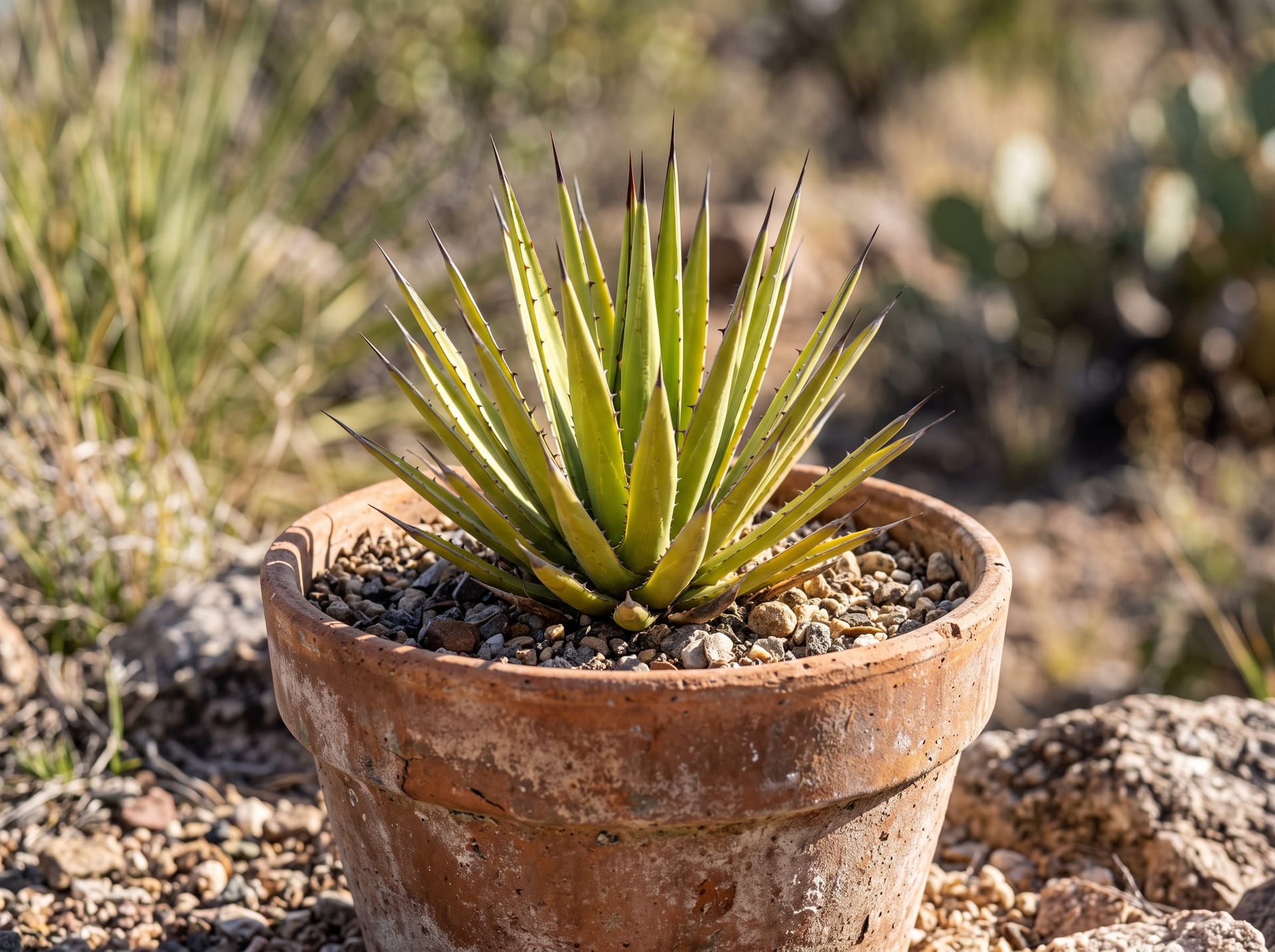
Agave Lechuguilla
Agave lechuguilla
A small agave widely native to the Chihuahuan Desert. Called the 'indicator plant of the Chihuahuan Desert'. Sharp leaf tips and clumping habit. Strong fibers traditionally used for rope and baskets.
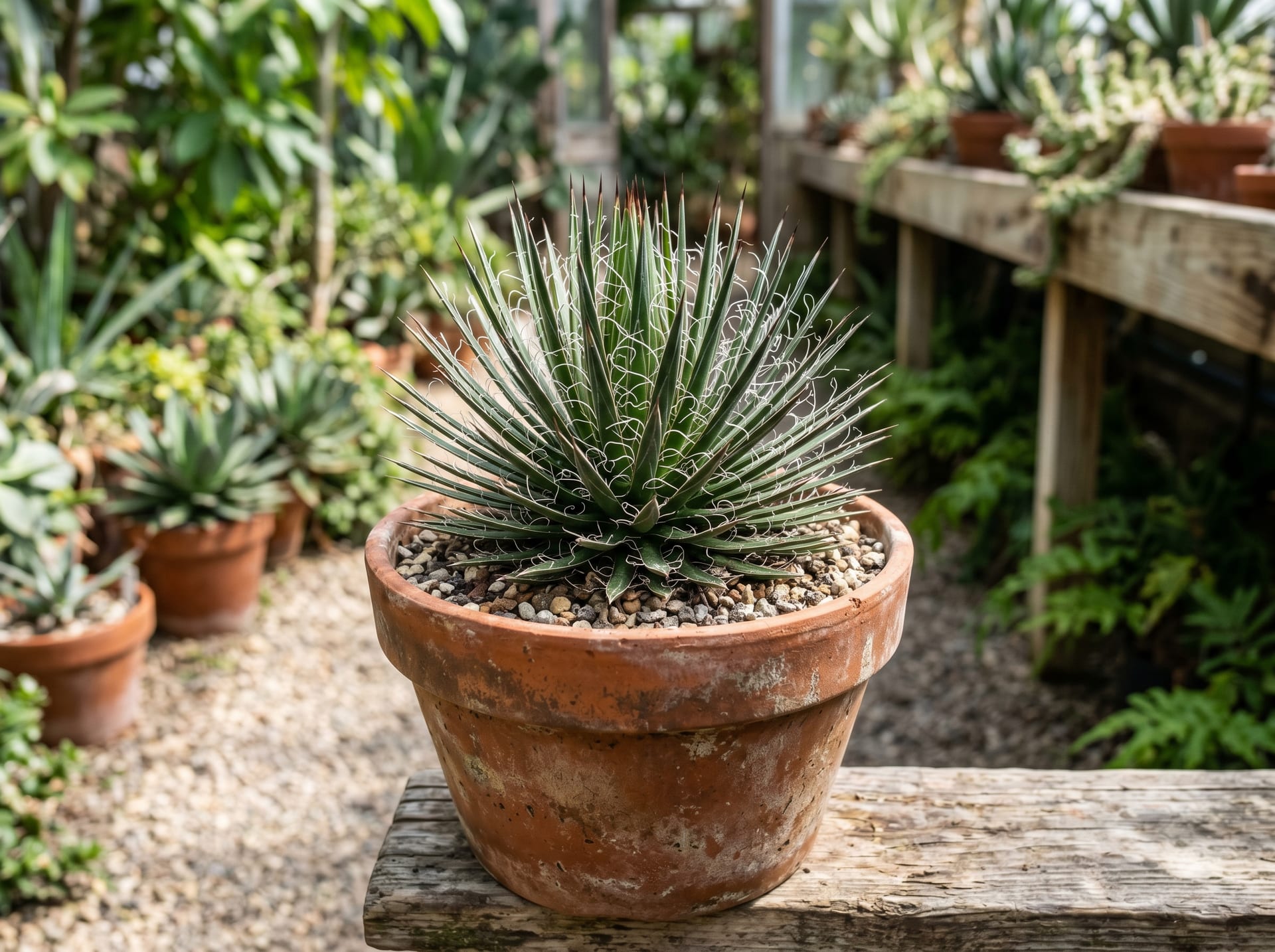
Agave Leopoldii
Agave × leopoldii
An agave with narrow leaves and abundant white thread-like fibers, similar to Filifera. Sometimes considered a hybrid.
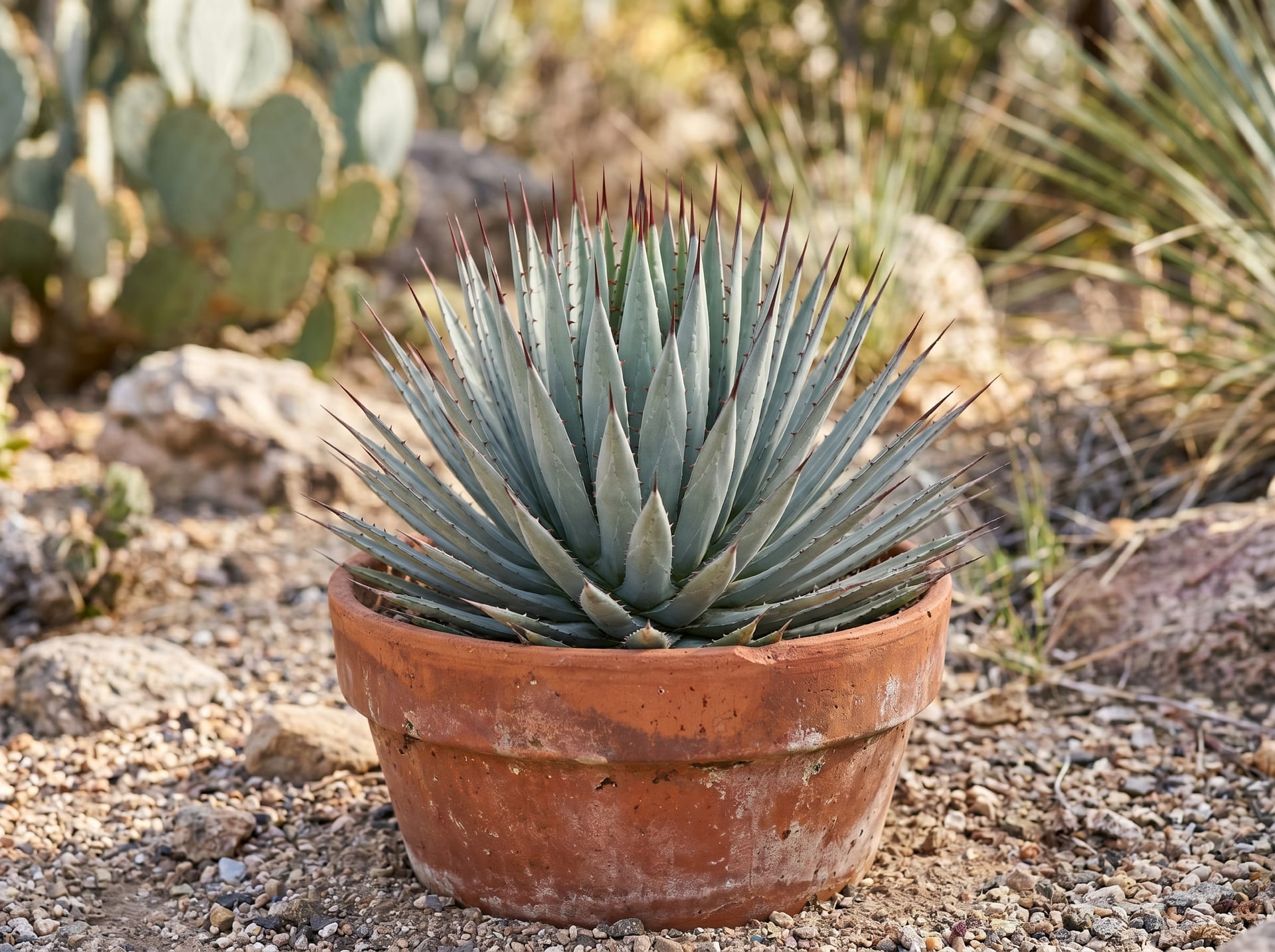
Agave McKelveyana
Agave mckelveyana
Small agave native to Arizona. Narrow gray-green leaves form compact rosettes. Characterized by filaments along leaf margins. Extremely cold-hardy.
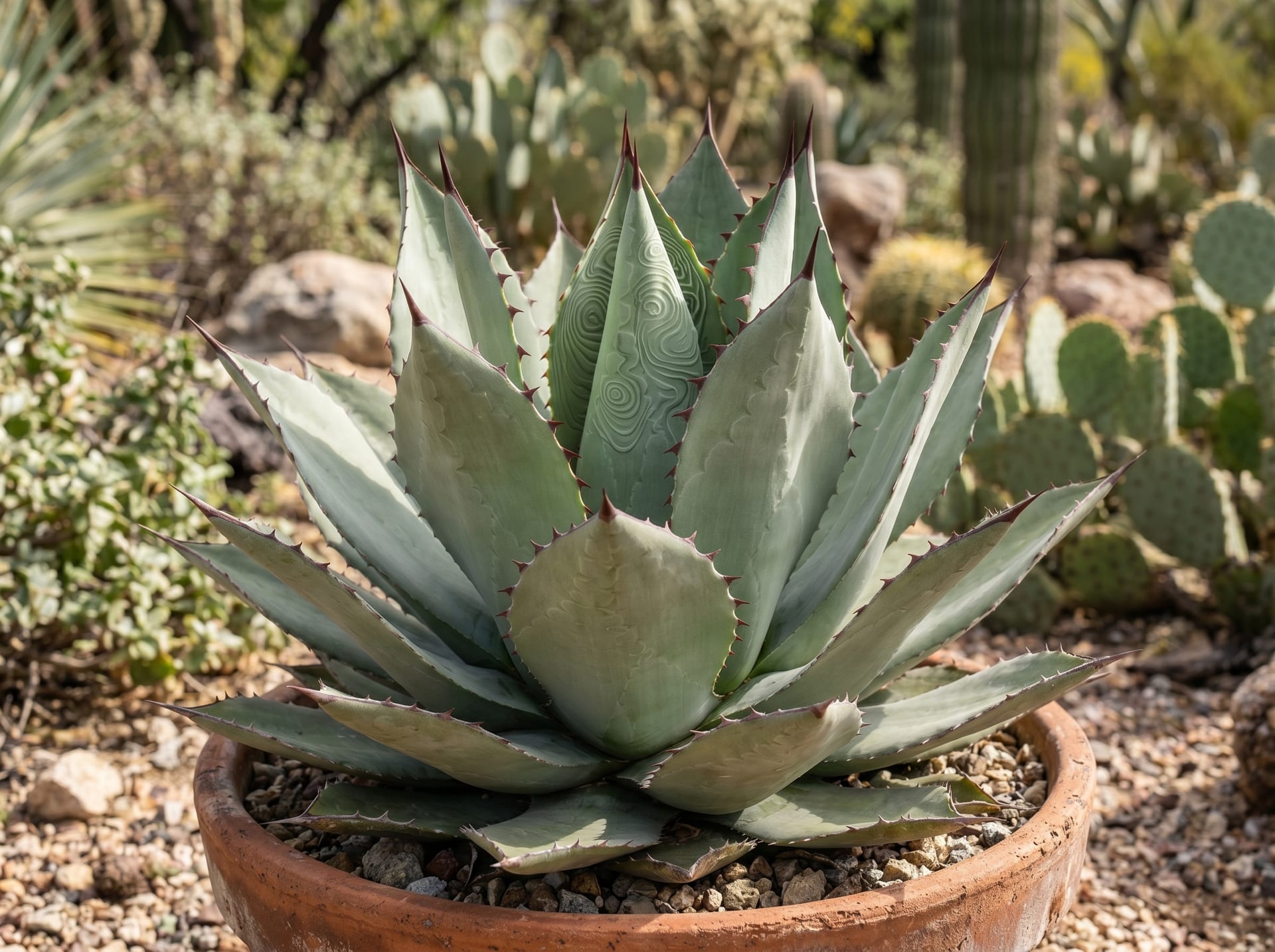
Agave Murpheyi
Agave murpheyi
Native to Arizona. Historically cultivated by indigenous peoples for food. Produces bulbils on flower stalks for vegetative reproduction. Characterized by hard gray-green leaves.
Related Content
Agave FAQ
- How much do agave cost?
- Small Titanota seedlings cost 2,000-10,000 yen, medium plants 10,000-50,000 yen, and select or rare varieties like Hakugei and Caesar can exceed 100,000 yen. Prices vary greatly by variety and condition.
- Can beginners grow agave?
- Agaves are drought-tolerant and hardy, making them easy for beginners. Place in a sunny spot with well-draining soil, and they're quite hard to fail with.
- What are the key points for growing agave?
- Sunlight, airflow, and drainage are the three essentials. Provide direct sunlight, use pumice or akadama-based soil, and water only when the pot is completely dry.
- What should I check when buying agave?
- Check whether it's rooted, leaves are developing healthily, and lower leaves aren't excessively dried. Imported bare-root plants require root establishment, so beginners should start with rooted domestically grown seedlings.
- How long do agave live?
- Agaves grow over decades and bloom only once in their lifetime before dying. However, they produce offsets, so with proper care you can enjoy them across generations.