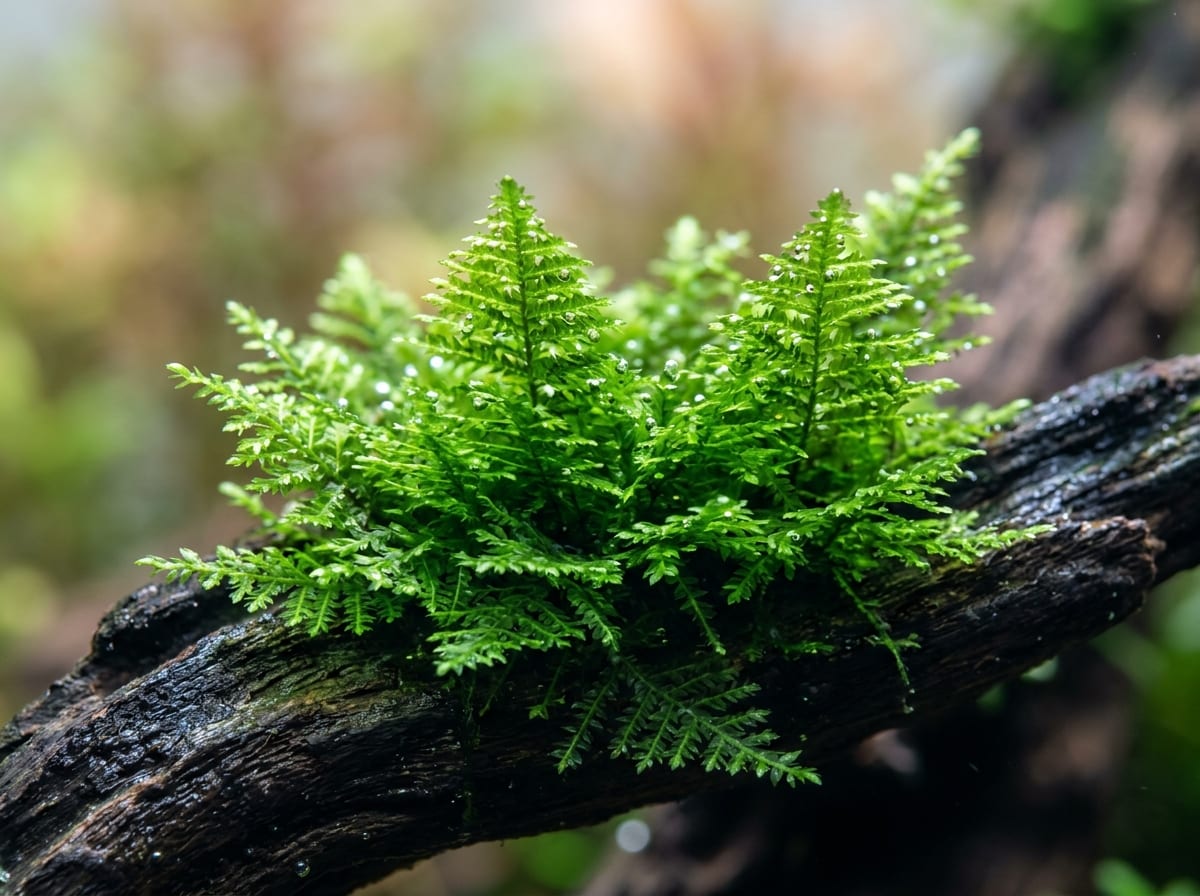
AI-generated image
South American moss
BeginnerVesicularia sp. (South America)
A full, fairly bright green aquatic moss whose branches spread in neat triangles. Despite the name there is no evidence it comes from South America. It grows in low light without CO2 and is tied onto wood or stone.
About
South American moss is an aquatic moss of the genus Vesicularia (Hypnaceae) not identified to species. Despite the name, nothing links it to South America; the name is usually explained as evoking the rainforest. Some sources suggest a South-East Asian origin, but its provenance is unclear. Although called a willow moss, it is regarded as a different moss from what is usually sold as willow moss. The branching gives it away: willow moss tangles irregularly, while this moss branches like a feather into triangles (deltas) that build up in layers. It is brighter green and fuller than willow moss, and grows more slowly. It grows in low light and CO2 is optional, though a little CO2 helps the triangles form neatly; under strong light a shaded spot suits it. It attaches only weakly on its own, so fix it with fishing line or glue. The more it is trimmed, the denser it grows. It is a widely available staple moss at specialist shops in Japan.
Temperature & humidity for the South American moss
High temperature, hard water or high dissolved solids reportedly turn it brown, so keep it below 30°C.
Basic Info
Origin
Unknown (some sources suggest South-East Asia)
Lifespan
Perennial; maintained indefinitely with trimming
Size
Small moss with triangular branching
Temperature
20〜28℃
Watering & Fertilizer
Grows without CO2 or fertiliser; a little CO2 improves its shape
Growing Tips
Lighting
Grows in low light; in brightly lit tanks, place it in shade.
CO2 & Fertilizer
Grows without CO2, but a little CO2 helps the triangular branching develop.
Water Temperature & Quality
Keep below 30°C. Hard water or high dissolved solids reportedly turn it brown.
Substrate & Attachment
It attaches weakly; spread it thinly and wind fishing line closely, or glue it to wood or stone.
Trimming & Propagation
Trimming with scissors makes it denser; cuttings tied elsewhere start new clumps.
Cautions
Easily confused with willow moss and other triangular mosses; check the branching. Never release plants into the wild.
South American moss FAQ
QWhat is the growing difficulty level for South American moss?
Beginner. A variety suitable for beginners. No special equipment or experience is required—you can grow it without problems by setting up a basic cultivation environment.
QHow should I water and fertilize South American moss?
South American moss: watering & fertilizer — Grows without CO2 or fertiliser; a little CO2 improves its shape. Aim for appropriate frequency and amount.
QWhat is the typical price for South American moss?
The price of South American moss varies significantly by variety, characteristics, size, and lineage. Please check GrowerDirect's price guide for the latest market information.
Last updated: September 23, 2026
References & Sources
Edited & verified by: GrowerDirect Editorial Team
The classifications, regulations, and growing data on this page are created and verified based on the primary information database below.
Taxonomy & Authority
Regulations & Conservation Status
Not listed in CITES (no match in Species+). Not regulated under Japan's Invasive Alien Species Act or Species Conservation Act. Never dump aquatic plants into rivers, ponds or ditches, or flush them away with tank water. Drain unwanted plants and trimmings and dispose of them as household waste.
Sources: Species+ (CITES listing check) / Ministry of the Environment: list of Invasive Alien Species (Invasive Alien Species Act)
Regulations may change. Always verify the latest information with the relevant authorities.
Related Species
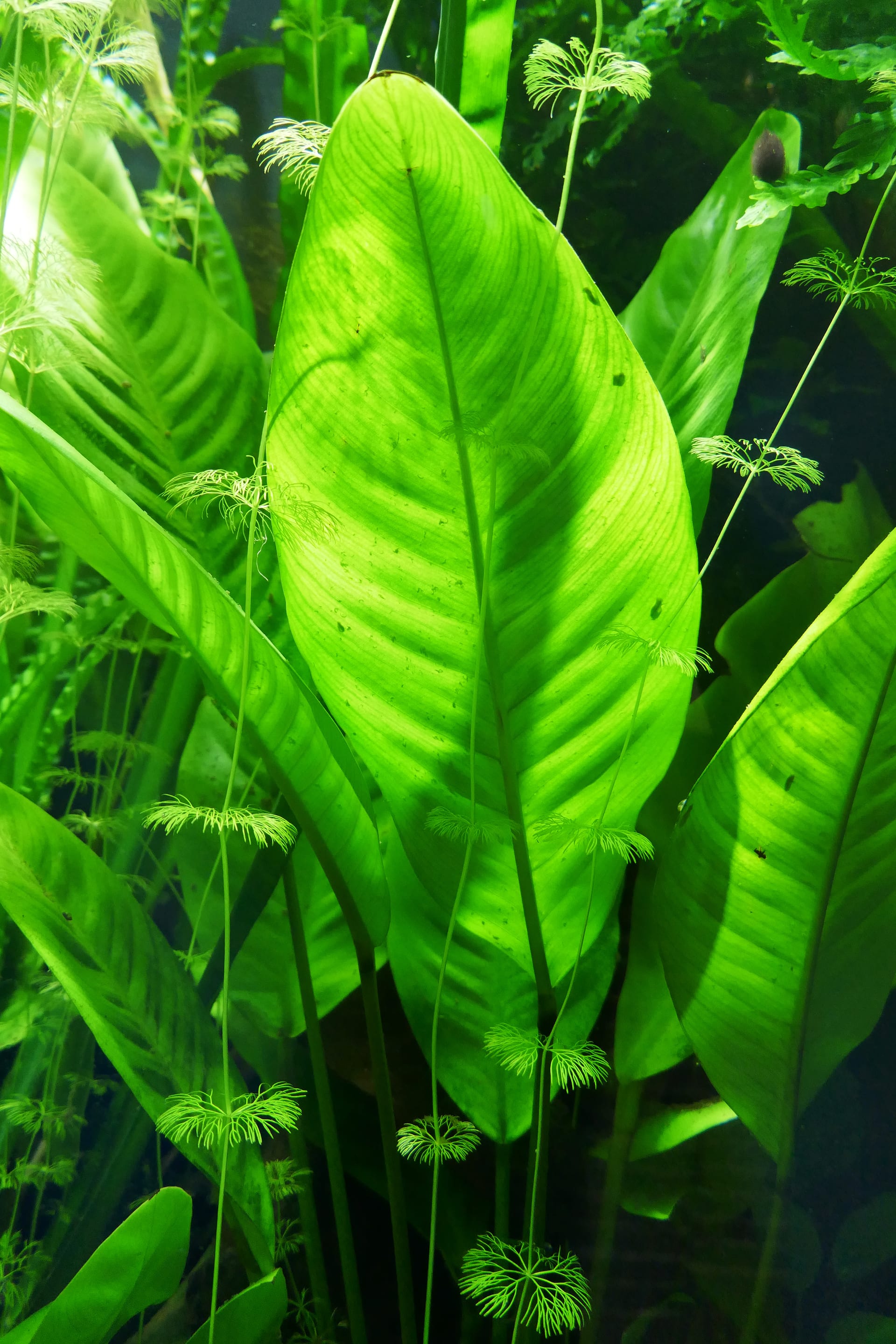
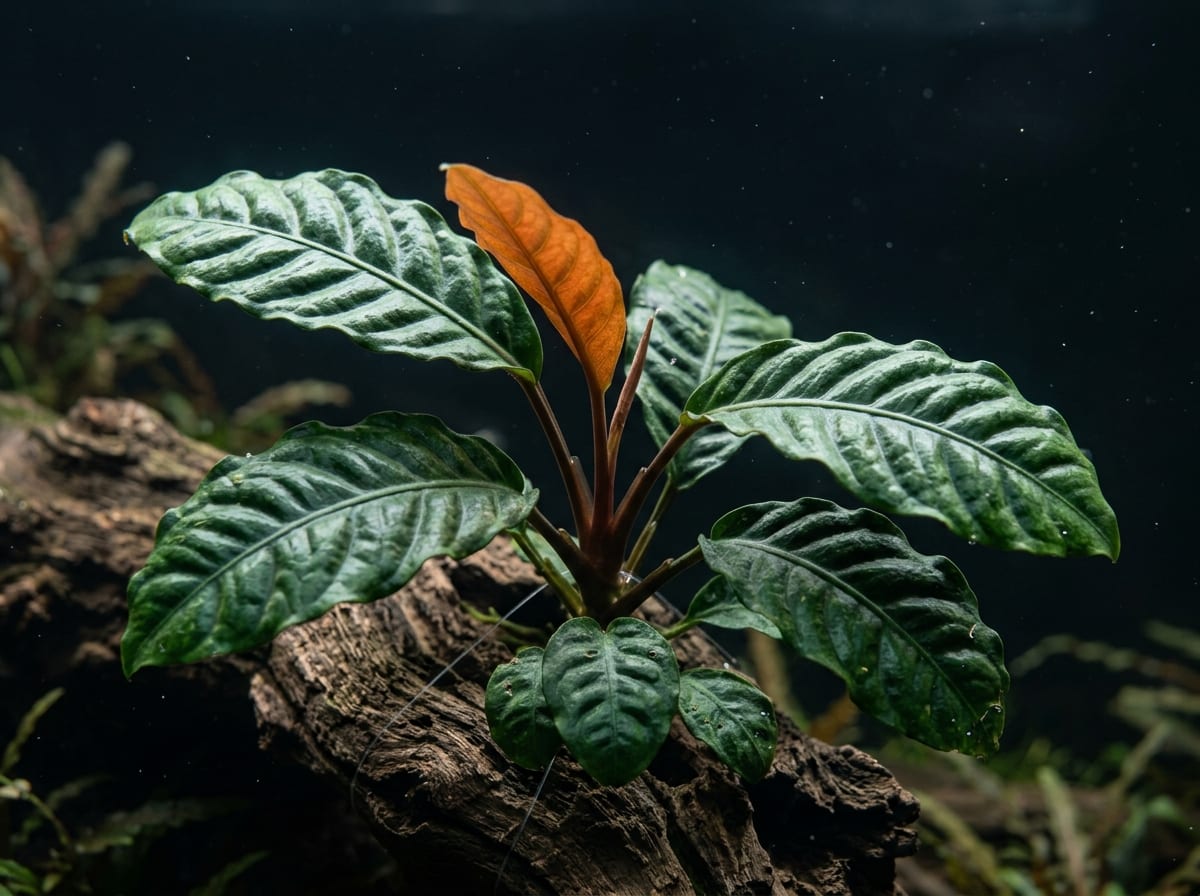
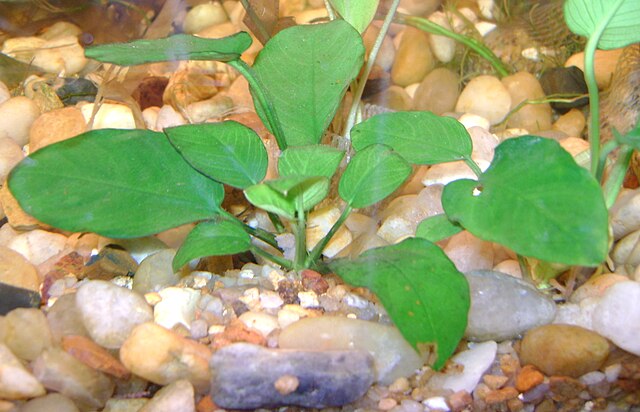
Find listings for this species
Related Articles
Aquatic Moss Types and Attachment Techniques | From Willow Moss to Premium Moss
Explaining aquatic moss types and attachment methods. Introducing attachment techniques using thread, adhesive, and stainless steel mesh.
Bonsai Moss Guide — Species, Application, Care & Seasonal Management Basics
A complete guide to using moss in bonsai: its role and visual impact, major species such as Hypnum, Racomitrium, and Leucobryum, step-by-step application, seasonal care, and common failure points.
Bonsai Moss Application Techniques | Choosing Species and Tips for Successful Establishment
This guide explains the types of moss used in bonsai moss application, collection methods, application techniques, and management practices for successful establishment.
Moss Poles & Stakes Guide for Foliage Plants | Creating Beautiful Vining Plant Displays
Learn about types of stakes and how to choose them for vining foliage plants like Monsteras and Philodendrons. This guide introduces DIY moss pole methods, coco fiber poles, trellises, and other ways to train your plants.
🩺 Common diseases
Can't find the plant you're looking for?
Post your wishes for free and growers with matching plants will contact you with introductions.