Moss Poles & Stakes Guide for Foliage Plants | Creating Beautiful Vining Plant Displays
Learn about types of stakes and how to choose them for vining foliage plants like Monsteras and Philodendrons. This guide introduces DIY moss pole methods, coco fiber poles, trellises, and other ways to train your plants.
Key Takeaways
Learn about types of stakes and how to choose them for vining foliage plants like Monsteras and Philodendrons. This guide introduces DIY moss pole methods, coco fiber poles, trellises, and other ways to train your plants.
Related Species
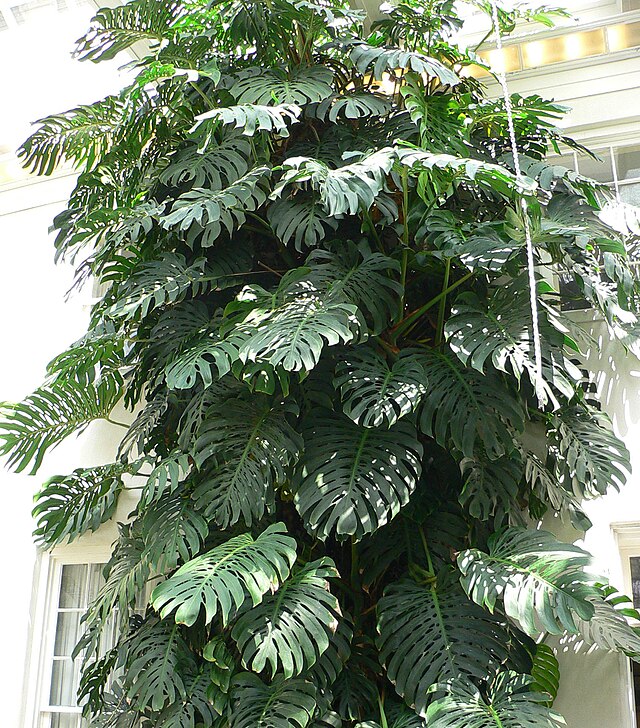
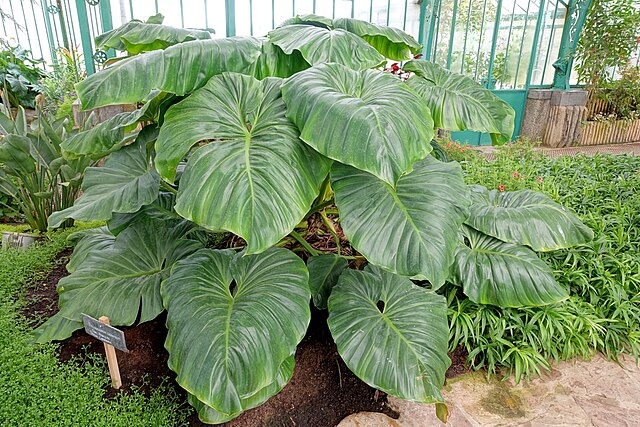
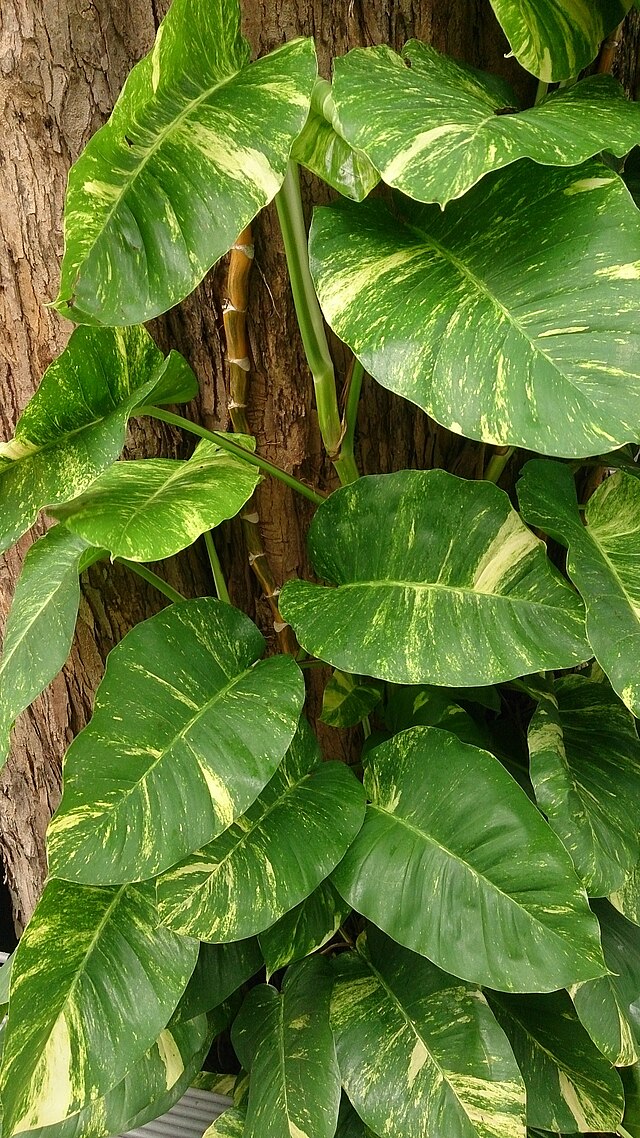
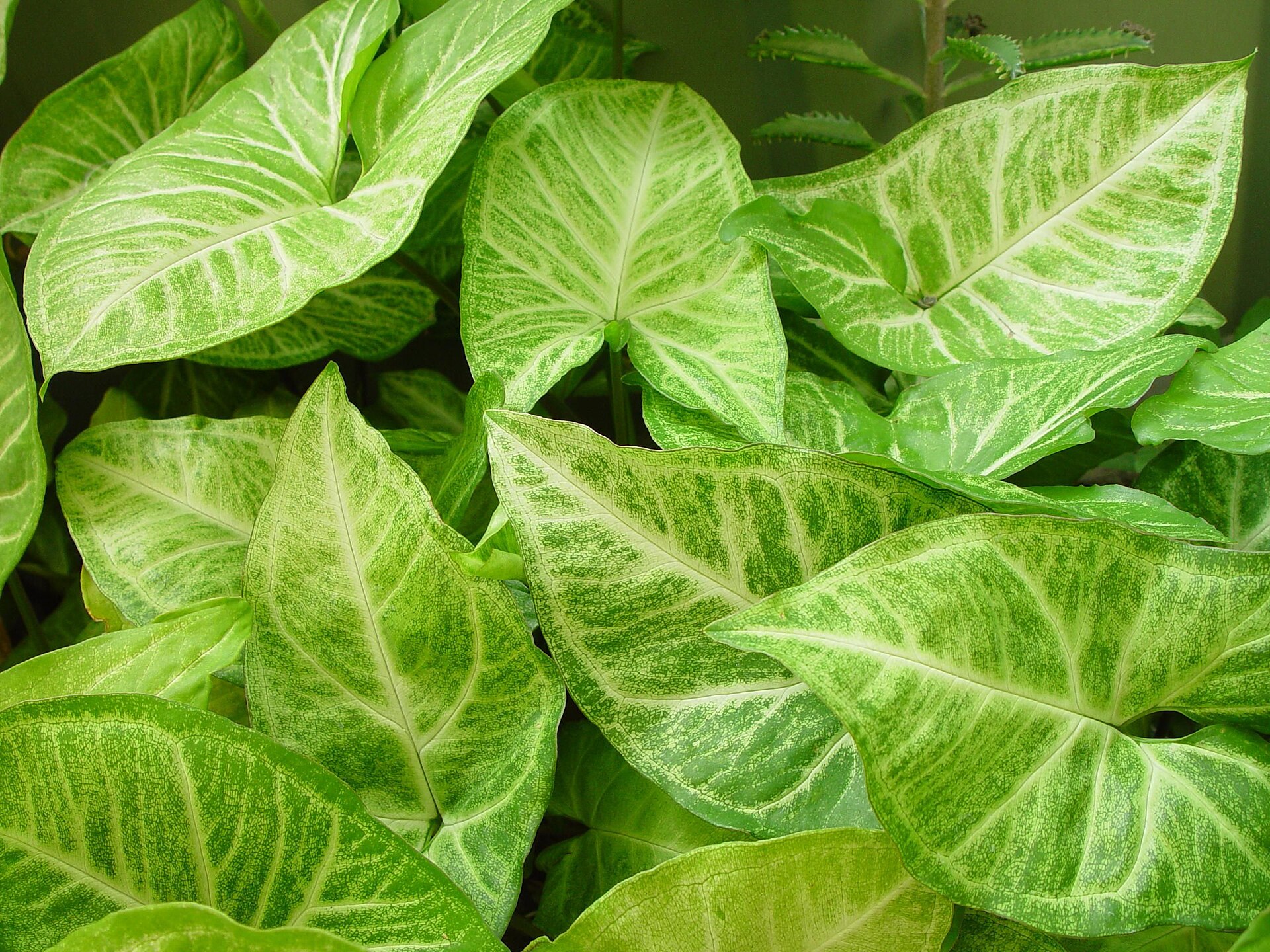
Many popular foliage plants such as Monsteras, Philodendrons, and Pothos are vining plants. In nature, they climb around large trees, growing upward to develop large leaves at height. When growing indoors, using stakes or moss poles to guide the plant upward allows you to enjoy larger leaves in a more natural form. Here we explain the types of stakes, how to choose them, and detailed methods for creating DIY moss poles.
Why Stakes Are Necessary
There are reasons beyond aesthetics for using stakes with vining foliage plants. There are also significant benefits from a physiological perspective.
Aroids like Monsteras and Philodendrons develop larger leaves as they climb higher. This phenomenon is called "mature leaf" development, where small juvenile leaves eventually transform into larger mature leaves with characteristic splits or holes as the plant grows sufficiently tall. In other words, by using stakes to guide the plant upward, you can obtain larger, more ornamental mature leaves.
Aerial root development is also promoted by stakes. As aerial roots attach to the stake surface, they efficiently absorb water and nutrients, improving the overall health of the plant. Especially with moisture-retentive stakes like moss poles, aerial roots actively extend and attach.
Without stakes, vining plants tend to creep along the ground or droop under their own weight, resulting in an unnatural growth habit. While a cascading form can be attractive for hanging displays, guiding the plant upward is essential if you want to encourage larger leaf development.
Types of Stakes and Their Characteristics
There are several types of stakes, each with its own merits and drawbacks.
| Type | Features | Merits & Drawbacks |
|---|---|---|
| Moss pole (sphagnum pole) | The most suitable stake for aroids, made of sphagnum moss packed inside a cylindrical mesh. Available commercially and can be made at home | Aerial roots attach readily to sphagnum moss, and it retains moisture well. The drawback is that sphagnum moss dries quickly, requiring frequent watering, and the moss deteriorates with extended use |
| Coco fiber pole (coconut fiber pole) | Coconut fiber wrapped around a pole form | Less moisture retention than moss poles, but more durable with less frequent replacement needed. Looks natural and blends well with interior decor |
| Plastic stakes | The most affordable and readily available type | The smooth surface prevents aerial root attachment, so plants must be secured with string or vinyl ties. Suitable as a temporary stake, but upgrading to a moss pole is recommended for long-term cultivation |
| Trellis (grid-shaped frame) | Used when you want to spread the plant along a wall surface. Available in wood or wire | Ideal for training vining Philodendron varieties and Syngoniums as living wall displays. Has high design appeal |
DIY Moss Pole Method
Commercially available moss poles are surprisingly expensive, so making them yourself can significantly reduce costs. Here are the steps.
The materials you need are as follows.
- Gardening mesh (plastic grid sheet)
- Sphagnum moss
- Cable ties or floral wire
- Pole material (PVC pipe or bamboo stakes)
- Soak the sphagnum moss in water to absorb moisture thoroughly. Soak for about 30 minutes to 1 hour, then gently squeeze out excess water. The ideal state is when water no longer drips when squeezed, not soaking wet.
- Cut the mesh sheet to the length of your pole and roll it into a cylinder. A diameter of 5–8 cm is easy to work with. Secure the mesh seam with cable ties.
- Thread the pole material through the cylinder and pack sphagnum moss around it. Pack the moss as densely as possible with no gaps. Sparse packing reduces moisture retention and impairs aerial root attachment.
- Place the completed moss pole in a pot and secure it firmly with soil. If it feels unstable, place stones in the pot bottom for ballast or use a heavier pot.
Water the moss pole by pouring water slowly from above to moisten all the sphagnum moss. Misting is also effective. Aerial roots will die if the moss remains dry for extended periods, so be especially careful during winter when air is drier.
Plant Fixation and Training Techniques
Once you have placed a stake, secure the plant correctly and guide it upward.
Soft ties (flexible floral tape) are best for fixation. Vinyl ties or wire risk damaging stems, so use soft, wide material. Tying in a figure-eight pattern creates a cushion between the stem and stake to prevent pressure damage.
Position the nodes (where aerial roots emerge) so they contact the moss pole surface and secure them. Maintain this fixation for 2–4 weeks until the aerial roots firmly attach. Once attached, you can remove the fixation and the aerial roots will grip the stake on their own.
As new shoots emerge, guide their growth direction along the stake. If the growing tip is facing away from the stake, gently bend it to correct the direction. Young stems are flexible, so bending them slowly will almost never cause breakage.
If a mature plant outgrows the stake height, add an extension pole. Insert a new pole onto the top of the existing one and connect them with cable ties. You can add segments indefinitely, but be mindful of stability.
Optimal Training Methods by Cultivar
The most suitable stake type and training method vary by cultivar. Here are recommendations for popular varieties.
| Cultivar | Recommended Training Method |
|---|---|
| Monstera deliciosa | Moss poles are ideal. Thick stems and large aerial roots firmly attach to the moss pole, and as the plant climbs, it develops enormous split leaves. A thicker moss pole around 8 cm in diameter provides stability |
| Philodendron varieties like Birkin or Prince of Orange (self-supporting types) | No stake needed. Use a thin stake only if the stem begins to flop over |
| Pothos and Scindapsus | The overall appearance changes dramatically depending on whether you train them upward on a moss pole or let them cascade. Training upward produces larger leaves, while cascading displays small leaves densely packed. Choose based on preference |
| Syngonium | Works well with trellises. Install a trellis along a wall and train the Syngonium to climb it, allowing you to enjoy large, mature arrow-shaped leaves |
Training vining foliage plants is where your personal taste as a grower shines. At GrowerDirect, you can receive direct advice on training methods from growers who specialize in vining foliage plants. Use the growers' cultivation techniques as reference and pursue your own ideal training style.