Aquatic Plant Encyclopedia
Encyclopedia of popular aquatic plants with care guides, traits, and aquascaping tips.
Showing 5 of 127 species
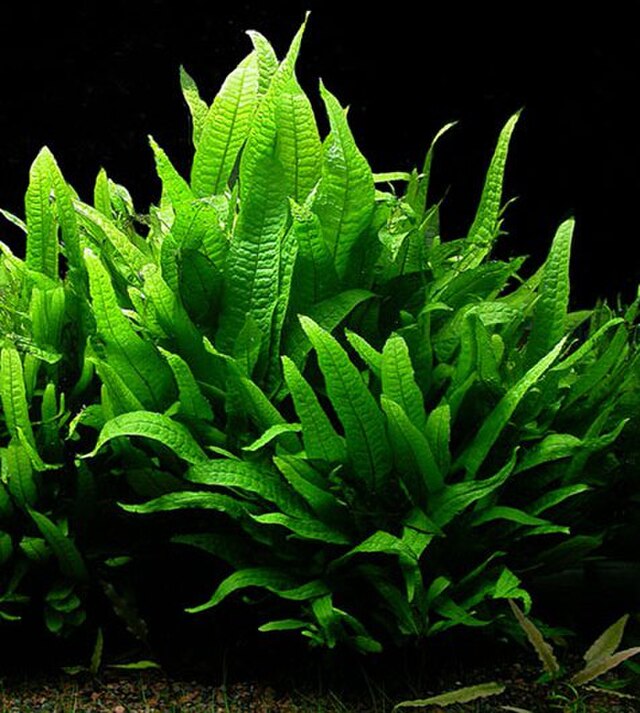 © Tsunamicarlos at English Wikipedia / Public domain
Java Fern
Leptochilus pteropus
A fern aquatic plant from Southeast Asia. Attaches to driftwood and rocks, popular for its unique leaf shape.
Java fern 'Narrow'
Microsorum pteropus 'Narrow'
A narrow-leaved form of Java fern. Its long leaves, about 1–2 cm wide, spread from the rhizome at a wider angle than the standard plant. Compact and easy to tie onto wood or stone, though differently shaped plants are sold under the same name.
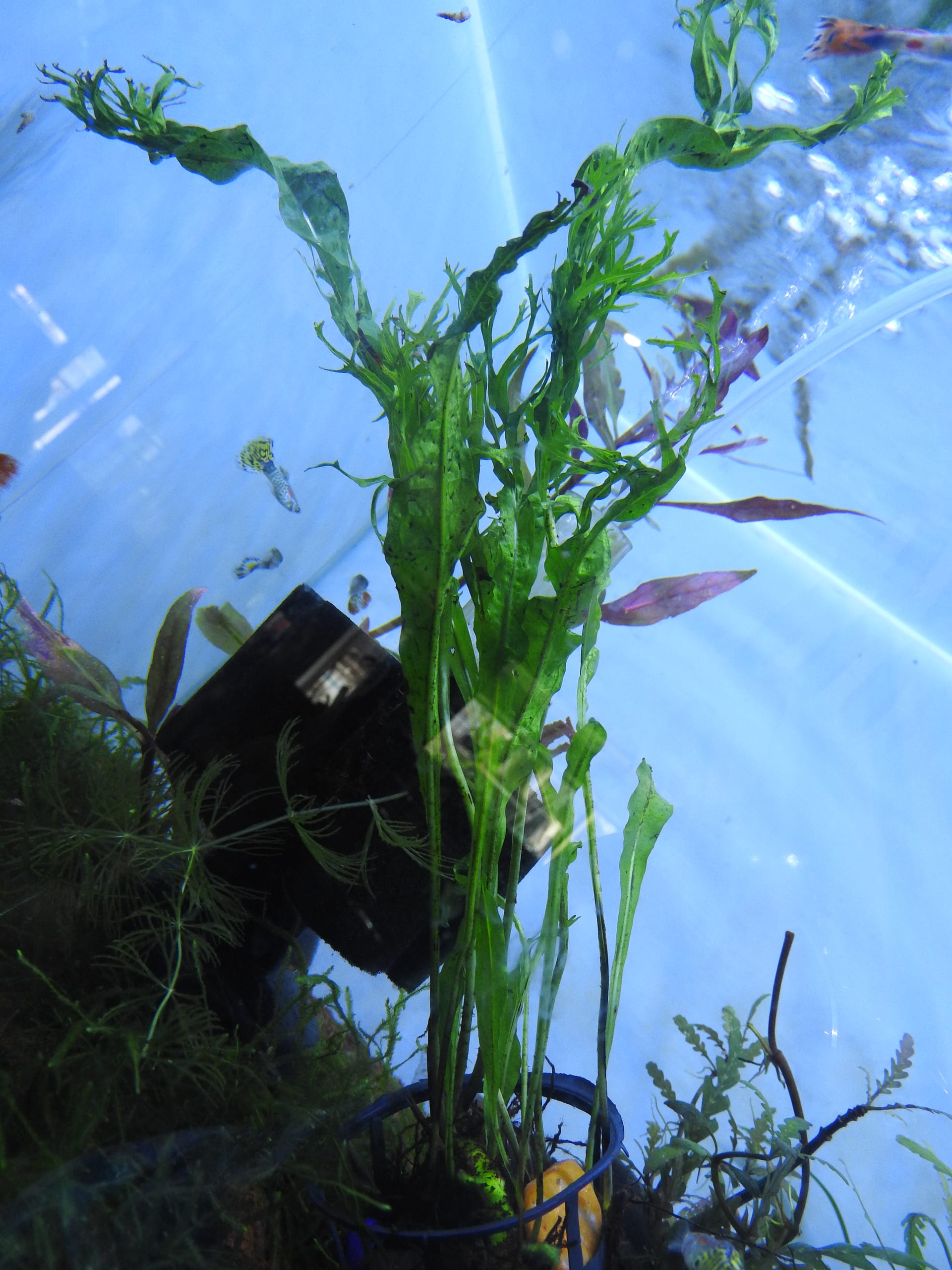 © Yercaud-elango / CC BY 4.0
Java fern 'Windeløv'
Microsorum pteropus 'Windeløv'
A Java fern cultivar whose leaf tips fork repeatedly into fine tufts. Named after the founder of a Danish aquatic plant nursery, it entered the trade in 1994 and forms bushy clumps about 10–20 cm tall.
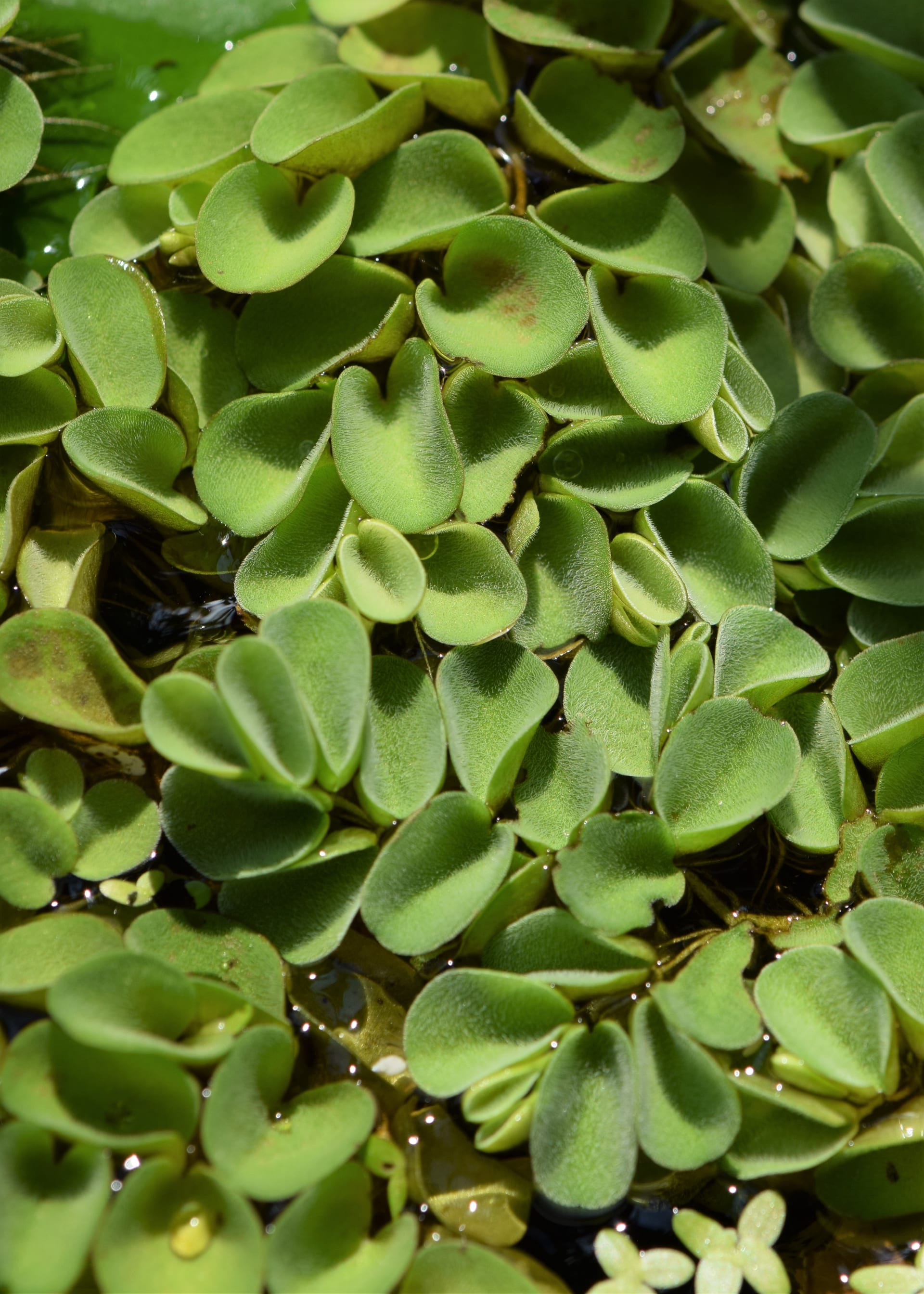 © Krzysztof Ziarnek, Kenraiz / CC BY-SA 4.0
Salvinia cucullata
Salvinia cucullata
A tropical Asian floating fern whose velvety, light green floating leaves curl up like boats or hoods. Well grown it forms thick cushions; under poor conditions the leaves lie flat.
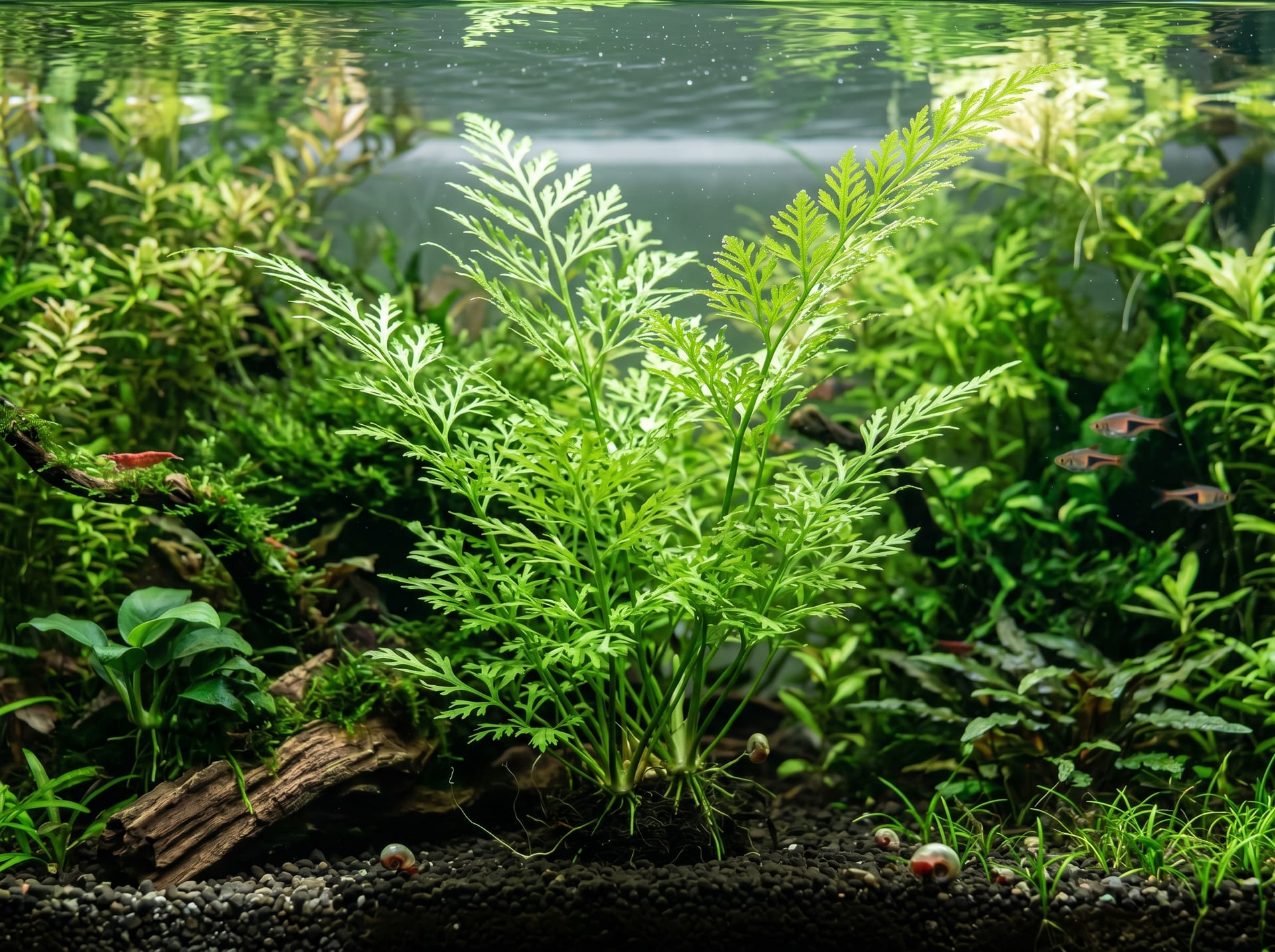
Water Sprite
Ceratopteris thalictroides
A fern with beautiful pinnate delicate leaves. Versatile plant that grows floating or planted.
Related Content
Aquatic Plant FAQ
- How much do aquatic plants cost?
- Common Rotala and Anubias cost 300-1,000 yen, Bucephalandra 1,000-5,000 yen, and rare wild-collected specimens 5,000-20,000+ yen depending on species.
- Can beginners grow aquatic plants?
- Anubias Nana and Java Moss require no CO2 injection and grow in low light, making them ideal for beginners. Start with hardy shade-loving plants.
- What equipment is needed for aquatic plants?
- A tank, LED light, filter, and aqua soil are the basics. For advanced layouts, CO2 injection and high-performance lighting significantly improve growth and coloration.
- What should I check when buying aquatic plants?
- Ensure leaves are green and healthy, not melting or dying, and free of snails or pests. Tissue-cultured cups are pest-free and reliable.
- Why do aquatic plants die?
- Insufficient light, CO2, or nutrients are the main causes. Each species has different requirements, so matching the environment to your specific plants is essential.