Aquatic Plant Encyclopedia
Encyclopedia of popular aquatic plants with care guides, traits, and aquascaping tips.
Showing 7 of 127 species
Anubias barteri var. nana 'Bonsai'
Anubias barteri var. nana 'Bonsai'
A dwarf selection of Anubias nana. At about 5 cm tall its small leaves pack tightly into a compact, bonsai-like mound, suitable for stones and wood even in tanks of around 10 litres.
Anubias barteri var. nana 'Gold'
Anubias barteri var. nana 'Golden'
A selection of Anubias nana whose new leaves emerge light green to golden yellow, clearly unlike the dark green standard form. Leaves darken in weak light. It traces back to a mutant found at a Taiwanese nursery.
 © Macleay Grass Man / CC BY 2.0
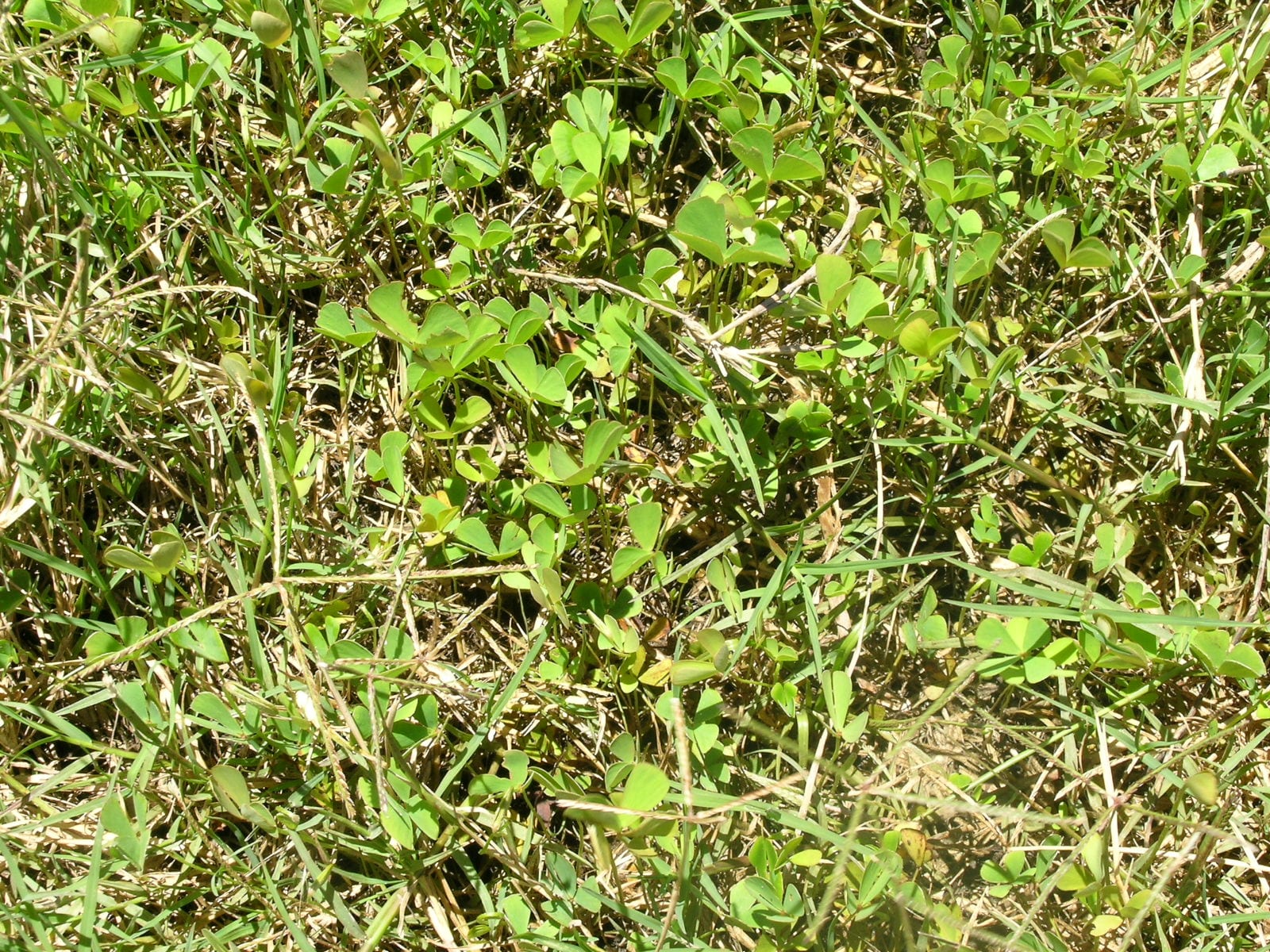
Marsilea Hirsuta
Marsilea hirsuta
A foreground plant with four-leaf clover shaped leaves. Mysteriously becomes single leaf underwater.
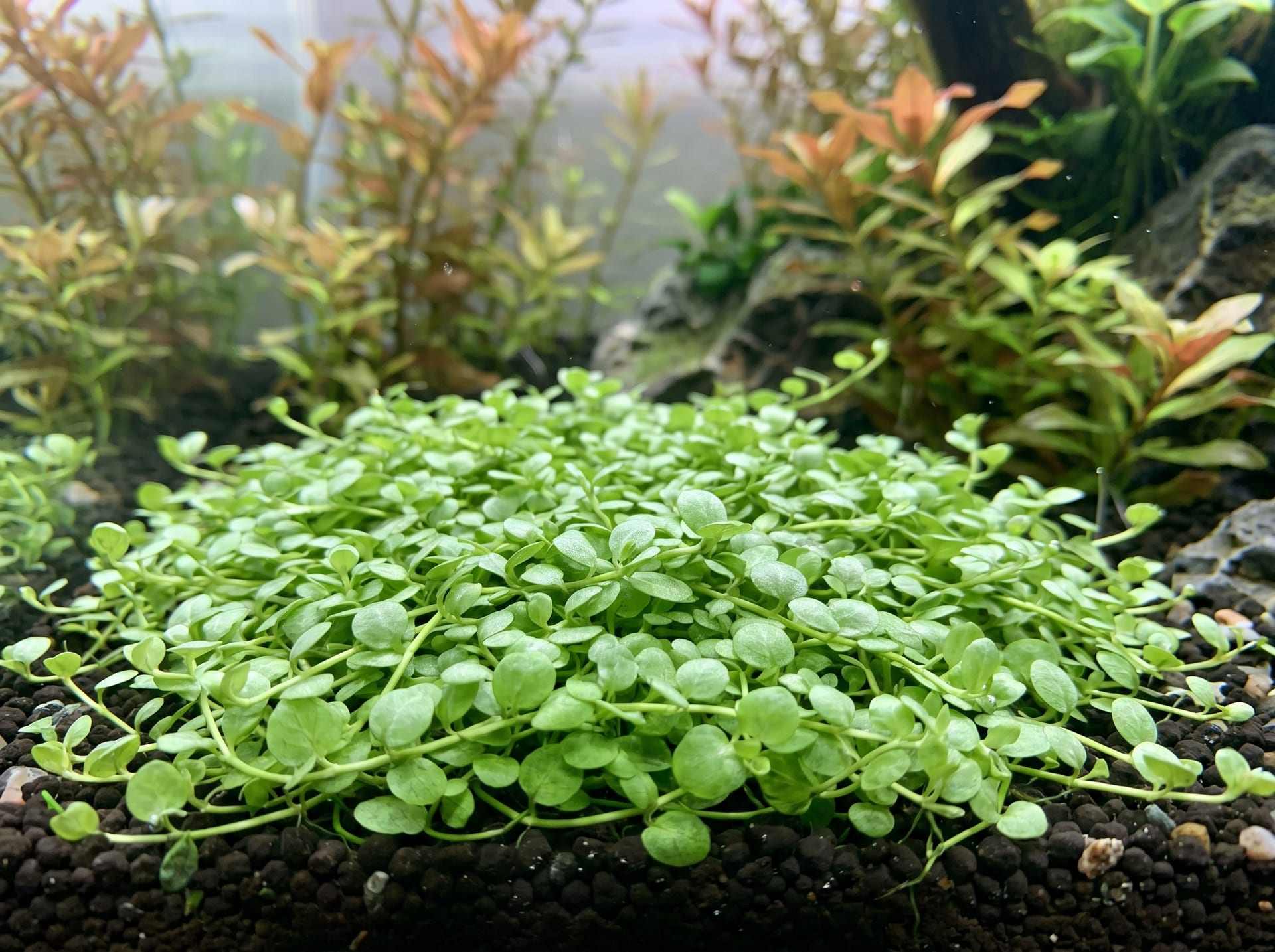
New Large Pearl Grass
Micranthemum sp. 'Monte Carlo'
A foreground plant with larger leaves than Pearl Grass. Spreads carpet-like, naturally forming dome shapes. Beginner-popular as it grows without CO2. The fluffy texture is charming.
 © Krzysztof Ziarnek, Kenraiz / CC BY-SA 4.0
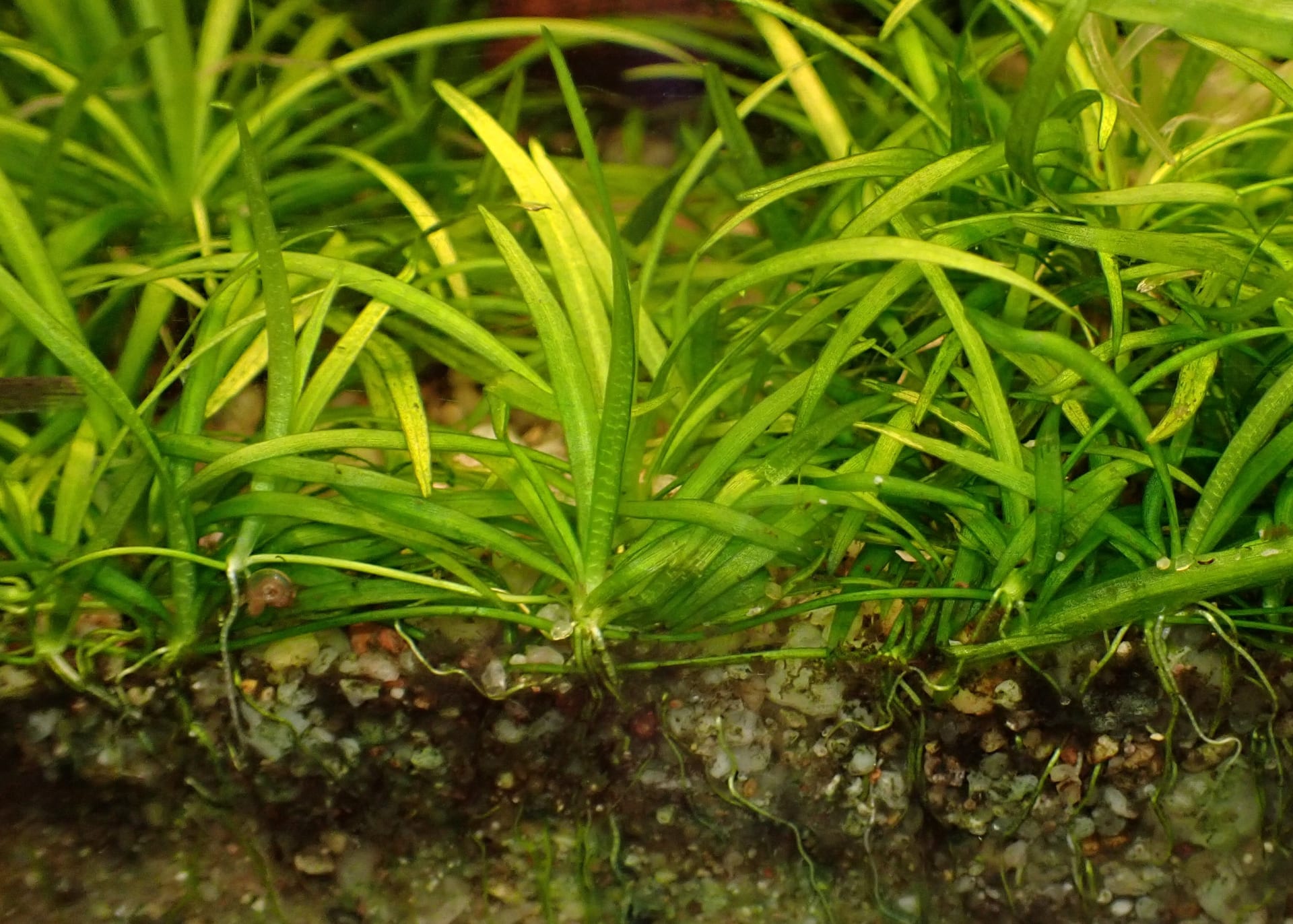
Pygmy chain sword (Helanthium tenellum)
Helanthium tenellum
A small plant with leaves about 1.5 mm wide that spreads by runners into a foreground lawn. Best known by its old name Echinodorus tenellus. It reddens in strong light; a 'Green' form that stays green is also sold.
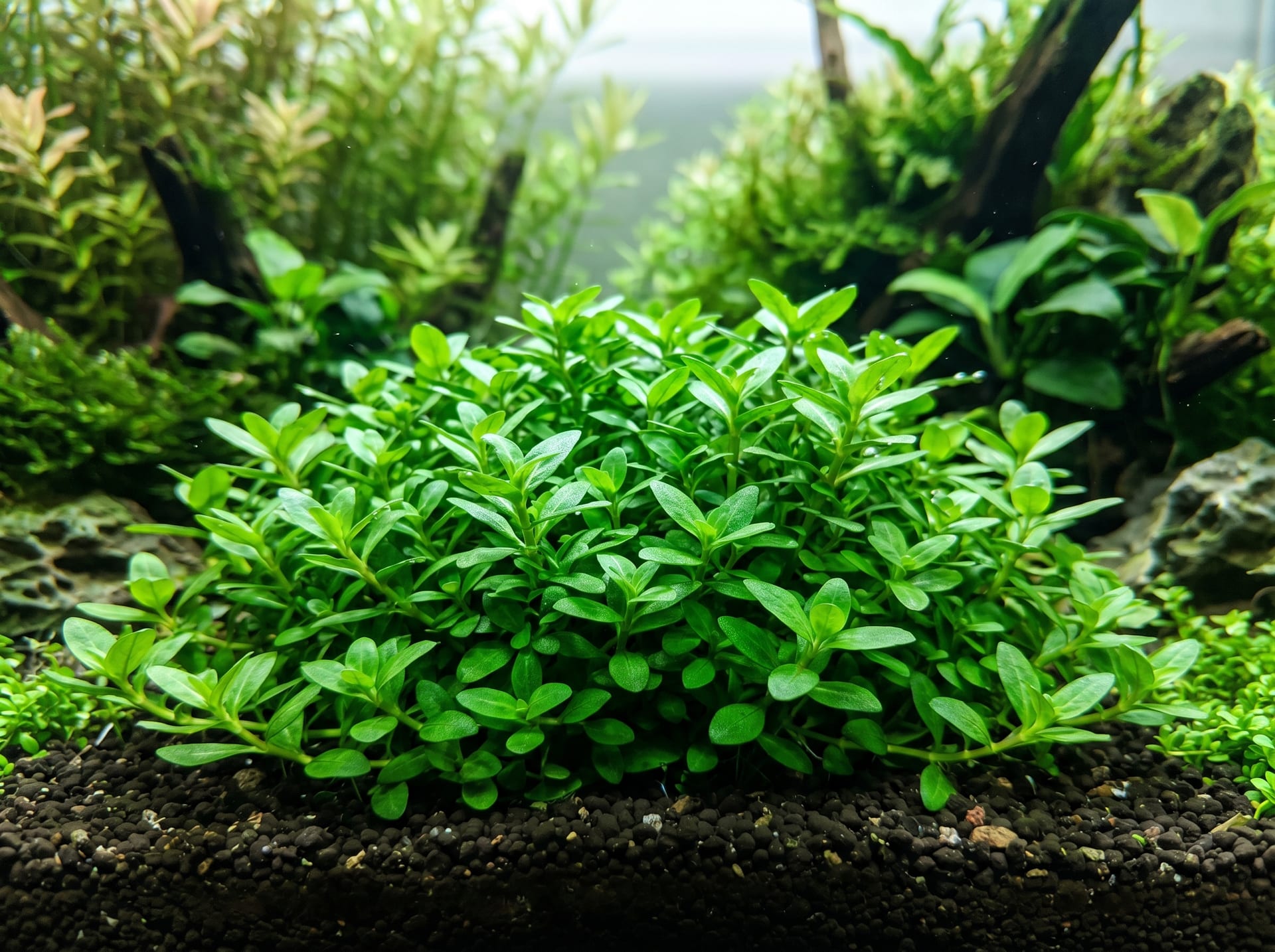
Staurogyne Repens
Staurogyne repens
South American low-growing plant for foreground to midground. Hardy and easy to grow, even without CO2. Forms beautiful green bushes when densely planted. Tolerates trimming well.
 © Forest & Kim Starr / CC BY 3.0
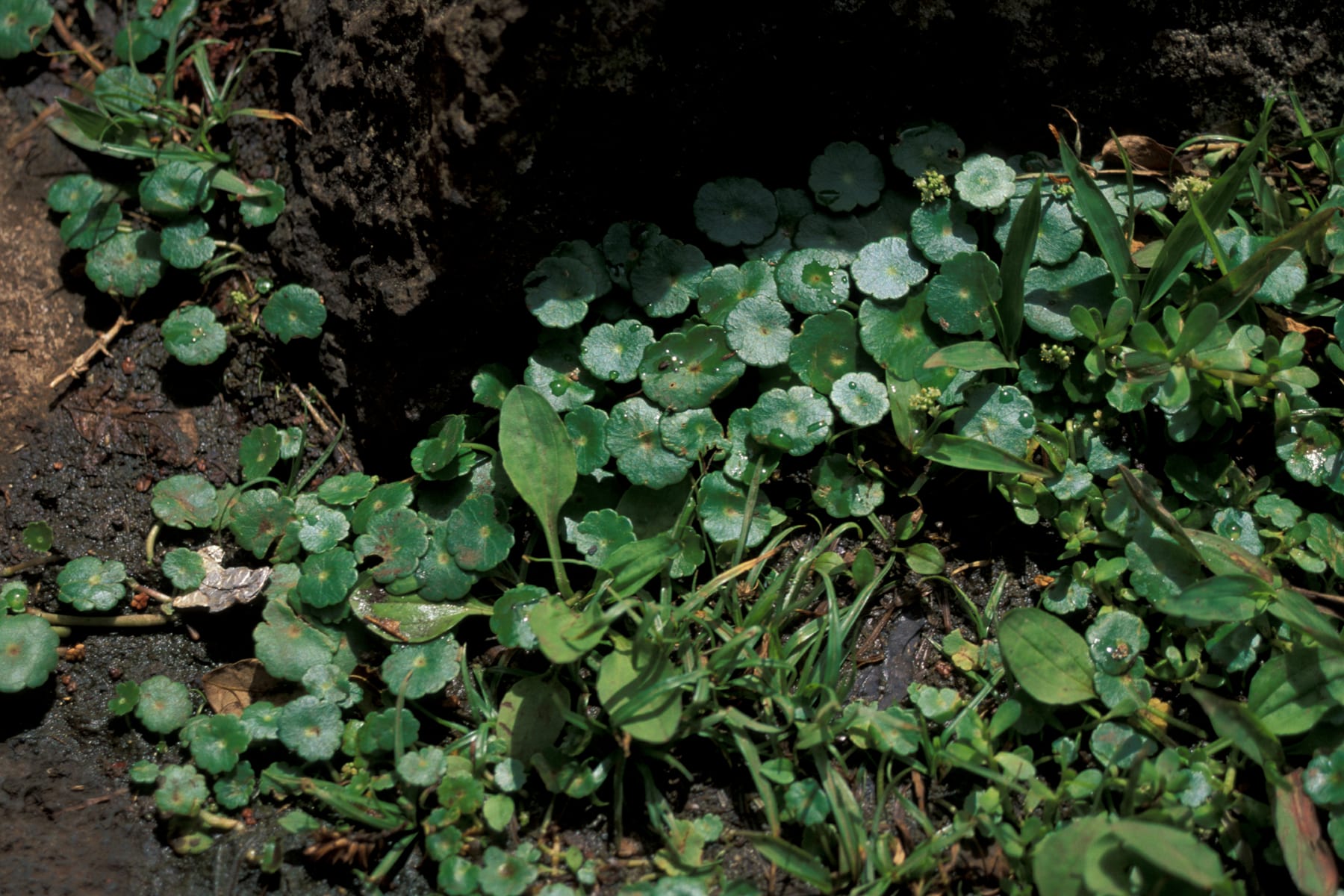
Whorled pennywort
Hydrocotyle verticillata
A creeping marsh plant (Japanese name Uchiwazenikusa) with round, shield-shaped leaves on slender stalks. A biotope staple, but naturalised in Japan and listed as a Priority Control Alien Species. It is distinct from the Specified Invasive Hydrocotyle ranunculoides.
Related Content
Aquatic Plant FAQ
- How much do aquatic plants cost?
- Common Rotala and Anubias cost 300-1,000 yen, Bucephalandra 1,000-5,000 yen, and rare wild-collected specimens 5,000-20,000+ yen depending on species.
- Can beginners grow aquatic plants?
- Anubias Nana and Java Moss require no CO2 injection and grow in low light, making them ideal for beginners. Start with hardy shade-loving plants.
- What equipment is needed for aquatic plants?
- A tank, LED light, filter, and aqua soil are the basics. For advanced layouts, CO2 injection and high-performance lighting significantly improve growth and coloration.
- What should I check when buying aquatic plants?
- Ensure leaves are green and healthy, not melting or dying, and free of snails or pests. Tissue-cultured cups are pest-free and reliable.
- Why do aquatic plants die?
- Insufficient light, CO2, or nutrients are the main causes. Each species has different requirements, so matching the environment to your specific plants is essential.