Source: Wikimedia Commons
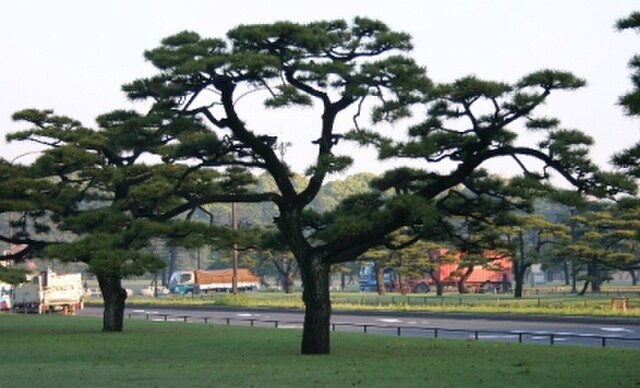
Japanese Black Pine
AdvancedPinus thunbergii
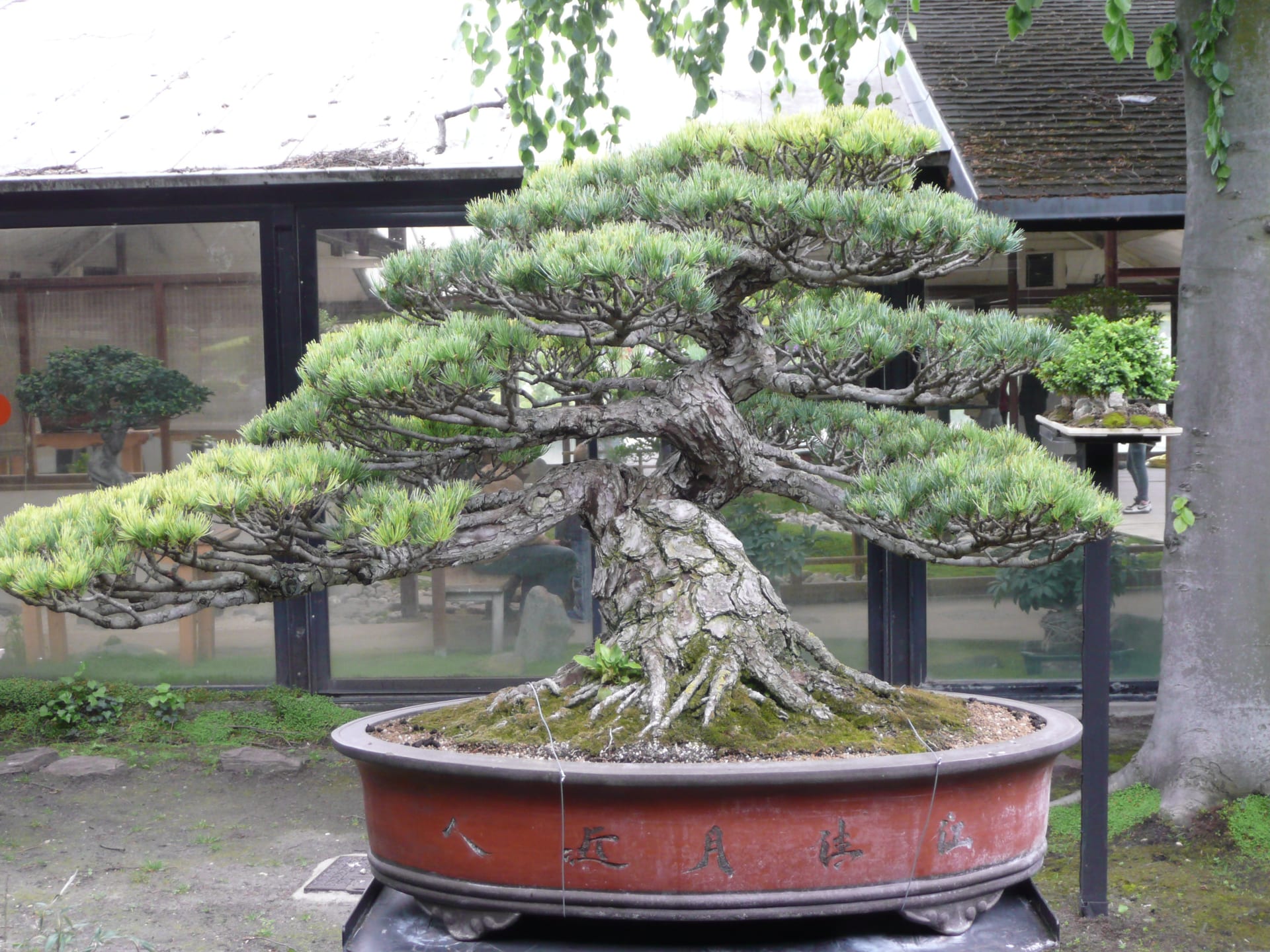
The ultimate bonsai classic. Rugged bark and powerful branching are its greatest appeal. Faster than white pine; advanced techniques like bud cutting create refined canopies. Challenging but supremely rewarding.
About
Pinus thunbergii, commonly known as Japanese black pine or Kuro matsu, is a pine native to the coastal areas of Japan and South Korea. Called the 'emperor of bonsai,' it is one of the most important species in Japanese bonsai tradition, known for its strong, vigorous character, dark gray furrowed bark, and sharp paired needles. The signature bonsai technique for this species is 'candle cutting' (mekiri), performed in June by removing new growth to encourage a second flush of shorter, more compact needles. It demands full direct sunlight and is best grown outdoors year-round.
Source: Wikipedia (CC BY-SA 4.0)
Lifespan of the Japanese Black Pine
The Japanese Black Pine lives Centuries (50+ years as bonsai).
Size of the Japanese Black Pine
The Japanese Black Pine grows to 15-100cm (bonsai size).
Temperature & humidity for the Japanese Black Pine
The Japanese Black Pine tolerates temperatures of -10〜35℃.
Basic Info
Origin
Coastal areas of Japan and South Korea
Lifespan
Centuries (50+ years as bonsai)
Size
15-100cm (bonsai size)
Temperature
-10〜35℃
Watering & Fertilizer
Generous solid organic fertilizer in spring and fall
Growing Tips
Placement
Outdoor in full sun. More sunlight is always better
Bud Cutting
Cut new shoots at base in June — forces shorter second-flush needles. Advanced technique
Watering
Keep on the dry side. Overwatering causes leggy growth
Notes
Watch for pine caterpillars and needle cast. Regular spraying needed
Japanese Black Pine FAQ
QWhat is the growing difficulty level for Japanese Black Pine?
Advanced. A variety suitable for advanced growers. Requires advanced cultivation techniques and specialized equipment, with careful environmental adjustments needed.
QWhat temperatures can Japanese Black Pine tolerate?
Japanese Black Pine tolerates temperatures of -10〜35℃. This is the tolerated range, not the ideal growing temperature. Keep conditions well inside it and avoid sudden temperature changes.
QWhat is the lifespan of Japanese Black Pine?
The average lifespan of Japanese Black Pine is Centuries (50+ years as bonsai). With proper cultivation environment and nutrient management, you can keep it healthy for a long time.
QHow large does Japanese Black Pine get?
The mature size of Japanese Black Pine is 15-100cm (bonsai size). This may vary slightly depending on cultivation environment and individual differences.
QHow should I water and fertilize Japanese Black Pine?
Japanese Black Pine: watering & fertilizer — Generous solid organic fertilizer in spring and fall. Aim for appropriate frequency and amount.
QWhat is the typical price for Japanese Black Pine?
The price of Japanese Black Pine varies significantly by variety, characteristics, size, and lineage. Please check GrowerDirect's price guide for the latest market information.
Last updated: June 24, 2026
Growing Specifications
- USDA Zone
- 5–9
- Hardiness (RHS)
- H7
Sources: RHS: Pinus thunbergii
References & Sources
Edited & verified by: GrowerDirect Editorial Team
The classifications, regulations, and growing data on this page are created and verified based on the primary information database below.
Taxonomy & Authority
Regulations & Conservation Status
Sources: CITES Checklist of CITES Species
Regulations may change. Always verify the latest information with the relevant authorities.
Related Species
Find listings for this species
Related Articles
Pine and Cypress Bonsai Care Calendar | Monthly Work Guide
Monthly management schedule for pine and cypress bonsai (black pine, five-needle pine, Shinpaku, etc.). Explains the annual plan for bud pinching, leaf thinning, wiring, and fertilization.
Complete Manual for Pine Bonsai Bud Removal (Green Pruning) — Care of Black Pine and Japanese Five-Needle Pine
A detailed explanation of the timing and methods for bud removal (green pruning) on pine bonsai. Introduces different bud-cutting schedules for black pine and Japanese five-needle pine, second-bud adjustment, old-leaf removal techniques, and short-leaf styling methods.
Black Pine Bud Pinching and Annual Canopy Management | Timing of Bud Pinching, Style-Specific Management (Formal Upright, Slanting, Cascade), and Tree Age & Cultivation Years
An explanation of the timing and technique for black pine bonsai bud pinching (green pinching), style-specific management for formal upright, slanting, and cascade forms, and cultivation principles according to tree age, all presented with an annual management schedule.
Blackwater Aquarium Setup Guide | Aquatic Plants and Fauna from Southeast Asia and South America
How to set up a blackwater aquarium (low pH, low hardness, brownish water). This guide explains water parameter adjustment using peat moss, driftwood, and almond leaves, plus tips on combining aquatic plants and fauna from the Amazon and Southeast Asia with maintenance best practices.
🩺 Common diseases
Can't find the plant you're looking for?
Post your wishes for free and growers with matching plants will contact you with introductions.