Pine and Cypress Bonsai Care Calendar | Monthly Work Guide
Monthly management schedule for pine and cypress bonsai (black pine, five-needle pine, Shinpaku, etc.). Explains the annual plan for bud pinching, leaf thinning, wiring, and fertilization.
Key Takeaways
Monthly management schedule for pine and cypress bonsai (black pine, five-needle pine, Shinpaku, etc.). Explains the annual plan for bud pinching, leaf thinning, wiring, and fertilization.
Related Species
Pine and Cypress Bonsai: Basic Concepts for Year-Round Care
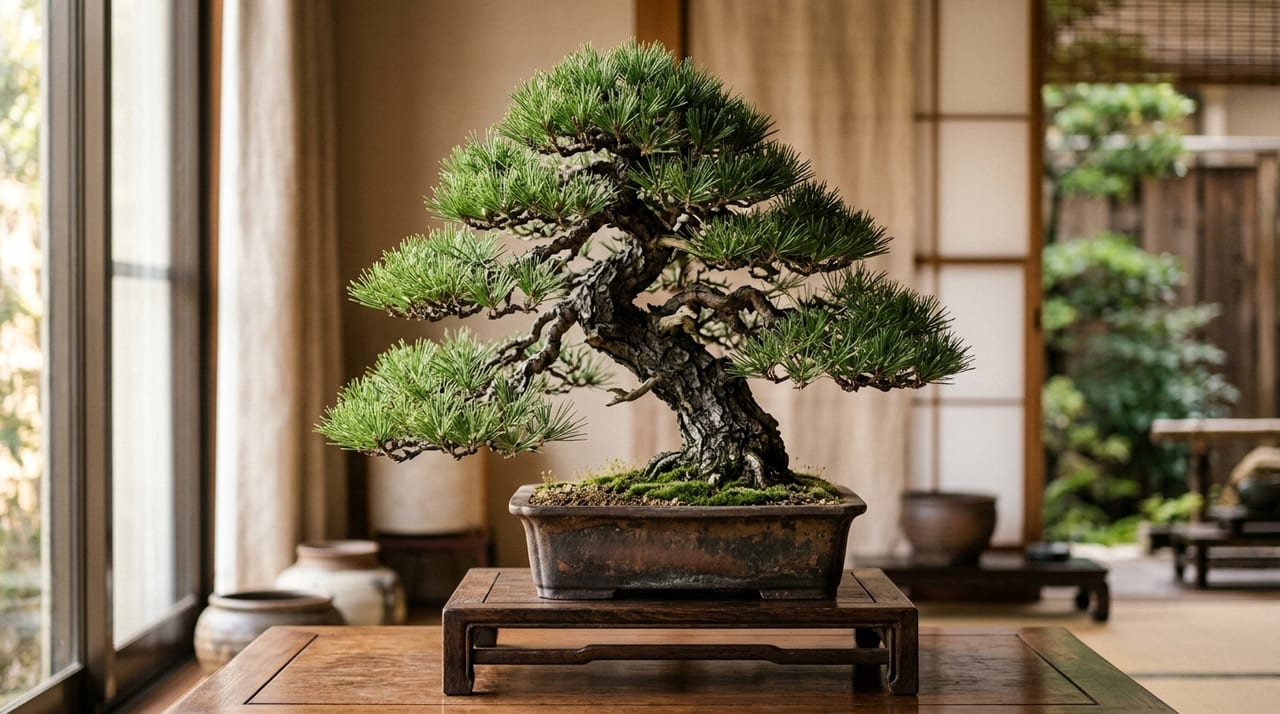
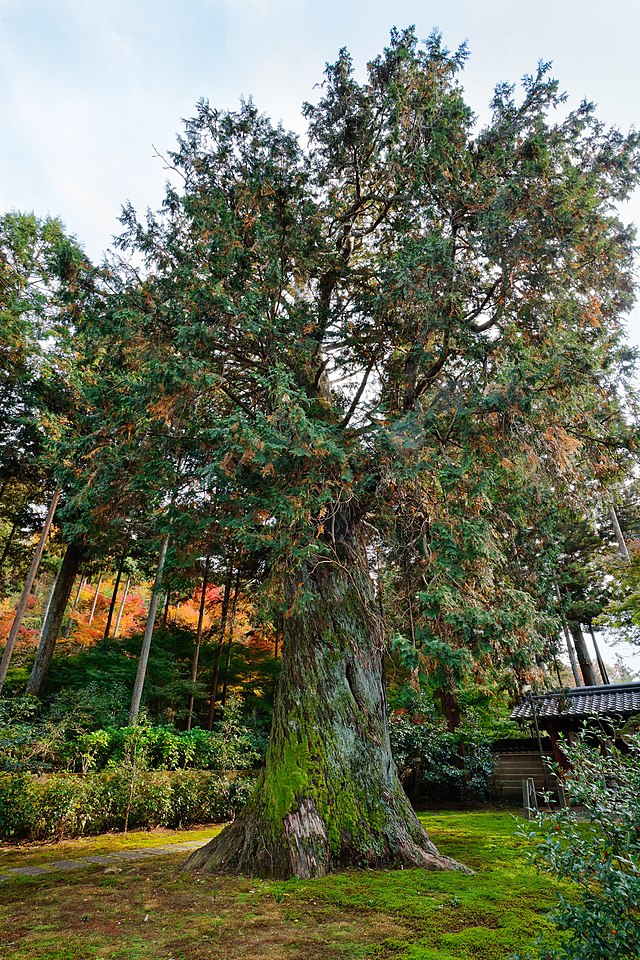
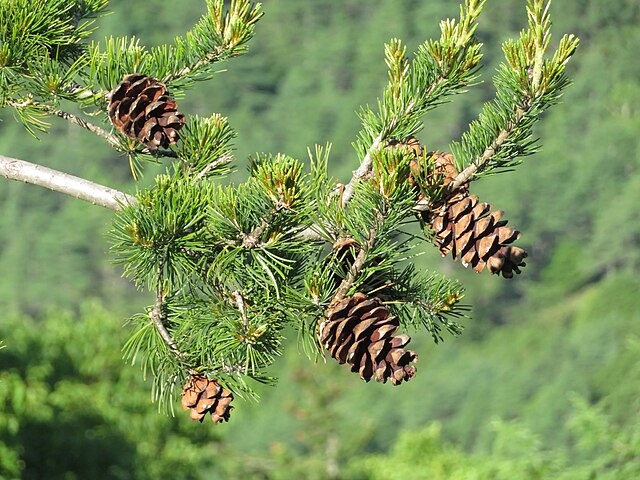
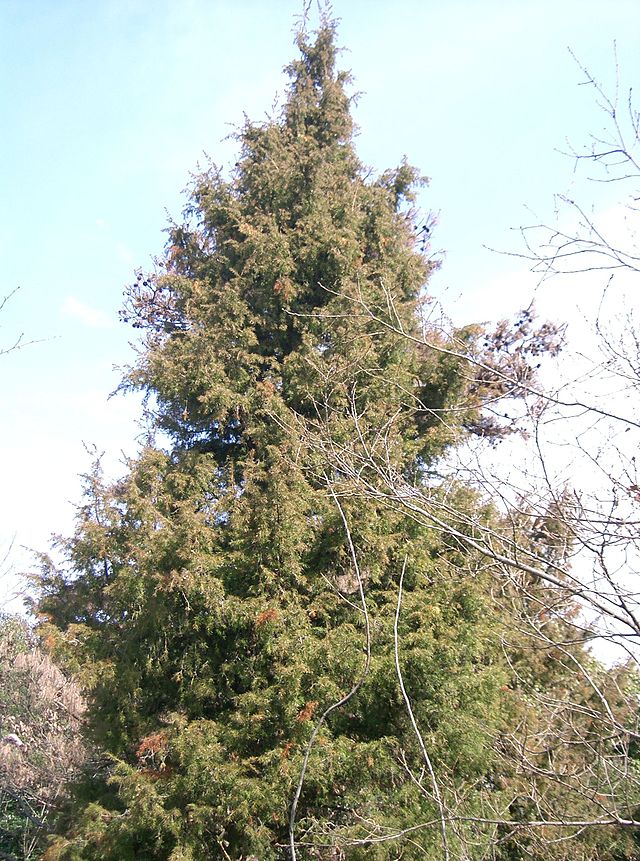
Pine and cypress bonsai is the general term for bonsai centered on coniferous plants such as pines (black pine, red pine, five-needle pine), Shinpaku, juniper, and hinoki (Japanese cypress). Unlike deciduous bonsai, these retain their foliage throughout the year, requiring careful management based on an accurate understanding of the seasonal growth rhythm.
The most important aspect of pine and cypress bonsai care is understanding "what growth stage the tree is currently in." From spring budbreak through the summer growing period, autumn dormancy preparation, and winter cold management, proper timing of tasks for each phase leads to beautiful tree form and healthy growth.
Spring (March–May): Season of Budbreak and Styling
- March is the most critical period in pine and cypress bonsai care. As temperatures begin to rise and new buds are about to break, this is when repotting work is performed. The two weeks before and after root activity begins is the ideal timing for repotting; trim the roots by about one-third and replace the old soil with fresh red soil and Kiryu sand blend. After repotting, manage the plant in partial shade away from direct sunlight, and keep watering restrained for the 1–2 weeks until roots establish.
- April is when new growth (called "midori") begins to extend. For black pine and red pine, this is the time for "bud pinching" (midori-tsumi). Vigorously growing buds should be cut back to about half their length, while weaker buds should be left to grow, balancing the vigor across the entire tree. Five-needle pine is not pinched; instead, manage the tree by observing how the new growth develops.
- May is when fertilization begins. Apply solid organic fertilizer (bone meal, rapeseed cake, etc.) as top-dressing around the pot rim. Fertilization at this stage directly impacts summer and beyond growth, so choosing a balanced fertilizer with proper ratios of nitrogen, phosphorus, and potassium is essential. See fertilizer selection tips for reference.
Summer (June–August): Water Management and Pest Control
Summer is a harsh season for pine and cypress bonsai. Watering becomes the center of management. When temperatures exceed 30°C, watering twice daily—morning and evening—is standard. However, the principle is to water abundantly until water drains from the pot bottom; "frequent light watering" risks root rot and must be avoided.
June–July is peak season for pests and disease. For pines, this overlaps with the emergence period of the pine sawyer beetle (which vectors pine wood nematode), making preventive insecticide spraying effective. In the high-temperature, high-humidity conditions of the rainy season, "sooty mold" and "gray mold" are prone to develop, so ensure good airflow and apply fungicide regularly.
Bud cutting on black pine (short-leaf method) is also an important task during this period. Target late June to early July: cut back the new shoots that grew in spring at their base to encourage short, sturdy secondary buds to break during summer. This work increases lateral branches, making the crown denser and raising the ornamental value of the bonsai. If done after September, the secondary buds will not fully mature, actually weakening the tree, so avoid this.
August leaf thinning is crucial work to improve airflow within the tree. Remove dense old foliage by hand so that sunlight and air reach deep into the canopy. This work dramatically improves bud development from autumn onward. Strong direct sunlight in midsummer causes leaf scorch, so consider applying shade cloth where afternoon western sun exposure occurs.
Autumn (September–November): Ripening and Preparation for Next Year
September–October is both the season when pine and cypress bonsai looks its most beautiful and a critical work period determining next year's form. The secondary buds from summer cutting ripen, and the foliage becomes short and dense, developing into an elegant form.
Wiring (styling) is work for autumn through winter. As sap flow slows and branches become more flexible, wrap aluminum or copper wire to shape the tree. Select wire about one-third the thickness of the branch, wrapping at a 45-degree angle evenly. Wrapping too tightly causes wire to cut into the bark and leave marks, so check every 2–3 months and remove before it cuts in.
October–November is the final month for fertilization. To recover from summer stress and build strength for winter survival, apply fertilizer high in phosphorus and potassium. Excess nitrogen will produce soft, elongated shoots that are easily damaged by winter cold, so be careful.
Winter (December–February): Protection and Dormancy Management
The key to winter management is "prevent complete freezing, but don't overheat." Pine and cypress bonsai experience proper dormancy through moderate cold, which leads to vigorous spring budbreak. However, freezing the entire pot to below zero damages fine roots and causes dieback.
December–January management is best done in sheltered areas like under benches or eaves where rain does not fall directly and minimum temperatures do not drop below –5°C. In cold regions, group pots together and wrap with straw or shade cloth in "winter protection." If moving indoors, avoid heated rooms; instead choose unheated spaces like entrances or hallways with temperatures around 5–10°C.
Winter watering should be minimal—water 2–3 days after the soil surface dries. On days when temperatures drop below 0°C, limit watering to midmorning when it warms, preventing root damage from freezing.
Late February is when you check tree condition as preparation for spring work. Clean up dead branches and check the condition of old soil, organizing steps for March repotting.
Year-Round Management: Three Key Principles
To grow pine and cypress bonsai healthily over the long term, keep the following three points in mind alongside monthly tasks.
- Location: Year-round outdoor placement with good sunlight and airflow is the standard. Long-term indoor management weakens the tree through insufficient light and dryness. Limit indoor display for viewing to within one week.
- Soil selection: Balance between water retention, aeration, and drainage is critical. A 7:3 blend of medium red soil and Kiryu sand is the standard, with adjustments made according to species, age, and pot size. Old soil loses drainage properties, so always perform repotting every 2–3 years.
- Habit of observation: Checking leaf color, bud movement, and root condition at each watering creates a habit that enables early detection of problems. Daily observation is truly the most important task in bonsai care.