Blackwater Aquarium Setup Guide | Aquatic Plants and Fauna from Southeast Asia and South America
How to set up a blackwater aquarium (low pH, low hardness, brownish water). This guide explains water parameter adjustment using peat moss, driftwood, and almond leaves, plus tips on combining aquatic plants and fauna from the Amazon and Southeast Asia with maintenance best practices.
Key Takeaways
How to set up a blackwater aquarium (low pH, low hardness, brownish water). This guide explains water parameter adjustment using peat moss, driftwood, and almond leaves, plus tips on combining aquatic plants and fauna from the Amazon and Southeast Asia with maintenance best practices.
Related Species
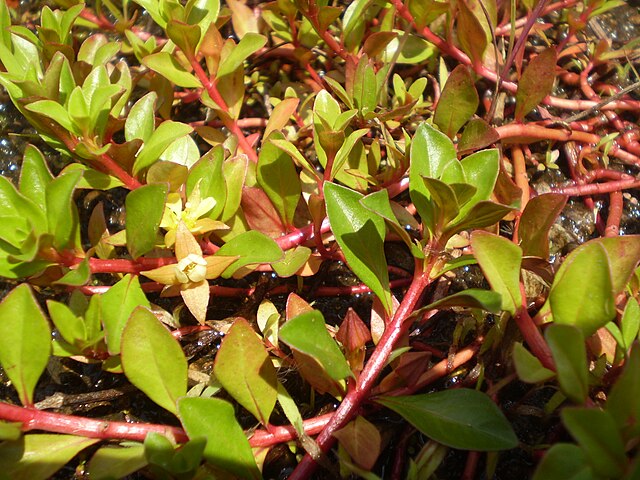
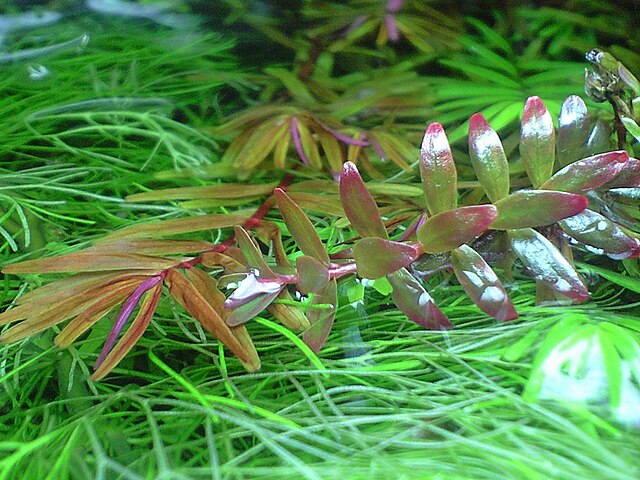
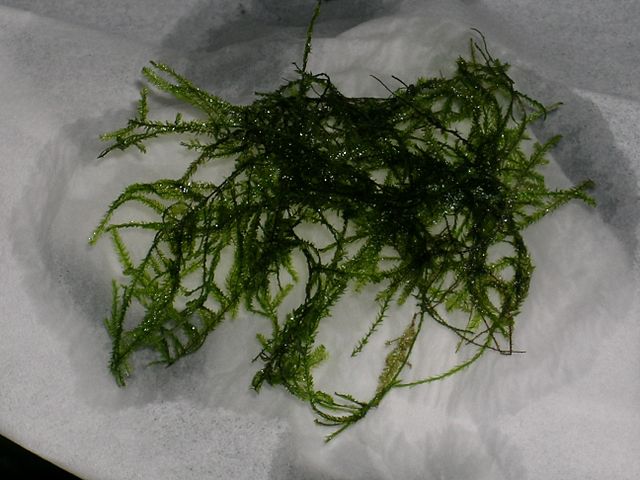
The waters flowing through the upper Amazon and Borneo's rivers are not transparent blue-green but tea-colored from dissolved tannins. This environment, known as "blackwater," possesses unique beauty and its own distinct ecosystem. The special water parameters of weak acidity, soft water, low pH, and low TDS create an environment that nurtures beautiful aquatic plants and rare tropical fish.
In recent years, interest in blackwater aquariums has grown among aquarium enthusiasts. This article explains the characteristics of blackwater environments, concrete setup methods, and how to select suitable aquatic plants and fauna.
What is Blackwater?
Blackwater refers to water colored by organic acids (particularly tannins and humic acids) dissolved from fallen leaves and tree roots. In nature, it is found in the following environments:
- South America: Amazon tributaries, Rio Negro, etc.
- Southeast Asia: Tropical rainforest rivers such as the Kapuas River in Kalimantan and peat swamps in Sumatra
Blackwater Water Parameter Characteristics
| Parameter | Normal Mid-Range Water | Blackwater |
|---|---|---|
| pH | 7.0–7.5 | 4.5–6.5 |
| Hardness (GH) | 8–15° | 0–3° |
| TDS (Total Dissolved Solids) | 200–400 ppm | 10–80 ppm |
| Color | Clear | Tea-brown to dark brown |
These low-pH, ultra-soft water conditions are essential for specific aquatic plants and fauna to maintain their health long-term.
Why Create a Blackwater Aquarium?
Fish Health and Longevity
Fish whose native habitat is blackwater, such as discus, angelfish, apistogramma, and wild-type betta, show improved health and color when kept in their natural water parameters.
Additionally, low-pH, low-TDS water suppresses the proliferation of bacteria and parasites, reducing the risk of disease.
Improved Breeding Success
Many blackwater-origin fish, such as apistogramma, exhibit breeding behavior when kept in appropriate pH and soft water conditions. Weakly acidic, ultra-soft water is favorable for spawning and fry growth.
Unique Beauty
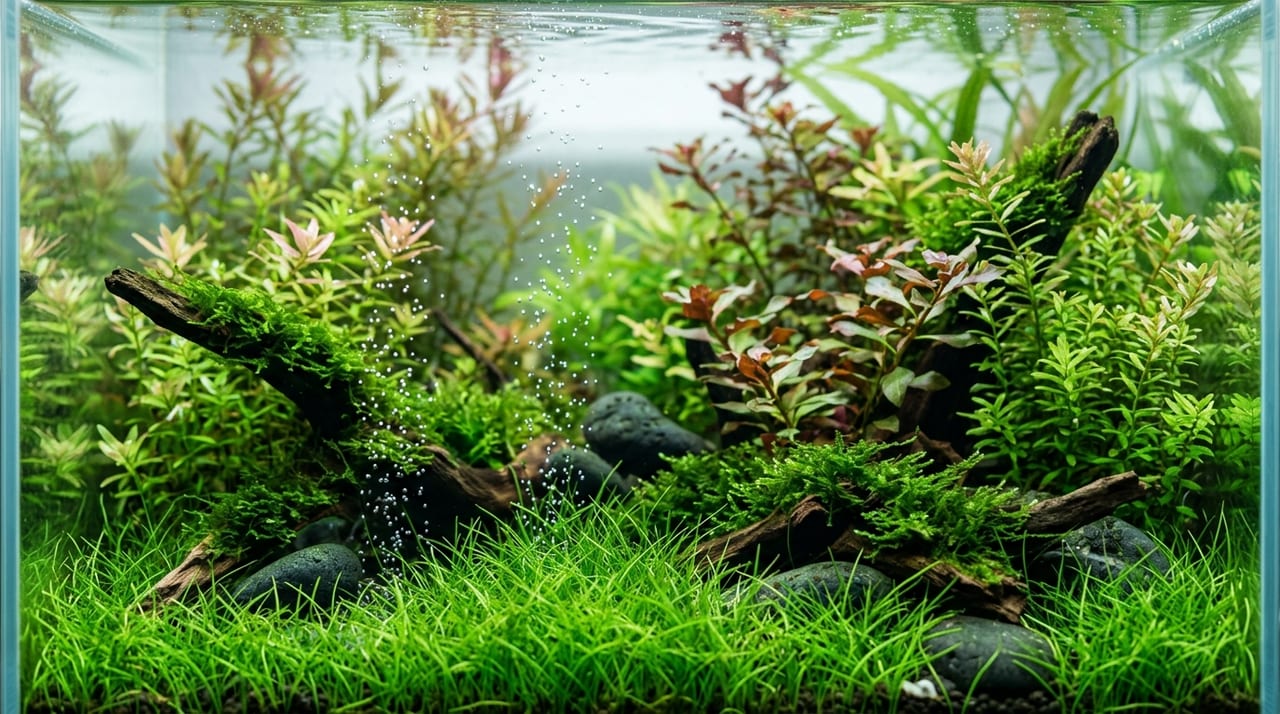
The natural landscape of driftwood and fallen leaves sinking in tea-colored water possesses a unique beauty entirely different from conventional aquascaping.
Methods for Adjusting Water Parameters
Using Peat Moss
Peat moss is decomposed peat vegetation that acidifies water and lowers pH.
How to use:
- Place commercial peat moss (aquatic plant grade—not fishing grade) in a dedicated net in the filter media space of an external filter.
- As pH gradually decreases, measure pH with each water change and adjust the amount accordingly.
- The effect diminishes after 1–2 months, so regular replacement is necessary.
Adding Magic Leaves (Almond Leaves)
Tropical almond leaves (Terminalia catappa) release tannins and humic acids to recreate blackwater and are said to have antibacterial and antifungal properties.
How to use:
- Add dried magic leaves directly to the tank (1–2 leaves per 60 cm tank as a guideline).
- They initially float but sink within a few days.
- They decompose over 2–4 weeks, so regular additions and replacements are necessary.
- Decomposing leaves also contribute to the natural aesthetic of the aquarium.
Southeast Asian Driftwood Options
For recreating Southeast Asian-style blackwater, using Borneo-sourced sinking wood (such as alder roots or Kapuas wood) or Southeast Asian driftwood rich in tannins is also effective.
Note on Filtration Systems
The organic acids that create blackwater are absorbed by activated carbon (carbon-based filters). As a basic rule, do not use activated carbon in blackwater aquariums.
Softening Water for Water Changes
While tap water hardness varies by region, Japanese tap water, though relatively soft, may still be too hard for blackwater environments.
Using RO Water (Reverse Osmosis)
The most controllable method is using nearly pure water produced by an RO filter. Since RO water has nearly zero hardness and extremely low TDS, you can recreate ideal blackwater by adding peat or magic leaf extract to it.
Commercial Ultra-Soft Water and Water Softeners
If RO water installation is difficult, commercial "water softening agents" or "calcium removal products" can be used to lower hardness.
Aquatic Plants Suitable for Blackwater
Few aquatic plants can tolerate low pH, soft water, and low-light environments. The following are species that grow well in blackwater aquariums.
Hardy and Recommended Plants
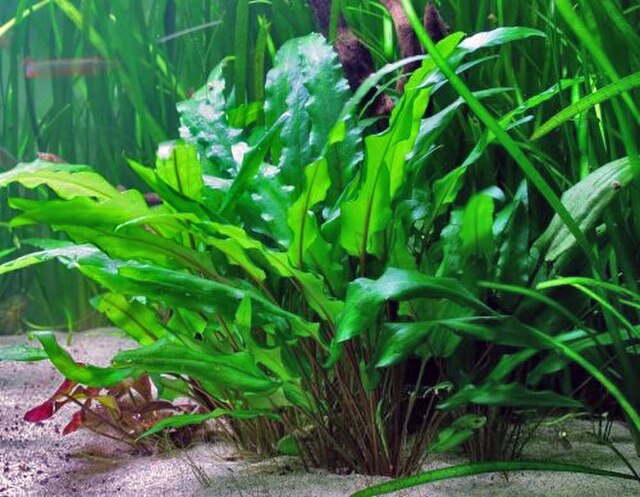
Cryptocoryne Mostly from Southeast Asia, with many being native to blackwater environments. They grow well in weakly acidic, soft water and can be cultivated even in low light. Popular species include Wendtii, Beckettii, and Balansae.
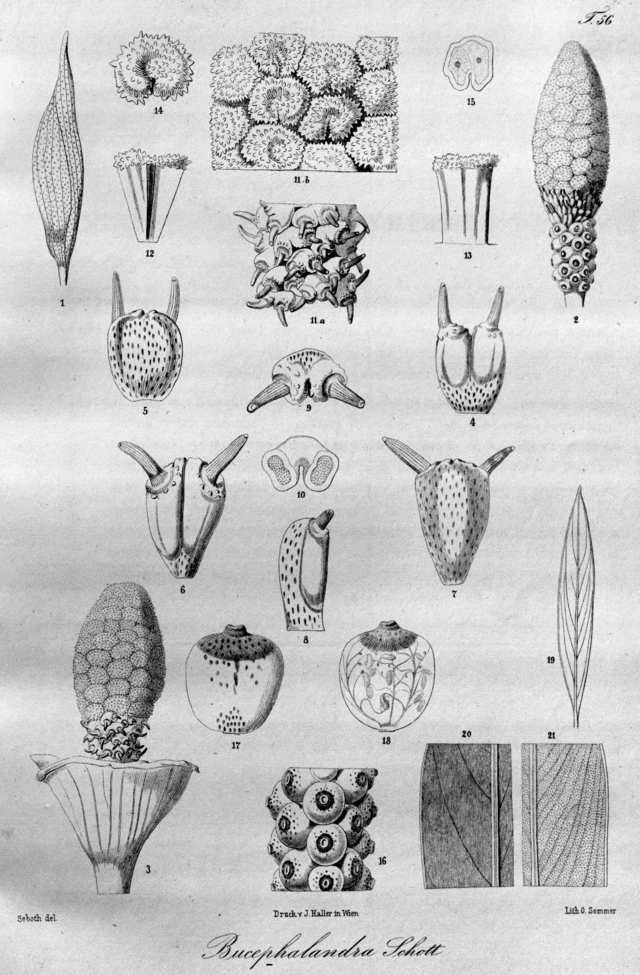
Bucephalandra An epiphytic plant from Borneo where blackwater is its native habitat. It thrives in weakly acidic, soft water and low light. Minimal CO2 supplementation is sufficient. The leaves are beautiful and rare varieties are abundant.
Anubias Although from Africa, it tolerates a wide range of water parameters from weakly acidic to neutral. It is a hardy epiphytic plant easy to cultivate without CO2 and even in low light.
Java Fern (Microsorum pteropus) A hardy epiphytic plant that tolerates a wide range of water parameters. It readily attaches to driftwood and rocks and is easy to use in layouts.
When Using Stem Plants
Stem plants are often difficult to cultivate in blackwater environments, but the following are relatively adaptable:
- Rotala indica
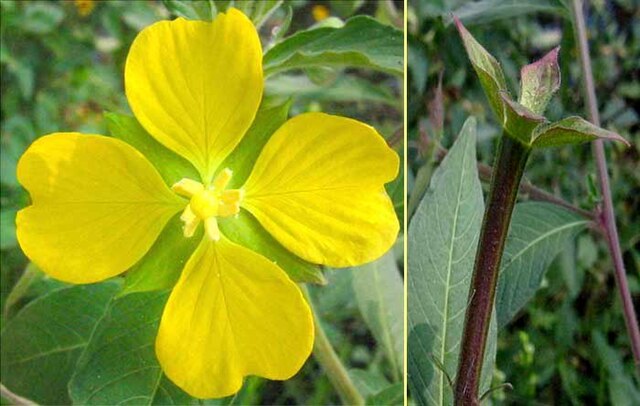
- Ludwigia repens
Fauna Suitable for Blackwater
Southeast Asian
Betta (Wild-type and primitive species): Wild-type Betta splendens and primitive bettas such as macrostoma and coccina prefer blackwater.
Rasbora species: Including small fish such as Tetraodon nigroviridis (dwarf pufferfish).
Corydoras (some species): Primitive species such as Corydoras hastatus and similar blackwater-adapted Corydoras prefer soft water and weak acidity.
South American
Apistogramma: A small cichlid native to the Amazon blackwater region that can also be bred. Optimal conditions are pH 5.5–6.5 and GH 0–3.
Discus: They readily become ill in hard water, so long-term care in blackwater is recommended.
Neon Tetra and Cardinal Tetra: Weakly acidic, soft water is ideal for achieving maximum color.
Selecting Layout Materials
As a basic principle, do not use rocks or use them minimally in blackwater aquarium layouts. Rocks, especially limestone and coral sand, raise pH and are incompatible with blackwater's acidic conditions.
Recommended materials:
- Sinking wood (willow moss can also be attached)
- Magic leaves and dried leaves
- Driftwood in general (especially blackwood, Kapuas wood, etc.)
For substrate, use fine sand (which may have less pH impact than soil) or aquatic plant-specific substrate, utilizing it for pH management.
Water Management Tips
Regular pH Monitoring
Blackwater aquariums have unstable pH, so measure it weekly. pH often differs significantly between immediately after a water change and a few days later.
Tips for Water Changes
Using tap water directly causes pH to spike with each water change. Using pre-adjusted RO water or peat-treated water for water changes prevents sudden water parameter shifts.
Finding Blackwater-Adapted Species on GrowerDirect
When starting a blackwater aquarium, obtaining aquatic plants and fauna directly from growers with confirmed origin information is the quickest path to setup. On GrowerDirect, growers specializing in cryptocoryne and bucephalandra offer their livestock, and you can consult directly with growers about water parameters and care while sourcing. If you're looking for blackwater aquatic plants, we encourage you to use our service.