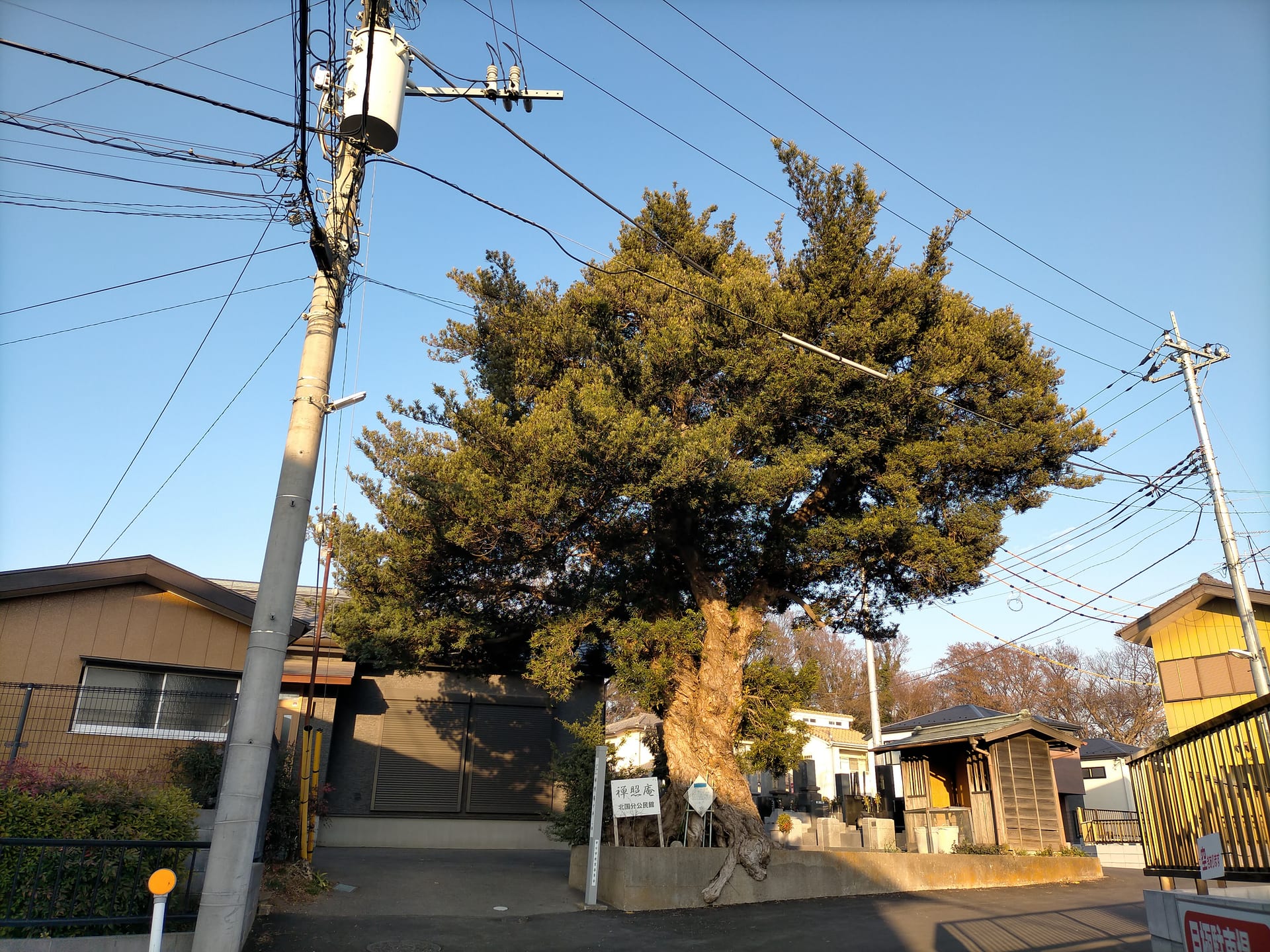
Source: Wikimedia Commons
Buddhist pine (maki)
IntermediatePodocarpus macrophyllus var. maki
An evergreen conifer, a variety of Podocarpus macrophyllus with shorter, narrower, denser leaves, slower growth and a tighter form. Well known as a garden and hedge tree, it takes pruning well and is also grown as conifer bonsai.
About
Rakan-maki (Podocarpus macrophyllus var. maki) is an evergreen conifer of the Podocarpaceae, a variety of the yew plum pine (inumaki). It is recorded from Honshu west of southern Kanto, Shikoku, Kyushu and Okinawa as well as mainland China and Taiwan, though some suggest its true origin is China and the details are unclear. Its leaves, 4–8 cm long and 4–6 mm wide, are shorter and narrower than inumaki's (8–12 mm wide), dense and often pointing upward—the main identifier. Even so, they are hard for amateurs to tell apart, and a narrow-leaved inumaki cultivar (hosoba-maki) also exists, so check leaf width when buying. Slower-growing than inumaki with a tighter form, it is considered more valuable, and most plants stay under 5 m. Male and female plants are separate and fruit is rare, so it is mostly propagated by cuttings. The name likens the fruit to an arhat (rakan) in robes. It tolerates very heavy pruning: garden trees shaped over 20–30 years are prized as gateway trees, and it is also trained as conifer bonsai. It is somewhat tender, grown only from southern Tohoku southward, and particularly dislikes dry winter wind. Mostly sold as a garden tree, it is available as bonsai material from specialist shops.
Size of the Buddhist pine (maki)
The Buddhist pine (maki) grows to 4–10 m tall (mostly under 5 m).
Basic Info
Origin
Japan (Honshu west of southern Kanto, Shikoku, Kyushu, Okinawa), China and Taiwan (origin possibly China)
Lifespan
Little data on lifespan
Size
4–10 m tall (mostly under 5 m)
Temperature
-5〜35℃
Watering & Fertilizer
Fertilizer (little bonsai-specific data)
Growing Tips
Light & placement
Grow young plants in sun; mature plants tolerate shade
Watering
Grows better with higher humidity—do not let it dry out excessively
Temperature & overwintering
Somewhat tender—grown only from southern Tohoku southward—and especially sensitive to dry winter wind, so shelter it in winter
Soil & repotting
Prefers heavy soil but adapts to sand or clay
Pruning & styling
Takes heavy pruning very well; growth is slow, so branches are built over many years
Pests & cautions
Pest-resistant, but weakened trees may get leaf rollers, scale and aphids. Hard to tell from inumaki—check leaf width (4–6 mm)
Buddhist pine (maki) FAQ
QWhat is the growing difficulty level for Buddhist pine (maki)?
Intermediate. A variety suitable for intermediate growers. Requires some cultivation experience and knowledge of environment management. Pay careful attention to temperature and humidity control.
QHow large does Buddhist pine (maki) get?
The mature size of Buddhist pine (maki) is 4–10 m tall (mostly under 5 m). This may vary slightly depending on cultivation environment and individual differences.
QHow should I water and fertilize Buddhist pine (maki)?
Buddhist pine (maki): watering & fertilizer — Fertilizer (little bonsai-specific data). Aim for appropriate frequency and amount.
QWhat is the typical price for Buddhist pine (maki)?
The price of Buddhist pine (maki) varies significantly by variety, characteristics, size, and lineage. Please check GrowerDirect's price guide for the latest market information.
Last updated: September 23, 2026
References & Sources
Edited & verified by: GrowerDirect Editorial Team
The classifications, regulations, and growing data on this page are created and verified based on the primary information database below.
Taxonomy & Authority
Accepted name: Podocarpus macrophyllus var. maki Siebold & Zucc.
Synonyms: Margbensonia maki (Siebold & Zucc. ex Endl.) A.V.Bobrov & Melikyan
Authority databases: GBIF · GBIF · GBIF: Podocarpus macrophyllus
Nomenclature follows global taxonomic authority databases.
Regulations & Conservation Status
Not listed by CITES and not regulated for domestic sale. Some Podocarpus species such as P. neriifolius are CITES-listed, but this species is not.
Sources: Species+ (CITES listing search)
Regulations may change. Always verify the latest information with the relevant authorities.
Related Species
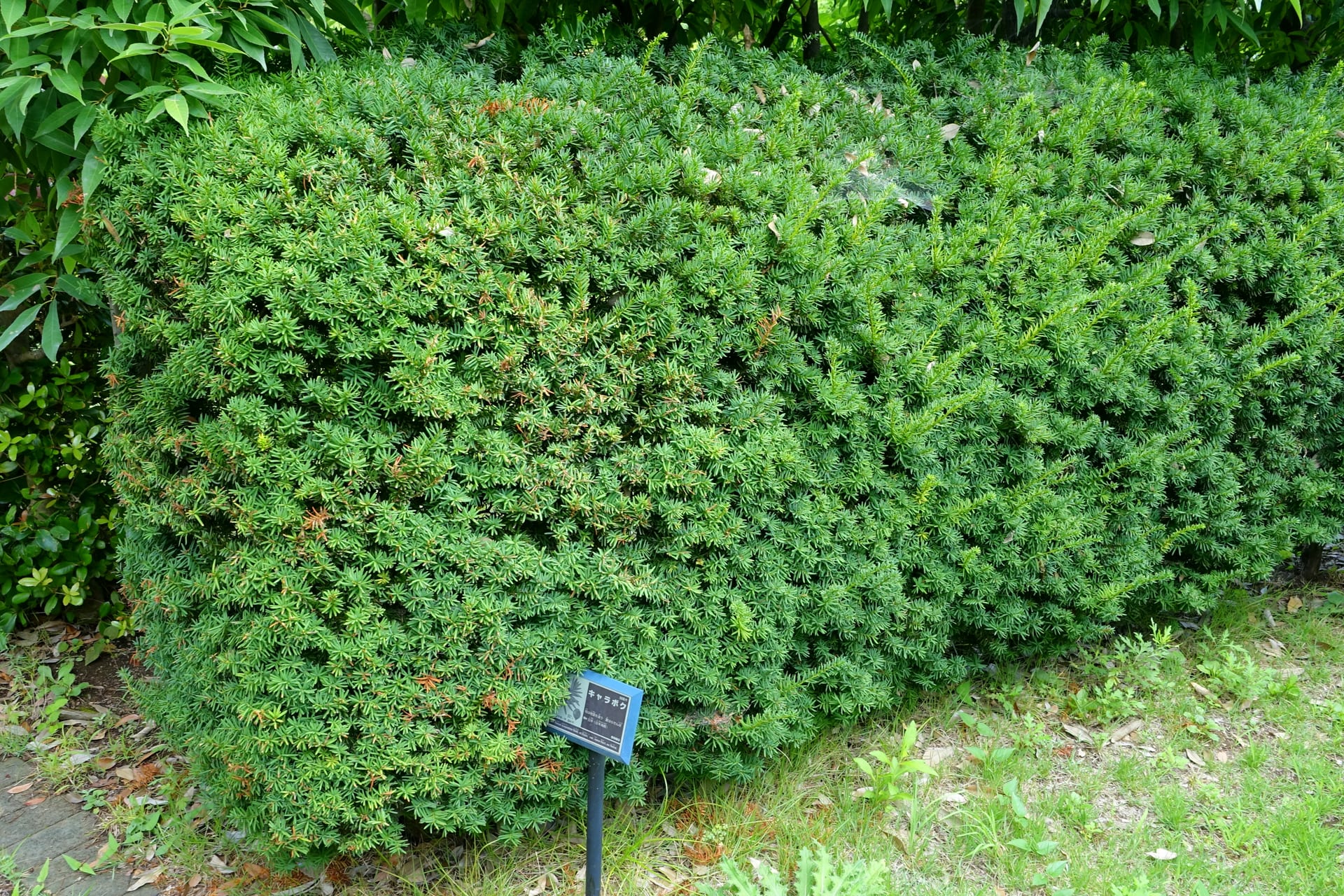
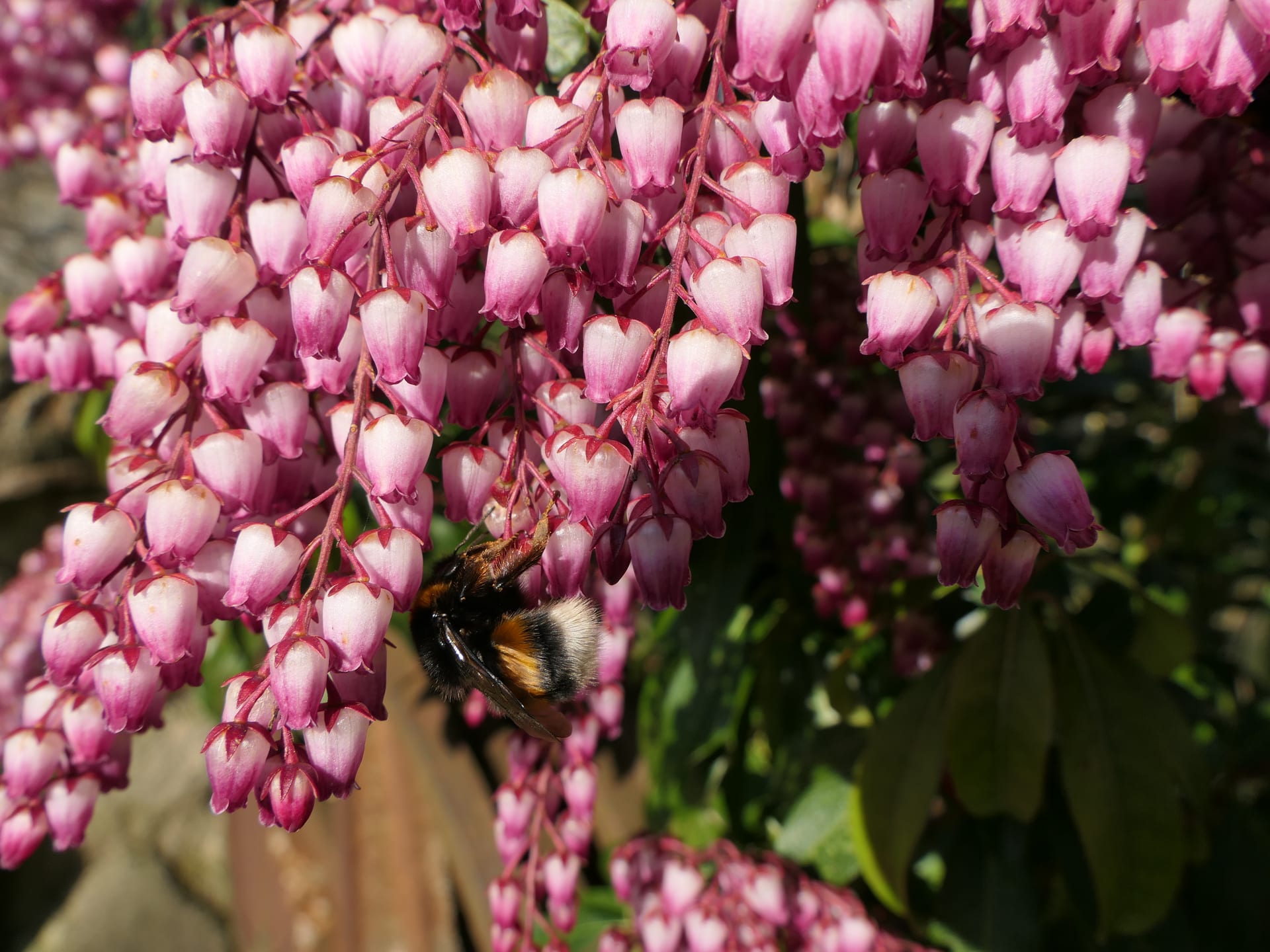
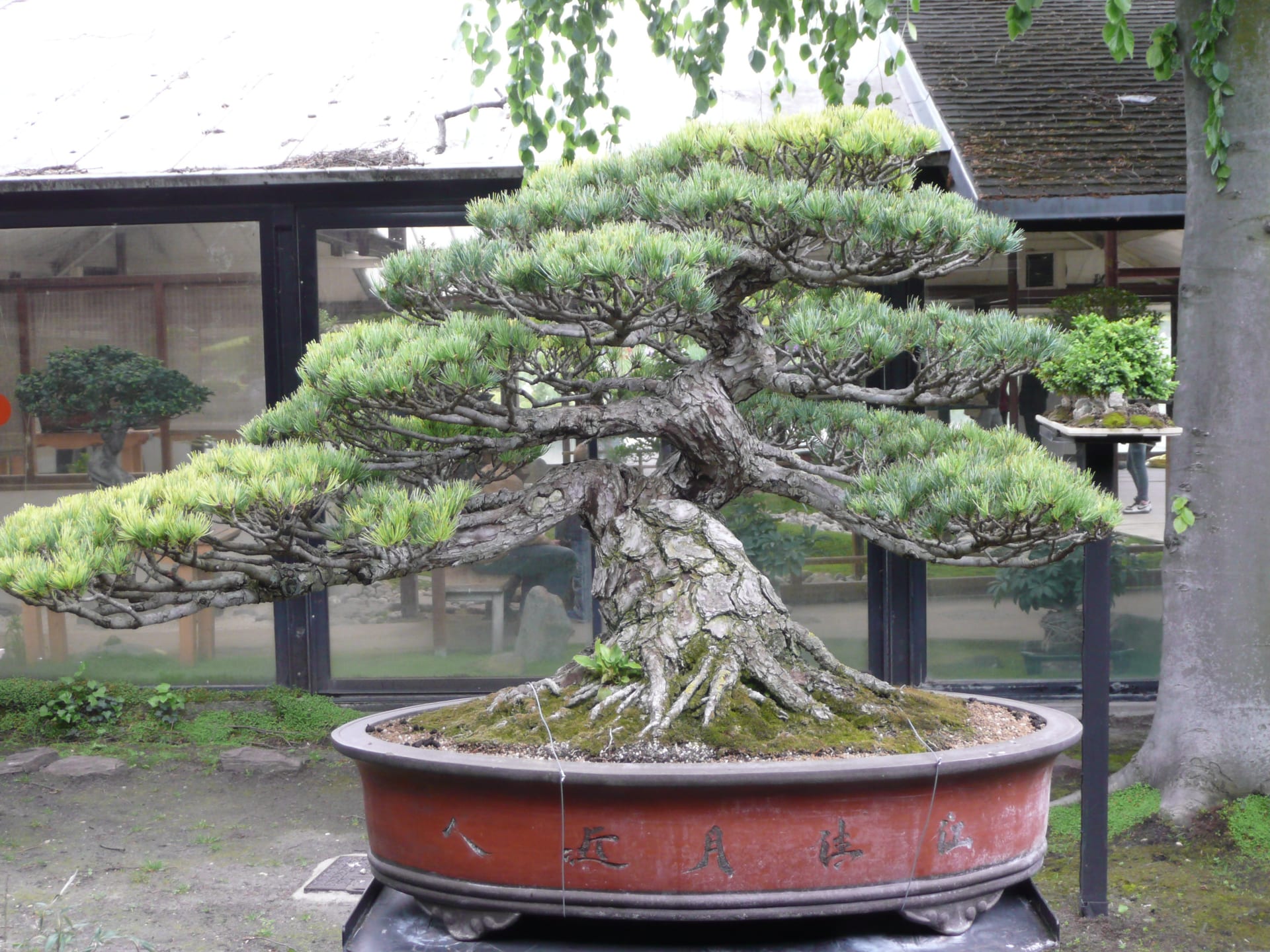
Find listings for this species
Related Articles
How to Make Moss Balls | Easy Japanese Interior Greenery for Beginners
How to make moss balls explained for beginners. Introduction to material selection, creation steps, suitable plant types, display ideas, and daily watering and maintenance.
Bonsai Aged Wood Techniques | Creating Branch Aging Expression and Tree Age Aesthetics
Explains techniques for creating bonsai that appear aged from young stock. Introduces practical methods for expressing tree age aesthetics, from bark texture and branch structure to root development expression and changes over time.
How to Prevent Fertilizer Burn in Bonsai | Determining the Right Fertilizer Amount and Concentration
Why does fertilizer burn occur in bonsai? This explains the mechanism of osmotic pressure, how to identify early symptoms such as browning of leaf tips, why it occurs easily in midsummer and right after repotting, and emergency measures and preventive strategies.
A Guide to Giving Bonsai as Gifts | Appropriate Species and Etiquette for Longevity Celebrations and Business Opening Celebrations
This guide explains how to choose bonsai species and proper etiquette when giving bonsai as gifts for celebrations. It introduces recommended species for different occasions such as longevity celebrations and business opening celebrations, as well as how to choose species while considering management requirements.
🩺 Common diseases
Can't find the plant you're looking for?
Post your wishes for free and growers with matching plants will contact you with introductions.