How to Make Moss Balls | Easy Japanese Interior Greenery for Beginners
How to make moss balls explained for beginners. Introduction to material selection, creation steps, suitable plant types, display ideas, and daily watering and maintenance.
Key Takeaways
How to make moss balls explained for beginners. Introduction to material selection, creation steps, suitable plant types, display ideas, and daily watering and maintenance.
Related Species
Moss balls (moss spheres) are charming Japanese interior greens featuring plants whose roots are wrapped in moss in a round form. Building on bonsai techniques while embracing a free creative approach without needing pots, they're appealing because even beginners can start easily. You can enjoy displaying them in many ways—on a plate, hanging them, and more.
The Appeal of Moss Balls
- Easy to get started: Almost no special tools needed. Even beginners can make one in an hour
- Japanese aesthetic: The sight of green moss wrapping is perfect for Japanese-style spaces
- Space-saving: Enjoy it in just the space of a small plate
- Flexible display options: Place it, hang it, mount it on a wall—many display possibilities
- Seasonal feeling: You can express the changing seasons through the plants you use
Materials You'll Need
Moss
- Haigoke moss: The most popular and easy to source. Hardy and suited for moss balls
- Shinobu moss: Delicate appearance that creates an elegant finish
- Yama moss (mountain moss): Attractive fluffy texture. Requires some care in management
Potting soil (inner soil ball)
- Keto soil (sticky dark soil): Main material for creating the moss ball's framework
- Red lava soil (small grain): Mixed with keto soil to improve drainage
- Sphagnum moss: Can be used as an alternative to keto soil (beginner-friendly)
Other materials
- Cotton thread or fishing line (monofilament): To secure the moss
- Scissors
- Bucket filled with water
- Work gloves (to prevent staining)
Plants Suitable for Moss Balls
Beginner-friendly (hardy and easy to grow)
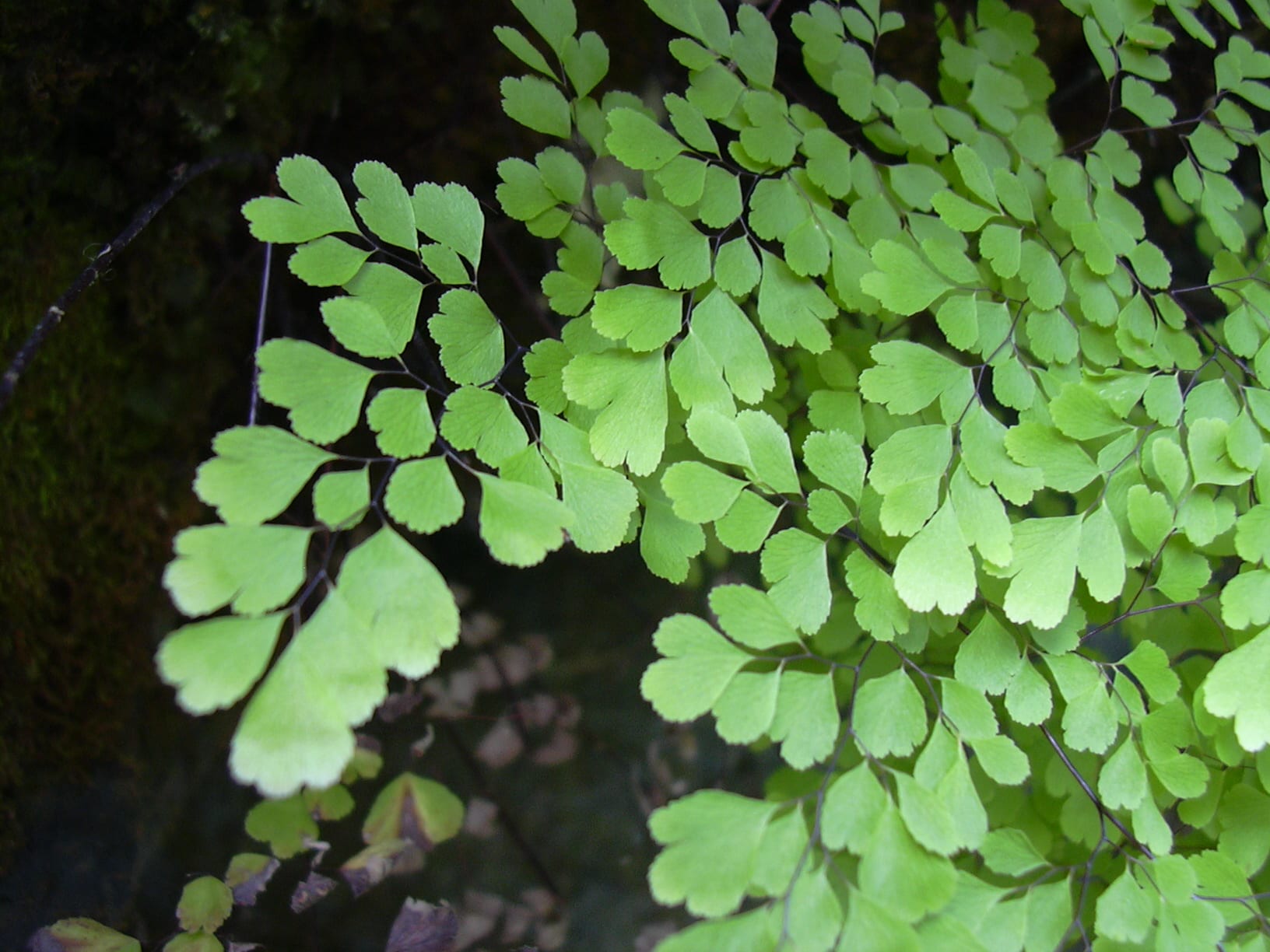
- Ferns (adiantum, brake fern, etc.): Prefer humidity and pair wonderfully with moss balls
- Ivy (hedera): Hardy with vigorous growth. The hanging form is beautiful
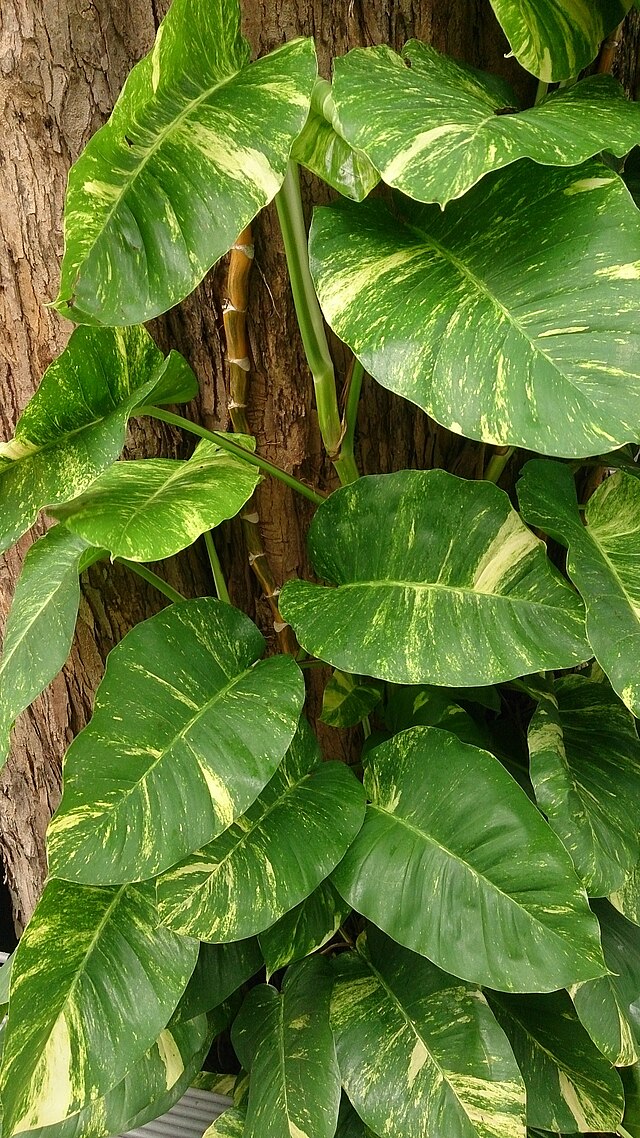
- Pothos: Indoor-friendly. Vine-like form is ideal for hanging moss ball displays
- Wire plant: Delicate small leaves create a refined atmosphere
For enjoying Japanese aesthetics
- Japanese maple (Momiji): Small maple leaves convey the seasons
- Nandina: Red berries serve as accent. Popular as an auspicious plant
- Iris tectorum: Has a wild alpine plant character
- Lingonberry: Small berries are charming
For bonsai-style enjoyment
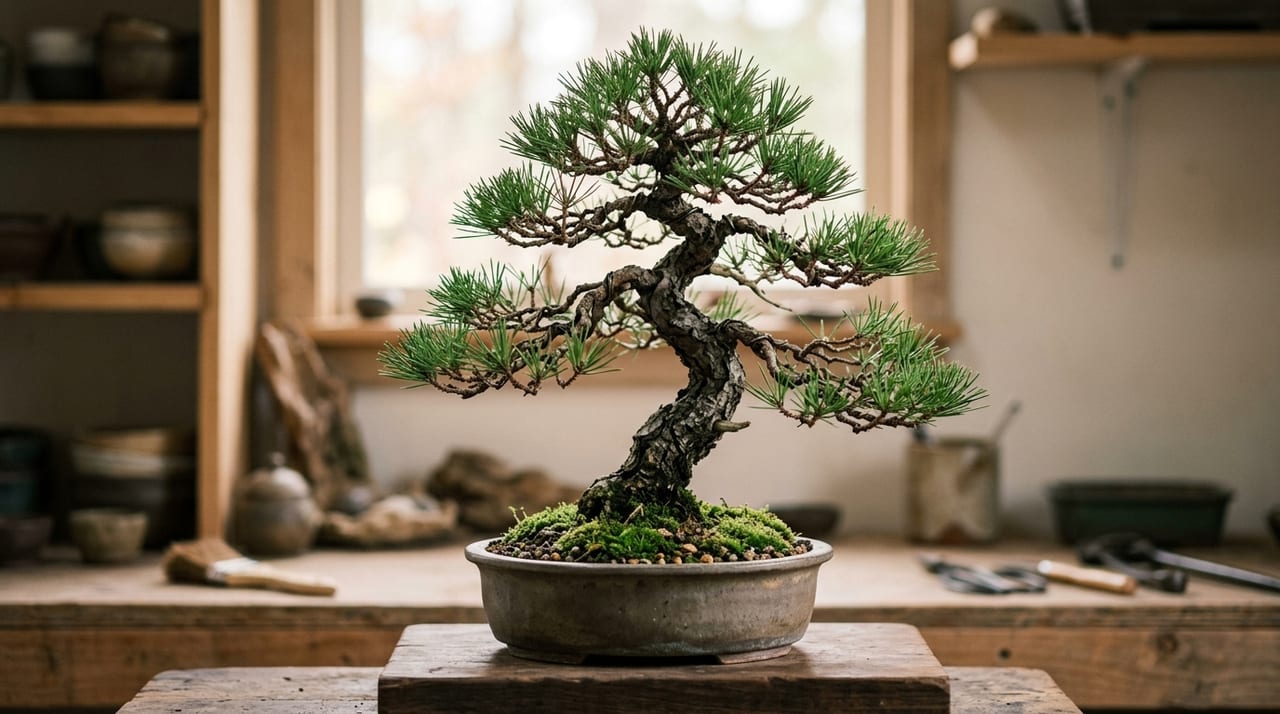
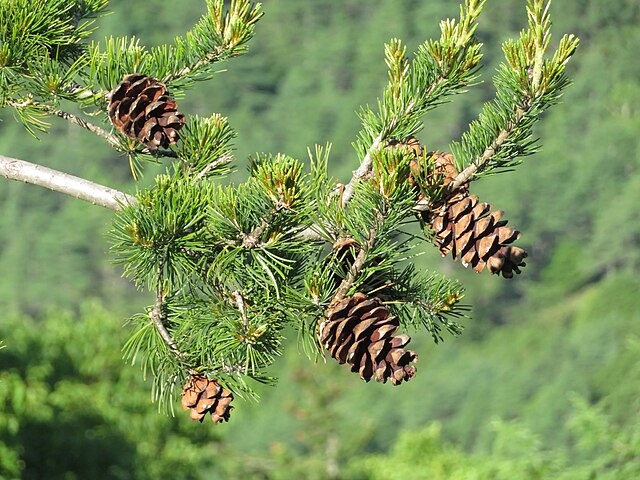
- Small Japanese black pine seedling: Creates a mini bonsai atmosphere
- Black pine seedling: Enjoy the form from when it's young
- Crabapple: Bears red berries in autumn
How to Make a Moss Ball (Steps)
Step 1: Create the soil ball
- Mix keto soil and red lava soil (small grain) in a 7:3 ratio
- Add water gradually while kneading. The consistency of an earlobe is ideal
- Flatten the kneaded soil and shape it around the plant's roots
- Form it into a ball, softball to tennis ball size
Step 2: Plant the plant
- Remove the plant from its pot and gently loosen old soil
- Create a small depression at the top of the soil ball and insert the plant's roots
- Pack soil firmly around the roots
- Shape and round out the form
Step 3: Wrap with moss
- Soak the moss in water to thoroughly dampen it
- Unfold the moss and attach it to the surface of the soil ball
- Press the underside of the moss (where the roots are) firmly to the soil
- Overlap gradually with no gaps, covering the entire surface
Step 4: Secure with thread
- Wrap cotton thread or fishing line to keep the moss from shifting
- Wind from various directions to secure the entire ball firmly
- Wrap at appropriate tension—too tight damages the moss
- Cotton thread naturally deteriorates over a few months and becomes inconspicuous
Step 5: Final finishing
- Fill a bucket with water and submerge the moss ball for about 10 minutes to saturate it fully
- Lift it out and let water drain lightly
- Place on a plate or tray—complete
How to Display Moss Balls
Setting it down
- Place on a ceramic small plate or stone pedestal
- Setting on a tray with sand creates more of a Japanese atmosphere
- Add seasonal touches (autumn leaves, small stones) for decoration
Hanging
- Suspend with fishing line or hemp cord
- Hanging by a window catches light beautifully
- Hanging multiple moss balls at different heights creates more interior appeal
Wall mounting
- Use hooks to display on a wall
- Arrange multiple on a shelf to create a green space
Daily Care
Watering
- When the moss ball feels light when held, it's time to water
- Fill a bucket with water and submerge the moss ball completely (5–10 minutes)
- Saturate thoroughly until no air bubbles emerge
- Lift out and let water drain lightly, then return to its spot
- Frequency guide: spring and autumn 2–3 times weekly, summer daily to every other day, winter every 3–5 days
Misting
- Daily misting on the moss surface keeps it looking beautiful
- The plant's leaves also benefit from misting
Location
- Bright indirect light is basic. Direct sun causes the moss to dry too much
- For indoors, light through a sheer curtain near a window is ideal
- Place in a well-ventilated spot (prevents moisture buildup)
Fertilizer
- Basically not needed. Moss balls are meant to be enjoyed small
- If the plant lacks vigor, apply very diluted liquid fertilizer during watering
Maintenance
- If moss peels away, rewrap it with thread
- Brown moss signals over-drying. Increase watering frequency
- Prune if the plant grows too large
- After 1–2 years, moss degrades—rewrap it with new moss
- If roots become crowded, remake the moss ball (spring is ideal timing)
Finding Moss Ball Materials at GrowerDirect
At GrowerDirect, you can purchase small bonsai seedlings ideal for moss ball making directly from specialist growers. It's reassuring to be able to consult with growers on selecting materials with a bonsai aesthetic. Try creating moss balls with character using GrowerDirect's materials, and enjoy an easy taste of Japanese style.