Source: Wikimedia Commons
Day's Cymbidium
IntermediateCymbidium dayanum
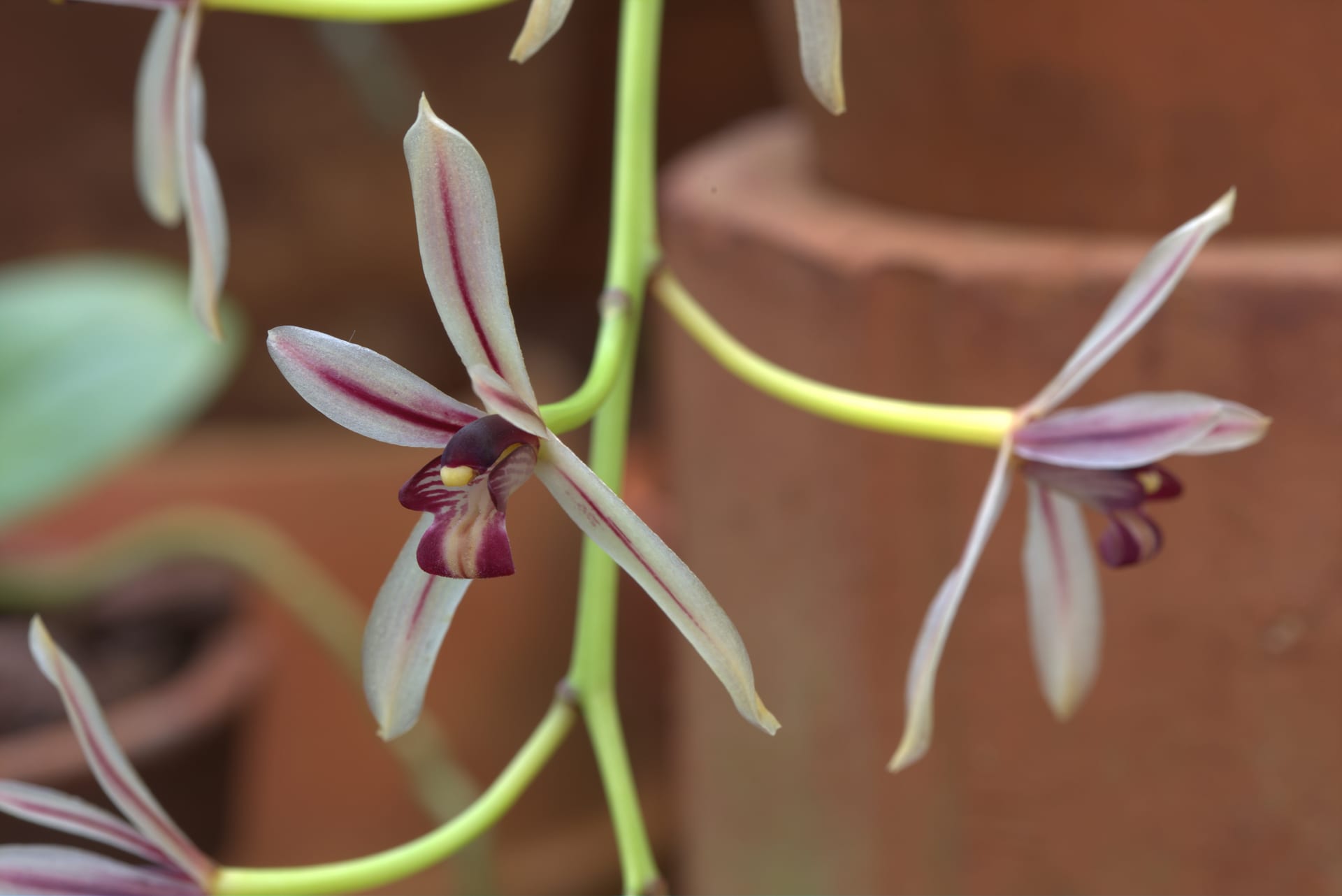
A species Cymbidium with tufts of narrow dark green leaves and arching to hanging sprays of medium-sized flowers in summer and autumn. It also grows wild in warm parts of Japan and, unusually for a Japanese Cymbidium, lives on trees.
About
Hetsukaran (Cymbidium dayanum) is a species Cymbidium. It ranges widely across South-East Asia, from Assam and the eastern Himalayas through Thailand, Cambodia, Vietnam and China to Borneo, Malaysia, the Philippines, Sumatra and Taiwan, and also grows wild in warm parts of Japan including the Ryukyu Islands. Japanese plants were once described as var. austrojaponicum, which GBIF now includes in the species. It grows low on tree trunks, and sometimes on the ground, in evergreen forest at about 200-1,800 m. Almost all Japanese Cymbidium are terrestrial, making this epiphytic species the exception. The pseudobulbs are inconspicuous, and five to twelve long, narrow, dark green leaves spread in a fan. In summer and autumn, stems about 20 cm long rise or hang from the base with five to fifteen flowers 4-5 cm across. It prefers fairly even conditions throughout the year. In Japan, specialist orchid nurseries sell seedlings, including the white alba form. As a species native to Japan, buy nursery-raised seedlings.
Source: Wikipedia (CC BY-SA 4.0)
Size of the Day's Cymbidium
The Day's Cymbidium grows to Flower stem about 22 cm; flowers 4-5 cm across.
Basic Info
Origin
NE India and the eastern Himalayas to South-East Asia, China, Taiwan and warm parts of Japan (including the Ryukyus)
Lifespan
Perennial that can be kept for many years by division (little data on lifespan)
Size
Flower stem about 22 cm; flowers 4-5 cm across
Temperature
15〜30℃
Humidity
50〜70%
Watering & Fertilizer
Dilute liquid fertilizer in the growing season
Growing Tips
Light & Placement
It grows on tree trunks inside forest, so keep it in bright shade out of direct sun.
Watering
Avoid extremes of drought or wetness year-round; water as the medium begins to dry.
Temperature & Overwintering
It handles heat fairly well but dislikes cold; bring it indoors in winter and avoid sudden temperature swings.
Soil & Repotting
As the flower stems hang, use a tall pot or basket with a free-draining orchid mix or bark.
Pests & Cautions
It is native to Japan; choose seed-raised or otherwise propagated plants rather than wild-collected ones.
Day's Cymbidium FAQ
QWhat is the growing difficulty level for Day's Cymbidium?
Intermediate. A variety suitable for intermediate growers. Requires some cultivation experience and knowledge of environment management. Pay careful attention to temperature and humidity control.
QHow large does Day's Cymbidium get?
The mature size of Day's Cymbidium is Flower stem about 22 cm; flowers 4-5 cm across. This may vary slightly depending on cultivation environment and individual differences.
QHow should I water and fertilize Day's Cymbidium?
Day's Cymbidium: watering & fertilizer — Dilute liquid fertilizer in the growing season. Aim for appropriate frequency and amount.
QWhat is the typical price for Day's Cymbidium?
The price of Day's Cymbidium varies significantly by variety, characteristics, size, and lineage. Please check GrowerDirect's price guide for the latest market information.
Last updated: September 23, 2026
References & Sources
Edited & verified by: GrowerDirect Editorial Team
The classifications, regulations, and growing data on this page are created and verified based on the primary information database below.
Taxonomy & Authority
Accepted name: Cymbidium dayanum Rchb.f.
Synonyms: Cymbidium dayanum subsp. austrojaponicum Tuyama, Cymbidium eburneum subsp. austrojaponicum (Tuyama) M.Hiroe, Cymbidium eburneum subsp. dayanum (Rchb.f.) Hook.f., Cymbidium eburneum subsp. dayi Jennings, Cymbidium simonsianum subsp. vernale Makino
Authority databases: GBIF · GBIF
Nomenclature follows global taxonomic authority databases.
Regulations & Conservation Status
The whole orchid family is listed in CITES Appendix II (checked on Species+). International trade requires permits such as export permits, but no registration is needed to buy, sell or transfer plants within Japan. It is native to Japan and is not designated as a Nationally Rare Species under the Act on Conservation of Endangered Species (checked against the Ministry of the Environment list). Some prefectures restrict collecting wild plants by ordinance, so choose nursery-propagated plants rather than wild-collected ones.
Sources: Species+ (CITES) / Ministry of the Environment, Japan: list of Nationally Rare Species
Regulations may change. Always verify the latest information with the relevant authorities.
Related Species
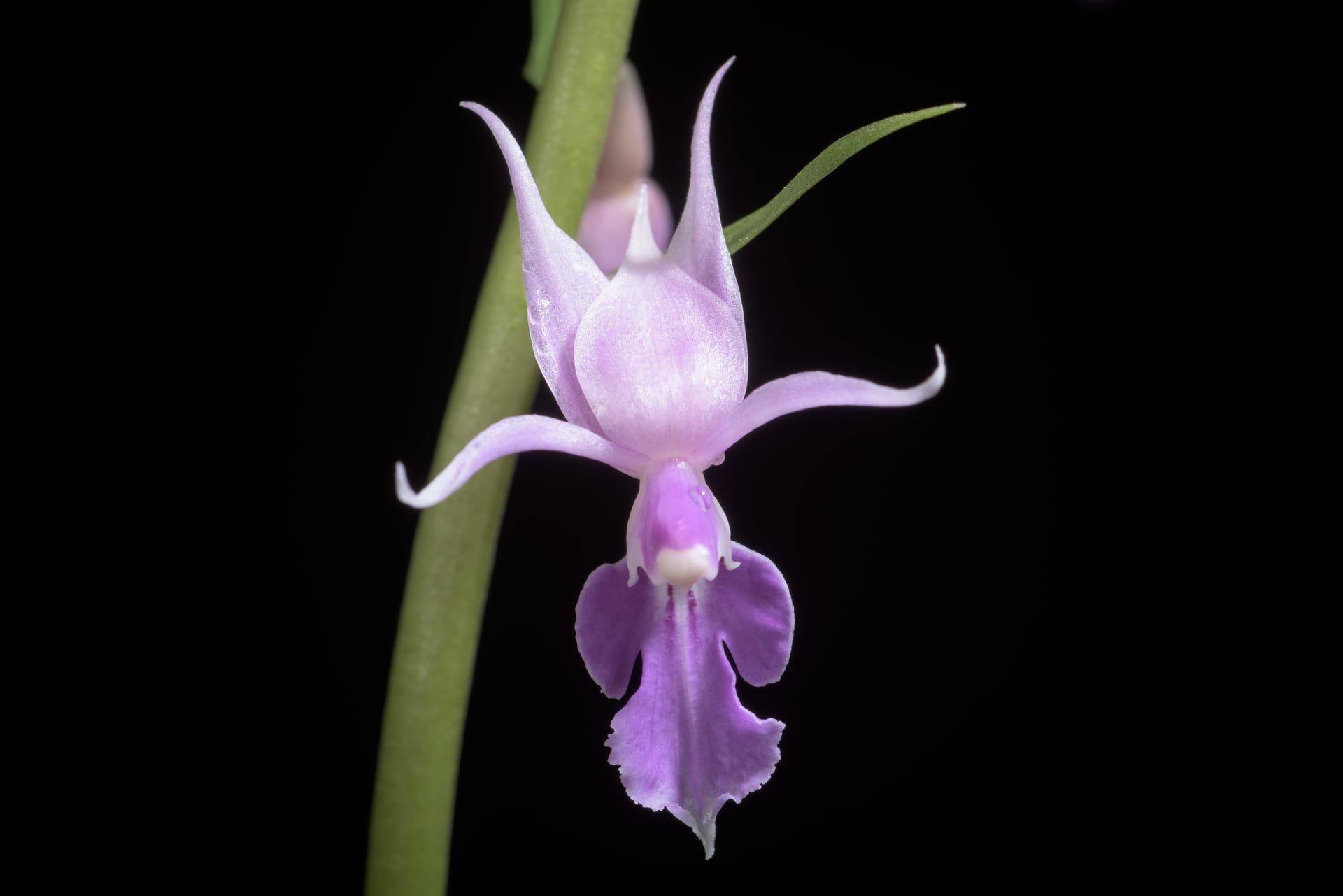
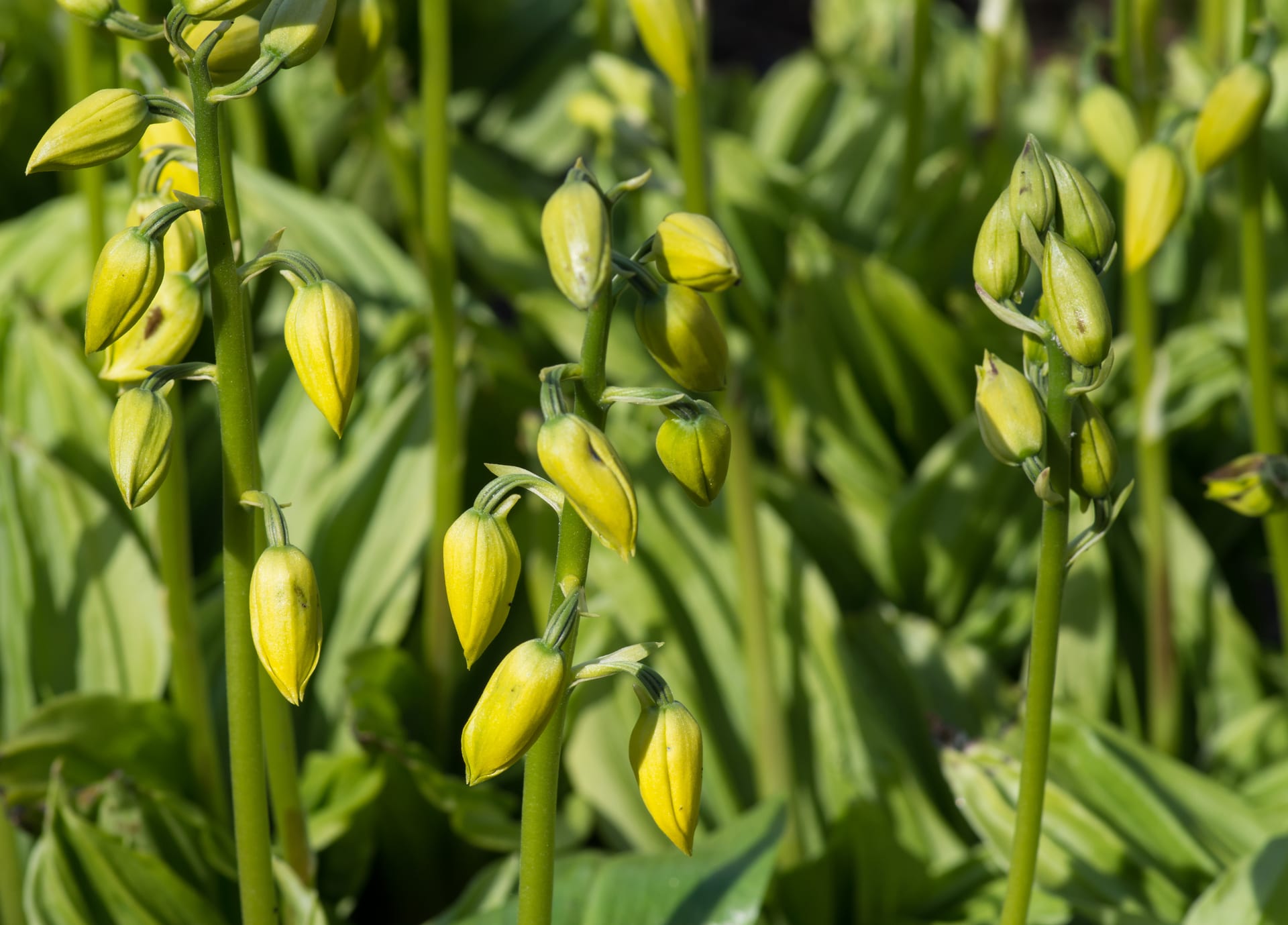
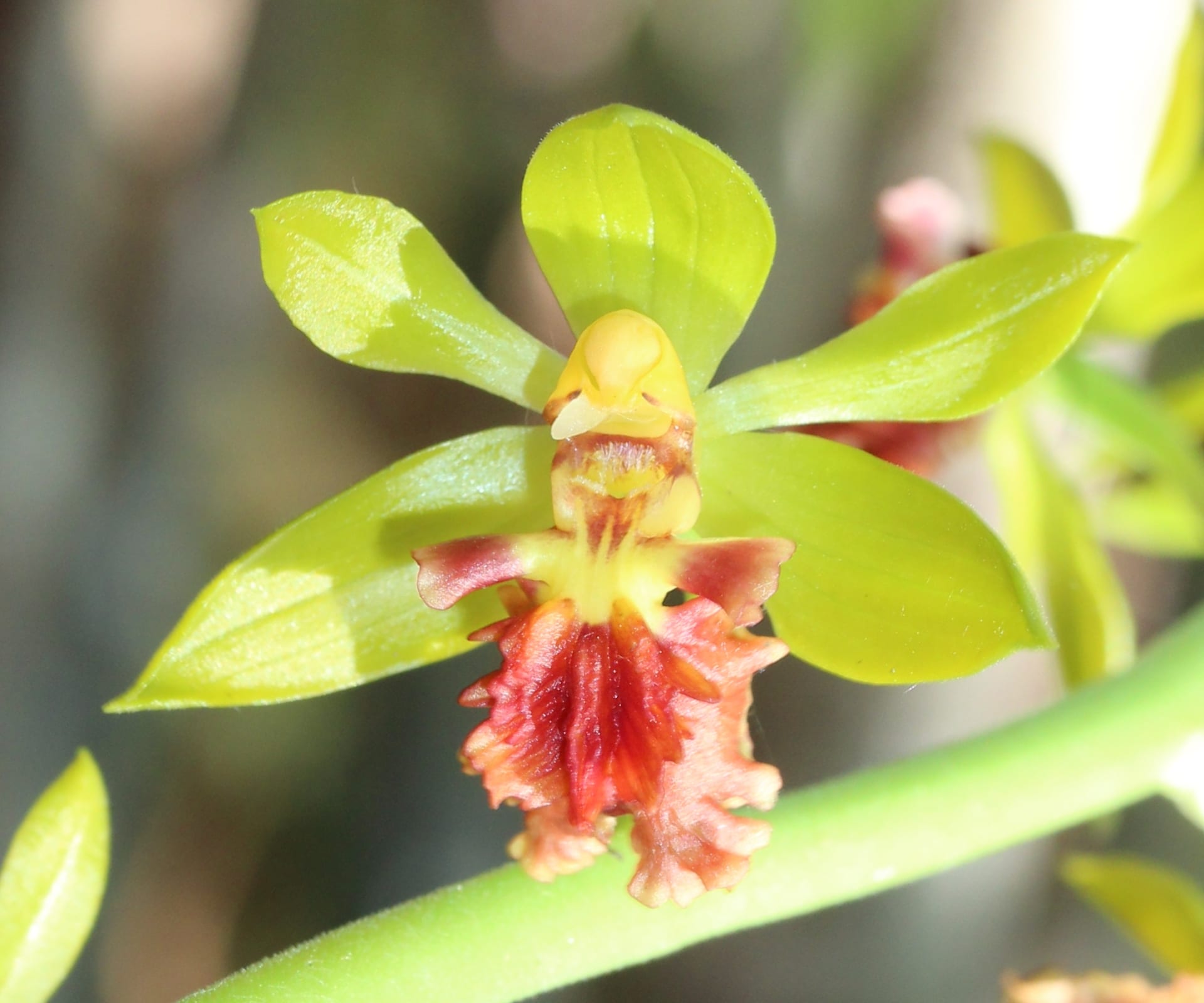
Find listings for this species
Related Articles
Complete Guide to Growing Cymbidiums | Tips for Blooming Gorgeous Flowers Every Year
Explains how to cultivate Cymbidiums suited to Japan's climate. This is a practical guide for enjoying gorgeous flower spikes every year, from fall outdoor care to flower bud formation through cold treatment and post-bloom care.
Cymbidium Outdoor Cultivation Guide | Enjoying Cold-Hardy Orchids in Your Garden
Explore outdoor cultivation methods for cymbidiums, which are relatively cold-hardy. This guide covers placement selection, summer shading and winter frost protection, autumn low-temperature management for flower bud formation, and division methods for large specimens.
Cymbidium Flower Bud Differentiation and Temperature | The Mechanism of Nighttime Low Temperature Inducing Flower Bud Formation and Winter Management Practices
Explaining the mechanism of nighttime low temperatures required for Cymbidium flower bud differentiation, and practical methods for autumn temperature management and winter care.
Coelogyne Genus Seasonal Care Guide | Withholding Water in the Dry Season and Tips for Regulating the Bloom Cycle
A seasonal guide to Coelogyne, a type of epiphytic orchid, from watering during the growing season to dry-season drought management and tips for regulating the bloom cycle.
Can't find the plant you're looking for?
Post your wishes for free and growers with matching plants will contact you with introductions.