Complete Guide to Growing Cymbidiums | Tips for Blooming Gorgeous Flowers Every Year
Explains how to cultivate Cymbidiums suited to Japan's climate. This is a practical guide for enjoying gorgeous flower spikes every year, from fall outdoor care to flower bud formation through cold treatment and post-bloom care.
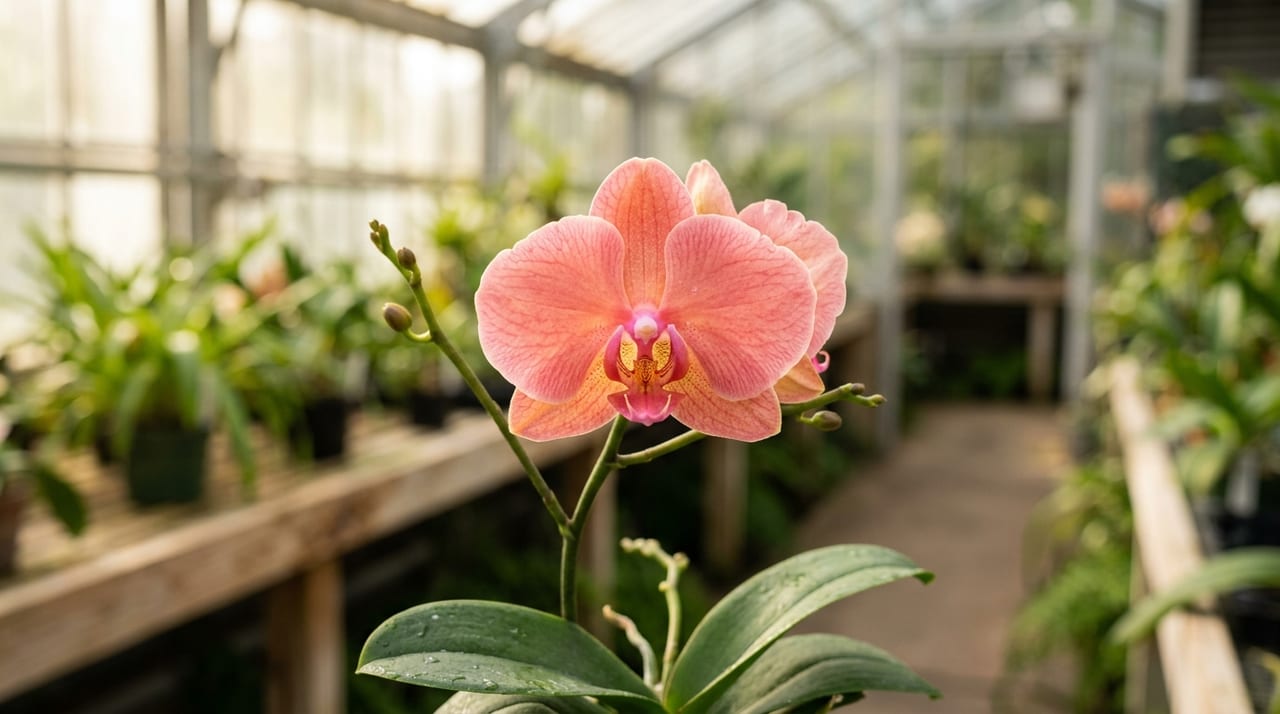
Key Takeaways
Explains how to cultivate Cymbidiums suited to Japan's climate. This is a practical guide for enjoying gorgeous flower spikes every year, from fall outdoor care to flower bud formation through cold treatment and post-bloom care.
Related Species
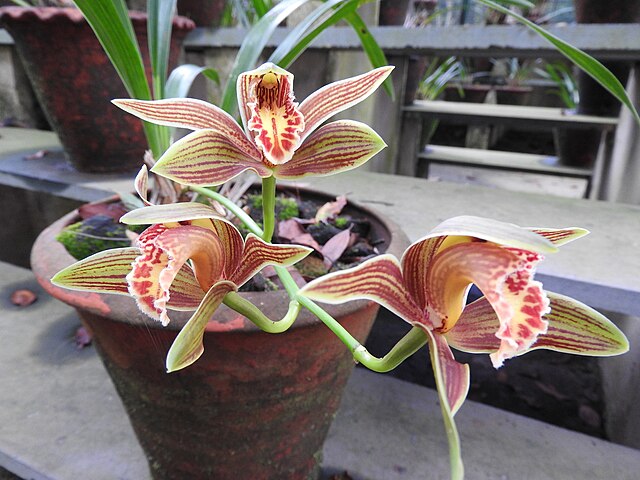
Cymbidium (Cymbidium) is a luxurious orchid with dozens of flowers arranged on a single flower stem. With abundant flower colors including pink, white, yellow, green, and red tones, and blooming in winter to spring (around December to March), they are widely displayed in stores during New Year's and Doll Festival season. Like Phalaenopsis, they are widely cherished as gifts, and are also known for the many varieties that enthusiasts enjoy cultivating.
While some people may have the impression that "Cymbidiums are difficult," you can reliably achieve blooms every year if you master the basics. In particular, if you understand the key points of "fall outdoor care and cold treatment," you can overcome the greatest challenge of cultivation. In this article, we will explain in detail how to manage Cymbidiums throughout the year.
Basic Characteristics of Cymbidiums
Cymbidiums are orchids widely distributed from the foothills of the Himalayas across East Asia to Australia, with approximately 60 wild species known. Most large Cymbidiums sold commercially are hybrids called Western Cymbidiums, characterized by luxurious flower spikes and long display periods. On the other hand, Oriental orchids (Oriental Cymbidiums) include types such as Shunran, Kanran, and Kenran, with a distinct cultural tradition of enjoying delicate flowers and fragrance.
This article primarily focuses on cultivation methods for Western Cymbidiums (large hybrids), which are most widely available.
Basic Specifications:
- Cold hardiness: -5°C to 5°C depending on variety (do not expose to frost)
- Ideal temperature: 18–28°C in spring to summer, 5–15°C in winter
- Light requirements: Strong (dappled to direct sunlight)
- Watering frequency: Regular (water thoroughly when the soil surface dries)
Spring Care (March–May)
The flower spikes that bloomed gloriously in winter will fade by March–April. Once the flowers finish, cut off the flower stems at their base and concentrate nutrients on new growth.
Post-Bloom Repotting (March–April): Cymbidiums require repotting every 2–3 years. Spring is the optimal time to repot, ideally between when flowers fade and new roots begin to emerge.
- Use well-draining soil primarily composed of bark chips (medium to large) or pumice
- Inspect the roots and remove rotted roots (dark and soft) with scissors
- Choose a pot one size larger than the old pot (avoid oversizing, which can cause root rot)
- Keep in partial shade for about 2 weeks after repotting, then return to normal care once roots settle
Location: In spring, a spot with morning to mid-morning light is ideal. Once temperatures consistently stay above 10°C, you can transition to outdoor care.
Summer Care (June–August)
Summer is when Cymbidiums grow most vigorously. This is the most important season for filling out pseudobulbs (bulbs) and preparing for flower bud formation in fall and beyond.
Sunlight: Direct sunlight promotes vigorous growth. However, intense afternoon sun in midsummer can cause leaf scorch, so you may need to provide shade or move plants in the afternoon. Using shade cloth (30–50% shade rate) is also effective.
Watering: In summer, soil dries quickly, so water thoroughly when it becomes dry. It's important to water well until water drains from the pot's base. Prolonged drought causes pseudobulbs to shrivel, negatively affecting flower bud formation next spring.
Fertilizing: During the growing season (May–August), apply liquid fertilizer 2–3 times per month. Use fertilizer with higher potassium content to develop full pseudobulbs. Gradually reduce fertilizing after September and stop by October.
Fall Care (September–November): The Key to Flower Bud Formation
Fall care is the most critical for Cymbidium cultivation. Flower bud formation requires "low temperatures" and "temperature fluctuations between day and night," and deliberately creating these conditions ensures reliable blooming.
Cold Treatment Method:
- Starting in late September to October when temperatures begin to drop below 15°C, intentionally expose plants to cool nights (8–15°C)
- The ideal day-to-night temperature difference is about 10°C, with daytime around 20°C and nighttime 8–12°C
- Keeping plants outdoors through mid-November ensures strong flower bud formation
This "cold treatment through fall outdoor care" is the single most important factor for achieving blooms on Cymbidiums every year. Bringing plants indoors too early results in insufficient cold treatment, and spring arrives without flower buds forming.
Precautions:
- Do not expose to frost (it damages leaves)
- In cold regions, bring indoors before the first frost
- Protect pots on days when temperatures drop to 3°C or below to prevent soil from freezing
Winter Care (December–February): Display and Bloom Management
Once flower buds are visible, bring plants indoors. The key to managing plants during bloom is placing them in a "cool, bright location."
Location:
- Avoid direct sunlight; place where bright light filters through curtains
- Ideal room temperature is 5–15°C; avoid direct heating vents
- Flowers' lifespan is significantly shortened in warm rooms above 20°C
Watering: In winter, soil dries slowly, so reduce watering frequency. Water about 2–3 days after the soil surface has completely dried.
Flower Stem Staking: Long flower spikes require staking to prevent them from falling over. Insert a specialized orchid stake (a thin plastic rod) outside the pseudobulb and secure it with clips or ties.
Common Cymbidium Mistakes and Solutions
No flower buds or few buds: This is the most common problem. The cause is usually insufficient fall cold treatment. Next year, ensure rigorous outdoor management from September to November and provide adequate day-to-night temperature fluctuations.
Pseudobulbs shrivel or plants weaken: The causes are often drought, root rot, or root-bound conditions. Check root condition during repotting and remove unhealthy roots.
Leaves turn yellow: Gradual yellowing and dropping of lower leaves is natural. However, if many leaves turn yellow simultaneously, suspect root rot, overwatering, or nutrient deficiency.
Scale insects and spider mites: These pests commonly appear during indoor care. Regular inspection of leaf undersides and early detection and treatment are essential. For sticky insects, remove them physically with a toothbrush, then apply appropriate pesticide.
The World of Oriental Orchids: The Charm of Kanran and Shunran
Apart from Western Cymbidiums, Oriental orchids, long cherished in Japan, China, and Korea, also belong to the same Cymbidium genus.
- Shunran (Spring orchid): Produces 1–2 delicate flowers in March–April. There is a tradition of displaying them in tea rooms and alcoves
- Kanran (Cold orchid): Produces several flowers from October–December. Offers rich variety in flower colors and fragrances, creating a deep world of collecting
- Kenran (Construction orchid): Blooms in summer to fall. Some varieties have variegated leaves, and foliage is also appreciated
Oriental orchids suit Japan's climate, and many varieties are relatively easy to grow.
Find Your Favorite Cymbidium on GrowerDirect
Cymbidiums come in tremendous variety, from large hybrids to small varieties to Oriental orchids. On GrowerDirect, you can purchase directly from growers who specialize in Cymbidiums, confirming detailed information such as flower color, flower size, and presence of fragrance before making your choice.
Many listings include photos of flower spikes, so you can see how they actually bloom before purchasing—this peace of mind is unique to GrowerDirect. Find your first Cymbidium to enjoy gorgeous blooms year after year on GrowerDirect.