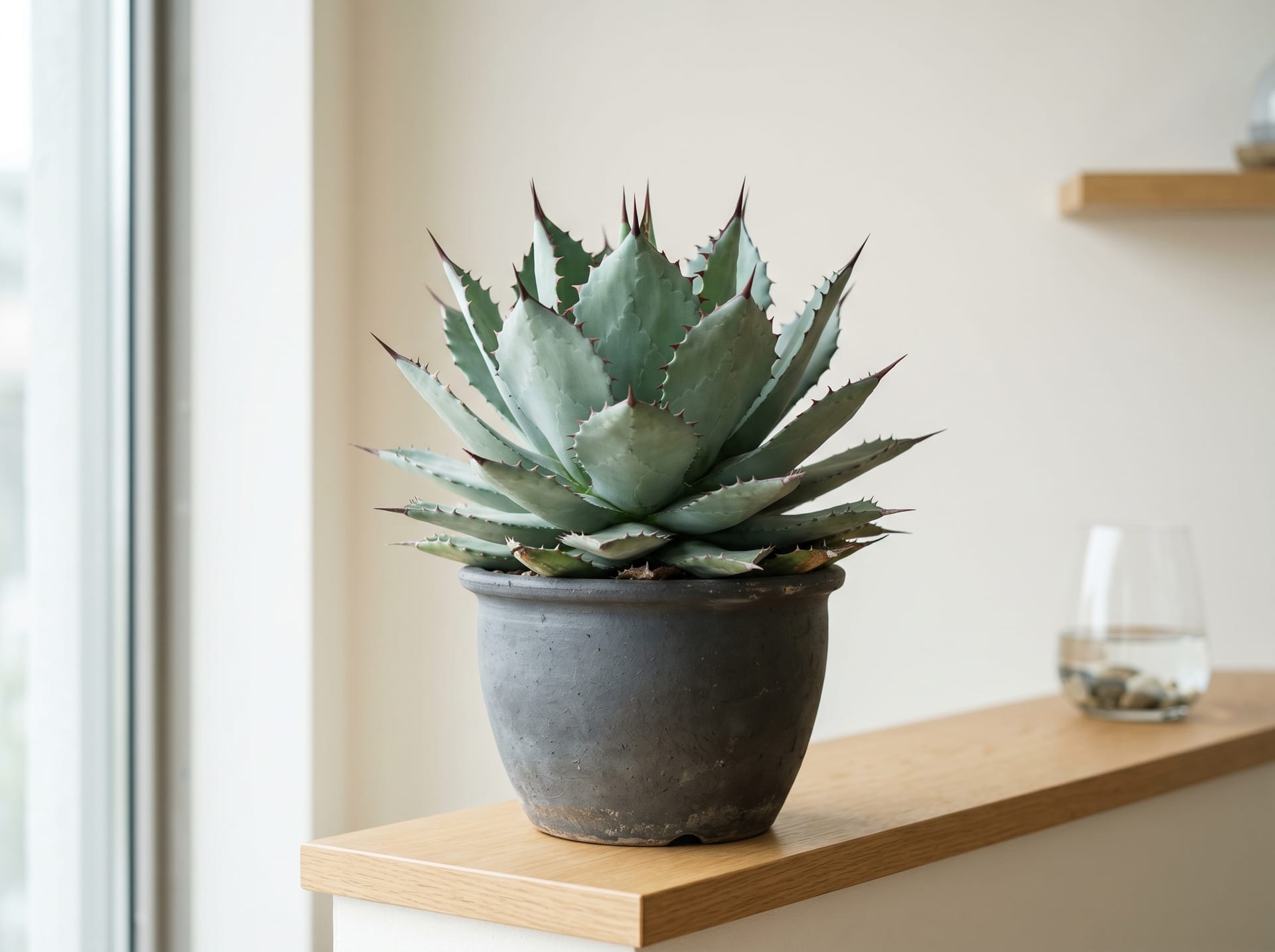
帕里龍舌蘭
Agave parryi is a cold-hardy agave native to Mexico, forming a striking rosette of blue-gray leaves. It features sharp terminal spines and toothed leaf margins, maturing into a compact 50–80 cm wide clump. Its drought tolerance and relatively low-maintenance nature make it a popular choice for beginners in succulent gardening.
- 價格行情
- ¥6,000〜¥6,000
前 3 筆銷售免佣金!於2026年8月31日前登記生產者→前3筆成交的手續費免費!
栽培者 招募中!
在 ボタちょく 上架,直接銷售給全國的客戶吧!
ボタちょく承諾的 6 項透明性重點
龍舌蘭出品中栽培者將明示以下資訊。確保品種、產地、所需光量、栽培難度的透明度。
- 品種明示
- 實物照片
- 色澤
- 產地明示
- 所需光量
- 難度明示
Browse all 15 varieties
已註冊的栽培者(搶先看)
關於帕里龍舌蘭
Agave parryi is native to the high-altitude dry lands of Sonora and Chihuahua, Mexico, typically found between 1,200 and 2,700 meters above sea level. Named after 19th-century U.S. Army surgeon Charles Parry, it has a long history of use by Indigenous peoples for food and fiber. Its most distinctive visual feature is the orderly rosette of broad, blue-silver-gray leaves, each tipped with a firm dark spine that anchors the plant's bold silhouette. Fine teeth line the leaf margins, adding a rugged, sculptural texture. Mature plants reach a compact 50–80 cm in diameter, making them equally suited to ground planting and container gardening. Its combination of drought tolerance and cold hardiness has earned it growing recognition in low-water gardens and regions experiencing shifting rainfall patterns.
開始照料帕里龍舌蘭前需要了解的7件事
1Cold-Hardy but Watch for Frost
Agave parryi is considered one of the more cold-tolerant agaves, reportedly surviving temperatures around -15°C. However, prolonged wet cold and frost at the root zone can damage the plant, so good drainage in winter is essential. Container-grown specimens are best moved under eaves or indoors during harsh winters.
2Water Sparingly
Agave parryi is adapted to dry conditions, and overwatering is the leading cause of root rot. During the growing season (spring to autumn), water only after the soil has completely dried out; in winter, reduce watering to a bare minimum. A slightly drier approach than you might expect is usually ideal.
3Handle Spines with Care
The terminal spines are extremely hard and sharp, posing a puncture risk if handled carelessly. Always wear thick leather gloves when working around the plant, and consider placing it away from children and pets. Some growers trim the tips for safety, though this alters the plant's natural appearance.
4Sunlight and Airflow Are Key
Agave parryi thrives in full sun and ideally needs six or more hours of direct light per day. Insufficient sunlight can cause etiolation, disrupting the symmetrical rosette shape. Good air circulation is equally important, as it helps prevent pests and fungal issues caused by excess humidity.
5Choose Fast-Draining Soil
A fast-draining mix works best — commercial succulent soil blended with 30–40% pumice or coarse sand is a good starting point. Avoid clay-heavy or moisture-retentive soils, which promote root rot. Always use pots with drainage holes and add a layer of gravel at the bottom.
6Blooms Once in a Lifetime
Agave parryi is monocarpic — after decades of growth it sends up a towering flower stalk, blooms, and then the main rosette dies. The flowering event can be spectacular, reaching several meters tall, but growers should plan for the eventual loss of the parent plant. Offsetting pups before flowering allows you to continue growing the lineage.
7Propagate via Offsets (Pups)
As Agave parryi matures, it produces offsets (pups) around its base. Once a pup reaches about 10 cm, it can be separated with a clean knife, allowed to callous for several days, and then potted in fresh fast-draining mix. Water sparingly until roots establish, which typically takes a few weeks.
帕里龍舌蘭的常見問題
- Q.Can Agave parryi be grown indoors?
- A.It can be grown indoors near a bright south-facing window, but insufficient direct sunlight tends to cause etiolation. Ideally, keep it outdoors from spring through fall and bring it inside only during winter.
- Q.How do you propagate offsets (pups)?
- A.Agave parryi occasionally produces offsets at the base as it matures. Once a pup reaches about 5 cm in diameter, detach it from the parent with a clean knife, allow the cut to dry for a few days, and then plant it in fresh, well-draining soil.
- Q.Why are the leaves turning yellow?
- A.Overwatering is the most common cause. Stop watering temporarily and wait until the soil has dried out completely before resuming. If the pot lacks adequate drainage, consider replacing the soil mix or switching to a pot with better drainage.
- Q.How often does it need repotting?
- A.Due to its slow growth, repotting is usually needed only every three to five years. Repot when roots emerge from the drainage holes or the plant has clearly outgrown its pot. Spring to early summer is the best time, as roots recover more readily during the active growing season.
- Q.How can I prevent agave snout weevil damage?
- A.The agave snout weevil lays eggs in the growing point, and its larvae destroy the plant from the inside, causing it to collapse suddenly. Prevention includes regular inspection of the base and applying a systemic insecticide in spring, which is considered effective in reducing the risk.