Bourbon Rose Fragrance Development: Traditional Cultivation and Perfume Uses
Bourbon Rose Fragrance Development: Traditional Cultivation and Perfume Uses。What Kind of Rose Is Bourbon Rose?
Key Takeaways
Bourbon Rose Fragrance Development: Traditional Cultivation and Perfume Uses。What Kind of Rose Is Bourbon Rose?
Related Species
What Kind of Rose Is Bourbon Rose?
Bourbon Rose (Bourbon Rose) is a rose lineage that emerged in the 19th century through spontaneous hybridization on Bourbon Island in the Indian Ocean (present-day Réunion Island). It is believed to be a hybrid of Damask Rose and China Rose, inheriting from both parents both strong fragrance and the trait of repeat blooming. When introduced to Europe, it attracted the fervent interest of rose breeders, and many outstanding cultivars were created.
Representative cultivars include the following.
- Madame Isaac Pereire: A large deep pink bloom renowned for its intense fragrance, considered among the finest roses.
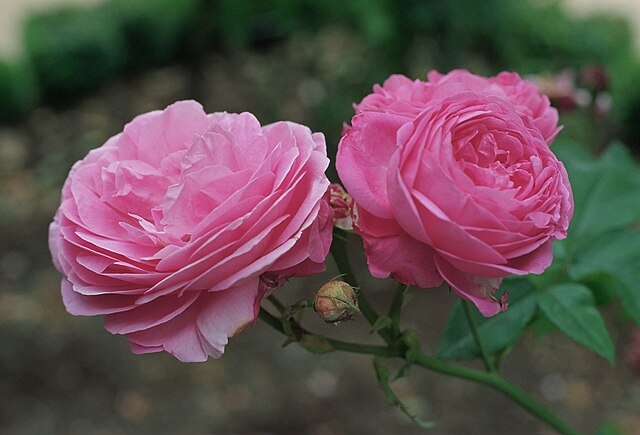
- Louise Odier: Cup-shaped flowers with translucent pink blooms, characterized by well-balanced roundness and sweet fragrance.
- Souvenir de la Malmaison: Pale cream-pink, a historic masterpiece with elegant and profound fragrance.
- La Reine Victoria: Beautiful cup-shaped flowers arranged in a bowl form, releasing delicate fragrance.
All of these are prized for their rich fragrance and antique flower form, enjoying strong popularity particularly among Old Rose enthusiasts. The profound and complex fragrance absent in modern roses is the primary reason they attract many growers.
The Fragrance Structure of Bourbon Rose
The reason Bourbon Rose fragrance is described as "profound" lies in the diversity of volatile compounds. Well-known compounds that form the core of rose fragrance include phenethyl alcohol, citronellol, geraniol, and rose oxide. These combine in complex proportions, creating a rich fragrance that evolves over time despite coming from a single flower.
In the world of perfumery, fragrance is described as having three layers: top note (opening), middle note (heart), and base note (dry-down). Bourbon Rose is characterized by its fullness from middle to base notes. For this reason, it has long been valued in perfumery and plant-derived aroma products as a material that forms the structural foundation of the overall fragrance.
Additionally, Bourbon Rose fragrance is strongest in early morning or evening when temperatures are mild. This is because the oil glands in the petals gradually release volatile compounds as temperatures drop. Understanding this characteristic makes it easier to identify the best time to enjoy the fragrance.
Fundamental Cultivation Practices for Drawing Out Fragrance
The quality of Bourbon Rose fragrance is greatly affected by the growing environment. Keeping the following points in mind will make it easier to produce flowers rich in volatile compounds.
Sunlight At least 6 hours of direct sunlight daily is essential. Insufficient sunlight not only reduces flower production but also results in weaker fragrance. A location receiving adequate light in the morning is ideal, and it is best to avoid strong afternoon sun in midsummer.
Temperature and Air Circulation Fragrance develops best during periods when daytime temperatures are relatively cool. During hot summer months, the quality of volatile compounds tends to decline, so for potted plants, moving them to a well-ventilated, partially shaded location is an effective strategy.
Soil and Watering Soil that is slightly acidic to neutral (pH 6.0–6.5) with both good drainage and water retention is appropriate. A basic potting mix combines akadama, leaf mold, and compost in balanced proportions. The principle is to water thoroughly after the soil surface dries out; excessive moisture causes root rot.
Fertilizer Regular application of fertilizers high in phosphorus and potassium during the blooming period promotes fuller petals and improved fragrance. Incorporating organic matter such as leaf mold and compost into the soil encourages stable, fragrant blooms over extended periods. Excessive nitrogen promotes foliage at the expense of flowers, so it is best to use nitrogen sparingly during the blooming period.
Pruning and Managing Repeat Blooming
Bourbon Rose exhibits continuous blooming or near-continuous repeat blooming characteristics, allowing multiple flowering cycles per year with proper pruning.
After blooms fade, remove the spent flowers as soon as possible. Cut the flower stem just above the next robust outward-facing bud to prevent plant exhaustion. Neglecting this task diverts energy to seed formation (rose hip development), making subsequent blooming difficult.
During winter dormancy, perform more intensive pruning. Remove deadwood, thin branches, and congested growth; cut back the overall height appropriately to invigorate new shoots the following spring. After pruning, clean up the cut surfaces and ensure good air circulation to prevent disease. Many Bourbon Rose cultivars are prone to powdery mildew and black spot disease, so it is wise to regularly observe leaf condition and address problems early.
Using Bourbon Rose for Perfume and Enjoying It at Home
Bourbon Rose, alongside Damask Rose, is sometimes used as a raw material for rose essential oil. On a home scale, one can experiment with techniques such as steam distillation or solvent extraction (enfleurage) to transfer flower fragrance into oil or water. However, since commercial-grade rose essential oil requires large quantities of flowers, home production is most realistically pursued as small-scale experimentation or a hobby.
The following methods offer convenient ways to enjoy the fragrance.
- Potpourri: Add dried petals to spices and fixatives, and use as a room fragrance.
- Rose Water: Use distilled water obtained by steaming petals in water for skincare or culinary flavoring.
- Infused Oil: Steep petals in carrier oil (such as jojoba oil) and use for skincare or as a bath additive.
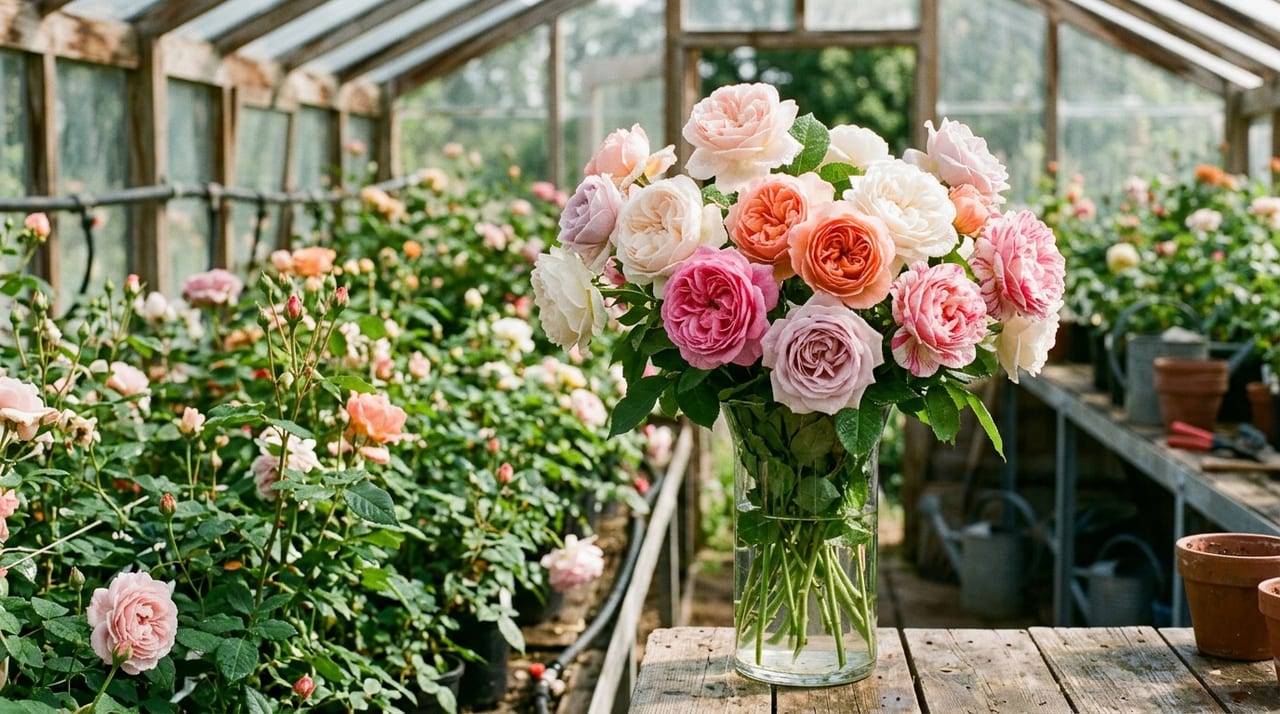
- Fresh Flower Arrangement: Display freshly picked flowers in a vase and enjoy their natural fragrance indoors.
All of these methods use no chemicals and leverage the flower's natural fragrance. Using Bourbon Roses you have grown yourself yields aromas that reflect the individuality of your growing environment, distinctly different from commercial products—the true pleasure of homemade fragrance.
Obtaining Bourbon Rose on GrowerDirect
GrowerDirect allows you to purchase rose saplings cultivated with care by growers directly. Bourbon Rose cultivars rarely seen in large garden centers may be obtainable from rose-specialist growers.
When selecting saplings, it is helpful to check the following points.
- Whether the rootstock is healthy and the graft union is well-healed
- Whether branches are robust and multiple buds are present (avoid thin, leggy saplings)
- Whether leaves show no signs of disease
The ability to consult directly with growers is particularly valuable for delicate cultivars like Bourbon Rose. Confirming fragrance characteristics for each variety and management methods suited to your growing environment before purchase is a unique advantage of direct grower sales. To fully draw out the rose's fragrant depth, begin by learning the sapling's lineage and cultivation background.